
Human–Environment Health Interaction Maps: AI Connect Indoor Lighting

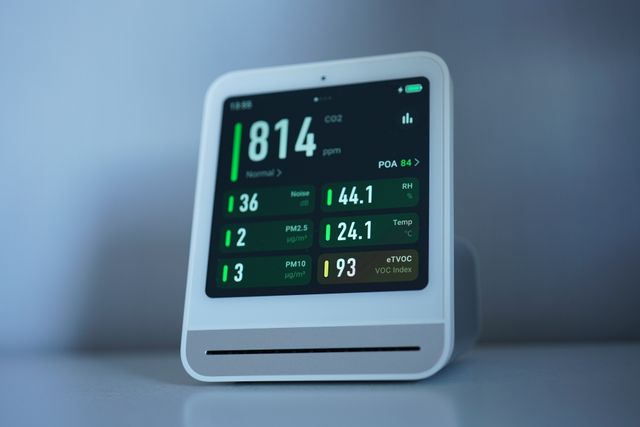
Human health is influenced not only by genetics, nutrition, physical activity and medical care but also by the environments in which people spend their everyday lives. Homes, offices, schools, hospitals and other indoor spaces continuously expose people to different combinations of lighting, temperature, noise and air quality. These conditions can influence comfort, sleep, concentration, mood, respiratory wellbeing and the ability to perform routine activities. However, environmental factors are often measured and managed separately, even though people experience them simultaneously.
A brightly illuminated room may support visual tasks but become uncomfortable when combined with excessive heat. A quiet workspace may still feel exhausting if ventilation is inadequate. Similarly, background noise can become more disruptive when someone is already experiencing discomfort because of poor lighting or temperature conditions. These interactions make it difficult to understand how indoor environments influence daily functioning through isolated measurements.
Human–Environment Health Interaction Maps represent an emerging approach to understanding these relationships. The concept involves combining environmental measurements with information about human behaviour, physiological responses and everyday performance to identify patterns between indoor conditions and health-related outcomes. Artificial intelligence could help build these maps by analysing large, continuously changing datasets from environmental sensors, wearable devices, digital health platforms and occupant feedback.
Rather than simply identifying whether a room is too hot, noisy or poorly ventilated, an AI-based system could investigate how combinations of environmental conditions relate to an individual’s concentration, fatigue, sleep quality and comfort throughout the day. This could support healthier homes, workplaces, educational institutions and healthcare environments. However, reliable systems will require careful scientific validation because environmental associations do not automatically establish the cause of an individual’s symptoms or performance changes.
Understanding Human–Environment Health Interaction Maps
Human–Environment Health Interaction Maps are conceptual representations of the relationships between indoor environmental conditions and human functioning. They bring together information about the physical environment and the responses of people occupying that environment. The objective is to understand how different environmental exposures occur together, how they change over time and how they may relate to daily activities.
Traditional indoor environmental assessments often examine individual measurements, such as temperature, carbon dioxide concentration, particulate matter, illumination or sound levels. These measurements are useful, but they do not always explain the complete experience of an occupant. Two people in the same room may respond differently because of differences in age, health, activity, sensory sensitivity, work demands and personal preferences.
An interaction map could combine environmental measurements with contextual information, such as whether a person is sleeping, studying, working, exercising or recovering. It could also include physiological indicators, including heart rate, skin temperature and sleep patterns, where appropriate and with informed consent. The resulting model would examine relationships between environmental conditions and measurable aspects of daily functioning.
This approach is connected to the broader scientific field of indoor environmental quality, commonly known as IEQ. IEQ includes thermal comfort, lighting and visual conditions, acoustic conditions and indoor air quality. A 2025 systematic review of research on indoor environmental quality and physiological and psychological wellbeing highlighted the importance of examining environmental factors alongside human responses rather than treating indoor conditions as purely technical building measurements.
How Indoor Lighting Influences Daily Functioning
Lighting affects more than the ability to see objects clearly. It also influences visual comfort, alertness, sleep-related biological rhythms and the way people experience indoor spaces. Natural daylight, artificial illumination, brightness, colour characteristics, glare and exposure timing can all contribute to the overall lighting environment.
During daytime, appropriate light exposure can support visual tasks and help maintain alertness. Natural daylight also provides important time-related signals to the body’s circadian system, which helps regulate daily patterns of sleep and wakefulness. However, the relationship between lighting and functioning depends on the intensity, timing, duration and characteristics of exposure.
Insufficient lighting may make reading, writing and screen-based activities more difficult, while excessive brightness or glare can cause visual discomfort. Lighting that is poorly aligned with the time of day may also influence sleep-related rhythms. The effects of artificial light at night depend on its intensity, spectrum, duration and the individual’s sensitivity.
AI could combine light sensors with information about activity schedules, screen exposure and sleep patterns to identify recurring relationships between lighting conditions and daily functioning. For example, a model might detect that an individual experiences more difficulty maintaining alertness in a workspace with consistently low daytime illumination. It could also examine whether late-evening exposure to bright light is associated with changes in that person’s sleep timing.
However, a predictive system should not assume that every person needs identical lighting conditions. Age, visual requirements, occupation, health status and individual preferences can influence lighting needs. AI-based recommendations would therefore need to consider both environmental measurements and the context in which a person uses a space.
Temperature and the Human Body’s Functional Responses
Indoor temperature influences thermal comfort and the body’s ability to maintain a stable internal temperature. When an environment becomes excessively hot or cold, the body activates physiological mechanisms to regulate heat exchange. These responses can affect comfort, cardiovascular activity, sweating, alertness and the ability to perform physical or mental tasks.
High temperatures may increase discomfort and make sustained concentration more difficult, particularly when combined with high humidity or inadequate air movement. Cold environments can also affect comfort and physical performance, especially when people remain inactive for extended periods. The same temperature may feel different to individuals depending on clothing, activity level, age, health conditions and personal adaptation.
AI systems could examine temperature alongside humidity, air movement, clothing-related context and activity data to estimate how indoor thermal conditions relate to an individual’s functioning. Rather than relying only on a fixed temperature threshold, a model could learn patterns in comfort feedback and physiological measurements.
A 2026 systematic review of indoor environmental quality and the brain examined evidence relating thermal conditions, lighting, acoustics and air quality to physiological and neural responses. The review identified measurable relationships between indoor conditions and aspects of comfort, wellbeing and cognitive functioning, while also highlighting the need for more standardised methods and long-term real-world research.
Noise Exposure and Cognitive Performance
Indoor noise can originate from traffic, construction, machinery, conversations, electronic equipment, household appliances and building systems. Its influence depends not only on sound intensity but also on frequency, duration, predictability and the type of activity being performed.
Noise may interfere with concentration, reading, memory and communication. Sudden or unpredictable sounds can interrupt attention, while continuous background noise may make certain cognitive tasks more demanding. In workplaces, open-plan offices and classrooms, acoustic conditions can influence how easily people communicate and maintain focus.
Noise can also affect rest and sleep. Repeated disturbances during the night may fragment sleep, potentially influencing alertness and functioning the following day. The impact depends on the timing of exposure, sound characteristics and individual sensitivity.
AI could combine acoustic sensors with activity schedules and self-reported concentration or sleep information to investigate these relationships. For example, a model might identify that a particular workspace experiences repeated periods of high conversational noise during tasks requiring sustained attention. It could also investigate whether nighttime sound patterns are associated with changes in reported sleep quality.
However, sound measurements alone cannot reveal whether a person is distracted or stressed. Some individuals may work effectively in moderately active environments, while others may require quiet surroundings. Human feedback and task-specific information are therefore essential components of meaningful interaction maps.
Indoor Air Quality and Everyday Health
Indoor air quality is influenced by ventilation, outdoor pollution entering buildings, cooking activities, cleaning products, building materials, combustion sources, moisture and occupant behaviour. Common indoor pollutants include particulate matter, carbon monoxide, nitrogen dioxide, volatile organic compounds and biological contaminants such as mould-related particles.
Poor indoor air quality can contribute to respiratory irritation and other health concerns, depending on the pollutant, exposure concentration, duration and individual susceptibility. Carbon dioxide is often monitored as an indicator related to occupancy and ventilation, but it should not be treated as a complete measurement of indoor air pollution. A room can have a relatively low carbon dioxide reading while still containing other pollutants.
AI could integrate data from particulate matter sensors, gas sensors, carbon dioxide monitors, humidity measurements and ventilation systems. These readings could be combined with information about occupancy, cooking schedules, cleaning activities and outdoor air conditions. The model could then identify recurring periods when indoor air conditions change and investigate whether those changes coincide with reported discomfort or reduced functioning.
For example, an AI system might identify repeated increases in particulate matter during cooking periods or changes in ventilation-related measurements during crowded meetings. It could also investigate whether certain indoor conditions are associated with respiratory discomfort reported by occupants. Such findings could help building managers prioritise ventilation improvements and source control.
Why Environmental Factors Must Be Analysed Together
One of the strongest reasons to develop Human–Environment Health Interaction Maps is that indoor environmental conditions do not operate independently. Their combined effects may differ from the effects observed when each variable is considered separately.
Temperature and air quality provide one example. Higher temperatures can influence the release of certain chemicals from indoor materials and may change the way people experience odours and ventilation. Poor ventilation can also contribute to the accumulation of indoor pollutants. A room that feels thermally comfortable may therefore still have unsatisfactory air quality.
Lighting and temperature can also interact through human perception. Natural daylight may influence how people experience an indoor space, while visual conditions can contribute to comfort and alertness. Similarly, noise and temperature may combine to increase discomfort or interfere with cognitive tasks.
A 2024 comprehensive review of indoor air quality and other environmental factors examined interactions involving thermal, visual and acoustic conditions. It discussed how combined environmental conditions can influence occupant comfort, physiological responses and productivity, while identifying the need for more integrated research.
This is where AI may offer a valuable contribution. Machine-learning models can examine complex combinations of variables and identify patterns that might be difficult to detect through separate environmental assessments. They can also investigate whether a particular combination of conditions is more strongly associated with an outcome than any individual factor considered alone.
How AI Can Build Human–Environment Health Interaction Maps
Developing an interaction map would begin with collecting reliable environmental information. Smart sensors installed in rooms could measure temperature, humidity, illumination, sound levels, carbon dioxide and selected air pollutants. These measurements could be recorded continuously or at defined intervals to reveal how conditions change throughout the day.
The second component would involve understanding human functioning. Depending on the research objective, this could include sleep duration, activity levels, heart rate, task performance, reported comfort, fatigue and concentration. Information could be collected through wearable devices, validated questionnaires, workplace assessments or digital health applications. Sensitive personal information should only be collected with appropriate consent and safeguards.
Machine-learning algorithms could then combine these datasets. Time-series models could analyse how environmental conditions change before or during particular activities. Classification models could identify recurring environmental patterns associated with reported discomfort, while regression models could estimate relationships between environmental measurements and selected outcomes.
More advanced systems could use multimodal learning to combine sensor readings, written feedback, activity information and physiological measurements. This would allow researchers to examine relationships that cannot be captured by a single data source. For example, the system could compare a person’s reported fatigue with temperature, light exposure, noise and air quality during the preceding hours.
The output could be a dynamic interaction map showing how environmental conditions and human responses vary across locations and times. It could help researchers identify recurring patterns, investigate possible interactions and prioritise conditions for further study. Such a map should communicate uncertainty and avoid presenting predicted relationships as proven medical causes.
Applications in Homes, Offices, Schools and Hospitals
Healthier Homes and Residential Environments
Homes contain changing environmental conditions created by cooking, cleaning, heating, cooling, ventilation and daily occupancy. AI-supported interaction maps could help residents understand how these activities influence indoor conditions. They could also identify recurring periods of poor ventilation, excessive heat or disruptive nighttime noise.
For people with respiratory sensitivities, sleep difficulties or mobility limitations, a better understanding of indoor conditions may support more appropriate environmental adjustments. However, any health-related recommendations should be based on reliable measurements and suitable professional guidance.
Workplaces and Office Productivity
Workplaces provide an important setting for studying environmental influences on daily functioning because people often spend several hours performing similar tasks in the same indoor space. Interaction maps could help organisations investigate whether certain meeting rooms, workstations or office zones are associated with higher reported discomfort or difficulty concentrating.
The system could support improvements in lighting, ventilation, temperature management and acoustic design. Rather than applying identical settings throughout an entire building, facilities teams could use evidence from different zones and occupant feedback to identify where changes may be most useful.
Schools and Learning Environments
Children and students may be particularly affected by unsuitable indoor conditions because classrooms require sustained attention, communication and learning. AI could help researchers investigate how lighting, temperature, noise and ventilation relate to classroom comfort and selected learning-related outcomes.
A 2025 systematic review of indoor environmental quality and brain health examined research across different stages of life, including childhood, adolescence, adulthood and older age. It identified indoor environmental exposures as an important area for understanding brain health while highlighting the need for more research on combined exposures and life-stage differences.
Hospitals and Healthcare Facilities
Hospitals must balance indoor environmental quality with infection prevention, patient comfort, equipment requirements and operational demands. Interaction maps could help identify environmental conditions associated with patient discomfort or staff fatigue. They could also support the assessment of temperature, lighting and noise in patient rooms, recovery spaces and clinical work areas.
However, healthcare settings require especially careful implementation. Environmental adjustments must not interfere with infection-control procedures, medical equipment, patient-specific requirements or clinical workflows.
Scientific Challenges and Limitations
Although AI can identify complex patterns, reliable Human–Environment Health Interaction Maps face several challenges. The first is data quality. Environmental sensors may become inaccurate, collect incomplete measurements or differ in their calibration. Wearable devices may also produce variable readings, while self-reported information can be affected by memory and personal interpretation.
A second challenge is separating correlation from causation. If people report lower concentration in a warm room, temperature may be one contributing factor, but workload, sleep, stress, illness and other conditions may also be involved. An AI model may identify a relationship without establishing that the environmental condition caused the outcome.
Individual variation creates another difficulty. Age, health status, sensory sensitivity, occupation and personal preferences can influence responses to indoor environments. A model trained primarily on healthy adults in office settings may not generalise to children, older adults, people with disabilities or individuals with chronic health conditions.
Long-term validation is also essential. Short laboratory studies can provide controlled evidence, but real buildings involve changing occupancy, weather, activities and environmental exposures. Models need testing in diverse real-world settings before they can support dependable environmental recommendations.
Privacy must remain central to system design. Combining environmental sensors with wearable and activity data can reveal sensitive information about people’s routines, health and behaviour. Data minimisation, informed consent, secure storage and clear rules about access are essential. Building operators should not use health-related predictions to unfairly evaluate employees, students or residents.
The Future of AI-Driven Environmental Health Intelligence
Future systems could connect building digital twins with health-related environmental data. A digital twin is a digital representation of a physical building that can be updated using sensor measurements and operational information. When combined with AI, it could help researchers examine how changes in ventilation, lighting, temperature or acoustic conditions may influence indoor experiences.
Another promising direction is personalised environmental optimisation. Instead of assuming that one set of indoor conditions is ideal for everyone, systems could investigate how different occupants respond to the same environment. They might help identify suitable lighting schedules, ventilation strategies or acoustic adjustments while balancing comfort, energy use and building requirements.
Research could also move towards environmental exposure histories. People experience indoor conditions across multiple locations, including homes, schools, workplaces and transport environments. Combining information from these settings may help researchers investigate how repeated exposures relate to sleep, respiratory wellbeing and cognitive functioning over time.
Nevertheless, these capabilities remain an evolving research direction. The scientific priority should be to establish reliable measurement methods, collect representative longitudinal data and validate predictions against meaningful human outcomes. AI should support environmental research and building decisions rather than claim to diagnose health conditions from room measurements.
Conclusion
Human–Environment Health Interaction Maps offer a promising way to understand how indoor lighting, temperature, noise and air quality relate to everyday functioning. By combining environmental sensors with physiological information, activity patterns and occupant feedback, AI could help researchers identify relationships that remain hidden when environmental factors are studied separately.
These systems may eventually support healthier homes, more productive workplaces, better learning environments and more comfortable healthcare facilities. Their greatest value could come from understanding not simply whether an indoor space meets a technical standard, but how its conditions affect the people who use it.
However, environmental measurements cannot independently explain every change in mood, concentration, sleep or physical wellbeing. Reliable interaction maps will require high-quality data, diverse populations, longitudinal research, privacy safeguards and careful validation. When developed responsibly, AI could help connect building science with human health and move indoor environmental management towards a more integrated, evidence-based approach.
Online Internship with Certificate
You may be interested
Gut Virome Intelligence: Infect Bacteria Influence the Human Gut Ecosystem
Anshika Jain - November 6, 2026The human gut is home to a complex ecosystem containing bacteria, fungi, archaea and viruses. While gut bacteria have received considerable attention in research on digestion, immunity…
AI Predict Which Preventive Health Interventions Will Remain Effective
Anshika Jain - November 6, 2026Preventive healthcare traditionally focuses on identifying risk factors and recommending interventions that can reduce the likelihood of disease. However, a life-course approach recognises that health is shaped…
Science of Medical Device Fatigue: People Stop Using Health Technologies
Anshika Jain - November 6, 2026Medical device fatigue describes the gradual physical, cognitive or emotional exhaustion that can develop when people repeatedly interact with health technologies as part of their care. It…
Most from this category

AI Model How Food Packaging Chemicals Migrate Into Different Types of Food
Anshika Jain - November 6, 2026
Biological Tissue Aging Maps: AI Distinguish Functional Aging From Changes in Appearance
Anshika Jain - November 6, 2026
Retinal Microvascular Intelligence: Early Signs of Changes Beyond Eye Health
Anshika Jain - November 5, 2026
Hair Follicle Biology AI: Machine Learning Distinguish Nutritional Factors
Anshika Jain - November 5, 2026
AI Model How Food Packaging Chemicals Migrate Into Different Types of Food
Anshika Jain - November 6, 2026Biological Tissue Aging Maps: AI Distinguish Functional Aging From Changes in Appearance
Anshika Jain - November 6, 2026Retinal Microvascular Intelligence: Early Signs of Changes Beyond Eye Health
Anshika Jain - November 5, 2026



.png)
Leave a Comment
You must be logged in to post a comment.