
Self-Care Dependency Mapping: Can AI Reveal How One Neglected Daily Health behaviour Creates Additional difficulties in other areas of wellbeing

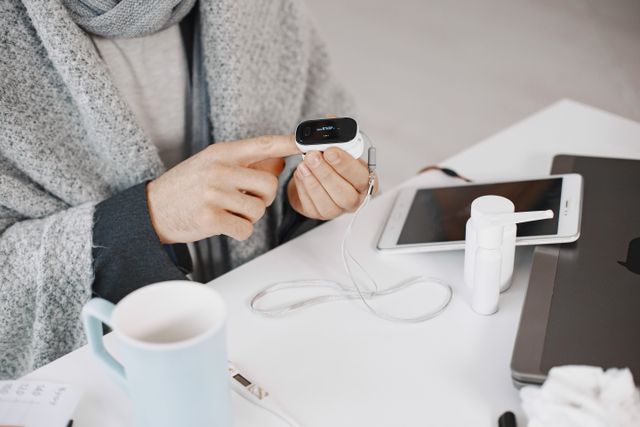
Personal wellbeing is shaped by several interconnected daily behaviours. Nutrition, sleep, physical activity, hydration, stress management and personal hygiene are often treated as separate health responsibilities. In everyday life, however, these activities influence one another. A disruption in one area can create difficulties in another, gradually affecting the consistency of an individual’s overall self-care routine. For example, inadequate sleep may contribute to daytime fatigue, making physical activity less appealing. Reduced activity may then affect daily energy patterns, while a demanding schedule can make it harder to prepare balanced meals or maintain regular eating habits.
These relationships reveal an important limitation in conventional digital wellness applications. Many applications track individual indicators, such as daily steps, sleep duration, calorie intake or water consumption. Although these measurements can provide useful information, they may not explain how changes in one behaviour influence other aspects of wellbeing. A person may receive a notification about insufficient physical activity without understanding that the underlying difficulty is connected to irregular sleep, work pressure or an inconsistent meal schedule.
Self-Care Dependency Mapping explores how artificial intelligence could identify these relationships and represent them as interconnected behavioural networks. Instead of examining each health habit independently, AI could investigate how one neglected activity is associated with changes in other daily routines. It could help identify patterns in which a disruption in sleep coincides with reduced exercise, irregular nutrition and greater difficulty managing everyday responsibilities.
For vegetarian nutrition and general wellness, this approach could provide a broader understanding of how meal planning, food quality, hydration, sleep and physical activity interact. Its purpose would not be to blame one neglected habit for every health difficulty, but to identify possible connections and help individuals understand where practical changes may improve several aspects of their daily routines.
Understanding Self-Care as an Interconnected System
Self-care is frequently organised into separate categories because each activity has its own measurable characteristics. Nutrition can be assessed through dietary records, physical activity through movement tracking, sleep through duration and timing, and hydration through estimated fluid intake. However, the human body does not operate through isolated systems. Physiological processes, daily schedules and behavioural decisions are connected.
Consider an individual who regularly sleeps late because of professional responsibilities. The immediate effect may be a reduction in sleep duration. The following morning, the person may experience tiredness and find it difficult to prepare breakfast. This could lead to irregular eating patterns or greater dependence on convenient food options. Later in the day, fatigue may reduce the likelihood of exercising. The resulting changes can influence how the individual organises the next evening, potentially reinforcing the original sleep disruption.
This example illustrates a possible chain of behavioural dependencies. The initial difficulty may occur in one area, but its consequences can extend into several others. Some connections may be direct, while others may emerge through intermediate behaviours, such as scheduling, fatigue, appetite or motivation.
Self-Care Dependency Mapping aims to represent these relationships systematically. AI could use behavioural records and contextual information to identify which activities tend to change together, which disruptions frequently appear before others and which routines may help maintain stability across multiple areas of wellbeing.
What Is Self-Care Dependency Mapping?
Self-Care Dependency Mapping is a proposed AI-based approach to understanding relationships between everyday health behaviours. It treats daily routines as connected elements within a larger system rather than independent activities.
In this model, each behaviour can be represented as a node in a network. Sleep consistency, meal preparation, hydration, exercise, screen use and relaxation may each form separate nodes. Relationships between these nodes represent observed or scientifically supported connections. For example, irregular sleep may be associated with reduced daytime energy, while limited meal preparation time may be associated with greater reliance on convenience foods.
The strength and direction of these relationships would need to be established through appropriate data and research. A relationship observed in one individual may not apply to another. Similarly, two behaviours that change together may be influenced by a third factor rather than directly affecting each other.
AI could analyse these networks to identify recurring patterns and possible points of intervention. If a person repeatedly experiences several self-care difficulties following a change in sleep timing, the system might highlight sleep consistency as an area worth examining. It would not automatically conclude that sleep disruption is the sole cause of the other difficulties.
This distinction is important because dependency mapping should support investigation and informed decision-making, not produce unsupported medical conclusions.
How Neglected Daily Behaviours Can Influence Other Areas of Wellbeing
Sleep Disruption and Its Wider Effects
Sleep is closely connected with physical recovery, attention, emotional regulation and daily functioning. When sleep becomes irregular or insufficient, individuals may experience tiredness, reduced concentration and changes in their ability to maintain planned activities.
A person who repeatedly sleeps late may find it harder to wake at a consistent time, prepare breakfast or exercise before work. Daytime fatigue may also make demanding tasks feel more difficult. These experiences can influence later decisions, including meal choices, screen use and bedtime routines.
AI could examine sleep timing alongside activity records, self-reported energy and meal patterns to identify recurring relationships. It might discover that irregular sleep is consistently followed by reduced physical activity for a particular user. Such a pattern could encourage the individual to review their evening schedule or consider whether other factors are affecting sleep.
However, sleep-related difficulties can have many causes, including medical conditions, medication effects, stress and environmental factors. AI should not assume that changing a routine will resolve persistent sleep problems.
Irregular Nutrition and Daily Energy Management
Nutrition influences the body’s supply of energy and essential nutrients. When meal timing becomes irregular or dietary variety declines, individuals may find it harder to maintain consistent eating patterns. These changes can be particularly relevant when busy schedules reduce opportunities for food preparation.
For example, a person who regularly skips breakfast may later rely on readily available snacks because a proper meal is inconvenient. If this pattern continues, meal planning may become increasingly inconsistent. Limited planning can also make it harder to include a variety of vegetables, pulses, whole grains, fruits, nuts and seeds in daily meals.
AI could investigate relationships between meal timing, food variety, preparation frequency and self-reported energy. It might identify that a person experiences more difficulty maintaining balanced meals during periods of heavy workload. The system could then suggest practical adjustments, such as preparing dal or other pulse-based dishes in advance, keeping fruit and suitable snacks available or choosing simple meals that require less preparation.
Such recommendations should be adapted to individual nutritional requirements, allergies, medical conditions and dietary preferences. A behavioural pattern alone cannot establish whether someone has a nutrient deficiency or another medical problem.
Reduced Physical Activity and Changes in Daily Routines
Physical activity supports cardiovascular fitness, muscular strength, mobility and several aspects of general health. When regular movement decreases, the change may influence other routines, particularly when it is associated with longer periods of sedentary behaviour or reduced daily structure.
For instance, an individual who previously walked after work may stop doing so because of changing office hours. The loss of that regular activity may also remove a familiar transition between professional responsibilities and personal time. The person might spend more time using screens in the evening and find it harder to maintain a consistent bedtime.
AI could compare movement records with daily schedules, sleep information and self-reported energy. It might identify recurring combinations of reduced activity and irregular evening routines. Rather than automatically recommending intensive exercise, the system could suggest manageable opportunities for movement that fit the person’s circumstances and physical capacity.
Inadequate Hydration and Everyday Functioning
Hydration is another daily health behaviour that can be overlooked when people become occupied with work or other responsibilities. Fluid requirements vary according to factors such as climate, physical activity, health status and individual physiology. When fluid intake is inadequate, some individuals may experience thirst, headaches or difficulty concentrating, although these symptoms can have many other causes.
A person who spends long periods working without breaks may also forget to drink water regularly. This may occur alongside skipped meals, extended screen use and reduced physical activity. AI could examine self-reported fluid intake and routine information to identify whether hydration is repeatedly neglected during particular periods.
A practical system might suggest placing water within easy reach or linking drinking breaks to existing daily activities. It should avoid prescribing a universal fluid target without considering individual circumstances, especially for people who have medical conditions requiring fluid restrictions.
How AI Could Build a Self-Care Dependency Map
Collecting Information From Multiple Sources
An AI-based dependency mapping system would need information that reflects everyday behaviour rather than relying on a single health measurement. Relevant inputs could include wearable activity records, sleep estimates, food diaries, hydration logs, personal schedules and voluntary reports about energy, stress and mood.
For example, a user might record meals through a nutrition application, while a wearable device provides estimates of sleep duration and physical activity. A calendar could help identify periods of increased workload, and brief user check-ins could provide context about fatigue or difficulty maintaining routines.
These sources would allow the system to examine how different behaviours change together. However, information collection should remain limited to what is necessary. A person should be able to decide which records to connect, understand how their data is processed and correct information that does not accurately represent their routine.
Creating a Behavioural Dependency Network
Once relevant information is collected, AI could organise the behaviours into a network. Each behaviour would be represented as a node, while connections would indicate observed relationships between them. For instance, sleep consistency could be connected to daytime energy, physical activity and meal preparation.
A simplified example might involve a person whose sleep schedule becomes irregular during demanding work periods. The model could identify that this change is repeatedly associated with reduced morning activity, delayed meals and fewer home-cooked dishes. It could then highlight sleep consistency and workload management as possible areas for further investigation.
Graph-based machine learning could help analyse these interconnected relationships. Such models are designed to process information represented through networks, making them potentially useful for identifying clusters, influential connections and recurring patterns. The network would need to distinguish between observed associations and experimentally established causal relationships.
Identifying High-Influence Behavioural Nodes
Some behaviours may be connected to several other routines. In network analysis, these could be investigated as high-influence or central nodes, although their importance would depend on the structure and evidence supporting the network.
For example, regular meal planning might be associated with food variety, meal timing and reduced dependence on last-minute food choices. Similarly, consistent sleep timing may be associated with morning activity, perceived energy and the ability to follow planned routines.
AI could examine which behaviours are repeatedly connected to multiple difficulties for a particular individual. If one disrupted routine appears alongside several other changes, the system could prioritise it for discussion or further assessment.
However, a highly connected node is not automatically the root cause of a person’s difficulties. It may simply reflect a behaviour that changes alongside several others. Identifying genuine causal influence requires stronger evidence, such as longitudinal observation, controlled interventions or appropriate causal analysis.
Predicting Behavioural Consequences Before They Spread
One possible advantage of dependency mapping is its ability to identify early patterns before several routines become disrupted. Conventional tracking applications may report that a person slept poorly or completed fewer steps. An integrated system could investigate whether these changes are associated with other difficulties and whether the pattern has appeared previously.
For example, if a user repeatedly experiences reduced meal preparation after several nights of irregular sleep, AI could identify this as a recurring relationship. It might then suggest preparing simple meals in advance before a particularly demanding period. If reduced physical activity is repeatedly associated with extended sedentary workdays, the system could recommend short movement breaks that fit the user’s schedule.
Predictive models could estimate the likelihood of certain behavioural changes based on previous patterns. These estimates should remain conditional rather than being presented as certain outcomes. People may respond differently to similar circumstances, and a prediction based on historical data may not accurately represent a future situation.
The system should also avoid generating excessive alerts. Its value would come from identifying a small number of meaningful relationships and translating them into practical suggestions rather than reporting every minor fluctuation.
Personalised Interventions Based on Dependency Patterns
Supporting Nutrition Through Connected Routine Changes
When a person experiences difficulty maintaining a balanced vegetarian diet, the underlying barrier may not be food knowledge. It may be connected to time pressure, sleep disruption, limited meal preparation or unpredictable working hours.
An AI system could examine these relationships and recommend changes that address the broader routine. If the user frequently skips meals after late nights, it might suggest preparing a simple breakfast in advance. If a busy schedule reduces the variety of home-cooked meals, it could recommend a manageable rotation of dishes using pulses, whole grains, vegetables, fruits, nuts and seeds.
This approach would be more context-sensitive than simply recommending additional servings of vegetables or sending generic nutrition reminders. It would consider whether the user has the time, ingredients and energy needed to follow the recommendation.
Coordinating Sleep and Physical Activity
Sleep and physical activity are commonly monitored separately, even though they occupy the same daily time budget and can influence one another. Research using compositional analysis has highlighted the importance of considering sleep, sedentary behaviour and physical activity together because time spent in one activity necessarily affects the time available for others.
AI could use this perspective to investigate how a person’s movement patterns and sleep routines change together. If evening activity repeatedly coincides with delayed bedtimes, the system could help the user evaluate whether a different exercise time would be more practical. If insufficient movement is associated with long periods of desk work, it could suggest brief activity breaks rather than an unrealistic exercise schedule.
Reducing Digital and Cognitive Overload
Digital behaviour can also influence self-care dependencies. Frequent notifications, extended screen use and continuous task switching may compete with time for meals, rest and physical activity. AI could examine voluntarily shared device-use patterns alongside self-reported experiences to identify whether digital interruptions are associated with disrupted routines.
For example, a user may repeatedly delay bedtime while watching videos or browsing social media. The system could suggest a personalised screen-use boundary or a simpler evening routine. It should not assume that all screen time is harmful, since digital devices are also used for education, professional work, communication and health support.
The goal would be to reduce unnecessary friction, not impose strict restrictions on everyday technology use.
Scientific Foundations and Current Research
The idea of examining health behaviours as interconnected systems has support from several areas of public health and behavioural research. Studies increasingly investigate how physical activity, sedentary behaviour, sleep and diet cluster together rather than treating them as entirely separate activities. A 2025 systematic review examined the tracking and changes of these behavioural clusters during childhood and adolescence, highlighting the importance of understanding combinations of health behaviours over time.
Research into digital phenotyping provides another foundation. Digital phenotyping uses information from smartphones and wearable devices to examine patterns of behaviour and health in everyday environments. A systematic review published in Artificial Intelligence Review in 2025 examined machine learning approaches using passive, non-invasive signals collected through these devices. It identified opportunities for monitoring and predicting health-related outcomes, while also highlighting limitations involving data quality and validation.
AI-driven digital behaviour change interventions are also being investigated. A 2024 scoping review found that machine learning, reinforcement learning, natural language understanding and conversational AI were being used to support real-world health behaviours. The review also identified important evidence gaps, including limited generalisability, difficulties establishing causation and insufficient study duration for assessing long-term outcomes.
Together, these research areas provide a foundation for future self-care dependency systems. They do not establish that a complete AI-based dependency map is already capable of diagnosing the causes of everyday health difficulties. Rather, they demonstrate that analysing behavioural relationships and using AI to support personalised interventions are active areas of research.
Challenges in Developing Reliable Dependency Maps
Distinguishing Correlation From Causation
The most important scientific challenge is determining whether one behaviour actually influences another. If irregular sleep and reduced exercise occur together, it does not necessarily mean that sleep disruption caused the decline in activity. Both may be influenced by work pressure, illness or another factor.
A reliable system would need longitudinal data, carefully designed studies and, where appropriate, controlled interventions to investigate these relationships. AI predictions should be presented as possible explanations until causal evidence is available.
Managing Incomplete and Inaccurate Data
Wearables do not capture every movement, food diaries may be incomplete and self-reported energy levels can vary according to memory and personal interpretation. A model that relies too heavily on these records may produce misleading connections.
Systems should communicate uncertainty and avoid presenting incomplete behavioural data as a complete representation of someone’s health. Users should also be able to correct records and explain events that automated monitoring cannot understand.
Respecting Individual Differences
The same behavioural relationship may have different meanings for different individuals. A reduction in physical activity could reflect a demanding schedule, a medical limitation, recovery from illness or a deliberate change in priorities. Similarly, a change in meal timing may be part of a person’s preferred routine rather than evidence of poor nutrition.
AI models must account for individual circumstances and avoid applying universal assumptions to diverse populations. Accessibility, disability, cultural food practices, financial conditions and household responsibilities should be considered when designing recommendations.
Protecting Privacy and Avoiding Excessive Monitoring
A dependency map could contain detailed information about daily schedules, food choices, physical activity, sleep and personal experiences. These records require strong privacy safeguards, informed consent and clear controls over data sharing.
The technology should also avoid turning everyday wellbeing into continuous performance monitoring. People should not feel that every missed walk, irregular meal or late bedtime represents a failure. A supportive system must recognise flexibility, rest and changing personal priorities as normal parts of life.
The Future of AI-Based Self-Care Dependency Mapping
Future AI systems may combine graph-based machine learning, digital phenotyping, wearable sensors and conversational interfaces to develop more comprehensive models of everyday wellbeing. Instead of displaying separate scores for sleep, nutrition and activity, they could show how these areas are connected and how their relationships change over time.
Such systems might eventually help identify recurring patterns that make certain health routines difficult to maintain. They could also support researchers in understanding which behavioural changes are associated with improvements across several areas of wellbeing. For example, a study might investigate whether improving meal-planning consistency also supports more regular eating times and reduces reliance on convenience foods.
The next stage of development will require models that are transparent, explainable and tested across different populations. Researchers will need to establish whether identifying behavioural dependencies leads to better outcomes than conventional health tracking. Long-term studies will also be important for understanding whether personalised recommendations remain useful after the initial period of engagement.
Conclusion
Self-Care Dependency Mapping offers a broader way to understand how everyday health behaviours interact. It recognises that neglected sleep, irregular nutrition, reduced physical activity, inadequate hydration and excessive digital interruptions may be associated with difficulties in other areas of wellbeing. These relationships can create interconnected patterns that are difficult to understand through isolated health measurements.
Artificial intelligence could help investigate these patterns by combining behavioural records, wearable information, personal schedules and self-reported experiences. Through network analysis and predictive modelling, it may identify recurring dependencies, highlight possible points of intervention and support more practical self-care decisions.
For vegetarian nutrition and everyday wellness, this could mean understanding why balanced meal preparation becomes difficult when other routines are disrupted, rather than simply recommending healthier food choices. The ultimate objective is to make health support more connected, contextual and realistic. AI should not assume that one neglected behaviour explains every difficulty. But it can help people and researchers investigate the relationships that shape daily wellbeing.
Online Internship with Certificate
You may be interested

Behavioural Adaptation Saturation: Health reminders stop producing improvements
Anshika Jain - November 13, 2026Digital healthcare platforms increasingly use reminders, notifications and personalised recommendations to encourage healthier daily routines. A nutrition application may remind someone to eat more vegetables, a fitness…

Cognitive Resource Depletion and Eating Decisions: Mental effort changes food choices
Anshika Jain - November 13, 2026Food choices are often influenced by more than hunger, nutritional knowledge or personal preferences. The amount of mental effort a person has already invested in work, study,…
Preventive Action Timing Intelligence: Small health intervention may be more useful
Anshika Jain - November 13, 2026Preventive healthcare is often discussed in terms of major lifestyle changes, comprehensive health programmes and long-term treatment strategies. However, many health-related difficulties develop gradually rather than appearing…
Most from this category

Behavioural Recovery Architecture: AI Design Different Recovery Strategies
Anshika Jain - November 13, 2026
Preventive Behaviour Decay Modelling: Healthy Routines Gradually Disappear
Anshika Jain - November 13, 2026
Personal Biological Variability Fingerprinting: Distinguish Health Changes From Physiological Fluctuations
Anshika Jain - November 12, 2026
Tissue-Level Communication Failures: AI Identify Hidden Disruptions in the Signals
Anshika Jain - November 12, 2026
Behavioural Recovery Architecture: AI Design Different Recovery Strategies
Anshika Jain - November 13, 2026Preventive Behaviour Decay Modelling: Healthy Routines Gradually Disappear
Anshika Jain - November 13, 2026Personal Biological Variability Fingerprinting: Distinguish Health Changes From Physiological Fluctuations
Anshika Jain - November 12, 2026



.png)
Leave a Comment
You must be logged in to post a comment.