
Meal Compatibility Engine That Predicts How Foods Work Together Inside Your Body

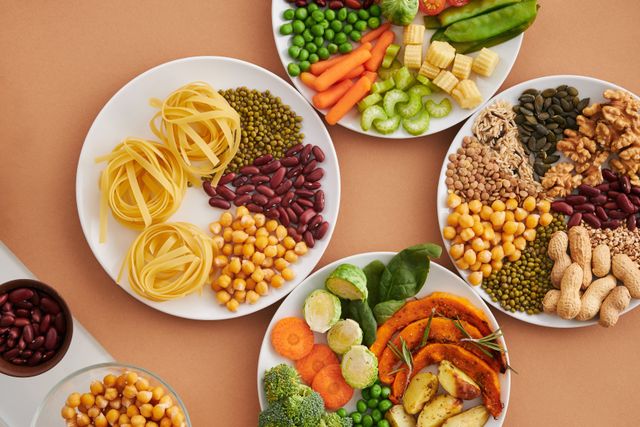
Food is rarely consumed as an isolated ingredient. Most meals combine several foods that interact through digestion, nutrient absorption, metabolism, and other biological processes. A plate containing rice, lentils, vegetables, yoghurt, and spices delivers a combination of carbohydrates, proteins, fats, fibre, vitamins, minerals, and other compounds. The body processes this combination through multiple digestive and metabolic pathways, meaning that the effect of a meal may depend not only on its individual ingredients but also on how those ingredients are combined.
This raises an interesting possibility: could artificial intelligence develop a Meal Compatibility Engine that predicts how different foods work together inside an individual’s body? Instead of evaluating foods separately, such a system could analyse the nutritional composition of complete meals, examine possible interactions between ingredients, and consider personal biological differences. It could help explain why two meals with similar calorie values may produce different digestive experiences or metabolic responses.
Traditional nutrition tools generally focus on calories, macronutrients, ingredients, and recommended daily intake. These measurements are useful, but they do not fully describe how food combinations may influence digestion and nutrient availability. A meal compatibility engine would attempt to provide a more integrated view by examining relationships between foods, their nutrients, preparation methods, and individual characteristics.
Although this technology would require substantial scientific research and validation, AI could potentially make personalised nutrition analysis more detailed. Its purpose would not be to declare certain food combinations universally good or bad. Instead, it could investigate how different meals may interact with individual biological systems and provide evidence-based insights into dietary patterns.
Understanding the Concept of a Meal Compatibility Engine
A Meal Compatibility Engine would be an AI-powered system designed to analyse how different ingredients interact within a complete meal and how those combinations may influence an individual’s digestive and metabolic responses. The concept moves beyond the traditional practice of measuring each food item independently.
For example, rice provides carbohydrates, lentils contribute protein and fibre, vegetables supply various micronutrients and plant compounds, and yoghurt adds protein and other nutrients. When these foods are consumed together, their combined nutritional composition may influence digestion, the speed at which nutrients become available, and the overall characteristics of the meal.
The system would examine these relationships using nutritional databases, food composition information, scientific research, and personal dietary records. It could identify combinations that provide complementary nutrients, examine factors that influence nutrient absorption, and estimate how meal composition may affect post-meal responses.
Compatibility would not mean that every food must be combined according to a strict formula. Human digestion is naturally capable of processing mixed meals. Instead, the system would explore whether particular combinations have meaningful nutritional or physiological characteristics.
The most advanced version could also consider individual differences. A meal that is comfortable for one person may cause digestive discomfort for another because of differences in food tolerance, gut health, eating habits, and other factors. Personalisation would therefore be central to the engine’s design.
Why Food Combinations Matter in Human Nutrition
The nutritional value of a meal depends on more than the presence of individual nutrients. The way foods are combined can influence nutrient availability, digestion, and the overall quality of a diet.
One example is the relationship between vitamin C and non-haem iron, which is found in plant-based foods such as lentils, beans, and leafy vegetables. Consuming vitamin C-rich foods alongside plant sources of iron can improve non-haem iron absorption. A meal compatibility engine could recognise this relationship and identify combinations that may support nutrient availability.
Another example involves dietary fat and fat-soluble vitamins. Vitamins A, D, E, and K are fat-soluble, and consuming them as part of a meal containing some dietary fat can support their absorption. An AI system could analyse the composition of a meal and explain how its ingredients contribute to this nutritional relationship.
Fibre also influences the characteristics of a meal. Foods containing fibre can affect digestion and the rate at which carbohydrates are absorbed. The amount and type of fibre, the structure of the food, and the overall composition of the meal may influence the post-meal response.
These examples demonstrate why analysing an entire meal can provide more useful information than simply listing its ingredients. However, food interactions are complex, and the presence of a theoretically beneficial combination does not guarantee a particular health outcome. AI would need to distinguish well-established nutritional relationships from emerging research and uncertain hypotheses.
How AI Could Analyse Multiple Foods Together
Building a meal compatibility engine would require AI to process different types of nutritional and biological information. The first stage would involve identifying the ingredients in a meal and estimating their nutritional composition. This information could come from food databases, product labels, recipe records, and user-entered meal descriptions.
Computer vision could potentially help identify foods in meal photographs. A user might upload an image of a lunch plate, and an image-recognition model could estimate which ingredients are present. However, photographs cannot reliably reveal exact quantities, hidden ingredients, cooking oils, or preparation methods. Users may need to confirm the system’s interpretation to improve accuracy.
Once the ingredients are identified, AI could map their nutritional characteristics. It could estimate the meal’s carbohydrate, protein, fat, fibre, vitamin, mineral, and other relevant content. It could then compare the ingredients with scientific evidence about known nutrient interactions.
The next stage would involve analysing the complete combination. Instead of evaluating rice, lentils, and vegetables independently, the engine would examine how their nutritional properties overlap and complement one another. It might identify whether the meal contains sources of nutrients that influence the absorption of other nutrients or whether its composition is particularly rich in fibre.
More advanced models could combine this information with personal dietary records and biological measurements. The system might investigate whether certain meal patterns are repeatedly associated with particular digestive experiences or post-meal responses reported by the user.
The quality of these predictions would depend on reliable data and scientific validation. An AI model should not present an estimated interaction as a proven biological effect simply because it identifies a statistical relationship.
The Role of Nutrient Interaction Mapping
Nutrient interaction mapping could become one of the central features of a meal compatibility engine. Nutrients do not always operate independently, and their availability may be influenced by the presence of other dietary components.
For instance, plant foods contain compounds known as phytates, which can reduce the absorption of certain minerals, including iron and zinc. Food preparation methods such as soaking, germination, fermentation, and cooking can influence phytate levels. AI could examine ingredient combinations and preparation methods to estimate how they may affect mineral availability.
Similarly, certain compounds in tea and coffee can reduce non-haem iron absorption when consumed with meals. A meal compatibility system could identify this interaction and explain that the timing of these beverages may matter for individuals concerned about iron intake. Such guidance would need to account for the person’s overall diet and any professional nutritional advice they follow.
Calcium and iron interactions may also be relevant in particular dietary contexts, although their effects depend on the amount consumed, the food matrix, and longer-term dietary patterns. AI could help organise the available evidence and distinguish short-term absorption effects from broader nutritional outcomes.
The challenge would be to avoid simplifying these relationships into rigid rules. Nutrient interactions are influenced by dose, frequency, individual physiology, and the overall diet. A useful engine would communicate the context and limitations of each prediction.
Predicting Individual Digestive Responses
A particularly interesting application would be the ability to understand why different people experience different digestive responses after eating similar meals.
Digestive experiences can vary because of differences in gut function, food tolerance, eating speed, portion size, stress, and other individual factors. Some people may experience discomfort after consuming particular ingredients, while others can eat the same foods without difficulty.
An AI meal compatibility engine could analyse food records alongside voluntary reports of digestive experiences. Users might record symptoms such as bloating, discomfort, or changes in bowel habits, together with information about portion sizes, preparation methods, and meal timings. Over time, the system could identify recurring associations between particular dietary patterns and reported experiences.
For example, it might observe that a user repeatedly reports discomfort after consuming large portions of certain high-fibre foods. However, it should not automatically conclude that the ingredient is the cause. Portion size, food combinations, eating speed, stress, and other factors may contribute.
More advanced systems could incorporate validated clinical information when users choose to provide it. Nevertheless, an AI platform should not diagnose food allergies, intolerances, or digestive disorders. Persistent or severe symptoms require assessment by an appropriate healthcare professional.
The purpose of digestive response mapping would be to help individuals understand patterns and prepare more informed questions for nutrition professionals, not to encourage unnecessary food restrictions.
Understanding the Gut Microbiome and Meal Compatibility
The gut microbiome is another area that could influence future meal compatibility technology. It consists of a diverse community of microorganisms living in the digestive tract. These microorganisms interact with dietary components and contribute to processes such as the fermentation of certain fibres and the production of metabolites.
Different types of dietary fibre can support different microbial activities. Some fibres are fermented by gut microorganisms, producing short-chain fatty acids and other compounds. The response depends on several factors, including the type of fibre, the existing microbial community, and the overall dietary pattern.
An advanced AI engine could combine food composition information with microbiome research to explore how different meal patterns may influence microbial activity. For example, it could examine the relationship between whole grains, legumes, vegetables, and other fibre-containing foods in a person’s diet.
However, microbiome analysis remains scientifically complex. Microbial composition varies considerably between individuals, and a single microbiome test cannot provide a complete explanation of someone’s digestive health. Different testing methods may also produce different results.
A responsible meal compatibility platform would therefore avoid assigning simplistic labels such as universally beneficial or harmful microbiomes. It would focus on well-supported dietary evidence and clearly communicate when predictions are uncertain.
Connecting Meal Compatibility with Blood Sugar Responses
Another potential application involves analysing how different meal combinations relate to post-meal blood glucose patterns. Meals containing carbohydrates, proteins, fats, and fibre can produce different digestive and metabolic responses.
For example, the presence of fibre, protein, and fat may influence the rate at which a meal is digested and how glucose appears in the bloodstream. The type of carbohydrate, food processing, portion size, and preparation method can also affect the response.
AI could combine meal records with glucose measurements from compatible monitoring devices, where available and appropriate. By analysing repeated observations, the system might identify how a particular individual responds to different meal compositions.
For instance, it could compare the user’s recorded glucose patterns after eating a refined-grain meal with patterns after a meal containing whole grains, vegetables, and protein. Such comparisons could provide useful personal observations, but they would not establish that one meal is universally suitable or that a particular food combination prevents disease.
Glucose responses vary between individuals and are influenced by sleep, stress, activity, medication, and other factors. Any system designed for people with diabetes or other medical conditions would require clinical validation and appropriate professional oversight. It should never recommend medication changes or replace an established treatment plan.
Food Preparation and Timing as Part of Compatibility
Meal compatibility is influenced not only by which foods are combined but also by how they are prepared and consumed. Cooking, soaking, fermentation, grinding, cooling, and reheating can change the structure and composition of certain foods.
For example, cooking can make some nutrients more accessible while reducing others. Soaking and germination may influence antinutritional compounds in legumes and grains. Fermentation can change the characteristics of foods through microbial activity and may affect digestibility and nutrient availability.
Food structure is also important. Whole fruit, fruit juice, and processed fruit products may contain similar ingredients but differ in fibre structure and the speed at which they are consumed. An AI system could use preparation details to make its analysis more specific.
Timing could provide another dimension. The relationship between meals, physical activity, sleep schedules, and other daily habits may influence how individuals experience their diets. A system could examine whether certain meal timings are consistently associated with particular self-reported outcomes.
By including preparation and timing, the engine could move beyond simple ingredient matching. It could evaluate the meal as part of a broader eating pattern rather than treating food combinations as isolated chemical formulas.
Creating a Personalised Meal Compatibility Score
One possible feature of this technology would be a personalised compatibility score. Rather than assigning a universal rating to a meal, the system could evaluate several dimensions separately.
It might examine nutritional balance, the presence of complementary nutrients, fibre content, ingredient diversity, and the user’s reported digestive experiences. If reliable personal data is available, it could also investigate associations with selected post-meal measurements.
A meal could therefore receive a positive assessment for nutritional diversity while still being flagged as potentially unsuitable for a person who has reported repeated discomfort after consuming one of its ingredients. Another meal might provide a useful combination of plant-based nutrients but require attention to preparation methods that influence mineral availability.
However, a single score could be misleading if it hides important details. Nutrition is multidimensional, and no numerical rating can represent every biological response. A more useful system would explain why a meal receives a particular assessment and distinguish established nutritional facts from personal predictions.
The score should also avoid moral labels such as good food and bad food. Most foods can fit into different dietary patterns depending on their quantity, frequency, nutritional context, and individual circumstances.
Practical Applications in Everyday Nutrition
A meal compatibility engine could support several everyday nutrition activities. Individuals planning meals might use it to identify combinations that provide a broader range of nutrients. It could also help users understand how preparation methods influence nutritional properties and why certain combinations are discussed in nutrition research.
For students and professionals with busy schedules, the platform could analyse complete meals rather than requiring them to calculate every nutrient manually. It might help identify whether a meal contains sufficient variety or whether an individual’s recorded dietary pattern repeatedly lacks particular food groups.
Vegetarian and plant-based meal planning could be another important application. AI might identify opportunities to combine plant sources of iron with vitamin C-rich foods, include varied protein sources, and improve overall dietary diversity. It could also help users explore different combinations of grains, pulses, vegetables, fruits, nuts, and seeds.
Food service providers and institutional kitchens could potentially use similar technology to evaluate menu variety and nutritional composition. Educational platforms could use meal analysis as a practical learning activity for students studying nutrition, food science, dietetics, and artificial intelligence.
These applications would depend on reliable food databases and appropriate nutritional standards. Personalised recommendations would also need to account for allergies, medical conditions, cultural preferences, dietary restrictions, and individual nutritional requirements.
Challenges in Developing an Accurate Meal Compatibility Engine
Although the concept has considerable potential, developing an accurate system would involve major scientific and technical challenges. The first is the complexity of human digestion. Food is processed through multiple stages involving enzymes, hormones, digestive organs, and microorganisms. The same meal can produce different responses in different individuals.
A second challenge is data quality. Food photographs may not reveal exact portion sizes, cooking ingredients, or preparation methods. Nutritional databases may contain estimated values rather than exact measurements for a particular meal. These limitations could affect the reliability of AI predictions.
Another challenge is distinguishing correlation from causation. If a user repeatedly reports discomfort after eating a certain combination, the system cannot automatically conclude that the combination caused the problem. Other dietary, lifestyle, or health factors may be involved.
Privacy is also essential. Personal meal records, digestive reports, glucose measurements, and microbiome information can reveal sensitive details. Platforms must provide transparent data policies, secure storage, informed consent, and meaningful control over information sharing.
Finally, the system must avoid promoting unnecessary dietary restrictions. Overly confident predictions could encourage people to eliminate nutritious foods without a valid reason. The engine should support balanced eating and refer users to qualified professionals when individual dietary concerns require clinical assessment.
The Future of AI-Powered Personalised Nutrition
Future developments in machine learning, food science, wearable technology, and microbiome research could make meal compatibility engines more sophisticated. Improved food recognition systems may identify ingredients more accurately, while better nutritional databases could provide more detailed information about food composition and preparation.
Advanced models may eventually combine meal records with validated physiological measurements and relevant scientific research. This could help researchers investigate why individuals respond differently to similar meals and identify dietary patterns associated with particular outcomes.
Personalised nutrition platforms may also become more transparent. Instead of presenting a single recommendation, they could explain the evidence behind a predicted interaction, describe its limitations, and show how personal factors influence the result.
The most important progress would come from scientific validation. Researchers would need to test whether AI predictions accurately reflect real digestive and metabolic responses across diverse populations. They would also need to establish which types of personalised recommendations improve dietary understanding without encouraging unnecessary restrictions.
In the longer term, AI could help transform nutrition technology from simple calorie tracking into a more detailed understanding of complete meals and individual responses. Such a development could make food analysis more informative and support better communication between individuals, researchers, and nutrition professionals.
Conclusion
A Meal Compatibility Engine powered by artificial intelligence could offer a new way to understand how different foods work together inside the human body. By analysing nutrient interactions, food preparation, digestive patterns, microbiome research, and selected metabolic responses, AI could move beyond evaluating ingredients independently and begin examining the nutritional characteristics of complete meals.
Its greatest potential would lie in personalisation. Instead of assuming that every individual responds to food in the same way, the system could investigate how different dietary combinations relate to a person’s own experiences and available biological measurements.
However, food compatibility is scientifically complex, and no AI platform can currently predict every digestive or metabolic response with certainty. Reliable databases, clinical research, transparent explanations, and strong privacy protections would be essential. The technology should complement professional nutritional guidance rather than replace it.
As personalised nutrition continues to develop, the focus may gradually shift from asking only what nutrients a food contains to understanding how complete meals interact with the body’s biological processes. An AI-based Meal Compatibility Engine could become an important step towards making nutrition analysis more connected, evidence-based, and responsive to individual differences.
Online Internship with Certificate
You may be interested

Nutritional Redundancy Detector: When Your Diet Repeatedly Depends on the Same Nutrients
Anshika Jain - November 24, 2026A balanced diet is often associated with consuming sufficient amounts of essential nutrients. However, nutritional adequacy is not determined only by whether a person meets daily requirements…

Can AI Identify Hidden Nutritional Trade-Offs When You Replace One Food With Another
Anshika Jain - November 24, 2026Food substitutions are a regular part of everyday eating. People replace white rice with brown rice, regular milk with plant-based alternatives, sugar with artificial sweeteners, butter with…
AI-Powered Portion Adaptation: Could Food Quantities Change Automatically
Anshika Jain - November 24, 2026The amount of food a person needs is not necessarily the same every day. Physical activity, work schedules, sleep, recovery, age, and individual nutritional requirements can influence…
Most from this category

AI Predict Whether Your Next Meal Will Support or Interfere With Your Planned Physical Activity
Anshika Jain - November 24, 2026
Nutritional Adequacy Gap Detection:What Your Regular Meals Consistently Fail to Provide
Anshika Jain - November 24, 2026
Plant Protein Aggregation Dynamics: How Plant Proteins Interact During Food Processing
Anshika Jain - November 20, 2026
Longitudinal Nutritional Evidence Intelligence: Findings from long-term dietary studies
Anshika Jain - November 20, 2026
AI Predict Whether Your Next Meal Will Support or Interfere With Your Planned Physical Activity
Anshika Jain - November 24, 2026Nutritional Adequacy Gap Detection:What Your Regular Meals Consistently Fail to Provide
Anshika Jain - November 24, 2026Plant Protein Aggregation Dynamics: How Plant Proteins Interact During Food Processing
Anshika Jain - November 20, 2026




.png)
Leave a Comment
You must be logged in to post a comment.