
AI-Powered Portion Adaptation: Could Food Quantities Change Automatically

The amount of food a person needs is not necessarily the same every day. Physical activity, work schedules, sleep, recovery, age, and individual nutritional requirements can influence daily energy needs. Someone who spends several hours walking, exercising, or performing physically demanding work may have different nutritional requirements from someone who spends most of the day sitting. Even the same individual may experience significant differences between an active day and a relatively inactive one.
Despite these variations, many people follow fixed meal portions throughout the week. They may consume the same quantity of rice, vegetables, protein, or snacks regardless of whether they have completed an intensive workout or spent the day working at a desk. Although consistent eating routines can be convenient, they may not always reflect changes in daily activity and energy expenditure.
Artificial intelligence could introduce a more adaptive approach to this problem. An AI-powered portion adaptation system could analyse daily movement, exercise intensity, estimated energy expenditure, meal composition, and personal nutritional requirements to suggest appropriate food quantities. Instead of following an identical portion plan every day, individuals could receive meal quantity recommendations that respond to changing physical demands.
This concept could make nutrition planning more dynamic and personalised. It would not simply involve increasing food portions after exercise or reducing them on less active days. A reliable system would also need to consider recovery, nutrient balance, hydration, appetite, and long-term dietary patterns. The objective would be to help individuals maintain nutritional adequacy while adapting food quantities to their changing routines.
Understanding the Concept of AI-Powered Portion Adaptation
AI-powered portion adaptation refers to the use of artificial intelligence to estimate how much food an individual may need under different daily circumstances. The system would analyse relevant information about physical activity, nutritional intake, personal characteristics, and lifestyle patterns before generating portion recommendations.
Traditional meal plans often use fixed quantities based on estimated calorie requirements. These plans can provide structure, but they may not fully account for daily fluctuations in activity. For example, a person might complete a demanding strength-training session on Monday, take a long walk on Tuesday, and spend Wednesday mostly working at a computer. Their physical demands would differ across these days, even though their usual meal schedule might remain unchanged.
An adaptive system would attempt to recognise these differences. It could estimate whether the individual’s activity level has increased or decreased and examine how the change may affect their overall energy requirements. It could then suggest adjustments to food quantities while maintaining an appropriate balance of carbohydrates, protein, fats, fibre, vitamins, and minerals.
Importantly, portion adaptation would not mean automatically increasing or decreasing every food item. Different nutrients perform different functions, and their requirements do not necessarily change in direct proportion to daily movement. The system would need to distinguish between energy requirements, protein needs, recovery considerations, and overall dietary quality.
How AI Could Measure Daily Physical Demands
The first requirement for an adaptive portion system would be understanding how physically demanding a person’s day has been. AI could collect information from wearable devices, smartphones, fitness applications, and manually entered activity records to build a picture of daily movement.
Smartwatches and fitness trackers can record information such as steps, heart rate, activity duration, and estimated calories burned. Some devices also identify activities such as walking, running, cycling, and strength training. An AI system could use these measurements to estimate whether a particular day involved light, moderate, or relatively demanding physical activity.
However, daily physical demands are not limited to formal workouts. A person working in construction, healthcare, retail, agriculture, or delivery services may spend several hours standing, walking, lifting, or moving equipment. Someone who does not visit a gym may still have substantial daily energy requirements because of occupational activity.
AI could therefore combine exercise records with everyday movement patterns. It might recognise that a user completed fewer formal workouts but accumulated considerable physical activity through work. This would provide a more complete assessment than relying only on gym sessions or step counts.
The system could also compare current activity with the user’s usual baseline. A day involving 12,000 steps may be normal for one person but represent a significant increase for another. Understanding these individual patterns would make portion recommendations more meaningful.
Connecting Energy Expenditure With Food Quantities
Energy expenditure is one of the factors that could influence adaptive food portions. The body uses energy to maintain essential functions, process food, and perform physical activity. The amount required varies according to several characteristics, including body size, age, body composition, activity levels, and individual physiology.
An AI system could estimate changes in energy expenditure by combining personal information with activity measurements. If a user completes a longer-than-usual cycling session, the system might estimate that their energy requirements for that day have increased. It could then evaluate whether their existing meal plan provides sufficient energy.
For example, someone who usually follows a moderate activity routine may have a particularly demanding training day. Rather than recommending an identical meal quantity, the system could suggest a suitable adjustment based on the estimated additional energy demand and the person’s overall nutritional plan.
The reverse situation could also be considered. If someone has an unusually inactive day, the system might identify that their energy expenditure is likely lower than normal. However, this would not automatically mean that meals should be reduced substantially. The body continues to require energy and nutrients for essential functions, recovery, and normal biological processes even when physical activity decreases.
AI would therefore need to avoid making extreme adjustments based on short-term activity fluctuations. Its recommendations should reflect reasonable changes within a balanced dietary pattern rather than treating every movement measurement as a reason to change food quantities.
Adapting Carbohydrate Portions to Activity Intensity
Carbohydrates are an important source of energy, particularly during moderate-to-high-intensity physical activity. The body uses glucose for immediate energy and stores additional carbohydrate as glycogen in muscles and the liver. During demanding exercise, these stores can contribute significantly to physical performance.
An AI-based portion system could examine the intensity and duration of planned or completed activities before evaluating carbohydrate portions. A person preparing for a long-distance cycling session may have different carbohydrate requirements from someone completing a short, low-intensity walk.
For example, the system could analyse whether the user’s regular meal plan provides sufficient carbohydrate for a prolonged training session. If it identifies a potential mismatch, it could suggest discussing an appropriate increase in carbohydrate-containing foods, depending on the person’s overall nutritional requirements.
The technology could also consider the timing of carbohydrate intake. Food consumed before activity may serve a different purpose from food consumed after a demanding session. A suitable meal schedule may therefore be more useful than simply increasing the total quantity of carbohydrates without considering when they are eaten.
However, carbohydrate adaptation should not be based solely on step counts or estimated calories burned. Activity intensity, duration, training goals, previous food intake, and individual tolerance all matter. The purpose of AI would be to make these factors easier to evaluate, not to apply a universal carbohydrate formula to every person.
Adjusting Protein Portions for Muscle Maintenance and Recovery
Protein is essential for maintaining and repairing body tissues. It is particularly relevant to people who participate in resistance training, endurance exercise, and physically demanding activities. Adequate protein intake supports muscle maintenance and contributes to recovery following exercise.
An AI-powered system could examine the user’s activity patterns and regular protein intake to identify whether their meal plan consistently provides appropriate quantities. For someone who regularly completes strength-training sessions, it might help distribute protein-containing foods across meals rather than concentrating most of the intake in a single meal.
For example, an individual may consume a protein-rich lunch but have relatively little protein at breakfast and dinner. The system could identify this pattern and suggest ways to improve the distribution of protein throughout the day using suitable foods.
Portion adaptation would also need to consider the difference between short-term activity changes and ongoing training requirements. A single workout does not necessarily justify a dramatic increase in protein portions. Consistent dietary adequacy, total intake, training frequency, and individual needs are more important than reacting to every isolated exercise session.
The system could support people following different dietary patterns by identifying appropriate protein sources from their preferred foods. For vegetarian users, it could consider pulses, dairy products, soy foods, nuts, seeds, and other suitable ingredients when suggesting meal adjustments.
Considering Fat, Fibre, Vitamins, and Minerals
An effective portion adaptation system cannot focus only on calories, carbohydrates, and protein. Dietary fats, fibre, vitamins, and minerals are also essential components of a balanced diet.
Healthy dietary fats contribute to energy intake, cell structure, and the absorption of fat-soluble vitamins. Their importance does not disappear on less active days. Similarly, fibre supports digestive health and contributes to overall dietary quality, while vitamins and minerals participate in numerous physiological processes.
AI could evaluate whether changes in food quantities are creating nutritional imbalances. For instance, reducing the size of a meal simply because physical activity was lower might also reduce the intake of vegetables, whole grains, and other nutrient-rich foods. A well-designed system would aim to preserve nutritional adequacy rather than making indiscriminate reductions.
It could also identify whether a person’s regular meals lack variety. If activity-related adjustments repeatedly reduce certain food groups, the system might highlight the need to maintain a broader range of nutrient sources.
Micronutrient requirements are not generally expected to change in direct proportion to daily calorie expenditure. Therefore, the system should not automatically increase every vitamin or mineral intake after exercise. Instead, it should evaluate overall dietary patterns and identify potential gaps that may require attention.
Using Sleep, Recovery, and Stress to Improve Portion Recommendations
Physical activity is only one part of daily nutritional demand. Sleep, stress, and recovery can also influence appetite, energy levels, exercise readiness, and eating patterns.
An individual who completes an intensive workout after several nights of insufficient sleep may experience a different recovery process from someone who is well rested. Similarly, prolonged stress may influence appetite and food choices, making a purely activity-based portion calculation incomplete.
AI could integrate sleep duration, reported fatigue, recent exercise sessions, and other available lifestyle information to provide more context. If a user has completed several demanding workouts within a short period, the system might recognise the importance of recovery and review whether their regular meals are providing sufficient energy and protein.
It could also distinguish between planned activity and actual activity. Someone may schedule an intensive gym session but complete only a short workout because of fatigue or time limitations. An adaptive system should use recorded activity and user feedback rather than relying entirely on the original schedule.
Stress and sleep measurements should be interpreted carefully. Wearable devices cannot directly establish a person’s complete recovery status, and estimated sleep stages or stress scores may be inaccurate. AI should treat these measurements as supporting information rather than definitive evidence.
How Food Recognition Could Make Portion Adaptation Easier
Manual food tracking can be time-consuming. Users may forget to record meals, underestimate portion sizes, or find it difficult to calculate nutritional values. AI-powered food recognition could make this process more convenient.
A user could photograph a meal, and computer vision technology could identify visible ingredients and estimate their approximate quantities. The system could then compare the meal with nutritional databases to calculate estimated energy and nutrient content.
For example, a photograph of a meal containing rice, dal, vegetables, and curd could be analysed to estimate its components. If the user has planned a physically demanding activity later in the day, the application could compare the meal with the person’s broader nutritional requirements.
Some advanced systems might also integrate recipe information, barcode scanning, restaurant menus, and household food records. This could make portion recommendations more practical across different eating environments.
Nevertheless, image-based portion estimation has limitations. A photograph cannot always reveal the exact quantity of oil, hidden ingredients, cooking methods, or food beneath other ingredients. AI-generated estimates may therefore be inaccurate. Allowing users to correct the recognised foods and quantities would be essential for improving reliability.
A Practical Example of an Adaptive Portion System
Consider an individual who follows a regular meal schedule consisting of breakfast, lunch, an evening snack, and dinner. On most weekdays, the person works at a desk and completes a short evening walk. However, on certain days, the individual attends a gym session or participates in a longer cycling activity.
A fixed meal plan would provide the same portions regardless of these differences. An AI-powered system could instead compare the day’s activity with the person’s normal routine and evaluate whether the existing food quantities remain appropriate.
On a day involving a demanding workout, the application might identify that the user’s carbohydrate intake should be reviewed in relation to the duration and intensity of the session. It could also examine whether the day’s meals provide adequate protein for the person’s broader training routine.
On a less active day, the system might estimate lower energy expenditure but preserve balanced meal structures. It could suggest modest adjustments where appropriate without unnecessarily reducing protein, vegetables, or other nutrient-rich foods.
The user could then provide feedback about hunger, fullness, energy, and digestive comfort. Over time, the application might identify which portion patterns are practical and sustainable for that individual.
This example demonstrates that adaptation is not simply about eating more after exercise and less after inactivity. It involves understanding the entire relationship between food intake, physical demands, recovery, and personal requirements.
The Role of Smart Kitchens and Connected Food Technology
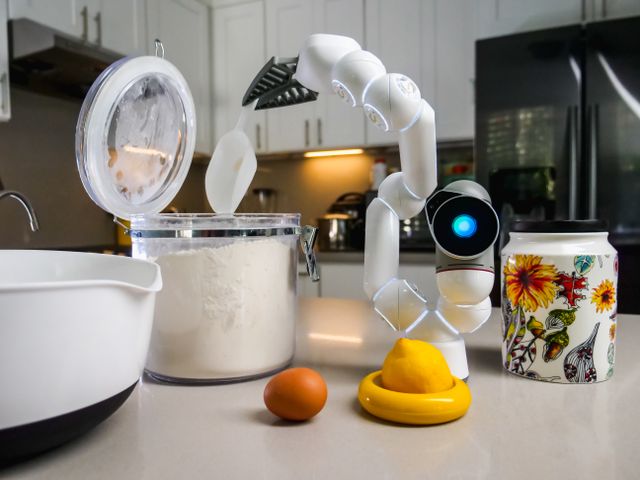
Future AI-powered portion adaptation could extend beyond smartphone applications. Smart kitchen appliances, digital weighing scales, connected food containers, and automated meal-preparation systems may eventually work together to support personalised food quantities.
A connected kitchen system could access a user’s meal plan and activity information before preparing food. It might adjust recipe quantities, recommend suitable serving sizes, or display nutritional estimates for different portions.
For example, a household preparing a shared meal could use AI to estimate different serving recommendations for family members with different activity patterns and nutritional requirements. The meal itself could remain the same, while the suggested quantities of particular ingredients or food components could vary.
Digital food scales could also connect with nutritional databases to improve portion accuracy. When users weigh ingredients, the system could calculate estimated nutritional values and compare them with the person’s dietary plan.
However, automated food preparation should remain under user control. People have preferences, cultural eating habits, appetite variations, and practical constraints that cannot be fully understood through activity measurements alone.
Benefits for Fitness, Work, and Everyday Nutrition
AI-powered portion adaptation could be useful for people whose physical demands change frequently. Office workers who exercise after work could receive meal suggestions that reflect their training schedules. Students balancing classes, sports, and daily routines could use adaptive planning to understand how their food intake relates to different activity levels.
People involved in physically demanding occupations could also benefit. Workers who spend long hours walking, standing, lifting, or performing manual tasks may have energy requirements that differ significantly from those of individuals with mostly sedentary routines. Activity-aware nutrition systems could help them evaluate whether their regular meal portions are appropriate.
Fitness enthusiasts could use the technology to compare food intake with training patterns. Rather than relying entirely on generic calorie targets, they could explore how different meal quantities relate to their exercise schedules and recovery experiences.
For nutrition professionals, these platforms could provide a structured overview of food records and activity patterns. Dietitians could use the information as a supporting resource when discussing dietary adjustments with clients, while retaining responsibility for professional assessment and individualised advice.
Challenges and Limitations of Automatic Portion Adaptation
Despite its potential, AI-powered portion adaptation faces several important challenges. The first is the accuracy of energy expenditure estimates. Fitness trackers and smartphones can provide useful activity information, but their calorie calculations are not precise measurements of an individual’s energy needs.
Food tracking also creates uncertainty. Incorrect ingredient recognition, inaccurate portion estimates, and incomplete meal records can affect the quality of recommendations. If the system receives unreliable information, its output may also be unreliable.
Another challenge is individual variation. Two people completing the same workout may have different energy requirements because of differences in body size, training experience, metabolism, and other factors. Even the same person may respond differently under changing environmental and lifestyle conditions.
There is also a risk of encouraging excessive food monitoring. Some users may become overly focused on adjusting every meal according to daily activity scores. This could create unnecessary anxiety or an unhealthy relationship with food. A responsible platform should promote consistency, flexibility, and balanced nutrition rather than constant optimisation.
Privacy and data security are equally important. Activity records, food photographs, weight information, and wearable measurements can reveal sensitive personal details. Platforms must provide transparent data practices and strong safeguards.
For people with medical conditions, pregnancy, specialised nutritional requirements, or a history of disordered eating, automated portion recommendations may be inappropriate without professional guidance. AI should support qualified care rather than replace it.
The Future of Personalised Nutrition Through AI
The future of portion adaptation may involve increasingly connected nutrition and fitness platforms. AI could combine food recognition, wearable measurements, activity schedules, personal feedback, and nutritional databases to create more responsive meal plans.
Instead of generating a fixed weekly menu, future systems might evaluate daily changes while maintaining long-term nutritional goals. They could identify patterns across several weeks and distinguish between temporary fluctuations and consistent changes in physical demands.
Research into personalised nutrition may also improve how AI interprets differences in dietary responses. Better data and scientific validation could help systems make more useful recommendations about meal composition, portion sizes, and timing.
However, more data does not automatically produce better nutritional advice. The technology will need reliable evidence, transparent recommendations, and safeguards against excessive restriction or unnecessary food adjustments.
The most useful systems will likely combine automation with human judgement. Users should be able to understand why a portion recommendation has changed, correct inaccurate information, and choose whether to follow the suggestion.
Conclusion
AI-powered portion adaptation could transform how people connect everyday eating habits with changing physical demands. By analysing activity levels, exercise intensity, food intake, sleep, recovery, and personal nutritional patterns, AI could help estimate whether daily meal quantities remain appropriate as routines change.
Its value would come from moving beyond fixed portion plans and generic calorie targets. Instead, individuals could receive recommendations that reflect their actual schedules and broader nutritional requirements. This could make meal planning more flexible for students, working professionals, fitness enthusiasts, and people with physically demanding lifestyles.
Nevertheless, automatic portion adjustment must be based on accurate information and responsible nutritional principles. Daily activity measurements are estimates, individual needs vary, and a balanced diet requires more than matching food quantities with calories burned.
As AI and connected fitness technology continue to develop, personalised portion adaptation could become a useful part of everyday nutrition planning. The goal should not be to calculate every bite or constantly change food quantities, but to help people make informed, sustainable decisions that support energy, recovery, and long-term nutritional health.
Online Internship with Certificate
You may be interested

Nutritional Redundancy Detector: When Your Diet Repeatedly Depends on the Same Nutrients
Anshika Jain - November 24, 2026A balanced diet is often associated with consuming sufficient amounts of essential nutrients. However, nutritional adequacy is not determined only by whether a person meets daily requirements…

Can AI Identify Hidden Nutritional Trade-Offs When You Replace One Food With Another
Anshika Jain - November 24, 2026Food substitutions are a regular part of everyday eating. People replace white rice with brown rice, regular milk with plant-based alternatives, sugar with artificial sweeteners, butter with…

AI Predict Whether Your Next Meal Will Support or Interfere With Your Planned Physical Activity
Anshika Jain - November 24, 2026Food and physical activity are closely connected because the body depends on nutrients and energy to perform movement, maintain normal functions, and recover after exertion. However, the…
Most from this category

Nutritional Adequacy Gap Detection:What Your Regular Meals Consistently Fail to Provide
Anshika Jain - November 24, 2026
Meal Compatibility Engine That Predicts How Foods Work Together Inside Your Body
Anshika Jain - November 24, 2026
Plant Protein Aggregation Dynamics: How Plant Proteins Interact During Food Processing
Anshika Jain - November 20, 2026
Longitudinal Nutritional Evidence Intelligence: Findings from long-term dietary studies
Anshika Jain - November 20, 2026
Nutritional Adequacy Gap Detection:What Your Regular Meals Consistently Fail to Provide
Anshika Jain - November 24, 2026Meal Compatibility Engine That Predicts How Foods Work Together Inside Your Body
Anshika Jain - November 24, 2026Plant Protein Aggregation Dynamics: How Plant Proteins Interact During Food Processing
Anshika Jain - November 20, 2026



.png)
Leave a Comment
You must be logged in to post a comment.