
Nutritional Adequacy Gap Detection:What Your Regular Meals Consistently Fail to Provide


Eating regular meals does not necessarily mean that the body receives all the nutrients it needs. A person may follow a consistent eating schedule, consume familiar homemade dishes, and feel satisfied after every meal while still having gaps in their overall nutritional intake. Repeating the same breakfast, lunch, and dinner can provide convenience and routine, but it may also limit dietary variety. Certain vitamins, minerals, proteins, essential fats, and other important dietary components may remain insufficient if the same ingredients and food groups are repeatedly consumed.
Recognising these gaps can be difficult because nutritional adequacy cannot be determined from a single meal or one day’s food intake. The body receives nutrients across different meals and over longer periods, and individual requirements vary according to age, activity, health status, life stage, and other factors. A meal that appears balanced may not provide enough of a particular nutrient when considered as part of someone’s overall dietary pattern.
This creates an opportunity for artificial intelligence to support more detailed nutrition analysis through a concept known as Nutritional Adequacy Gap Detection. An AI-powered system could examine a person’s regular meals, identify recurring nutritional patterns, compare estimated intake with appropriate dietary reference values, and highlight nutrients that may consistently be underrepresented. Rather than simply counting calories, it would focus on what a person’s everyday diet provides and what it may be missing.
Such technology could make nutritional awareness more practical and personalised. However, its reliability would depend on accurate food records, suitable nutritional databases, and scientific interpretation. AI could help identify possible dietary gaps, but it would not independently diagnose nutrient deficiencies or replace professional nutritional assessment.
Understanding Nutritional Adequacy Gap Detection
Nutritional adequacy refers to whether a person’s overall diet provides sufficient amounts of the nutrients needed to support normal body functions. These nutrients include carbohydrates, proteins, fats, vitamins, minerals, fibre, and other dietary components. Their requirements differ depending on individual circumstances, and nutritional balance is generally assessed across an appropriate period rather than through one isolated meal.
Nutritional Adequacy Gap Detection would use artificial intelligence to identify patterns in a person’s eating habits that may repeatedly leave certain nutritional requirements unmet. The system would examine the ingredients, portion sizes, preparation methods, and frequency of meals. It would then estimate the nutritional contribution of those meals and compare the results with relevant dietary reference values.
For example, someone who regularly eats refined grains, limited vegetables, and only a small variety of protein sources may have a dietary pattern that provides insufficient fibre or limited sources of certain micronutrients. Another person may consume plenty of calories but have a repetitive diet that does not provide enough dietary variety.
The important distinction is that the system would focus on recurring patterns rather than judging individual meals. Missing a particular nutrient in one meal does not automatically indicate a nutritional problem. The body receives nutrients from multiple foods throughout the day, and some dietary requirements are better evaluated over longer periods.
A well-designed AI system would therefore look for consistent gaps and explain their possible significance without making unsupported medical conclusions.
Why Regular Meals Can Still Leave Nutritional Gaps
Many people develop eating habits based on convenience, taste, affordability, cultural preferences, and daily schedules. Once a routine becomes familiar, it is often repeated for weeks or months. Although consistency can make meal planning easier, limited variety may reduce the range of nutrients supplied by the diet.
For example, someone may regularly eat the same breakfast and lunch because these meals are easy to prepare. If the meals contain similar grains, vegetables, and protein sources every day, they may repeatedly provide certain nutrients while offering fewer sources of others. The problem may not be the quality of any single food but the lack of variety across the complete dietary pattern.
Another issue is the difference between calorie intake and nutritional adequacy. A person may consume enough energy to meet daily requirements but still have an inadequate intake of certain vitamins, minerals, or essential fatty acids. Calories describe the energy supplied by food, whereas nutritional adequacy concerns the broader range of dietary components needed by the body.
Food preparation can also influence nutritional intake. Cooking, soaking, fermentation, storage, and processing may affect the availability or concentration of certain nutrients. Portion sizes matter as well. A food may be present in a meal but consumed in an amount too small to make a substantial contribution to overall intake.
These factors make nutritional gap detection more complex than simply checking whether a person eats fruits, vegetables, grains, or protein. AI could help examine the frequency, quantity, and variety of foods together to provide a more complete picture.
How AI Could Analyse Regular Eating Patterns
An AI-based nutritional adequacy platform would begin by collecting information about the user’s regular meals. This information could come from manually entered food records, digital meal planners, recipe databases, packaged food labels, or photographs of meals.
Computer vision could help identify visible ingredients in meal photographs. For instance, a user might upload an image of a lunch containing rice, lentils, vegetables, and yoghurt. An image-recognition model could estimate the food categories and suggest possible ingredients. However, photographs cannot reliably reveal exact portion sizes, hidden oils, spices, or preparation methods. Users would need to confirm or correct the system’s interpretation.
Once the ingredients are identified, the AI model could connect them with nutritional databases. It could estimate the amount of energy, protein, carbohydrates, fats, fibre, vitamins, and minerals provided by the meal. Repeated meal records would allow the system to calculate average dietary patterns over time.
The system could then compare these estimates with appropriate nutritional reference values. These comparisons would need to account for individual characteristics, such as age, sex, life stage, activity level, and relevant dietary circumstances. Where necessary, users could provide additional information or consult a qualified nutrition professional.
The most important stage would involve identifying recurring gaps. Rather than highlighting a nutrient that was missing from one meal, AI would examine whether the person’s regular diet consistently provides limited amounts of that nutrient across an appropriate period.
This approach could transform ordinary food records into more meaningful nutritional information.
Identifying Micronutrient Gaps in Everyday Meals
Micronutrients are vitamins and minerals required in relatively small amounts but play important roles in normal body functions. Because they are distributed across different food groups, a repetitive diet may provide some micronutrients regularly while supplying fewer sources of others.
Iron is one example. Plant-based diets can provide iron through lentils, beans, chickpeas, tofu, seeds, and leafy vegetables. However, the amount absorbed by the body depends on several dietary factors. Vitamin C can improve the absorption of non-haem iron, while certain compounds in foods and beverages may reduce its absorption. AI could analyse the presence of plant-based iron sources alongside foods containing vitamin C and identify possible opportunities to improve dietary combinations.
Calcium provides another example. Dairy products, calcium-fortified foods, and selected plant foods can contribute to calcium intake. A person who rarely consumes these foods may have a dietary pattern that provides limited calcium. AI could identify the lack of regular calcium sources and suggest that the user review their food choices with appropriate guidance.
Vitamin B12 is particularly relevant when analysing vegetarian and vegan diets because naturally occurring reliable sources are primarily animal-derived foods. People following fully plant-based diets generally need to use appropriately fortified foods or supplements to meet their requirements. An AI system could identify whether a recorded diet includes reliable sources, but it should not determine an individual’s B12 status without appropriate clinical testing.
Other nutrients, including vitamin D, folate, zinc, iodine, and magnesium, may also deserve attention depending on the person’s diet and circumstances. A useful detection system would consider multiple food sources rather than assuming that one ingredient determines overall adequacy.
Detecting Protein and Essential Fatty Acid Gaps
Protein is required for tissue maintenance, growth, and numerous biological processes. However, simply recording whether a person consumes protein is not enough to understand the quality and distribution of their intake.
An AI system could analyse the variety of protein sources across regular meals. For example, it might identify whether a person’s diet frequently includes pulses, beans, lentils, soy products, dairy foods, nuts, or other suitable sources. It could estimate total protein intake and examine how it is distributed across the day.
The system could also consider individual requirements. People with different activity levels, ages, and health circumstances may have different protein needs. AI should therefore avoid applying one fixed protein target to every user.
Essential fatty acids represent another area where regular meal analysis could be useful. Foods such as flaxseeds, chia seeds, walnuts, and certain vegetable oils provide plant-based omega-3 fatty acids. Some diets may contain adequate total fat but limited sources of particular essential fatty acids.
AI could examine the frequency of these foods and identify patterns that suggest limited dietary variety. It could also distinguish between total fat intake and the types of fats included in the diet.
These assessments would help users understand the composition of their regular meals rather than relying on broad labels such as high-protein or low-fat.
Understanding Fibre and Dietary Diversity
Fibre is an important part of a balanced diet, but its intake can vary considerably depending on food choices. Whole grains, pulses, vegetables, fruits, nuts, and seeds are important sources of dietary fibre. Diets dominated by refined grains and highly processed foods may provide less fibre than diets containing a wider variety of plant foods.
An AI system could examine how frequently different fibre-containing foods appear in a person’s meals. It might identify that the user regularly consumes one type of vegetable but rarely includes legumes, whole grains, or fruit. This could reveal a broader dietary diversity gap rather than a problem with a single ingredient.
Dietary diversity is particularly relevant because different plant foods provide different combinations of fibre, vitamins, minerals, and bioactive compounds. Eating a variety of vegetables, fruits, legumes, and whole grains can help create a more diverse nutritional pattern.
AI could also distinguish between total fibre estimates and the variety of foods contributing to that intake. A person might reach a reasonable fibre intake through a limited number of foods, while another person may obtain fibre from a wider selection of plant sources.
The goal would not be to impose an unnecessarily complicated diet. Instead, the system could help users recognise where small changes in food variety may improve the overall nutritional profile of their regular meals.
Moving Beyond Single-Day Food Tracking
One of the biggest limitations of conventional food tracking is its focus on individual days. A person’s diet can vary considerably between weekdays, weekends, holidays, and periods of increased workload. A single day’s food record may not accurately represent their usual intake.
Nutritional adequacy gap detection would be more useful when it examines patterns over several days or weeks. AI could compare repeated meals, identify foods that appear frequently, and estimate the average contribution of different nutrients.
For example, a user might consume vegetables regularly but eat very little fruit during working days. Their weekend meals may include a wider range of foods. A short-term tracker could overestimate or underestimate the person’s usual intake depending on which days were recorded.
A longer-term system could identify these differences and provide a more balanced assessment. It might also recognise seasonal changes in food choices, shifts in meal preparation habits, or periods when the user regularly skips particular food groups.
This longitudinal approach would help distinguish occasional dietary variation from consistent patterns. It would also reduce the risk of generating unnecessary warnings based on one unusual meal or day.
Creating a Personalised Nutritional Adequacy Profile
A more advanced AI platform could create an individual nutritional adequacy profile based on regular food records and relevant personal information. This profile would describe which nutrients appear consistently represented in the diet and which may require closer attention.
The system could display the estimated contribution of different food groups and highlight recurring gaps. For instance, it might identify that the user’s meals regularly include grains and pulses but contain limited sources of certain fruits, vegetables, or fortified foods.
Personalisation would be essential because nutritional requirements are not identical for everyone. Age, sex, pregnancy, breastfeeding, physical activity, health conditions, and other circumstances can influence dietary requirements. The system would need to use appropriate reference values and clearly explain when its available information is insufficient.
A useful profile would also distinguish between estimated dietary intake and actual nutrient status. Food records can suggest that a person may not be consuming enough of a nutrient, but they cannot independently confirm a deficiency. Blood tests and clinical assessments may be necessary to evaluate certain nutritional concerns.
By making this distinction clear, AI could help users understand the difference between a possible dietary gap and a confirmed medical condition.
How AI Could Recommend Practical Food Improvements
Identifying a nutritional gap is only useful if the information can support practical decisions. An AI-based system could translate its findings into realistic suggestions based on the user’s existing meals, food preferences, budget, and dietary restrictions.
For example, if the system identifies limited plant-based iron sources, it could suggest incorporating suitable foods such as lentils, beans, chickpeas, or leafy vegetables. It could also explain the potential benefit of including vitamin C-rich ingredients in the same meal.
If the system detects limited calcium sources, it could help users explore appropriate dairy or fortified alternatives according to their dietary preferences. Where fibre intake appears low, it might suggest gradually increasing the variety of whole grains, vegetables, fruits, and pulses.
The most effective recommendations would build on familiar foods rather than requiring a complete change in eating habits. A person who regularly prepares Indian meals, for example, could explore adjustments to existing dishes through varied pulses, vegetables, whole grains, seeds, and suitable fortified products.
AI could also help users compare alternative meal combinations. Instead of recommending a single food as a solution, it could explain how different options contribute to the broader nutritional pattern.
However, recommendations would need to avoid excessive supplementation, unnecessary food restrictions, and unsupported claims. Nutritional changes should be appropriate to the individual’s circumstances, and people with medical conditions or confirmed deficiencies should follow professional guidance.
Practical Applications in Daily Life
Nutritional adequacy gap detection could be useful for individuals who want to understand whether their regular meals provide sufficient variety. People who prepare similar meals every day may use it to identify nutrients that are consistently underrepresented and explore practical ways to improve their dietary patterns.
Students and working professionals could benefit from analysing meal records without manually calculating every nutrient. The system could identify recurring habits, such as skipping breakfast, relying heavily on refined foods, or consuming limited vegetables during busy working days.
Vegetarian and vegan users could also use such technology to examine the variety of their nutrient sources. It could help them understand the importance of reliable sources of nutrients such as vitamin B12, iron, calcium, zinc, and omega-3 fatty acids within their dietary patterns.
Nutrition educators and educational platforms could use similar systems to teach food composition, nutrient interactions, and balanced meal planning. Students studying nutrition, food science, health technology, and artificial intelligence could explore how machine learning converts food records into nutritional insights.
Institutional kitchens, food service providers, and meal-planning platforms might eventually use this technology to assess menu diversity and identify possible nutritional gaps across repeated meal schedules.
These applications would be most valuable when AI provides understandable information that users can discuss with qualified nutrition professionals where necessary.
Challenges in Building an Accurate AI Nutrition System
Despite its potential, nutritional adequacy gap detection faces several challenges. The first is the accuracy of food records. Users may forget ingredients, underestimate portion sizes, or leave out cooking oils, sauces, and beverages. Photographs may help identify visible foods but cannot reliably determine their exact nutritional content.
A second challenge is the quality of nutritional databases. Food composition can vary depending on the variety, growing conditions, processing, preparation, and storage methods. An AI system using generic nutritional values may therefore produce estimates that differ from the actual meal.
Individual nutritional requirements create another challenge. Population-level reference values are useful for guidance, but personal requirements can vary. A system must avoid presenting general recommendations as precise individual medical advice.
There is also a distinction between dietary intake and nutrient absorption. A person may consume a certain amount of a nutrient, but the amount absorbed can depend on food combinations, digestive conditions, and other biological factors. Food records alone cannot reveal the complete process.
Privacy and data protection are equally important. Meal records, health information, dietary restrictions, and personal characteristics can reveal sensitive details. Platforms should use secure storage, transparent consent, limited data collection, and clear controls over sharing.
Finally, AI must avoid creating unnecessary anxiety around food. A nutritional gap estimate should not make people believe that every meal must be perfectly balanced or that occasional dietary variation is harmful. The system should encourage sustainable, varied eating patterns rather than unrealistic perfection.
The Future of AI-Powered Nutritional Intelligence
Future developments in artificial intelligence, food recognition, nutritional databases, and digital health monitoring could make nutritional adequacy analysis more detailed. Improved image-recognition models may identify ingredients more accurately, while integrated meal-planning platforms could collect dietary information with less manual effort.
Advanced AI systems may also combine food records with relevant clinical information, microbiome research, and validated physiological measurements. This could help researchers investigate how dietary patterns relate to individual differences in nutrient utilisation and health outcomes.
However, more data does not automatically guarantee more accurate predictions. These systems would need validation across different populations, cuisines, age groups, and dietary patterns. Research would also need to determine whether AI-generated suggestions genuinely improve dietary adequacy without encouraging unnecessary restrictions or excessive supplementation.
In the longer term, nutritional technology could move beyond calorie counting towards a more comprehensive understanding of what regular meals provide over time. Instead of simply showing how much a person eats, AI could help explain which nutritional components appear consistently present and which may be missing from their usual diet.
Conclusion
Nutritional Adequacy Gap Detection could change how people evaluate their everyday eating habits. By analysing repeated meals, ingredient variety, estimated nutrient intake, and personal dietary circumstances, artificial intelligence could identify patterns that conventional food tracking may overlook.
Its greatest advantage would be its focus on consistency. Rather than judging a single meal, an AI system could examine what a person regularly consumes and highlight nutrients or food groups that may be underrepresented across time. It could then suggest practical ways to improve dietary variety and make everyday meal planning more informed.
However, reliable results would depend on accurate food records, high-quality nutritional databases, appropriate dietary reference values, and responsible interpretation. AI could identify possible nutritional gaps, but it could not independently confirm nutrient deficiencies or replace clinical testing and professional advice.
As personalised nutrition technology continues to develop, understanding what regular meals consistently provide may become just as important as understanding what they contain individually. Nutritional Adequacy Gap Detection could help make that understanding more accessible, allowing people to build dietary routines that are varied, balanced, and better informed by their individual needs.
Online Internship with Certificate
You may be interested

Nutritional Redundancy Detector: When Your Diet Repeatedly Depends on the Same Nutrients
Anshika Jain - November 24, 2026A balanced diet is often associated with consuming sufficient amounts of essential nutrients. However, nutritional adequacy is not determined only by whether a person meets daily requirements…

Can AI Identify Hidden Nutritional Trade-Offs When You Replace One Food With Another
Anshika Jain - November 24, 2026Food substitutions are a regular part of everyday eating. People replace white rice with brown rice, regular milk with plant-based alternatives, sugar with artificial sweeteners, butter with…

AI-Powered Portion Adaptation: Could Food Quantities Change Automatically
Anshika Jain - November 24, 2026The amount of food a person needs is not necessarily the same every day. Physical activity, work schedules, sleep, recovery, age, and individual nutritional requirements can influence…
Most from this category

AI Predict Whether Your Next Meal Will Support or Interfere With Your Planned Physical Activity
Anshika Jain - November 24, 2026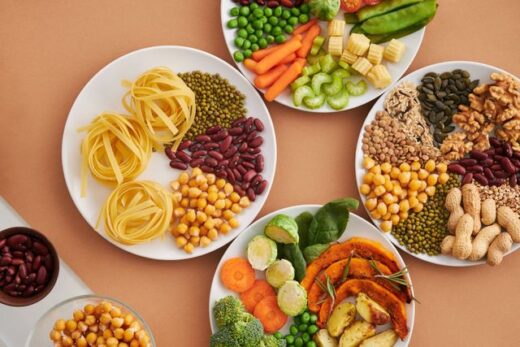
Meal Compatibility Engine That Predicts How Foods Work Together Inside Your Body
Anshika Jain - November 24, 2026
Plant Protein Aggregation Dynamics: How Plant Proteins Interact During Food Processing
Anshika Jain - November 20, 2026
Longitudinal Nutritional Evidence Intelligence: Findings from long-term dietary studies
Anshika Jain - November 20, 2026
AI Predict Whether Your Next Meal Will Support or Interfere With Your Planned Physical Activity
Anshika Jain - November 24, 2026Meal Compatibility Engine That Predicts How Foods Work Together Inside Your Body
Anshika Jain - November 24, 2026Plant Protein Aggregation Dynamics: How Plant Proteins Interact During Food Processing
Anshika Jain - November 20, 2026



.png)
Leave a Comment
You must be logged in to post a comment.