
AI Predict Whether Your Next Meal Will Support or Interfere With Your Planned Physical Activity

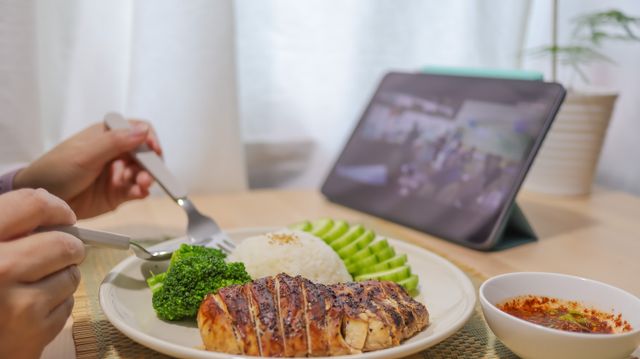
Food and physical activity are closely connected because the body depends on nutrients and energy to perform movement, maintain normal functions, and recover after exertion. However, the relationship between a meal and exercise is more complicated than simply eating before a workout or avoiding food immediately before physical activity. The type of food, portion size, meal timing, digestive comfort, activity intensity, and individual metabolism can all influence how a person experiences exercise.
A meal that works well before a relaxed walk may not be the most comfortable choice before an intense running session. Similarly, a large meal consumed shortly before exercise may cause digestive discomfort for some individuals, while a meal containing appropriate carbohydrates and protein may support energy availability and recovery in other circumstances. These responses also vary between people because their activity levels, food preferences, digestive systems, and nutritional requirements are different.
This raises an interesting question: could artificial intelligence predict whether your next meal will support or interfere with your planned physical activity? An AI-powered system could analyse the nutritional composition of a meal, its timing, the type of exercise planned, recent activity, and personal dietary patterns to estimate how suitable that meal may be for the upcoming physical demand.
Such a system would go beyond traditional calorie tracking. Instead of simply recording what someone eats and how much they exercise, it would examine the relationship between the two. By connecting meal information with activity plans and individual responses, AI could potentially make everyday nutrition and fitness decisions more informed, practical, and personalised.
Understanding the Relationship Between Food and Physical Activity
Physical activity requires energy, and the body obtains that energy through several metabolic processes. Carbohydrates and fats are important energy sources, while protein supports tissue maintenance and repair. Water and electrolytes also contribute to normal physiological functions, particularly during activities involving sweating.
The body’s energy requirements depend on the type, intensity, and duration of physical activity. A short walk generally creates different nutritional demands from a long-distance run or an intensive resistance-training session. The timing and composition of the previous meal may also influence how comfortable and prepared someone feels during exercise.
Carbohydrates are particularly relevant for moderate-to-high-intensity activities because they can provide energy through blood glucose and stored glycogen. Dietary fats also contribute to energy production, particularly during lower-intensity and longer-duration activity. Protein has an important role in recovery and maintaining muscle tissue, although it is not usually the primary fuel for most exercise sessions.
Meal composition can influence digestion as well. Foods containing substantial amounts of fat or fibre may take longer to digest for some individuals. Consuming a large meal close to exercise can sometimes cause discomfort, particularly during activities involving running, jumping, or rapid changes in body position.
These relationships demonstrate why meal planning should consider the upcoming activity rather than treating every meal as an independent nutritional event.
What Is an AI-Powered Meal and Activity Compatibility System?
An AI-powered meal and activity compatibility system would analyse whether a planned meal is appropriate for a particular physical activity at a particular time. Its objective would not be to label foods as universally suitable or unsuitable for exercise. Instead, it would estimate how the combination of meal composition, timing, activity demands, and personal characteristics may influence the user’s experience.
For example, a person planning a morning walk may have different nutritional requirements from someone preparing for a demanding cycling session. A system could analyse the planned duration and intensity, examine the user’s recent meals, and estimate whether additional food or hydration may be relevant.
The technology could also consider the time available for digestion. A meal consumed several hours before exercise may be experienced differently from the same meal eaten shortly before a workout. Portion size, food composition, and individual digestive tolerance would all influence the estimate.
The system could operate through a smartphone application connected to a meal tracker, wearable device, and digital activity planner. Users could enter meals manually, upload food photographs, or select recipes from a nutritional database. AI would then compare the meal’s estimated nutritional characteristics with the requirements of the planned activity.
The result could be a personalised assessment explaining which aspects of the meal may support the activity and which may require consideration. Such predictions would remain estimates rather than guarantees of physical performance.
How AI Could Analyse the Nutritional Composition of a Meal
The first stage of meal and activity prediction would involve identifying what the user plans to eat. AI could use food databases, recipe information, product labels, and image-recognition technology to estimate the nutritional composition of a meal.
For example, a user might upload a photograph of a plate containing rice, lentils, vegetables, and yoghurt. A computer vision model could identify the visible food categories and estimate the likely ingredients. The system could then calculate approximate amounts of carbohydrates, protein, fat, fibre, and other nutrients using nutritional reference databases.
However, image recognition cannot reliably determine exact portion sizes, hidden ingredients, cooking oils, or preparation methods. The system would need users to confirm its estimates or provide additional details to improve accuracy.
After identifying the ingredients, AI could examine the meal’s nutritional profile. It might estimate whether the meal contains a substantial carbohydrate source, whether it provides protein, and whether its fat and fibre content could influence digestive comfort before the planned activity.
The system could also identify the presence of foods that contribute to hydration and micronutrient intake. Although these details may not determine immediate exercise performance, they can contribute to the broader quality of an individual’s diet.
A reliable system would distinguish between estimated nutrient content and actual biological effects. Knowing that a meal contains a particular quantity of carbohydrates does not automatically establish how an individual will perform after eating it.
Predicting Whether Meal Timing Supports Exercise
Meal timing is one of the most important factors an AI system could consider. The body needs time to digest food, and the experience of exercising after a meal can vary according to its size and composition.
A large meal consumed immediately before vigorous exercise may cause discomfort for some people. The digestive system is actively processing food, while physical activity introduces additional demands. Depending on the individual and the type of exercise, this combination may contribute to feelings of fullness, nausea, cramping, or general discomfort.
A smaller snack may be more practical when the time between eating and exercise is limited. Foods that are relatively easy to digest and provide accessible carbohydrates may be suitable for some people before certain activities. However, individual tolerance remains important.
AI could examine the user’s meal history and planned activity schedule to estimate whether the timing is likely to be comfortable. For example, if someone plans a high-intensity workout shortly after a substantial meal, the system might suggest considering a longer interval if their schedule allows and if they have previously reported discomfort under similar circumstances.
It could also learn from repeated user feedback. If a person consistently reports digestive discomfort after eating certain foods shortly before running, the system might highlight that pattern when similar meals are planned.
Such recommendations should remain flexible. There is no single meal-to-exercise interval that is suitable for everyone, and specific guidance depends on activity type, meal size, digestive tolerance, and personal requirements.
Matching Carbohydrate Intake With Activity Demands
Carbohydrates are an important source of energy during many forms of physical activity. They are broken down into glucose, which can be used by the body, while additional carbohydrate is stored as glycogen in muscles and the liver.
The amount of carbohydrate needed depends on the intensity and duration of exercise, the person’s overall diet, and their training status. A short, low-intensity activity may not require the same preparation as a prolonged endurance session.
An AI system could examine the carbohydrate content of the planned meal alongside the activity schedule. For example, it might identify that a meal containing whole grains, fruit, or other carbohydrate sources could contribute to energy availability before a longer workout.
For a person planning a demanding endurance activity, the system might also consider previous food intake and the duration of the session. It could provide general information about carbohydrate availability and suggest consulting established sports nutrition guidance when planning prolonged exercise.
The system would need to avoid treating carbohydrates as automatically beneficial or harmful. Their usefulness depends on context, portion size, activity requirements, and individual circumstances. A meal containing relatively few carbohydrates may be entirely appropriate before a short walk, while a prolonged high-intensity activity may require more careful carbohydrate planning.
Personalisation would help AI explain these differences rather than applying the same recommendation to every workout.
Understanding Protein, Fat, and Fibre Before Physical Activity
Carbohydrates receive considerable attention in exercise nutrition, but protein, dietary fat, and fibre also influence meal composition and the overall eating experience.
Protein supports muscle maintenance, tissue repair, and recovery. Including appropriate protein sources in regular meals can contribute to overall nutritional adequacy, particularly for individuals who exercise frequently. However, consuming a very large quantity of protein immediately before exercise is not necessarily required for every activity.
Dietary fat provides energy and supports the absorption of fat-soluble vitamins. However, meals containing substantial amounts of fat may take longer to digest for some individuals. This can influence comfort when vigorous activity follows soon after eating.
Fibre is important for digestive health and overall dietary quality. Whole grains, vegetables, fruits, pulses, nuts, and seeds contribute fibre to the diet. Nevertheless, a very large or fibre-rich meal immediately before intense exercise may cause digestive discomfort in some people, particularly during running or other high-impact activities.
AI could consider these nutritional characteristics when evaluating a planned meal. It might identify a meal that provides useful protein and fibre for everyday nutrition but may be less comfortable immediately before an intense workout for a user who has reported similar experiences.
The system should not encourage people to avoid healthy foods unnecessarily. Instead, it could help them understand how meal timing and portion size may influence exercise comfort while maintaining a varied and balanced diet.
Learning From Personal Exercise and Digestive Responses
One of the strongest potential advantages of AI would be its ability to learn from an individual’s previous experiences. General sports nutrition guidance provides useful starting points, but personal responses can differ considerably.
A user could record how they feel during and after exercise, including perceived energy, digestive comfort, fatigue, and recovery. The system could connect these reports with meal composition, portion sizes, timing, activity intensity, and duration.
Over time, it might recognise that the user generally feels comfortable exercising after a particular type of breakfast but experiences discomfort after another meal when the interval before exercise is short. It could also identify that certain foods are better tolerated before walking than before running.
The system could compare these observations across several sessions rather than making conclusions from a single experience. It might also recognise that the same meal produces different responses depending on sleep, stress, hydration, and previous physical activity.
However, the AI would need to distinguish between repeated associations and proven causes. If someone feels tired during exercise after a particular meal, the meal may not be responsible. Poor sleep, insufficient hydration, environmental heat, illness, or excessive training could also contribute.
Personal feedback would therefore be valuable, but predictions should remain cautious and transparent.
Connecting Wearable Technology With Meal Prediction
Wearable devices could provide additional information to improve meal and activity compatibility estimates. Smartwatches and fitness trackers can record movement, heart rate, activity duration, and other measurements that help describe an individual’s physical activity patterns.
An AI system could use this information to understand how demanding a planned activity may be compared with the user’s normal routine. It might also examine recent exercise sessions and recovery patterns to determine whether the person has completed several demanding workouts within a short period.
Sleep information could provide further context. If a user has experienced insufficient sleep, the system might recognise that their planned activity is taking place under different circumstances from their usual routine. It could then avoid assuming that the same meal and exercise combination will produce an identical experience.
Some users may also have access to continuous glucose monitoring. With appropriate clinical context and user consent, glucose data could help researchers investigate how different meals relate to post-meal glucose patterns and activity. However, such measurements should not be used by a general fitness application to make unsupported medical predictions or recommend changes to diabetes treatment.
Wearable data is not perfect. Consumer devices can produce inaccurate estimates, and measurements may be influenced by movement, device placement, and environmental conditions. AI should therefore combine several sources of information and communicate uncertainty clearly.
Building a Dynamic Meal and Exercise Recommendation
A practical meal compatibility platform could create a personalised assessment whenever a user plans an activity. It might begin by collecting the planned exercise type, expected duration, approximate intensity, and preferred timing.
The user could then enter a meal or select a recipe. AI would estimate its nutritional composition and consider how much time remains before the activity begins. It could compare this information with previous user experiences and relevant sports nutrition principles.
For example, someone planning a short morning walk may receive a different assessment from someone preparing for a long cycling session. A user planning resistance training may receive information about overall meal composition and protein intake, while someone preparing for endurance exercise may receive more attention to carbohydrate availability and hydration.
The recommendation could explain which aspects of the meal appear suitable and which may require consideration. If the meal is relatively large and the planned activity begins soon, the system might highlight the possibility of digestive discomfort. If the activity is prolonged, it could explain that the meal’s carbohydrate content and the user’s broader food intake may deserve attention.
The system could update its assessment if the user changes the meal, delays exercise, or modifies the planned activity. This would make it more useful than a fixed meal rating.
Practical Applications in Everyday Fitness
AI-based meal and activity prediction could be useful for people with different physical activity routines. Individuals who exercise before or after work could use it to organise meals around limited schedules. Instead of relying on general reminders, they could receive information that considers the timing and intensity of their planned activity.
Students and beginners who are developing fitness habits could use the technology to understand basic relationships between food, energy, and exercise comfort. It might help them recognise that nutrition planning does not require complicated calculations for every workout but should reflect the demands of the activity.
Regular gym users could explore how different meal compositions relate to their training experiences. They might compare meals consumed before resistance training, running, or cycling and use the results to understand their own digestive tolerance and energy patterns.
Sports nutrition professionals could potentially use similar platforms as supporting tools for reviewing food records and discussing meal timing with clients. However, professional judgement would remain necessary, especially for athletes with specialised performance requirements or individuals managing medical conditions.
The system could also be integrated into meal-planning applications, allowing users to evaluate recipes according to their upcoming activity schedules. This could make nutrition planning more connected with everyday fitness routines.
Challenges and Limitations of AI-Based Predictions
Predicting how a meal will influence physical activity is scientifically complex. The same food can produce different responses depending on portion size, preparation, timing, digestive health, training status, and individual metabolism. AI models would need substantial high-quality data to understand these differences.
Another challenge is accurately measuring food intake. Users may enter incomplete information, and photographs may not reveal the exact ingredients or quantities. Errors in meal estimation could lead to inaccurate compatibility predictions.
AI must also distinguish between nutritional recommendations and medical advice. People with diabetes, gastrointestinal conditions, food allergies, kidney disease, or other health concerns may require specialised dietary guidance. A general fitness application should not override their treatment plans or recommend dietary changes without appropriate professional oversight.
There is also a risk of creating unnecessary food anxiety. If an application labels meals as incompatible with exercise, users may begin avoiding nutritious foods or believing that every meal must be optimised for performance. The system should encourage balanced eating and explain that occasional variations in energy and digestive comfort are normal.
Privacy is another important consideration. Meal records, activity patterns, wearable measurements, and health information can reveal sensitive personal details. Platforms must use transparent consent practices, secure storage, and clear controls over data sharing.
The Future of AI-Powered Sports Nutrition Intelligence
Future advances in artificial intelligence, wearable sensors, food recognition, and personalised nutrition research could make meal and activity compatibility systems more sophisticated. Improved image-recognition technology may estimate meal composition more accurately, while larger nutritional databases could provide more detailed information about ingredients and preparation methods.
AI models may eventually combine food records, activity information, sleep patterns, and personal feedback to build more complete predictions. Researchers could investigate how different meal patterns relate to exercise comfort, energy availability, and recovery across different populations.
More advanced platforms might also learn which types of meals are practical for an individual at different times of day. Instead of providing universal recommendations, they could identify patterns that have repeatedly worked well for that person while explaining the limitations of those observations.
Scientific validation would remain essential. Researchers would need to test whether these predictions accurately reflect real-world responses and whether using them improves nutrition planning or exercise experiences. Until then, such systems should be viewed as supportive tools rather than reliable predictors of athletic performance.
Conclusion
AI could potentially make meal and exercise planning more personalised by examining the relationship between food composition, meal timing, physical activity, and individual responses. A meal compatibility system could help users understand whether their next meal is likely to provide suitable energy, support their nutritional needs, or create digestive challenges before a planned activity.
Its greatest advantage would be the ability to connect information that is usually tracked separately. By combining meal records, activity schedules, wearable measurements, and personal feedback, AI could develop a more complete picture of how nutrition and movement interact in everyday life.
However, these predictions would depend on accurate data, scientific validation, and responsible interpretation. No algorithm can guarantee how a person will feel during exercise, and general recommendations may not be suitable for everyone. People with medical conditions or specialised nutritional requirements should continue to follow qualified professional guidance.
As personalised fitness technology evolves, the next step may be to move beyond simply tracking what people eat and how much they exercise. AI could help explain how these two activities work together, allowing individuals to make more informed decisions about meal timing, exercise preparation, and everyday nutrition.
Online Internship with Certificate
You may be interested

Nutritional Redundancy Detector: When Your Diet Repeatedly Depends on the Same Nutrients
Anshika Jain - November 24, 2026A balanced diet is often associated with consuming sufficient amounts of essential nutrients. However, nutritional adequacy is not determined only by whether a person meets daily requirements…

Can AI Identify Hidden Nutritional Trade-Offs When You Replace One Food With Another
Anshika Jain - November 24, 2026Food substitutions are a regular part of everyday eating. People replace white rice with brown rice, regular milk with plant-based alternatives, sugar with artificial sweeteners, butter with…
AI-Powered Portion Adaptation: Could Food Quantities Change Automatically
Anshika Jain - November 24, 2026The amount of food a person needs is not necessarily the same every day. Physical activity, work schedules, sleep, recovery, age, and individual nutritional requirements can influence…
Most from this category

Nutritional Adequacy Gap Detection:What Your Regular Meals Consistently Fail to Provide
Anshika Jain - November 24, 2026
Meal Compatibility Engine That Predicts How Foods Work Together Inside Your Body
Anshika Jain - November 24, 2026
Plant Protein Aggregation Dynamics: How Plant Proteins Interact During Food Processing
Anshika Jain - November 20, 2026
Longitudinal Nutritional Evidence Intelligence: Findings from long-term dietary studies
Anshika Jain - November 20, 2026
Nutritional Adequacy Gap Detection:What Your Regular Meals Consistently Fail to Provide
Anshika Jain - November 24, 2026Meal Compatibility Engine That Predicts How Foods Work Together Inside Your Body
Anshika Jain - November 24, 2026Plant Protein Aggregation Dynamics: How Plant Proteins Interact During Food Processing
Anshika Jain - November 20, 2026




.png)
Leave a Comment
You must be logged in to post a comment.