
Nutritional Redundancy Detector: When Your Diet Repeatedly Depends on the Same Nutrients


A balanced diet is often associated with consuming sufficient amounts of essential nutrients. However, nutritional adequacy is not determined only by whether a person meets daily requirements for protein, carbohydrates, fats, vitamins, and minerals. The variety of foods supplying those nutrients also matters. Someone may consume enough calories and appear to meet several nutritional targets while relying on a relatively narrow selection of ingredients every day. For example, a person might obtain most of their protein from dairy products, carbohydrates from refined grains, and vegetables from only two or three familiar options.
This pattern may not immediately create a nutritional deficiency, but it can reduce dietary diversity and make eating habits less resilient. Different foods provide different combinations of nutrients, fibre, and naturally occurring compounds. When a diet repeatedly depends on the same ingredients, certain nutritional sources may become overrepresented while other valuable food groups receive little attention. The issue is not necessarily that familiar foods are unhealthy, but that excessive dependence on a limited range of foods can make the overall diet less varied.
Artificial intelligence could help identify these patterns through a concept called a nutritional redundancy detector. Such a system would analyse repeated meals, ingredient records, food groups, and nutrient contributions to determine whether a person’s diet consistently relies on the same nutritional sources. Instead of checking only whether daily nutrient targets are met, it would examine how those nutrients are obtained and whether the diet contains sufficient variety.
This technology could introduce a more detailed approach to personalised nutrition. It could help people recognise repetitive food habits, understand where their nutrients come from, and explore practical ways to diversify their meals without unnecessarily removing familiar foods.
Understanding Nutritional Redundancy in Everyday Diets
Nutritional redundancy occurs when a diet repeatedly depends on the same foods, ingredients, or nutrient sources, even when other suitable options could provide greater dietary variety. It is important to distinguish this concept from eating the same meal occasionally or following a consistent dietary routine. Repetition can make meal planning easier, reduce food waste, and support regular eating habits. The concern arises when the repeated pattern becomes so narrow that important food groups and nutrient sources are consistently overlooked.
For example, someone may consume milk, paneer, and yoghurt as their primary sources of protein and calcium while rarely eating pulses, beans, nuts, or seeds. These dairy foods can contribute useful nutrients, but relying almost entirely on them may limit exposure to other food sources that provide different combinations of fibre, minerals, and plant compounds.
A similar pattern may occur when a person obtains most of their carbohydrates from bread and rice while rarely consuming whole grains, fruits, or legumes. Their total carbohydrate intake may be adequate, but the variety of fibre and micronutrient sources may remain limited.
Nutritional redundancy is therefore not simply about counting how many times a person eats a particular food. It involves understanding the concentration of dietary sources and examining whether the overall pattern provides sufficient diversity.
Why Meeting Nutrient Targets Does Not Always Mean Having a Diverse Diet
Traditional nutrition tracking often focuses on nutrient quantities. Applications may estimate daily protein, carbohydrate, fat, fibre, and calorie intake and compare them with general nutritional targets. This information can be useful, but it may not reveal how dependent the diet is on a small number of foods.
Consider a person who meets their estimated protein requirement mainly through eggs and dairy products. Their protein intake may be adequate, but the system may not highlight that legumes, soy foods, nuts, and seeds are rarely included. These alternatives provide different nutritional combinations and can contribute to greater dietary variety.
The same issue can occur with micronutrients. A person may obtain certain vitamins and minerals from fortified foods or a limited group of ingredients. Although these sources may contribute meaningfully to nutritional adequacy, the overall diet could still lack variety across vegetables, fruits, whole grains, and other food groups.
An AI-powered detector could address this limitation by analysing both nutrient quantities and food-source diversity. It would examine whether the same ingredients repeatedly provide a large proportion of a person’s nutrient intake. This would create a more complete picture of dietary habits than a nutrient dashboard alone.
How an AI Nutritional Redundancy Detector Could Work
An AI nutritional redundancy detector would begin by collecting information about the foods a person consumes over time. Users could record meals manually, scan packaged products, photograph dishes, or connect supported food-tracking applications. The system could use food recognition and natural-language processing to identify ingredients and estimate their nutritional composition.
After identifying foods, the platform could organise them into categories such as grains, pulses, vegetables, fruits, dairy products, plant-based protein sources, nuts, and seeds. It could then connect these categories with food composition databases to estimate their contributions to daily and weekly nutrient intake.
The next stage would involve analysing repetition. Instead of evaluating one meal in isolation, the system would examine several days or weeks of dietary records. It could identify whether the same ingredients repeatedly dominate meals or whether particular food groups are rarely represented.
For example, an application might discover that a user’s protein intake comes primarily from three foods, while most of their fibre comes from a single grain source. It could then explain that the diet has a concentrated pattern and suggest exploring other suitable sources.
The system would not automatically label such a pattern as unhealthy. It would distinguish between normal repetition, practical dietary preferences, and persistent dependence that may deserve attention. Its purpose would be to provide insight rather than impose unnecessary food restrictions.
Detecting Overdependence on Specific Protein Sources
Protein is one of the most useful areas for examining nutritional redundancy because people often rely on a small number of familiar protein-rich foods. Someone following a vegetarian diet may repeatedly consume paneer, milk, and yoghurt, while another person may depend heavily on eggs or a particular type of lentil.
An AI system could calculate the approximate contribution of different food sources to total protein intake. It could identify whether a single ingredient or food category supplies a particularly large proportion of daily protein over an extended period.
For instance, if most protein comes from dairy products, the platform could highlight other suitable options such as chickpeas, kidney beans, lentils, soybeans, tofu, nuts, and seeds. These foods offer different combinations of protein, fibre, fats, and micronutrients.
The detector could also consider the user’s dietary preferences, food availability, and cooking habits. A person who follows a vegetarian diet should not receive recommendations that assume meat or fish consumption. Instead, the system could suggest realistic alternatives within the person’s preferred eating pattern.
The objective would not be to eliminate a person’s preferred protein source. It would be to help them understand how different foods contribute to overall nutrition and make dietary variety easier to achieve.
Identifying Repetitive Carbohydrate and Fibre Sources
Carbohydrates are another major area where dietary patterns can become repetitive. Many individuals consume rice, wheat-based foods, or refined flour products in several meals each day. These foods can form part of a balanced diet, but relying on a narrow range of carbohydrate sources may reduce the variety of fibre and micronutrients available.
An AI detector could examine the types of grains, fruits, vegetables, and legumes present in a person’s diet. It could identify whether whole grains and fibre-rich foods are consistently missing or whether most dietary fibre comes from only one or two ingredients.
For example, someone might obtain nearly all their fibre from wheat-based foods while rarely consuming beans, oats, vegetables, fruits, or seeds. The system could highlight this concentration and explain how introducing other suitable sources may broaden the dietary pattern.
It could also distinguish between total fibre intake and fibre diversity. Meeting an estimated fibre target does not necessarily mean that a person consumes a wide range of fibre-containing foods. Different plant foods contain different fibre structures and naturally occurring compounds, so variety can contribute to a broader dietary pattern.
However, the detector should avoid suggesting that every meal needs multiple grain or fibre sources. The focus should remain on the overall eating pattern across several days or weeks.
Tracking Micronutrient Sources and Hidden Dietary Gaps
Micronutrients are particularly important when examining nutritional redundancy because different foods supply different combinations of vitamins and minerals. A diet may contain adequate amounts of certain nutrients while relying on only a limited number of sources.
For example, someone may obtain most of their calcium from dairy products but consume very few calcium-containing plant foods. Another individual may depend heavily on fortified breakfast cereals for certain vitamins and minerals while rarely eating a diverse selection of fruits and vegetables.
AI could analyse these patterns by connecting food records with nutrient databases. It could estimate which foods contribute to calcium, iron, zinc, magnesium, vitamin A, vitamin C, folate, and other nutrients. The system could then identify whether the same food sources repeatedly account for most of the estimated intake.
This would be particularly useful for recognising potential weaknesses that are not obvious from calorie tracking. A person may consume enough energy and protein but still have a limited range of micronutrient sources.
However, estimated food intake cannot establish whether someone has a clinical nutrient deficiency. Nutrient absorption, individual requirements, health conditions, and other factors influence nutritional status. The detector should therefore describe possible dietary gaps rather than make medical diagnoses.
Measuring Food Diversity Instead of Simply Counting Ingredients
A sophisticated nutritional redundancy detector would need to measure more than the number of different foods consumed. Eating ten products that all belong to similar food categories may provide less dietary diversity than eating a smaller number of foods from distinct groups.
AI could classify foods according to their nutritional composition and food-group characteristics. It could examine whether a person’s diet includes a reasonable range of grains, pulses, vegetables, fruits, dairy or suitable alternatives, nuts, and seeds.
The system might also examine how frequently particular ingredients appear. If a person eats several types of vegetables but repeatedly relies on only one leafy vegetable, the platform could recognise that the overall variety is still concentrated.
A more advanced model could calculate food-source concentration scores. Such scores could estimate how much of a person’s nutrient intake comes from a small number of ingredients. A high concentration score would indicate that a nutrient depends heavily on a limited selection of foods, while a more distributed pattern would suggest greater source diversity.
These measurements would need careful validation because no single diversity score can represent every aspect of dietary quality. Nevertheless, they could make repetitive patterns easier to identify and explain.
A Practical Example of Nutritional Redundancy Detection
Imagine an individual who follows a regular vegetarian meal routine. Breakfast usually consists of milk and bread, lunch includes rice, dal, and one vegetable, while dinner often contains chapati, paneer, and curd. The person also eats a limited selection of fruits and rarely includes nuts, seeds, or different types of legumes.
At first glance, this diet may appear reasonably balanced. It contains carbohydrates, protein, vegetables, and dairy products. A basic nutrition application might show that several estimated daily nutrient targets are being met.
However, an AI nutritional redundancy detector analysing four weeks of food records might discover that most protein comes from paneer, milk, and one type of dal. Calcium intake may depend heavily on dairy, while fibre comes mainly from wheat and a small selection of vegetables. The system might also identify that fruit and nut consumption is inconsistent.
Instead of declaring the diet unhealthy, it could explain the concentration of food sources and suggest gradual changes. The individual might introduce chickpeas or soy foods on certain days, include different seasonal vegetables, add suitable fruits, and occasionally use seeds or nuts as part of meals.
These changes would not require abandoning familiar dishes. They would expand the range of ingredients while preserving the person’s existing food preferences.
This example shows how AI could identify patterns that may remain invisible when nutrition is evaluated meal by meal.
Using AI to Recommend Food Variety Without Disrupting Existing Habits
Identifying repetitive food patterns is only useful if the system can translate its findings into practical suggestions. An AI detector could connect its analysis with meal-planning tools to recommend alternatives that fit the user’s routine.
For example, if a person’s meals depend heavily on one grain, the application could suggest incorporating oats, millets, or other whole grains where suitable. If protein intake comes mainly from dairy, it could recommend adding lentils, beans, chickpeas, or soy-based dishes.
The system could also consider regional food preferences, seasonal availability, cooking time, and affordability. In India, for instance, a vegetarian meal plan could incorporate different dals, rajma, chana, sprouts, seasonal vegetables, millets, curd, and nuts without requiring expensive speciality products.
An effective recommendation engine would also recognise that variety does not mean changing every meal every day. Small, gradual substitutions may be easier to maintain than a completely redesigned diet.
The system could allow users to choose how frequently they want to introduce new ingredients and provide alternatives based on foods they already enjoy. This would make dietary diversification more realistic and less restrictive.
Applications in Personalised Nutrition and Preventive Food Planning
Nutritional redundancy detection could support several areas of everyday nutrition planning. Individuals could use it to understand repetitive eating habits, while families could examine whether household meals rely on a narrow range of ingredients.
Fitness enthusiasts could use the technology to assess whether their protein, carbohydrate, and micronutrient sources remain varied across training and recovery periods. Students and working professionals with busy schedules could identify whether convenience-based eating has caused them to depend too heavily on a small number of packaged meals.
Nutrition professionals could also use such systems as supporting tools during dietary assessments. A longer-term record of food-source concentration may help dietitians understand not only how much a client eats, but also where their nutrients come from.
Food companies and digital meal-planning platforms may eventually use similar technology to develop more diverse recipe recommendations. Instead of simply suggesting meals based on calorie targets, applications could consider the ingredients a user has consumed repeatedly and recommend different food combinations.
These applications could make nutritional diversity a more visible part of personalised food planning.
Challenges and Limitations of AI-Based Nutritional Redundancy Detection
Despite its potential, an AI nutritional redundancy detector would face several challenges. The first is the accuracy of food records. Users may forget to record snacks, underestimate portions, or fail to mention ingredients used during cooking. Photograph-based food recognition may also struggle with mixed dishes, hidden ingredients, and similar-looking foods.
Food composition databases can contain variations depending on preparation methods, regional ingredients, and product formulations. A home-cooked dal, for example, may have different nutritional values depending on the ingredients, oil, and cooking quantities used. An AI system must account for this uncertainty rather than present every estimate as exact.
Another challenge is defining excessive dependence. Some people may rely on a limited number of foods because of allergies, cultural preferences, affordability, or medical dietary restrictions. A narrow food selection is not automatically evidence of poor nutrition. The system must consider the individual’s circumstances before suggesting changes.
There is also a risk of encouraging unnecessary food variety. Users should not feel that they must consume a completely different ingredient every day to maintain good health. Consistency can be beneficial, and a familiar diet can remain nutritionally adequate when it includes suitable food sources.
Privacy is equally important. Food records can reveal personal habits, health concerns, religious or cultural preferences, and lifestyle patterns. Platforms should explain how dietary information is stored and processed and provide appropriate data protection.
Finally, AI should not diagnose nutrient deficiencies or replace professional dietary assessment. Its role should be to identify patterns and provide educational insights that can support informed food choices.
The Future of AI-Powered Nutritional Diversity Analysis
Future nutrition applications could combine food recognition, wearable information, grocery records, recipe databases, and personalised dietary profiles to develop more detailed nutritional diversity assessments. Rather than analysing only the foods consumed today, these platforms could identify long-term patterns across several weeks or months.
An advanced system might recognise that a person consistently meets their protein target but relies on the same two sources. It could identify that fibre intake is adequate but comes mainly from one grain, or that vegetable consumption is regular but lacks variety across different categories.
Future systems could also evaluate the combined effect of several dietary substitutions. If a user changes multiple ingredients over time, AI could examine whether the new pattern improves diversity or creates greater dependence on another limited set of foods.
Integration with grocery applications could make the process more practical. A system might analyse a household’s usual purchases and recommend alternative ingredients that fit its budget and dietary preferences. Meal-planning platforms could then use these insights to introduce variety gradually.
As nutritional databases and AI models improve, these tools may become increasingly useful for explaining the relationship between food diversity, nutrient sources, and long-term dietary patterns. Their success will depend on scientific validation, transparent recommendations, and the ability to respect individual food choices.
Conclusion
A diet can appear nutritionally adequate while repeatedly depending on the same ingredients and food sources. Although familiar meals provide convenience and consistency, excessive dependence on a narrow selection of foods may limit dietary diversity and reduce opportunities to obtain different combinations of nutrients and naturally occurring food compounds.
An AI-powered nutritional redundancy detector could address this overlooked aspect of nutrition by analysing repeated meals, identifying concentrated nutrient sources, and examining how different food groups contribute to overall intake. It could help people understand whether their protein, fibre, vitamins, and minerals consistently come from a limited range of ingredients.
The technology would be most useful when it provides practical recommendations rather than encouraging unnecessary dietary restrictions. It could help individuals diversify familiar meals, discover affordable alternatives, and build more flexible eating patterns while respecting cultural preferences and personal requirements.
As personalised nutrition technology advances, nutritional redundancy detection could become an important part of intelligent meal planning. Its central purpose would be to help people look beyond the question of whether they are eating enough nutrients and understand whether they are obtaining those nutrients from a sufficiently varied and balanced range of foods.
Online Internship with Certificate
You may be interested

Can AI Identify Hidden Nutritional Trade-Offs When You Replace One Food With Another
Anshika Jain - November 24, 2026Food substitutions are a regular part of everyday eating. People replace white rice with brown rice, regular milk with plant-based alternatives, sugar with artificial sweeteners, butter with…

AI-Powered Portion Adaptation: Could Food Quantities Change Automatically
Anshika Jain - November 24, 2026The amount of food a person needs is not necessarily the same every day. Physical activity, work schedules, sleep, recovery, age, and individual nutritional requirements can influence…

AI Predict Whether Your Next Meal Will Support or Interfere With Your Planned Physical Activity
Anshika Jain - November 24, 2026Food and physical activity are closely connected because the body depends on nutrients and energy to perform movement, maintain normal functions, and recover after exertion. However, the…
Most from this category

Nutritional Adequacy Gap Detection:What Your Regular Meals Consistently Fail to Provide
Anshika Jain - November 24, 2026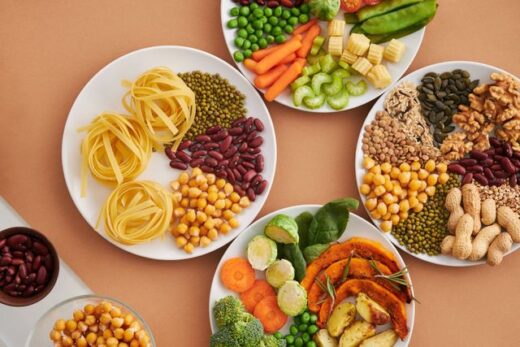
Meal Compatibility Engine That Predicts How Foods Work Together Inside Your Body
Anshika Jain - November 24, 2026
Plant Protein Aggregation Dynamics: How Plant Proteins Interact During Food Processing
Anshika Jain - November 20, 2026
Longitudinal Nutritional Evidence Intelligence: Findings from long-term dietary studies
Anshika Jain - November 20, 2026
Nutritional Adequacy Gap Detection:What Your Regular Meals Consistently Fail to Provide
Anshika Jain - November 24, 2026Meal Compatibility Engine That Predicts How Foods Work Together Inside Your Body
Anshika Jain - November 24, 2026Plant Protein Aggregation Dynamics: How Plant Proteins Interact During Food Processing
Anshika Jain - November 20, 2026




.png)
Leave a Comment
You must be logged in to post a comment.