

Nutrigenomics: How Your Genes Influence Your Diet Response
Anshika Jain - March 12, 2026Nutrigenomics is an emerging field at the intersection of nutrition, genetics, and health. It explores how individual genetic variations influence responses to specific nutrients and dietary patterns.…
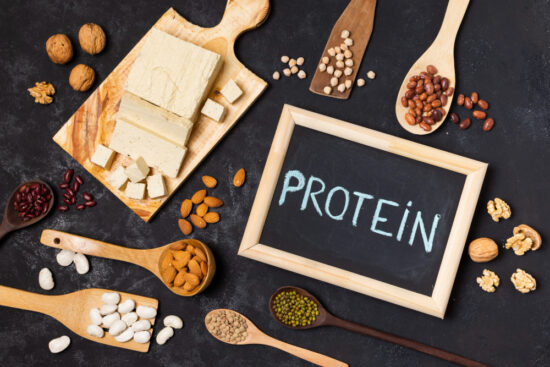
Protein Quality vs Quantity: What Really Builds Muscle and Health
Anshika Jain - March 12, 2026Protein is essential for muscle growth, repair, and overall health. However, a key question in nutrition science is whether protein quantity or quality plays a more significant…

HIIT vs Traditional Cardio: What Science Really Says
Anshika Jain - March 12, 2026High-intensity interval training (HIIT) and traditional steady-state cardio are two of the most popular exercise approaches worldwide. Fitness enthusiasts, athletes, and casual exercisers often debate which method…

Cold Exposure and Heat Therapy: Science Behind the Trend
Anshika Jain - March 12, 2026In recent years, cold exposure and heat therapy have gained immense popularity in health and wellness communities. Practices such as ice baths, cold showers, infrared saunas, steam…

The 80/20 Rule of Nutrition for Sustainable Health
Anshika Jain - March 9, 2026One such approach is the 80/20 rule of nutrition, a simple and practical guideline for maintaining a healthy diet without extreme restrictions. The concept suggests that approximately…

Stress-Inflammation Connection: How Mental Health Impacts the Body
Anshika Jain - March 9, 2026Inflammation is essential for protecting the body from infections and injuries. However, when stress becomes chronic, it can trigger persistent low-grade inflammation that may contribute to the…

Metabolic Health: The Hidden Factor Behind Most Chronic Diseases
Anshika Jain - March 9, 2026Despite its importance, metabolic health often remains overlooked until serious health problems arise. Many individuals may appear healthy externally but may still suffer from metabolic dysfunction internally.…
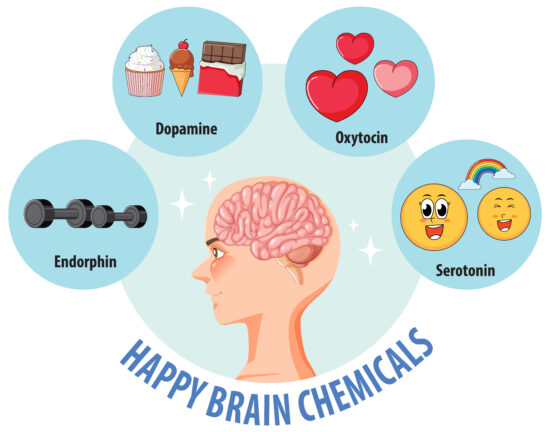
The Gut-Brain Axis: Your Second Brain Explained
Anshika Jain - March 9, 2026The gut-brain axis plays a crucial role in regulating various physiological processes, including digestion, immune function, mood, and cognitive health. Growing evidence suggests that disturbances in gut…

Cardiorespiratory Fitness: The Strongest Predictor of Longevity
Anshika Jain - March 9, 2026Cardiorespiratory fitness refers to the ability of the heart, lungs, and circulatory system to supply oxygen to the working muscles during sustained physical activity. Numerous studies have…

Ultra-Processed Foods: The Silent Threat to Modern Diets
Anshika Jain - March 9, 2026Ultra-processed foods are convenient, affordable, heavily marketed, and designed for long shelf life and enhanced taste. However, growing scientific evidence suggests that excessive consumption of these foods…
.png)