
Ultra-Processed Foods: The Silent Threat to Modern Diets


Ultra-processed foods are convenient, affordable, heavily marketed, and designed for long shelf life and enhanced taste. However, growing scientific evidence suggests that excessive consumption of these foods is associated with numerous health problems, including obesity, cardiovascular diseases, metabolic disorders, and certain cancers.
This article explores the concept of ultra-processed foods, their characteristics, their impact on health and society, and strategies to reduce their consumption.
Understanding Ultra-Processed Foods
Ultra-processed foods are industrial formulations typically made from substances extracted from foods, chemically modified ingredients, and artificial additives. They contain little or no intact whole foods.
Key Characteristics of Ultra-Processed Foods
Ultra-processed foods typically include:
-
Artificial flavors and colorings
-
Preservatives to extend shelf life
-
Emulsifiers and stabilizers
-
High levels of added sugar, salt, and unhealthy fats
-
Refined carbohydrates
-
Minimal fiber and essential nutrients
These products are engineered to be highly palatable, often triggering overeating.
Common Examples
Examples of ultra-processed foods include:
-
Sugary soft drinks and energy drinks
-
Packaged snacks such as chips and crackers
-
Instant noodles and ready-to-eat meals
-
Processed meats like sausages and hot dogs
-
Sugary breakfast cereals
-
Packaged baked goods such as cookies, cakes, and pastries
-
Fast food items like burgers and fries
These foods are designed for convenience, long shelf life, and aggressive marketing rather than nutritional quality.
Why Ultra-Processed Foods Are So Popular
The rapid growth of ultra-processed food consumption can be attributed to several social, economic, and technological factors.
Convenience and Time Constraints
Modern lifestyles often involve busy work schedules, urban commuting, and limited time for home cooking. Ultra-processed foods provide:
-
Quick meal solutions
-
Ready-to-eat or easy-to-prepare options
-
Minimal cooking effort
For many consumers, convenience outweighs concerns about nutritional quality.
Affordability
Ultra-processed foods are often cheaper than fresh foods due to:
-
Mass production
-
Government subsidies on certain ingredients
-
Long shelf life reducing food waste
This makes them particularly attractive in low-income households.
Aggressive Marketing
Food companies invest billions in advertising ultra-processed foods. Marketing strategies include:
-
Targeting children and adolescents
-
Celebrity endorsements
-
Attractive packaging
-
Promotions through social media and television
These tactics significantly influence consumer choices and preferences.
Taste Engineering
Ultra-processed foods are carefully designed to stimulate the brain’s reward system. They often combine:
-
Sugar
-
Fat
-
Salt
This combination increases cravings and may lead to habitual overconsumption.
Nutritional Concerns Associated with Ultra-Processed Foods
Although ultra-processed foods may appear appealing and convenient, they often lack essential nutrients while containing harmful ingredients.
High Calorie Density
Ultra-processed foods are typically high in calories but low in nutrients. This imbalance leads to:
-
Excess calorie intake
-
Weight gain
-
Increased risk of obesity
Excess Sugar
Many ultra-processed foods contain high levels of added sugars, which can contribute to:
-
Increased blood glucose levels
-
Higher risk of type 2 diabetes
-
Dental problems
Sugary beverages are one of the largest sources of added sugar in modern diets.
High Sodium Content
Excess sodium consumption from processed foods can lead to:
-
High blood pressure
-
Cardiovascular diseases
-
Kidney problems
Many ready-to-eat meals contain sodium levels far above recommended daily limits.
Unhealthy Fats
Ultra-processed foods often contain:
-
Trans fats
-
Refined vegetable oils
These fats increase the risk of heart disease and raise harmful cholesterol levels.
Lack of Fiber and Micronutrients
Unlike whole foods, ultra-processed foods contain very little dietary fiber, vitamins, and minerals. This can lead to:
-
Poor digestive health
-
Nutrient deficiencies
-
Increased risk of chronic diseases
Health Risks Linked to Ultra-Processed Foods
Scientific research increasingly links ultra-processed food consumption to a variety of health problems.
Obesity
Multiple studies show that individuals who consume large amounts of ultra-processed foods are more likely to develop obesity.
Reasons include:
-
High calorie intake
-
Low satiety levels
-
Increased snacking behavior
Obesity itself is a major risk factor for many other diseases.
Cardiovascular Diseases
Regular consumption of ultra-processed foods can contribute to:
-
High blood pressure
-
Elevated cholesterol levels
-
Increased inflammation
These factors significantly increase the risk of heart attacks and strokes.
Type 2 Diabetes
Ultra-processed foods often contain refined carbohydrates and sugars that cause rapid spikes in blood glucose levels. Over time, this may lead to:
-
Insulin resistance
-
Metabolic syndrome
-
Type 2 diabetes
Cancer Risk
Emerging research suggests a potential link between high consumption of ultra-processed foods and certain types of cancer. Possible contributing factors include:
-
Chemical additives
-
Preservatives
-
Packaging contaminants
Although further research is needed, the evidence raises significant concerns.
Mental Health Effects
Recent studies also suggest associations between ultra-processed diets and mental health conditions such as:
-
Depression
-
Anxiety
-
Mood disorders
This may be due to nutrient deficiencies and inflammation affecting brain function.
Impact on Children and Adolescents
Children are among the largest consumers of ultra-processed foods.
Early Exposure
Children are often exposed to these foods through:
-
School snacks
-
Television advertising
-
Packaged convenience foods
Early exposure can shape long-term eating habits.
Rising Childhood Obesity
The increase in ultra-processed food consumption has been linked to growing rates of childhood obesity worldwide.
Consequences include:
-
Increased risk of diabetes
-
Poor academic performance
-
Low self-esteem
Marketing Influence
Food companies often target children with:
-
Cartoon characters
-
Bright packaging
-
Toy incentives
These marketing tactics can strongly influence children’s food preferences.
Environmental Impact of Ultra-Processed Foods
Beyond health concerns, ultra-processed foods also have significant environmental consequences.
Increased Packaging Waste
Most ultra-processed foods come in:
-
Plastic wrappers
-
Aluminum cans
-
Multi-layer packaging
These materials contribute to environmental pollution.
Energy-Intensive Production
Manufacturing ultra-processed foods requires large amounts of energy for:
-
Processing
-
Packaging
-
Transportation
This increases the carbon footprint of food production.
Agricultural Impact
Ultra-processed foods rely heavily on large-scale monoculture crops such as:
-
Corn
-
Soy
-
Wheat
These farming practices can degrade soil quality and reduce biodiversity.
Strategies to Reduce Ultra-Processed Food Consumption
Reducing reliance on ultra-processed foods requires both individual and systemic changes.
Individual-Level Strategies
Consumers can adopt healthier habits such as:
-
Cooking more meals at home
-
Reading food labels carefully
-
Choosing whole or minimally processed foods
-
Reducing consumption of sugary drinks and packaged snacks
Simple substitutions can make a significant difference.
Examples include:
-
Fresh fruit instead of packaged desserts
-
Homemade meals instead of fast food
-
Nuts and seeds instead of chips
Government and Policy Measures
Governments can play a critical role in addressing ultra-processed food consumption through policies such as:
-
Sugar taxes on sugary beverages
-
Clear food labeling systems
-
Restrictions on marketing unhealthy foods to children
-
Support for fresh food accessibility
These policies have already shown positive results in several countries.
Role of Education
Public health education is essential for raising awareness about the risks of ultra-processed foods.
Educational initiatives may include:
-
Nutrition education in schools
-
Public awareness campaigns
-
Community health programs
Better-informed consumers are more likely to make healthier choices.
The Importance of Returning to Whole Foods
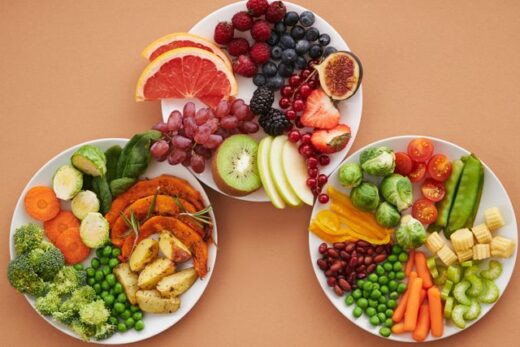
One of the most effective strategies to improve diet quality is a return to whole, minimally processed foods.
These foods include:
-
Fresh fruits and vegetables
-
Whole grains
-
Legumes and beans
-
Nuts and seeds
-
Fresh dairy and eggs
-
Fresh meats and fish
Benefits of whole-food diets include:
-
Better nutrient intake
-
Improved digestion
-
Reduced risk of chronic diseases
-
Greater long-term health outcomes
Traditional diets in many cultures historically relied on these foods and were associated with better overall health.
Conclusion
Ultra-processed foods have become deeply embedded in modern food systems, offering convenience, affordability, and appealing flavors. However, their widespread consumption presents serious challenges to public health and environmental sustainability.
Evidence increasingly shows that diets high in processed foods are linked to obesity, cardiovascular diseases, diabetes, and other chronic health conditions. Additionally, the marketing strategies and accessibility of these foods make them especially appealing to children and vulnerable populations.
Addressing this issue requires a multifaceted approach involving individuals, governments, healthcare professionals, and the food industry. Encouraging the consumption of whole and minimally processed foods, improving food labeling, regulating marketing practices, and promoting nutrition education are essential steps toward healthier dietary patterns.
Ultimately, improving modern diets is not about eliminating convenience but about balancing convenience with nutritional quality. By making informed food choices and prioritizing whole foods, individuals can protect their health and contribute to a more sustainable food system.
Online Internship with Certificate
You may be interested

Portion-Size Drift: Can Computer Vision Detect
Anshika Jain - October 23, 2026The amount of food people consider a normal serving is not determined by hunger alone. It is also influenced by household habits, plate sizes, restaurant menus, food…

Ingredient Substitution Effect: Can AI Identify When a Reformulated Food Changes
Anshika Jain - October 23, 2026Food manufacturers regularly reformulate products to reduce production costs, improve shelf life, respond to consumer preferences, meet sustainability goals, or accommodate dietary requirements. A biscuit may contain…

Peptide Signal Library: How Digested Proteins Generate Molecules
Anshika Jain - October 23, 2026Proteins are commonly understood as essential building materials that help the body maintain muscles, repair tissues, produce enzymes, and support numerous cellular functions. However, their role in…
Most from this category
Mucus Barrier Economy: How Food Interact With Intestine’s Protective Interface
Anshika Jain - October 23, 2026
Beta-Cell Stress Signatures: AI Reveal Changes in the Biology of Insulin Secretion
Anshika Jain - October 23, 2026
Intestinal Transporter: Can AI Predict Which Nutrients Compete During Absorption?
Anshika Jain - October 23, 2026
Computational Gastronomy: How AI Is Decoding the Molecular Architecture of Flavour
Anshika Jain - October 22, 2026
Mucus Barrier Economy: How Food Interact With Intestine’s Protective Interface
Anshika Jain - October 23, 2026Beta-Cell Stress Signatures: AI Reveal Changes in the Biology of Insulin Secretion
Anshika Jain - October 23, 2026Intestinal Transporter: Can AI Predict Which Nutrients Compete During Absorption?
Anshika Jain - October 23, 2026
Portion-Size Drift: Can Computer Vision Detect
October 23, 2026

Peptide Signal Library: How Digested Proteins Generate Molecules
October 23, 2026

.png)
Leave a Comment
You must be logged in to post a comment.