
The 80/20 Rule of Nutrition for Sustainable Health


One such approach is the 80/20 rule of nutrition, a simple and practical guideline for maintaining a healthy diet without extreme restrictions. The concept suggests that approximately 80% of a person’s diet should consist of nutrient-dense, whole foods, while the remaining 20% can include less nutritious or indulgent foods. This strategy encourages consistency, moderation, and balance rather than perfection.
The 80/20 rule promotes long-term dietary adherence by allowing individuals to enjoy their favorite foods while still prioritizing health. This article explores the principles behind the 80/20 rule, its benefits, practical implementation strategies, and its role in promoting sustainable health.
Understanding the 80/20 Rule of Nutrition
The 80/20 rule in nutrition is inspired by the broader Pareto Principle, which states that roughly 80% of outcomes often result from 20% of efforts. In the context of diet and health, this rule emphasizes that most nutritional benefits come from consistently consuming wholesome foods while allowing some flexibility.
Core Concept
The principle can be summarized as follows:
-
80% of the diet: Nutrient-dense, whole, and minimally processed foods
-
20% of the diet: Treats, convenience foods, or less nutritious options consumed in moderation
This approach focuses on overall dietary patterns rather than occasional indulgences.
Key Characteristics of the 80/20 Rule
The 80/20 rule emphasizes several important principles:
-
Balance rather than strict restriction
-
Long-term sustainability
-
Flexibility in food choices
-
Consistency in healthy habits
By avoiding extreme dietary rules, individuals are more likely to maintain healthy eating patterns over time.
Importance of Sustainable Nutrition
Many traditional diets fail because they are overly restrictive or difficult to maintain in daily life.
Limitations of Strict Dieting
Highly restrictive diets often lead to several challenges:
-
Difficulty maintaining the diet long-term
-
Increased cravings for restricted foods
-
Psychological stress related to food choices
-
Potential nutritional deficiencies
When individuals cannot maintain strict diets, they may abandon healthy eating habits altogether.
Benefits of a Flexible Approach
A balanced and flexible nutrition strategy provides several advantages:
-
Greater long-term adherence
-
Reduced feelings of deprivation
-
Improved relationship with food
-
Better integration with social and cultural eating habits
The 80/20 rule supports these goals by encouraging healthy eating without eliminating enjoyment.
What Makes Up the 80%: Nutrient-Dense Foods
The majority of the diet under the 80/20 rule should consist of foods that provide essential nutrients and support overall health.
Whole Foods
Whole foods are minimally processed and retain most of their natural nutrients.
Examples include:
-
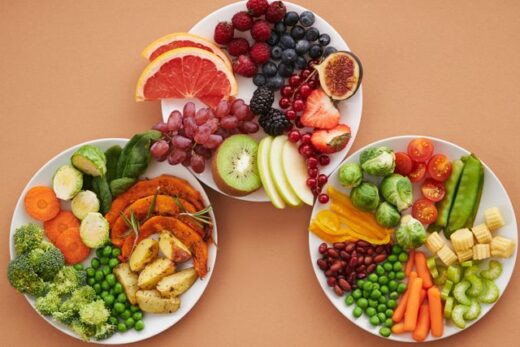
Fresh fruits and vegetables
-
Whole grains such as oats, brown rice, and quinoa
-
Legumes including beans and lentils
-
Nuts and seeds
-
Lean proteins such as fish, poultry, eggs, and plant-based proteins
These foods provide vitamins, minerals, fiber, and antioxidants that are essential for maintaining health.
Balanced Macronutrients
A balanced diet should include appropriate proportions of the three major macronutrients:
1. Carbohydrates
Healthy carbohydrate sources include:
-
Whole grains
-
Fruits
-
Vegetables
-
Legumes
These foods provide energy and dietary fiber.
2. Proteins
Protein supports muscle growth, tissue repair, and immune function.
Healthy sources include:
-
Fish and seafood
-
Lean meats
-
Eggs
-
Dairy products
-
Plant-based proteins such as tofu and legumes
3. Healthy Fats
Healthy fats support brain health and hormone regulation.
Examples include:
-
Avocados
-
Olive oil
-
Nuts and seeds
-
Fatty fish such as salmon
What Makes Up the 20%: Flexibility and Enjoyment
The remaining 20% of the diet allows for flexibility and enjoyment.
Occasional Treat Foods
Treat foods may include items that are higher in sugar, fat, or refined carbohydrates.
Examples include:
-
Desserts and sweets
-
Fast food or restaurant meals
-
Processed snack foods
-
Sugary beverages
These foods can be consumed occasionally without compromising overall health when balanced with nutritious choices.
Importance of Moderation
Moderation is essential for maintaining the benefits of the 80/20 rule.
Key principles include:
-
Avoiding excessive portions
-
Consuming indulgent foods occasionally rather than daily
-
Maintaining awareness of overall dietary balance
This approach reduces the likelihood of overindulgence and supports healthier habits.
Psychological Benefits of the 80/20 Rule
The 80/20 rule can significantly improve an individual’s relationship with food.
Reduced Food Guilt
Strict dieting often leads to feelings of guilt after consuming certain foods.
The 80/20 approach encourages individuals to:
-
Accept occasional indulgences
-
Avoid labeling foods as “good” or “bad”
-
Focus on overall patterns rather than single meals
This mindset helps reduce stress related to food choices.
Prevention of Binge Eating
Highly restrictive diets may lead to cycles of deprivation followed by overeating.
Allowing moderate indulgence:
-
Reduces intense cravings
-
Prevents binge eating episodes
-
Promotes balanced eating behaviors
Improved Long-Term Adherence
Flexible dietary approaches are easier to maintain over time.
Individuals who follow the 80/20 rule are more likely to:
-
Sustain healthy habits
-
Avoid burnout from dieting
-
Maintain consistent nutritional patterns
Health Benefits of the 80/20 Nutrition Approach
When applied correctly, the 80/20 rule supports multiple aspects of health.
Weight Management
A diet primarily composed of nutrient-dense foods helps regulate calorie intake and maintain a healthy weight.
Benefits include:
-
Improved metabolism
-
Balanced energy levels
-
Reduced risk of obesity
Better Nutrient Intake
Prioritizing whole foods ensures that the body receives essential nutrients required for optimal function.
These nutrients support:
-
Immune system health
-
Bone strength
-
Cardiovascular health
-
Brain function
Reduced Risk of Chronic Diseases
Healthy dietary patterns are associated with a lower risk of many chronic conditions, including:
-
Heart disease
-
Type 2 diabetes
-
High blood pressure
-
Certain cancers
The 80/20 rule encourages dietary choices that promote long-term disease prevention.
Practical Strategies for Applying the 80/20 Rule
Implementing the 80/20 rule in daily life can be straightforward with proper planning.
Plan Balanced Meals
Most meals should include a combination of:
-
Lean protein
-
Whole grains
-
Vegetables
-
Healthy fats
Balanced meals provide sustained energy and essential nutrients.
Practice Mindful Eating
Mindful eating helps individuals become more aware of their hunger and fullness cues.
Helpful practices include:
-
Eating slowly
-
Paying attention to flavors and textures
-
Avoiding distractions such as television or smartphones during meals
Focus on Weekly Balance
Rather than evaluating each meal individually, it is helpful to consider overall dietary patterns across the week.
For example:
-
Most meals during the week consist of healthy choices
-
Occasional treats are included without guilt
Avoid Perfectionism
The 80/20 rule emphasizes consistency rather than perfection.
Occasional deviations from healthy eating patterns should not be viewed as failure.
Potential Challenges and Considerations
Although the 80/20 rule is flexible, some challenges may arise when applying it.
Portion Control
Individuals must remain mindful of portion sizes when consuming treat foods.
Large portions may exceed the intended 20% balance.
Personal Variations
Nutritional needs vary depending on:
-
Age
-
Activity level
-
Health conditions
-
Metabolic factors
Individuals may need to adjust the 80/20 approach based on personal health goals.
Awareness of Food Quality
Even within the 20% portion of the diet, choosing moderately processed options rather than highly unhealthy foods can help maintain better health outcomes.
Conclusion
The 80/20 rule of nutrition offers a balanced and sustainable approach to healthy eating. By prioritizing nutrient-dense whole foods for the majority of the diet while allowing occasional indulgences, individuals can maintain a healthier relationship with food and support long-term wellness.
Unlike restrictive dieting methods, the 80/20 approach emphasizes moderation, flexibility, and consistency. This strategy helps individuals avoid the psychological stress often associated with strict diets while still promoting healthy dietary habits.
Adopting the 80/20 rule can lead to improved nutritional balance, better weight management, and reduced risk of chronic diseases. Most importantly, it encourages a realistic and enjoyable approach to eating that can be maintained throughout life.
Online Internship with Certificate
You may be interested

Portion-Size Drift: Can Computer Vision Detect
Anshika Jain - October 23, 2026The amount of food people consider a normal serving is not determined by hunger alone. It is also influenced by household habits, plate sizes, restaurant menus, food…

Ingredient Substitution Effect: Can AI Identify When a Reformulated Food Changes
Anshika Jain - October 23, 2026Food manufacturers regularly reformulate products to reduce production costs, improve shelf life, respond to consumer preferences, meet sustainability goals, or accommodate dietary requirements. A biscuit may contain…

Peptide Signal Library: How Digested Proteins Generate Molecules
Anshika Jain - October 23, 2026Proteins are commonly understood as essential building materials that help the body maintain muscles, repair tissues, produce enzymes, and support numerous cellular functions. However, their role in…
Most from this category
Mucus Barrier Economy: How Food Interact With Intestine’s Protective Interface
Anshika Jain - October 23, 2026
Beta-Cell Stress Signatures: AI Reveal Changes in the Biology of Insulin Secretion
Anshika Jain - October 23, 2026
Intestinal Transporter: Can AI Predict Which Nutrients Compete During Absorption?
Anshika Jain - October 23, 2026
Computational Gastronomy: How AI Is Decoding the Molecular Architecture of Flavour
Anshika Jain - October 22, 2026
Mucus Barrier Economy: How Food Interact With Intestine’s Protective Interface
Anshika Jain - October 23, 2026Beta-Cell Stress Signatures: AI Reveal Changes in the Biology of Insulin Secretion
Anshika Jain - October 23, 2026Intestinal Transporter: Can AI Predict Which Nutrients Compete During Absorption?
Anshika Jain - October 23, 2026
Portion-Size Drift: Can Computer Vision Detect
October 23, 2026

Peptide Signal Library: How Digested Proteins Generate Molecules
October 23, 2026

.png)
Leave a Comment
You must be logged in to post a comment.