
Digital Boundary Intelligence: Technology Use Conflicts With Their Goals?

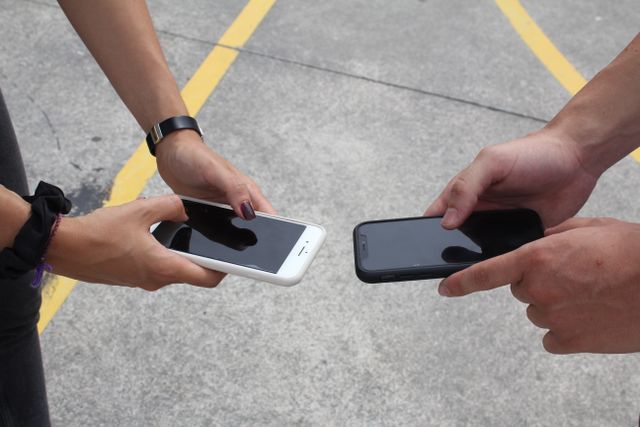
Digital technology has become deeply integrated into how people work, study, communicate, relax, and manage everyday responsibilities. Smartphones, social media platforms, messaging applications, streaming services, online learning environments, and productivity tools offer convenience and constant access to information. However, the same technologies that make daily life easier can also compete with personal well-being goals. Someone may want to sleep earlier but continue scrolling through social media, plan to concentrate on an assignment but repeatedly check notifications, or intend to spend quality time with family while remaining distracted by work messages.
These situations are not necessarily caused by a lack of discipline. Digital platforms are designed to encourage interaction, while modern routines often make it difficult to separate professional, academic, and personal activities. People may also have different intentions at different times. Technology that supports learning in the afternoon might become a source of distraction late at night.
Digital Boundary Intelligence explores how artificial intelligence could help individuals recognise when their technology use begins to conflict with their own stated priorities and well-being goals. Rather than imposing universal screen-time limits, an AI-powered system could compare a person’s intentions with their actual digital behaviour, identify recurring conflicts, and offer opportunities to make more deliberate choices.
The important distinction is that the system would not decide how much technology a person should use. It would help them understand whether their current usage aligns with what they personally consider important. This creates a different approach to digital well-being: moving from simply measuring screen time to understanding the relationship between technology use, personal intentions, and everyday life.
Understanding Digital Boundaries and Personal Well-Being Goals
Digital boundaries are the personal rules and limits individuals establish around their use of technology. These boundaries may involve deciding when to stop checking work messages, avoiding social media during study sessions, limiting screen exposure before bedtime, or keeping certain periods free from digital interruptions.
Unlike universal screen-time recommendations, personal digital boundaries depend on individual circumstances. A university student may need several hours of daily screen use for lectures, research, assignments, and communication. A software developer may spend most of the working day using digital tools without necessarily experiencing unhealthy technology use. A person who uses social media professionally may have different requirements from someone who uses it primarily for entertainment.
The challenge is that intentions and behaviour do not always remain aligned. People may establish boundaries but struggle to maintain them when notifications, recommendations, messages, and entertainment content repeatedly attract their attention.
Digital Boundary Intelligence focuses on identifying these differences. It could examine whether a user repeatedly accesses entertainment applications during self-designated study periods or continues responding to professional messages during personal time. These observations would not automatically indicate harmful behaviour. Instead, they would create an opportunity to examine whether the pattern matches the user’s own preferences.
This approach recognises that digital well-being is not simply about reducing device usage. It is about developing a healthier relationship with technology according to individual needs, responsibilities, and priorities.
Why Technology Use Can Conflict With Personal Intentions
The Difference Between Planned and Actual Behaviour
People often make decisions about technology use based on their immediate circumstances. Someone may open a smartphone to check one important message and then spend considerably longer browsing unrelated content. Another person may plan to watch a short video during a break but continue watching recommended videos long after the break has ended.
These situations illustrate the gap between intended behaviour and actual behaviour. The original purpose of using the device may be reasonable, but the surrounding digital environment can encourage additional interaction.
An AI system could help identify recurring differences between intended activities and actual usage patterns. If a user regularly exceeds their self-selected entertainment limit or repeatedly interrupts study sessions to check social media, the system could highlight the pattern without describing it as a failure.
The value of this information lies in making behaviour more visible. People cannot easily adjust a habit they have not recognised, particularly when individual interruptions appear insignificant.
The Influence of Notifications and Continuous Availability
Notifications create frequent opportunities for technology use. Messages, emails, application updates, social media interactions, and promotional alerts can interrupt activities even when users have no immediate intention of opening their devices.
Continuous availability can also blur the distinction between work and personal life. Employees may receive professional messages after working hours, students may continue checking academic groups late at night, and freelancers may feel pressure to remain reachable for clients.
Digital boundaries become difficult to maintain when communication expectations are unclear. An individual may want to disconnect but worry about missing an important update.
AI could help distinguish between essential and non-essential interruptions by considering user-defined priorities. It might identify repeated work-related interactions during protected personal time and suggest reviewing notification settings or establishing clearer availability periods.
The Conflict Between Short-Term Rewards and Long-Term Goals
Digital platforms frequently provide immediate rewards through entertainment, social interaction, recommendations, and new information. In contrast, many personal well-being goals require consistent effort and delayed benefits.
For example, going to bed on time may support a person’s preferred routine, but watching another episode of a series provides immediate entertainment. Concentrating on an assignment may be important for long-term academic progress, while checking social media offers a quick distraction.
AI-based boundary systems could help users recognise when repeated short-term choices are moving them away from goals they previously established. However, they should not assume that entertainment or social interaction is inherently negative. Relaxation and leisure are also legitimate uses of technology. The relevant question is whether the activity fits the user’s intention and circumstances.
How Digital Boundary Intelligence Could Work
Establishing User-Defined Well-Being Goals
The first step would be understanding what the individual wants technology to support or avoid. A user might define a goal of maintaining uninterrupted study periods, reducing work communication after office hours, avoiding entertainment applications during meals, or protecting sleep time from unnecessary screen activity.
These goals should be expressed in practical terms rather than vague instructions such as “use the phone less.” For example, a user could specify that social media should not interrupt a 90-minute study session or that professional email should remain inactive after a selected time unless an urgent exception applies.
An AI system could convert these preferences into personalised digital boundaries. It could then compare them with actual usage patterns, provided the user has granted the necessary permissions. The system would not need to impose a universal limit because the purpose is to evaluate alignment with individual priorities.
This approach is consistent with emerging research on digital balance, which emphasises purposeful, goal-directed technology use, self-regulation, and alignment with personal values rather than relying exclusively on total screen time. A 2026 study involving 842 adults examined relationships between intentional and passive technology use, attentional control, and psychological well-being. Its findings support the importance of examining how people use technology, although the reported associations do not establish that AI-based boundary systems directly improve well-being.
Comparing Intended and Actual Digital Behaviour
Once goals are established, the system could analyse selected device activity to identify differences between intentions and behaviour. It might examine application usage duration, notification interactions, browsing categories, and the time of day when particular activities occur.
For instance, a user may intend to spend 30 minutes on entertainment applications after completing work. If the application records show that entertainment use regularly continues for two hours, the system could highlight the difference between the intended and actual duration.
Similarly, if a student frequently opens social media during scheduled study periods, the system could identify recurring interruptions. It might explain that several study sessions were interrupted by non-academic application activity and ask whether the user wants to review their digital boundaries.
Importantly, the system should distinguish between purposeful and automatic activity. Watching an educational video for an assignment is different from repeatedly opening entertainment applications without a clear intention. Both involve screen time, but their relationship with the user’s goals is different.
Detecting Repeated Boundary Conflicts
An isolated deviation does not necessarily indicate a problem. Someone may need to respond to an urgent message during personal time or use social media for an unexpected professional requirement. The more meaningful information comes from repeated patterns.
AI could compare behaviour across days and identify situations in which personal boundaries are consistently interrupted. It might notice that work messages frequently appear during evening hours, that planned study sessions regularly become fragmented, or that entertainment applications are used beyond the user’s preferred bedtime.
The system could then present these patterns with supporting information, such as the relevant dates, time periods, and application categories. This would make its observations easier to verify and prevent it from presenting assumptions as facts.
Understanding Context Instead of Simply Counting Screen Time
Distinguishing Productive, Necessary, and Distracting Usage
One of the limitations of traditional digital well-being tools is their dependence on screen-time totals. A person who spends eight hours on a computer for professional work may be using technology purposefully, while someone who spends a shorter period repeatedly switching between unrelated applications may experience greater distraction.
Digital Boundary Intelligence would need to understand the context of usage. It could classify activities broadly into professional work, education, communication, entertainment, personal administration, and other user-defined categories.
This classification would not always be straightforward. Messaging applications can be used for work, family communication, education, or entertainment. Video platforms can provide academic lectures, professional training, or recreational content. Therefore, the system should allow users to correct classifications rather than assuming that an application’s purpose is always obvious.
A context-aware approach would provide more meaningful insights than simply reporting that a person spent a certain number of hours looking at a screen.
Recognising the Difference Between Intentional and Automatic Use
Intentional technology use begins with a clear purpose. A person opens a browser to research a topic, accesses a learning platform to complete a course, or checks a messaging application to respond to an important conversation.
Automatic use often occurs without a clearly defined objective. Someone may unlock a phone out of habit, open a social media application repeatedly, or move between recommendation feeds without consciously deciding what they want to accomplish.
An AI system could identify repeated usage sequences that appear to occur without a clear task. It might notice that a user opens the same application several times during short intervals or repeatedly switches away from a focused activity.
However, digital activity logs cannot reveal a person’s intentions with certainty. Opening an application repeatedly does not prove that the behaviour is automatic, and extended usage does not necessarily mean that someone has lost control. The system should use such patterns as prompts for reflection, not as definitive judgements.
How AI Could Help Users Build More Meaningful Digital Boundaries
Adaptive Notifications and Timely Interventions
Once a recurring conflict has been identified, an AI assistant could suggest an intervention that matches the user’s stated goal. If social media repeatedly interrupts study periods, the system might recommend a temporary focus setting or ask whether the user wants to silence selected notifications.
If professional messages frequently interrupt personal time, it could suggest setting a notification schedule or separating work and personal communication channels. The system might also help users identify which contacts or communication channels genuinely require immediate attention.
These interventions should be optional. An application that constantly reminds users about their digital behaviour could become another source of notification fatigue. The objective should be to reduce unnecessary interruptions, not create a new stream of alerts.
Research into digital self-control interventions has examined tools such as application blocking, goal-setting, usage visualisations, and other methods for managing distracting media multitasking. A 2021 systematic review identified 28 interventions but found varying levels of effectiveness. This suggests that simply displaying usage statistics or introducing restrictions may not be sufficient for every user.
Personalised Boundary Suggestions
AI could recommend boundaries based on repeated behaviour and user preferences. For example, someone who regularly checks work messages after dinner might benefit from a protected personal period. A student who repeatedly interrupts revision sessions could benefit from scheduled access to entertainment applications after completing a study block.
The system could also recognise when existing boundaries are unrealistic. If a user repeatedly fails to follow a particular restriction because of professional or academic responsibilities, it could encourage them to reconsider the timing or scope of the rule.
This is important because effective digital boundaries should fit real circumstances. A strict restriction that cannot accommodate work requirements or family responsibilities may create frustration rather than improve well-being.
Reflective Feedback Instead of Punitive Warnings
The language used by digital well-being systems can influence how users respond to feedback. Messages that describe someone as undisciplined or unsuccessful may create unnecessary guilt. A more constructive system would communicate observations neutrally.
For example, instead of warning that a user has failed to control social media usage, it could explain that entertainment activity exceeded the user’s selected limit on several evenings. It could then ask whether the limit still reflects the user’s current preferences.
This approach treats digital boundaries as adjustable personal decisions rather than fixed rules that must be followed perfectly.
Applications Across Education, Work, and Personal Life
Digital Boundary Intelligence for Students
Students increasingly depend on digital platforms for online lectures, research, assignments, examinations, communication, and skill development. This makes it difficult to distinguish productive educational screen time from unrelated digital distractions.
An AI-powered learning assistant could examine a student’s self-defined study schedule and identify recurring interruptions. If a student regularly moves from an online lecture to entertainment content during a planned learning session, the system could highlight the pattern and suggest a more suitable study environment.
For online education platforms such as EasyShiksha, this concept could support more personalised learning experiences. A learning dashboard could help students distinguish between course-related activity, revision, quizzes, internship tasks, and unrelated browsing. Rather than rewarding longer platform sessions, it could encourage purposeful learning and help students protect time for independent study and rest.
The objective would be to improve the quality of digital learning rather than simply increase the time students spend online.
Digital Boundaries in Professional Environments
Remote and hybrid work have made professional communication more accessible, but they have also increased the possibility of work extending into personal time. Employees may receive emails, messages, meeting invitations, and project updates outside their regular working hours.
A 2024 scoping review in PLOS Digital Health examined 23 studies on work-related smartphone use during off-job hours. Nineteen studies reported a significant association between increased after-hours work-related smartphone use and work-life conflict. The review also highlighted the importance of psychological detachment from work and communication between employees and supervisors.
Digital Boundary Intelligence could help individuals recognise these patterns by showing how frequently work communication enters their selected personal hours. It might suggest notification schedules or help users review their availability preferences.
However, this should not become a tool for employers to monitor employees’ personal technology use. Organisations should address unreasonable availability expectations and workload practices rather than treating boundary management as an individual responsibility alone.
Personal Relationships and Social Well-Being
Technology also influences how people spend time with family members, friends, and social groups. A person may intend to have an uninterrupted conversation but repeatedly check incoming messages. Another may want to spend time with family without professional notifications interrupting the experience.
AI could help users identify recurring conflicts between these intentions and their device behaviour. It might highlight that notifications are frequently checked during self-designated family time or that planned offline activities are regularly interrupted by unrelated browsing.
Such observations could encourage users to establish practical boundaries, such as notification-free meals or dedicated periods for personal conversations. The system should not judge the quality of relationships based on device activity, but it could make interruptions more visible.
Technical Challenges in Developing Digital Boundary Intelligence
Building a reliable Digital Boundary Intelligence system requires more than collecting application usage statistics. It needs to interpret user-defined goals, understand digital activity, recognise recurring patterns, and provide recommendations without making unsupported assumptions.
One major challenge is data access. Operating systems restrict how applications can monitor activity across other applications, and privacy protections vary between devices. Some information may be available through screen-time APIs, while other details may require additional permissions or may not be accessible at all. A practical system should operate within these restrictions rather than attempting to collect excessive information.
Another challenge is understanding context. Application usage data rarely explains why someone opened a particular platform. A person might use YouTube for an academic lecture, professional training, or entertainment. An AI system that automatically classifies all video consumption as distraction could generate misleading recommendations. Users must be able to correct its interpretations and define their own categories.
Personalisation also requires careful design. Digital boundaries change with circumstances. A student preparing for examinations may temporarily need more screen time, while a professional working on an urgent project may need to remain reachable outside normal hours. AI should allow these exceptions instead of treating every deviation as a negative event.
Finally, the system must be evaluated according to meaningful outcomes. Reduced screen time alone does not demonstrate improved well-being. Better indicators might include whether users feel more in control of their digital habits, experience fewer unwanted interruptions, and achieve greater alignment between their technology use and personal priorities.
Privacy and Ethical Considerations
Digital Boundary Intelligence could process sensitive behavioural information, including application activity, communication timing, browsing categories, and personal schedules. Even without reading message content, usage patterns may reveal details about an individual’s professional responsibilities, relationships, interests, and daily routines.
For this reason, data minimisation should be a central design principle. An application should collect only the information necessary to support the user’s selected goals. Wherever technically possible, analysis could take place directly on the device, reducing the need to transfer detailed behavioural records to external servers.
Users should receive clear information about what is being monitored, how recommendations are generated, and whether information is stored or shared. They should also be able to disable monitoring, delete records, and modify their permissions without losing access to basic application functions.
Another ethical concern is the possibility of digital boundary systems becoming tools of surveillance. Employers, educational institutions, or other organisations might attempt to use behavioural information to assess attention, productivity, or personal discipline. Such uses could create pressure and undermine the original purpose of the technology.
A responsible system must therefore remain user-controlled. Its purpose should be to help individuals make informed decisions about their own technology use, not to give external organisations greater control over their behaviour.
The Future of AI-Powered Digital Boundary Management
The next generation of digital well-being systems may move beyond static screen-time reports and introduce more intelligent forms of personal boundary management. AI assistants could connect optional calendar information, application usage patterns, notification settings, and user-defined goals to identify situations in which technology use repeatedly conflicts with personal priorities.
For example, a system might recognise that a user wants uninterrupted study time but frequently receives non-essential notifications during scheduled learning sessions. It could suggest changing notification settings, adjusting the study schedule, or creating a more suitable focus environment. Another user might discover that professional communication regularly extends into personal hours and decide to establish clearer availability expectations.
Future systems may also provide personal digital behaviour timelines that distinguish purposeful engagement from unwanted interruptions. These timelines could help users understand how their habits change during examination periods, demanding work projects, holidays, or other significant life circumstances.
The most important development, however, will be the shift from controlling screen time to supporting personal agency. An effective AI system should not automatically block applications or decide which digital activities are acceptable. It should help users understand the relationship between their intentions and behaviour, explain recurring conflicts, and offer practical choices.
Digital well-being should ultimately be measured by how effectively technology supports people’s lives, not by how little time they spend using it.
Conclusion
Digital Boundary Intelligence introduces a more personalised approach to digital well-being by examining whether technology use aligns with an individual’s own goals and priorities. Through behavioural analysis, contextual understanding, and AI-powered recommendations, these systems could help people recognise recurring distractions, identify work-life boundary conflicts, and develop more realistic technology habits.
However, the effectiveness of this approach depends on its ability to understand context rather than simply count screen time. Productive learning, professional communication, entertainment, and social interaction all have legitimate roles in everyday life. AI should not treat every extended digital session as a problem or impose identical restrictions on different users.
Privacy, transparency, user autonomy, and flexible goal-setting must remain central to its development. The real opportunity is not to create another system that tells people how to use their devices. It is to develop technology that helps them recognise when their digital habits no longer reflect what they genuinely want from their time and attention.
Online Internship with Certificate
You may be interested

Mineral Bioaccessibility Forecasting: Which Minerals Become Available During Digestion
Anshika Jain - October 30, 2026Minerals are essential nutrients that support numerous biological processes, including oxygen transport, bone development, nerve signalling, muscle contraction, enzyme activity, and immune function. Iron, zinc, calcium, magnesium,…

Mycelium Food Design: AI Help Create New Foods From Fungal Biomass
Anshika Jain - October 30, 2026The future of food innovation is increasingly connected to alternative protein sources, precision fermentation, biotechnology, and artificial intelligence. As researchers explore ways to produce nutritious foods with…

Plant Protein Functionality AI: How Protein Ingredients Behave in Real Meals?
Anshika Jain - October 30, 2026Plant-based proteins have become important ingredients in modern food development. Soy, pea, chickpea, lentil, fava bean, mung bean, and other plant protein sources are increasingly used in…
Most from this category

Phytochemical Transformation Maps: Cooking Changes the Chemical Profile of Vegetables?
Anshika Jain - October 30, 2026

Reward Prediction in Eating: AI Model the Gap Between Expected and Experienced Food Satisfaction
Anshika Jain - October 29, 2026

Phytochemical Transformation Maps: Cooking Changes the Chemical Profile of Vegetables?
Anshika Jain - October 30, 2026Food Aroma Fingerprinting: AI Identify Changes in Food Quality
Anshika Jain - October 30, 2026Reward Prediction in Eating: AI Model the Gap Between Expected and Experienced Food Satisfaction
Anshika Jain - October 29, 2026




.png)
Leave a Comment
You must be logged in to post a comment.