
Metabolic Fate of Fructose: Liver Processes Different Sources of Dietary Sugar

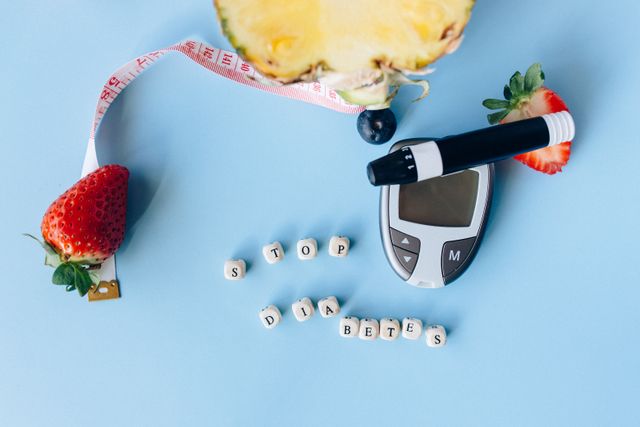
Fructose is a naturally occurring simple sugar found in fruits, certain vegetables, honey, and many sweetened foods and beverages. It is also a component of sucrose, commonly known as table sugar, which consists of glucose and fructose joined together. Although fructose provides energy like other digestible carbohydrates, its metabolic pathway differs in important ways from that of glucose. The liver plays a central role in processing absorbed fructose, converting it into intermediate compounds that can support energy production, glucose formation, glycogen storage, or fat synthesis depending on the body’s metabolic needs.
Interest in fructose metabolism has increased because dietary sugar intake has changed substantially with the availability of sweetened beverages, packaged snacks, desserts, and processed foods. However, understanding fructose requires more than classifying it as either beneficial or harmful. The source of fructose, the quantity consumed, the speed of ingestion, the overall dietary pattern, and an individual’s metabolic health all influence its physiological effects.
Fructose from whole fruit arrives alongside water, fibre, vitamins, minerals, and other plant compounds. In contrast, sweetened beverages can deliver substantial amounts of sugar rapidly, often with relatively little fibre or protein to slow consumption. Both sources contain fructose that eventually enters metabolic pathways, but the surrounding food matrix and the amount consumed can produce different effects on appetite, energy intake, and metabolic health.
What Is Fructose and Where Does Dietary Fructose Come From?
The Chemical Structure of Fructose
Fructose is a monosaccharide, meaning it consists of a single sugar unit that does not need to be broken down into simpler sugars before absorption. Like glucose, it contains six carbon atoms, but the arrangement of its atoms differs. This structural difference influences how the body transports and metabolises the two sugars.
Glucose is a primary energy source for many tissues and is tightly regulated through processes involving insulin and other hormones. Fructose is handled differently, particularly during its initial breakdown in the liver. Although some fructose can be metabolised by tissues outside the liver, the liver is a major site of its first-pass metabolism after intestinal absorption.
Dietary fructose occurs in several forms. Whole fruits contain varying quantities of free fructose and glucose, while sucrose provides approximately equal amounts of glucose and fructose after digestion. Honey contains a mixture of sugars, including fructose and glucose, in proportions that vary according to its botanical source. High-fructose corn syrup also contains glucose and fructose, with the exact composition depending on the formulation. These sources are not metabolically identical in every practical respect.
Why the Food Source Matters
The metabolic pathway used to process a fructose molecule does not change simply because it came from fruit rather than a sweetened beverage. Once absorbed, fructose enters the same basic biochemical pathways. However, the circumstances surrounding its consumption can influence the quantity delivered to the liver and the body’s overall response.
Whole fruit generally requires chewing and contains water and dietary fibre. Its structure can slow eating and contribute to fullness, making it more difficult to consume large quantities of sugar quickly. Fruits also supply nutrients and plant compounds that contribute to overall dietary quality.
Sugar-sweetened beverages, on the other hand, can deliver considerable amounts of sugar in a short period. Because liquid calories may produce less fullness than an equivalent amount of energy consumed in solid food, people may not fully compensate for the energy consumed in a sweetened drink by eating less later. This can contribute to excess energy intake over time.
From Digestion to the Liver: How Fructose Enters Metabolism
Intestinal Absorption and Transport
Free fructose is absorbed primarily in the small intestine through a transporter protein called GLUT5. After entering intestinal cells, fructose can pass into the bloodstream through transport mechanisms that include GLUT2. The absorbed sugar travels through the portal circulation, which carries nutrient-rich blood from the digestive system directly towards the liver.
Not all ingested fructose necessarily reaches the liver unchanged. This first-pass handling helps explain why fructose behaves differently from glucose in the bloodstream. Glucose commonly produces a measurable rise in circulating blood glucose following absorption, whereas fructose generally causes a smaller direct increase in blood glucose because much of it is metabolised before entering the wider circulation.
The Liver as a Metabolic Processing Centre
The liver performs several functions that are essential to energy balance, including maintaining blood glucose, storing glycogen, processing fats, and converting excess nutrients into different metabolic forms. Fructose enters this interconnected network rather than following a single inevitable route.
This flexibility is normal physiology. The potential problem arises when large amounts of readily absorbed sugar repeatedly enter a system that is already receiving more energy than the body requires. Under those conditions, the balance between immediate energy use, storage, and fat production can shift.
The Biochemical Pathway of Fructose Metabolism
The Role of Fructokinase
Inside liver cells, fructose is initially phosphorylated by an enzyme called fructokinase, also known as ketohexokinase. This reaction converts fructose into fructose-1-phosphate using energy from adenosine triphosphate, or ATP.
Fructose-1-phosphate is then broken down by the enzyme aldolase B into two smaller molecules: glyceraldehyde and dihydroxyacetone phosphate. These products can enter interconnected pathways involved in carbohydrate metabolism.
One important feature of this pathway is that the initial breakdown of fructose bypasses phosphofructokinase-1, a major regulatory enzyme in glycolysis, the pathway through which glucose is broken down for energy. This difference can allow fructose-derived carbon to enter downstream metabolic processes with less direct control at that particular regulatory step.
However, bypassing one regulatory checkpoint does not mean fructose metabolism is completely uncontrolled. The overall metabolic response remains influenced by substrate availability, hormonal signals, cellular energy status, enzyme activity, and other regulatory mechanisms.
From Fructose to Energy
After fructose is converted into intermediate compounds, its carbon atoms can enter pathways that support the production of ATP. ATP provides energy for cellular functions, including transport, synthesis, movement, and maintenance.
Some fructose-derived intermediates can enter glycolysis and be converted into pyruvate. Pyruvate may then be processed through mitochondrial pathways that support energy production, depending on the metabolic conditions within the cell.
Fructose can also contribute to lactate production. This illustrates how fructose metabolism connects different tissues rather than remaining confined to a single organ.
The precise distribution of fructose-derived carbon varies according to the amount consumed, the timing of consumption, the body’s energy requirements, and the availability of other nutrients. It is therefore inaccurate to assume that every gram of fructose is immediately converted into fat.
Conversion into Glucose and Glycogen
Fructose-derived intermediates can contribute to glucose production through gluconeogenesis, the process by which the body generates glucose from non-carbohydrate precursors or other metabolic intermediates. Some of the resulting glucose can enter the bloodstream and support tissues that require it.
The liver can also convert glucose into glycogen, a storage form of carbohydrate that can later be broken down when energy is needed. Glycogen storage helps the body manage fluctuations in nutrient availability between meals and during periods of physical activity.
These pathways demonstrate that fructose can support ordinary energy metabolism rather than functioning exclusively as a substrate for fat synthesis. When the body needs energy or has capacity to replenish glycogen, a portion of fructose-derived carbon may contribute to these functions.
Nevertheless, glycogen storage is limited. When carbohydrate availability is high and energy intake repeatedly exceeds expenditure, additional metabolic pathways become increasingly relevant.
De Novo Lipogenesis: When Fructose Contributes to Fat Production
How the Liver Converts Carbohydrate into Fat
De novo lipogenesis is the process through which the body synthesises new fatty acids from non-fat precursors, including carbohydrate-derived molecules. Fructose can contribute carbon to this pathway because its metabolic intermediates can be converted into acetyl-CoA, a building block for fatty acid synthesis.
The newly synthesised fatty acids may be incorporated into triglycerides. These triglycerides can be stored in the liver or packaged into very-low-density lipoproteins for transport to other tissues. Under certain conditions, increased triglyceride production and export can contribute to higher circulating triglyceride concentrations.
Fructose can also influence the availability of metabolic intermediates and regulatory signals involved in lipid synthesis. When substantial quantities are consumed, particularly in the context of excess energy intake, these effects may increase the liver’s tendency to produce and handle fat.
However, the amount of fructose converted directly into newly synthesised fat depends on the conditions of consumption. In many ordinary dietary settings, a substantial proportion of fructose is converted into glucose, lactate, or other intermediates, or is oxidised for energy. Direct conversion of fructose carbon into fat is not the only, or always the dominant, metabolic fate.
Why Excessive Intake Can Affect Liver Health
Repeatedly consuming more energy than the body requires can contribute to fat accumulation in the liver. High intakes of added sugars, particularly when they contribute to sustained energy surplus, have been associated with increased liver fat and other markers of metabolic risk in some studies.
Fructose-containing sugars may be particularly relevant because hepatic metabolism can support lipogenesis and because high intakes of sweetened beverages can increase total energy consumption. Nevertheless, the effects depend on the overall dietary pattern, the amount consumed, and the comparison being made.
Excess liver fat is associated with metabolic dysfunction, but fructose intake alone does not determine whether an individual develops liver disease. Genetics, insulin sensitivity, body composition, physical activity, alcohol consumption, medication use, and other dietary factors also influence risk.
Comparing Fructose from Fruit, Table Sugar, Honey, and Sweetened Beverages
Whole Fruit: Fructose Within a Nutrient-Rich Food Matrix
Whole fruit provides fructose together with fibre, water, vitamins, minerals, and various plant compounds. Its physical structure requires chewing and often promotes a slower eating rate than liquids. Fibre and the volume of the food can also support fullness and help regulate overall food intake.
Although fruit contains natural sugars, its consumption within a balanced dietary pattern is generally associated with favourable health outcomes.
Fruit juice requires a more nuanced assessment. Juicing can reduce or remove much of the fibre found in whole fruit, and juice can be consumed more quickly. As a result, a large serving may deliver substantial quantities of sugar without the same degree of fullness associated with eating whole fruit.
Table Sugar and Honey: Different Foods, Shared Metabolic Pathways
Table sugar consists of sucrose, which is broken down during digestion into glucose and fructose. Honey contains naturally occurring fructose and glucose, along with small quantities of other compounds. Their exact sugar proportions vary, but both can supply significant amounts of readily available sugar.
The practical significance depends on the amount consumed and the overall dietary context. Small quantities used as part of a balanced diet are different from frequent, high-volume consumption of sugary foods and drinks.
Sugar-Sweetened Beverages: Rapid Delivery of Dietary Sugar
Soft drinks, sweetened teas, energy drinks, and other sugary beverages can deliver glucose and fructose in a readily consumable form. Because liquids can be consumed quickly, a person may ingest a large amount of sugar before experiencing substantial fullness.
Frequent consumption of sugar-sweetened beverages has been associated with several adverse health outcomes, including weight gain and increased risk of metabolic disease. These associations reflect multiple mechanisms, including excess energy intake and the metabolic handling of the sugars themselves.
When a beverage contains a substantial amount of fructose, the liver must process the incoming sugar alongside the rest of the body’s nutrient supply. If such intake repeatedly contributes to energy surplus, the conditions may favour increased fat synthesis and triglyceride production. Replacing sugary beverages with water or unsweetened drinks can therefore be a practical way to reduce added sugar intake.
Fructose, Insulin, and Metabolic Health
Fructose generally stimulates a smaller immediate insulin response than glucose because it does not produce the same direct rise in blood glucose. However, this does not mean that fructose is metabolically irrelevant to insulin sensitivity or long-term glucose regulation.
The liver integrates information from multiple hormones, including insulin, to regulate glucose production, glycogen storage, and lipid metabolism. When excess energy intake contributes to liver fat accumulation, the liver may become less responsive to insulin’s normal actions. This can impair the suppression of hepatic glucose production and contribute to abnormalities in blood glucose regulation.
The relationship is not identical in every individual. Effects depend on the amount and form of sugar consumed, energy balance, physical activity, and existing metabolic health. A person with insulin resistance or metabolic dysfunction may respond differently from someone with greater insulin sensitivity. Assessing the whole pattern provides a more useful understanding than focusing on a single sugar molecule in isolation.
How the Body Manages Fructose: The Importance of Dose and Context
The liver’s ability to process fructose is a normal part of human metabolism. Problems are more likely to arise when large quantities of sugar are consumed frequently, especially when they add energy beyond the body’s requirements. In this situation, the liver must manage a continuous supply of carbohydrate-derived intermediates while also maintaining its other responsibilities.
A practical dietary strategy is to prioritise whole fruit, limit frequent consumption of sugar-sweetened beverages, and moderate added sugars from desserts and packaged foods. Eating a varied diet containing fibre-rich vegetables, legumes, whole grains, and suitable protein sources can also support overall metabolic health.
There is no single fructose threshold that guarantees a particular metabolic outcome for everyone. Individual responses vary, and dietary advice should account for total energy intake, medical history, and the person’s broader eating habits.
Conclusion: Understanding Fructose Beyond the Sugar Debate
The metabolic fate of fructose demonstrates how the body converts dietary nutrients into usable energy, storage compounds, and other essential metabolic products. After absorption, fructose is transported to the liver, where enzymes convert it into intermediates that can support ATP production, glucose formation, glycogen storage, lactate production, and fatty acid synthesis.
These pathways are not inherently harmful. Their consequences depend on the quantity of fructose consumed, the body’s energy requirements, the presence of other nutrients, and the individual’s metabolic condition. Excessive intake of added sugars, particularly through frequently consumed sweetened beverages, can contribute to energy surplus, increased liver fat, and other metabolic risks. By contrast, fructose consumed as part of whole fruit comes within a food matrix that supplies fibre, water, and beneficial nutrients.
The most useful approach is therefore neither to treat all fructose as dangerous nor to assume that naturally occurring sugars are always harmless. Understanding the source, amount, and context of fructose consumption provides a more scientifically grounded basis for dietary choices.
Online Internship with Certificate
You may be interested

Science of Oral Processing: How Chewing, Saliva and Eating Speed Influence Digestion
Anshika Jain - October 20, 2026Eating is often treated as a simple process of consuming food to satisfy hunger and provide energy. However, digestion begins long before food reaches the stomach. The…
Amino Acid Sensing and mTOR Signalling: Cells Respond to Protein Availability
Anshika Jain - October 20, 2026Every cell in the human body must continuously assess whether sufficient nutrients are available to maintain its functions, repair damage, and produce new cellular components. Among these…

Lipid Signalling Network: Cellular Communication and Metabolic Regulation
Anshika Jain - October 20, 2026Dietary fats are commonly discussed in terms of energy storage, cardiovascular health, and their contribution to cell membranes. However, their biological importance extends far beyond these familiar…
Most from this category

Spectroscopy Meets Artificial Intelligence: Approach to Detecting Food Adulteration
Anshika Jain - October 20, 2026

First-Pass Metabolism of Nutrients: Intestine and Liver Transform What We Eat
Anshika Jain - October 15, 2026
Endocrine Architecture of Eating: Gut Hormones Coordinate Nutrient Processing
Anshika Jain - October 15, 2026
Spectroscopy Meets Artificial Intelligence: Approach to Detecting Food Adulteration
Anshika Jain - October 20, 2026First-Pass Metabolism of Nutrients: Intestine and Liver Transform What We Eat
Anshika Jain - October 15, 2026


Rise of Intelligent Biosensors: Detecting Foodborne Pathogens
October 20, 2026 .png)
Leave a Comment
You must be logged in to post a comment.