
Organ Communication Intelligence: How Signals From One Organ Influence Another?

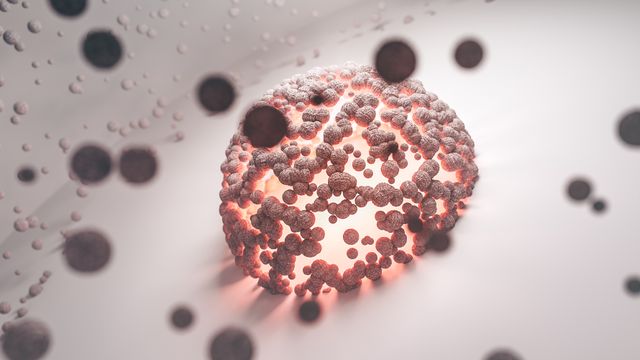
The human body is not a collection of independent organs performing isolated functions. It is an interconnected biological network in which the heart, brain, liver, kidneys, lungs, intestines, muscles and other organs continuously exchange information. A change in one organ can influence the activity of several others through hormones, nerve signals, immune responses, metabolic substances and circulating molecules. These interactions help the body maintain internal stability, respond to environmental changes and coordinate complex physiological processes.
For example, the intestine communicates with the brain through neural, hormonal and immune pathways. The kidneys influence cardiovascular function by regulating fluid balance, blood pressure and electrolyte levels. Similarly, signals released by muscles during physical activity can influence metabolism and other tissues. These relationships demonstrate that an event occurring in one organ may produce measurable effects elsewhere, sometimes before an obvious symptom develops.
Understanding these connections is a major challenge in modern biomedical research. Scientists can measure individual organ functions, identify circulating biomarkers and study specific communication pathways. However, interpreting how multiple organs influence one another over time remains complicated. This is where Organ Communication Intelligence could become important.
Organ Communication Intelligence refers to the use of artificial intelligence to analyse biological signals exchanged between organs, identify relationships across physiological systems and understand how changes in one organ may influence another. By combining information from medical records, laboratory tests, imaging, wearable devices and molecular research, AI could help researchers investigate the body’s communication networks with greater detail.
The central question is whether AI can move beyond studying individual organs and begin decoding the complex relationships that connect them.
Understanding the Concept of Organ-to-Organ Communication
Every organ performs specialised functions, but its activity depends on continuous communication with other parts of the body. This communication occurs through several biological channels, including the nervous system, endocrine system, immune system and circulatory system.
The nervous system provides rapid communication through electrical impulses and neurotransmitters. The endocrine system uses hormones released into the bloodstream to coordinate processes across distant tissues. Immune cells and inflammatory molecules communicate information about infections, tissue damage and other biological challenges. Metabolites and signalling proteins also carry information that can influence the behaviour of different organs.
These communication pathways operate simultaneously rather than independently. A single physiological change can activate several pathways, creating a chain of responses across the body.
For instance, when an individual experiences stress, the brain activates hormonal and nervous-system responses. These responses can influence heart rate, blood pressure, digestion, immune activity and metabolic processes. The resulting changes may also generate feedback signals that influence the brain and other organs.
This creates a dynamic communication network in which organs act as both signal producers and signal receivers. Understanding this network requires examining not only what happens within an organ but also how its activity affects other organs and how those organs respond in return.
Why Traditional Organ-Based Analysis Is Limited
Modern healthcare frequently organises diagnosis and treatment around individual medical specialties. Cardiologists focus on the heart, neurologists investigate the nervous system, nephrologists study kidney function and gastroenterologists examine digestive disorders. This specialised approach is essential because each organ has unique structures, functions and clinical requirements.
However, the boundaries between specialties do not reflect the way the human body actually operates. A problem originating in one organ may influence several others, and symptoms may appear in a different part of the body from where the original disturbance began.
For example, kidney dysfunction can contribute to cardiovascular complications through changes in blood pressure, fluid balance and biochemical regulation. Similarly, cardiovascular conditions may affect kidney function by altering blood flow and circulation. These interactions are often discussed through the concept of the cardiorenal system.
Traditional diagnostic methods can identify abnormalities in both organs, but understanding the direction, timing and strength of their interactions requires a broader analytical approach. A laboratory result may reveal that a particular biomarker is elevated, but it may not explain whether the change originated from one organ, resulted from another organ’s activity or emerged through a shared underlying process.
This is an important limitation that Organ Communication Intelligence seeks to address. Rather than treating each measurement as an isolated observation, AI could examine multiple signals together and investigate how they relate across organ systems.
How AI Could Decode Biological Signals Between Organs
Artificial intelligence can analyse large and complex datasets containing information that may be difficult to interpret through conventional statistical methods alone. Organ communication research could benefit from this capability because biological signals vary across individuals, change over time and interact through multiple pathways.
An AI system could combine clinical measurements, molecular information, physiological recordings and imaging data to construct a more comprehensive representation of organ activity. The objective would be to identify meaningful patterns and generate hypotheses about how signals move through the body.
Integrating Multimodal Biological Data
The first requirement for Organ Communication Intelligence is the ability to analyse different types of biological information together. Clinical datasets may contain blood pressure readings, heart rate measurements, hormone concentrations, kidney-function markers, liver enzymes and inflammatory indicators. Other datasets may include genetic information, protein expression, metabolite profiles and medical imaging.
Each data source provides a different perspective on physiological activity. Wearable devices may reveal changes in heart rate and activity levels, while laboratory tests can provide information about biochemical processes. Imaging may help researchers examine structural or functional changes in particular organs.
AI models could integrate these sources into a unified analytical framework. This would allow researchers to examine whether a change in one measurement is associated with changes elsewhere and whether these relationships remain consistent across different time periods.
However, combining data does not automatically establish biological communication. The system must account for measurement differences, missing information, individual variation and the possibility that two organs are responding to the same underlying factor.
Identifying Signal Relationships Through Machine Learning
Machine learning algorithms can examine relationships between multiple variables and identify patterns that may not be immediately visible. In organ communication research, these models could investigate how changes in one organ’s activity correspond with subsequent changes in another.
For example, researchers might analyse whether changes in inflammatory markers are followed by measurable changes in cardiovascular activity. A model could identify recurring patterns across large datasets and determine which signals frequently appear together.
Time-series analysis would be particularly important because biological communication occurs over time. A signal may appear in one organ before a measurable response develops elsewhere. By studying the timing and sequence of changes, AI could help researchers investigate potential communication pathways.
Nevertheless, correlation is not proof of causation. If two organ-related measurements change together, it does not necessarily mean that one organ directly influenced the other. Both may be responding to hormonal changes, medication, infection, physical activity or another shared influence.
Therefore, machine learning findings should be treated as research hypotheses that require biological and clinical validation.
Mapping the Human Body as a Biological Communication Network
One of the most promising applications of AI is the development of organ communication networks. In such a model, organs and tissues could be represented as interconnected nodes, while the signals exchanged between them could be represented as pathways or relationships.
For example, the brain, heart, lungs and kidneys could form part of a cardiovascular and neuroendocrine communication network. The liver, intestine, pancreas and adipose tissue could be examined as part of a metabolic network. The immune system could connect multiple organs through circulating inflammatory signals and immune-cell activity.
AI could analyse these networks to identify important communication pathways, highly connected organs and changes that appear to influence multiple systems. Graph-based machine learning, particularly graph neural networks, may offer useful methods for studying such interconnected relationships.
Unlike conventional models that examine variables independently, graph-based approaches can represent relationships between biological entities. They may help researchers investigate how a change in one node influences patterns elsewhere in the network.
For instance, researchers could study whether changes in intestinal microbial activity are associated with alterations in metabolic signalling, immune responses and brain-related measurements. Such an approach would provide a framework for examining the gut-brain axis alongside other biological connections.
However, a computational network is only as reliable as the biological evidence used to construct it. Researchers must distinguish experimentally established pathways from relationships that have only been predicted through data analysis.
Major Organ Communication Networks AI Could Investigate
Several established areas of biomedical research demonstrate why understanding communication between organs is important. AI could potentially improve the analysis of these relationships by integrating information from multiple biological systems.
The Gut-Brain Axis
The gut-brain axis describes communication between the gastrointestinal system and the central nervous system. This relationship involves neural pathways, hormonal signalling, immune activity and metabolites produced by intestinal microorganisms.
The vagus nerve provides an important communication route between the gut and brain. Hormones and immune signals also contribute to this interaction, while microbial metabolites can influence biological processes associated with both systems.
AI could analyse microbiome data, dietary records, inflammatory markers, neurological measurements and clinical information to investigate patterns within this network. Researchers may use these models to explore how changes in intestinal microbial communities relate to metabolic and neurological processes.
However, the gut-brain relationship is highly complex. AI should not claim that a particular microorganism directly causes a neurological condition simply because its presence is associated with certain measurements. Experimental studies and clinical evidence are necessary to establish meaningful biological mechanisms.
The Heart-Kidney Connection
The heart and kidneys have a closely interconnected relationship involving circulation, blood pressure, fluid regulation and hormonal signalling. The kidneys help regulate blood volume and electrolyte balance, while the heart supplies the circulation required for kidney function.
When one organ becomes impaired, the other may also experience functional changes. This interaction is particularly important in cardiorenal syndrome, where dysfunction in the cardiovascular and renal systems can contribute to a cycle of worsening physiological problems.
AI could examine blood pressure trends, kidney-function measurements, cardiac imaging, fluid-related indicators and medication records to investigate patterns across these systems. Such analysis may help researchers understand how changes in one organ correspond with changes in another and identify combinations of measurements that deserve further clinical investigation.
The Liver-Muscle Communication Network
The liver and skeletal muscles communicate through metabolic substances, hormones and signalling molecules. The liver helps regulate glucose and lipid metabolism, while skeletal muscles play an important role in energy utilisation and metabolic balance.
During physical activity, muscles release signalling molecules known as myokines. These substances can influence metabolic and physiological processes in other tissues. The liver also releases factors that participate in metabolic regulation.
AI could combine exercise data, glucose measurements, metabolic biomarkers and molecular information to investigate how physical activity influences liver-muscle interactions. Researchers could use this information to study metabolic adaptation, insulin sensitivity and energy regulation.
This could contribute to a more comprehensive understanding of how exercise affects the body beyond the muscles directly involved in movement.
The Lung-Heart Interaction
The lungs and heart operate together to maintain oxygen delivery and circulation. Changes in lung function can affect oxygen levels and place additional demands on the cardiovascular system. Similarly, cardiovascular dysfunction can influence the lungs through changes in blood circulation and fluid balance.
AI systems could analyse respiratory measurements, oxygen saturation, heart-rate patterns, imaging and relevant clinical indicators to study interactions between these organs. Such models may support research into conditions where respiratory and cardiovascular problems influence one another.
Wearable sensors could provide additional longitudinal information, although their measurements must be interpreted carefully because device accuracy varies across activities and individuals.
Can AI Identify Which Organ Sends the First Signal?
One of the most challenging questions in organ communication research is determining where a biological disturbance begins. If multiple organs show changes, researchers need to understand whether one organ initiated the response, whether another organ influenced it or whether both reacted to a third factor.
AI could help investigate this question by analysing the timing of biological measurements. For example, if a molecular signal changes before a measurable alteration appears in another organ, the sequence may provide a useful clue about a possible communication pathway.
Causal inference methods, time-series models and mechanistic simulations could help researchers evaluate these relationships. Some approaches examine whether changes in one variable improve predictions of another variable’s future behaviour. Others use biological knowledge to construct models of possible signalling pathways.
However, temporal order alone does not establish causation. A signal appearing earlier may not be the original cause of a later change. An unmeasured hormonal, environmental or immune factor could influence both organs.
To establish causal relationships, computational predictions need to be supported by additional evidence, including controlled experiments, molecular studies and carefully designed clinical research. AI can help narrow down possible explanations, but it cannot independently prove that one organ caused another organ’s response.
The Role of Digital Twins in Organ Communication Intelligence
Digital twins are computational representations of physical systems that can be updated using real-world information. In healthcare research, the concept is being explored as a way to model aspects of an individual’s physiology and simulate possible changes under different conditions.
An organ communication digital twin could represent multiple organs and the pathways connecting them. Instead of modelling the heart or liver independently, the system could examine how changes in one organ may affect other connected systems.
For example, researchers might simulate how changes in fluid balance influence cardiovascular function or investigate how metabolic changes affect communication between the liver and skeletal muscles. Such simulations could help generate research questions and explore possible physiological scenarios.
AI could make these models more adaptable by learning from clinical measurements, laboratory results and longitudinal observations. However, creating an accurate whole-body digital twin remains extremely challenging. Human physiology includes complex feedback loops, individual differences and biological mechanisms that are not yet fully understood.
Consequently, organ communication digital twins should currently be regarded as developing research approaches rather than complete virtual replacements for human physiological systems.
Applications in Early Disease Research and Personalised Healthcare
Organ Communication Intelligence could contribute to research into diseases that affect multiple organs. Many chronic conditions involve interconnected physiological changes rather than abnormalities limited to a single system.
Metabolic disorders, cardiovascular diseases, inflammatory conditions and kidney dysfunction can influence several organs through shared biological pathways. AI models that examine cross-organ signals may help researchers identify patterns associated with disease progression or changes in physiological stability.
For example, a model could examine whether a combination of metabolic, inflammatory and cardiovascular measurements provides more information than any single measurement. This could support research into risk patterns that are difficult to identify through isolated organ assessments.
The technology may also contribute to personalised healthcare research. Individuals differ in their physiological responses because of genetics, age, lifestyle, medication, environmental exposure and existing health conditions. AI could potentially identify individual patterns of organ communication and help researchers understand why similar exposures produce different outcomes.
However, predicting disease risk is not the same as diagnosing a condition. Any clinical use would require rigorous validation, assessment of false-positive and false-negative results, and appropriate medical oversight.
Challenges in Building Reliable Organ Communication AI
Despite its potential, Organ Communication Intelligence faces considerable scientific and technical challenges. The first is the availability of high-quality data. Information about different organs is often collected through separate tests, devices and clinical departments. These measurements may use different formats, time intervals and standards, making integration difficult.
Another challenge is biological variability. Hormone levels, metabolic activity, immune responses and organ functions change throughout the day and in response to food, exercise, stress, medication and environmental conditions. AI models must distinguish meaningful biological signals from ordinary fluctuations.
The problem of causality is equally important. A statistical relationship between two organs does not prove that they communicate directly. Models may identify patterns that result from shared influences rather than direct organ-to-organ signalling. Without experimental validation, these findings can lead to misleading interpretations.
There are also concerns about model transparency and bias. If an AI system cannot explain why it identifies a particular pathway as important, researchers may struggle to evaluate its conclusions. Models trained on incomplete or unrepresentative datasets may also perform poorly for certain populations.
Finally, privacy and data governance are essential. Organ communication research may involve highly sensitive genetic, molecular, physiological and clinical information. Secure data handling, appropriate consent and responsible research practices must remain central to system development.
The Future of Organ Communication Intelligence
The future of this field may involve combining artificial intelligence with systems biology, molecular medicine, computational physiology and advanced biological measurement technologies. Researchers could develop models that examine relationships across genes, proteins, metabolites, cells, tissues and entire organs.
Instead of analysing a single biomarker or isolated physiological measurement, these systems may investigate how multiple biological signals interact across different levels of the body. Advances in graph learning, multimodal AI and mechanistic modelling could make it possible to represent increasingly detailed communication networks.
Another important direction could involve longitudinal organ communication analysis. Rather than examining a patient’s measurements at one moment, researchers could study how signals evolve over months or years. This may help reveal patterns associated with ageing, recovery, adaptation and chronic disease progression.
In the longer term, AI could support the development of more integrated healthcare models in which organ systems are studied as interconnected biological networks. Such an approach may improve scientific understanding of complex diseases and help researchers investigate why a disturbance in one physiological system can produce consequences elsewhere.
Nevertheless, progress will depend on combining computational predictions with experimental biology and clinical evidence. A highly sophisticated algorithm cannot compensate for an incomplete understanding of the underlying biological mechanisms.
Conclusion
Organ Communication Intelligence represents a promising direction in biomedical research because it recognises that the human body functions through interconnected biological systems rather than isolated organs. Signals transmitted through hormones, nerves, immune responses and metabolic substances allow organs to coordinate their activities and respond to changing conditions.
Artificial intelligence could help researchers analyse these relationships by combining clinical measurements, molecular data, imaging and physiological recordings. Machine learning, graph neural networks, causal inference and digital-twin approaches may provide new ways to investigate how signals move between organs, how biological responses develop over time and which communication pathways deserve further study.
However, identifying a statistical relationship is not the same as discovering a confirmed biological mechanism. Reliable Organ Communication Intelligence will require high-quality datasets, transparent algorithms, experimental validation and careful clinical interpretation.
Online Internship with Certificate
You may be interested
Extracellular Matrix Intelligence: Body’s Structural Environment Affect Tissue Health
Anshika Jain - November 3, 2026The human body is often understood through its cells, organs, genes and biochemical processes. However, cells do not function independently. They exist within a complex structural environment…
Bone Remodeling Analytics: Balance Between Bone Formation and Breakdown
Anshika Jain - November 3, 2026Bones are often considered rigid structures that provide support, protect internal organs and enable movement. However, the human skeleton is far more dynamic than it appears. Throughout…
Lymphatic System Intelligence: Hidden Role of Lymphatic Function in Health
Anshika Jain - November 3, 2026The human body depends on several interconnected systems to maintain internal balance, protect against infections and support the functioning of organs. While the cardiovascular, respiratory, digestive and…
Most from this category

Epigenetic Response Forecasting: Environmental Exposures Influence Gene Regulation
Anshika Jain - November 3, 2026
Self-Care Stopping Rule: AI Recognize When a Lifestyle Experiment Should Stop
Anshika Jain - November 3, 2026


Epigenetic Response Forecasting: Environmental Exposures Influence Gene Regulation
Anshika Jain - November 3, 2026Self-Care Stopping Rule: AI Recognize When a Lifestyle Experiment Should Stop
Anshika Jain - November 3, 2026Food Substitution Equivalence: Can AI Find Plant-Based Alternatives
Anshika Jain - November 2, 2026




.png)
Leave a Comment
You must be logged in to post a comment.