Salt is one of the most commonly used ingredients in the world. It enhances flavor, preserves food, and plays an important role in many cultural and culinary traditions. From homemade meals to packaged snacks and restaurant dishes, salt is present in nearly everything people eat. While salt is essential for human health in small amounts, excessive consumption has become a major public health concern globally.
Salt contains sodium, a mineral that the body needs for several important functions. Sodium helps maintain fluid balance, supports nerve function, and assists muscle contractions. However, consuming too much sodium can place excessive strain on the body, particularly on the heart, blood vessels, and kidneys. High salt intake has been strongly linked to high blood pressure, heart disease, stroke, kidney problems, and other chronic health conditions.
Modern diets often contain far more salt than the body actually requires. Processed foods, fast foods, restaurant meals, canned products, sauces, and packaged snacks contribute large amounts of hidden sodium to daily intake. Many individuals consume excessive salt without even realizing it because sodium is frequently added during food manufacturing rather than only during cooking or at the table.
Understanding how much salt the body truly needs and recognizing the risks of excessive intake are essential for maintaining long-term health. Reducing salt consumption does not mean eliminating flavor or avoiding all enjoyable foods. Instead, it involves making informed dietary choices, developing healthier eating habits, and creating balance within daily nutrition.
Understanding Salt and Sodium
Although the terms “salt” and “sodium” are often used interchangeably, they are not exactly the same. Table salt is chemically known as sodium chloride and consists of approximately 40 percent sodium and 60 percent chloride.
Salt (NaCl)=40% Sodium+60% Chloride\text{Salt (NaCl)} = 40\%\ \text{Sodium} + 60\%\ \text{Chloride}Salt (NaCl)=40% Sodium+60% Chloride
Sodium is the component most closely associated with health concerns such as hypertension and cardiovascular disease. The body requires sodium to regulate fluid levels, maintain nerve signaling, and support muscle activity. However, because sodium is present naturally in many foods and added extensively during processing, people often consume much more than necessary.
Salt is widely used not only for taste but also as a preservative that helps extend shelf life and improve food texture. Processed meats, canned soups, instant noodles, frozen meals, sauces, bread, and snack foods are common sources of added sodium.
Even foods that do not taste particularly salty may contain high amounts of sodium. As a result, individuals may unknowingly exceed recommended daily limits.
Why the Body Needs Salt
Salt is essential for survival when consumed in appropriate amounts. Sodium helps maintain fluid balance within and outside cells, ensuring proper hydration and blood volume regulation.
The nervous system relies on sodium for transmitting electrical signals between nerves and muscles. Without sufficient sodium, muscle contractions and nerve communication may become impaired.
Sodium also helps regulate blood pressure and supports normal kidney function. During exercise or hot weather, the body loses sodium through sweat, making replacement necessary to maintain electrolyte balance.
However, the body requires only a relatively small amount of sodium to perform these functions effectively. Modern diets often provide far more sodium than biologically necessary, leading to potential health risks.
The kidneys play a major role in regulating sodium balance by filtering excess sodium from the bloodstream. When sodium intake becomes consistently excessive, the kidneys and cardiovascular system experience increased strain.
Recommended Daily Salt Intake
Health organizations around the world provide guidelines regarding safe sodium and salt consumption levels. Most adults are advised to consume less than 2,300 milligrams of sodium per day, which is approximately equivalent to one teaspoon of salt.
2300 mg Sodium≈1 teaspoon of salt2300\ \text{mg Sodium} \approx 1\ \text{teaspoon of salt}2300 mg Sodium≈1 teaspoon of salt
For individuals with high blood pressure, heart disease, kidney disease, or other cardiovascular risk factors, lower sodium limits may be recommended.
Unfortunately, average sodium intake in many countries significantly exceeds these recommendations. Processed foods contribute the majority of daily sodium intake, often making it difficult for people to stay within healthy limits.
Children and adolescents also consume excessive salt through snacks, fast food, and packaged products, increasing the risk of developing unhealthy dietary habits early in life.
Maintaining moderate salt intake is therefore important for both immediate and long-term health.
How Excess Salt Affects the Body
Excessive salt consumption affects several systems within the body, particularly the cardiovascular and renal systems. When sodium levels rise, the body retains more water to maintain fluid balance. This increased fluid volume raises blood pressure by placing additional pressure on blood vessel walls.
Over time, persistently elevated blood pressure damages arteries and forces the heart to work harder. This increases the risk of hypertension, heart attacks, strokes, and heart failure.
Excess sodium also affects kidney function. The kidneys must work harder to filter and remove excess sodium from the body. Chronic high salt intake may contribute to kidney disease and impaired renal function.
Additionally, excessive sodium may increase calcium loss through urine, potentially affecting bone health over time. Some studies suggest links between high sodium intake and osteoporosis risk, particularly in older adults.
Swelling and water retention are also common effects of excessive salt consumption. Individuals may experience bloating, puffiness, or temporary weight gain due to fluid retention.
Although the body can tolerate occasional high-salt meals, consistent excessive intake creates long-term health risks.
Salt and High Blood Pressure
One of the strongest health concerns related to excessive salt intake is high blood pressure, also known as hypertension. Blood pressure measures the force of blood against artery walls as the heart pumps blood throughout the body.
When sodium intake is too high, the body retains additional water to dilute the excess sodium in the bloodstream. This extra fluid increases blood volume, which raises blood pressure.
Higher Sodium Intake→Increased Fluid Retention→Higher Blood Pressure\text{Higher Sodium Intake} \rightarrow \text{Increased Fluid Retention} \rightarrow \text{Higher Blood Pressure}Higher Sodium Intake→Increased Fluid Retention→Higher Blood Pressure
Hypertension often develops gradually and may not produce noticeable symptoms until significant damage has occurred. It is commonly referred to as a “silent killer” because many individuals remain unaware they have high blood pressure.
Reducing sodium intake has been shown to lower blood pressure in many people, particularly those who are salt-sensitive. Salt sensitivity varies between individuals, but older adults, individuals with obesity, and those with existing hypertension often respond strongly to sodium reduction.
Managing salt intake is therefore an important strategy for preventing and controlling hypertension.
Processed Foods and Hidden Sodium
Many people assume they consume too much salt because they add it during cooking or at the table. However, the majority of dietary sodium actually comes from processed and restaurant foods rather than home-added salt.
Packaged snacks, processed meats, canned soups, frozen meals, instant noodles, sauces, bread, cheese, and fast food products often contain surprisingly high sodium levels. Manufacturers use salt to enhance flavor, preserve freshness, and improve texture.
Even foods marketed as healthy may contain significant sodium amounts. Salad dressings, breakfast cereals, flavored yogurts, and whole-grain products can contribute hidden sodium to the diet.
Reading nutrition labels is therefore an important habit for managing salt intake. Paying attention to sodium content allows individuals to make more informed food choices and compare products more effectively.
Preparing meals at home using fresh ingredients generally provides greater control over sodium consumption.
Salt Intake and Heart Disease
High salt intake contributes significantly to cardiovascular disease risk. Elevated blood pressure caused by excessive sodium damages blood vessels and increases strain on the heart.
Over time, hypertension may lead to artery hardening, reduced blood flow, and increased risk of heart attacks and strokes. Heart disease remains one of the leading causes of death globally, and excessive sodium intake is considered a major contributing factor.
Reducing sodium consumption can support heart health by lowering blood pressure and reducing cardiovascular strain. Diets rich in fruits, vegetables, whole grains, and potassium-rich foods are especially beneficial for balancing sodium levels and supporting healthy circulation.
Healthy lifestyle habits such as exercise, weight management, stress reduction, and avoiding smoking further improve cardiovascular protection.
Effects on Kidney Health
The kidneys play a central role in maintaining sodium balance and regulating blood pressure. Excessive sodium intake increases workload on the kidneys, forcing them to filter greater amounts of sodium and fluid.
Over time, chronic high salt intake may damage kidney blood vessels and impair kidney function. Individuals with existing kidney disease are particularly vulnerable because damaged kidneys struggle to regulate sodium and fluid balance effectively.
Reduced kidney function can create a harmful cycle where fluid retention and blood pressure continue to worsen. Managing sodium intake is therefore an essential component of kidney disease prevention and treatment.
Hydration and balanced nutrition also support kidney health by helping maintain proper fluid and electrolyte balance.
Salt and Children’s Health
Excessive salt intake is not only a concern for adults. Many children and teenagers consume high levels of sodium through processed snacks, fast foods, sugary beverages, and packaged meals.
Developing a preference for salty foods early in life may increase long-term risk of hypertension and unhealthy eating habits. Childhood obesity and elevated blood pressure have become increasingly common in many countries, partly due to poor dietary patterns.
Children generally require less sodium than adults because of their smaller body size and lower energy needs. Encouraging fresh foods, home-cooked meals, fruits, vegetables, and healthier snacks can help establish balanced dietary habits from an early age.
Parents and schools both play important roles in promoting nutrition awareness and healthier food environments for children.
Reducing Salt Intake Without Sacrificing Flavor
Many people worry that reducing salt will make food bland or less enjoyable. However, taste preferences can gradually adapt over time, allowing individuals to appreciate natural flavors more fully.
Herbs, spices, garlic, lemon juice, vinegar, and fresh ingredients can enhance flavor without relying heavily on salt. Cooking at home provides opportunities to experiment with healthier seasonings and control sodium levels.
Gradually reducing salt rather than eliminating it suddenly often makes the adjustment easier. Over time, heavily salted foods may begin to taste excessively salty as the palate becomes more sensitive.
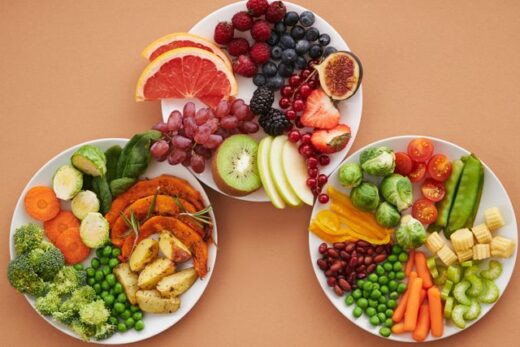
Choosing fresh foods over packaged products also naturally lowers sodium intake. Fruits, vegetables, legumes, lean proteins, and whole grains generally contain less sodium than processed alternatives.
Mindful eating and nutrition awareness help individuals make healthier long-term dietary choices without feeling deprived.
The Role of Potassium in Sodium Balance
Potassium is an important mineral that helps balance sodium levels and support healthy blood pressure regulation. While sodium tends to increase blood pressure, potassium helps relax blood vessels and promote sodium excretion through urine.
Fruits and vegetables such as bananas, spinach, potatoes, avocados, beans, and oranges are rich in potassium. Diets high in potassium-rich foods are associated with improved cardiovascular health and lower hypertension risk.
Rather than focusing only on reducing sodium, improving overall dietary quality by increasing nutrient-rich foods can significantly support heart and kidney health.
Balanced nutrition provides a more sustainable and effective approach to maintaining healthy blood pressure and electrolyte balance.
Public Health Efforts and Awareness
Many governments and health organizations have recognized excessive sodium intake as a major public health issue. Educational campaigns, food labeling regulations, and sodium reduction initiatives aim to raise awareness and encourage healthier dietary habits.
Some countries have worked with food manufacturers to reduce sodium levels in processed foods gradually. Improved nutrition labeling also helps consumers identify high-sodium products more easily.
Despite these efforts, public awareness remains essential. Individuals who understand the health risks of excessive salt intake are more likely to make informed dietary decisions and adopt healthier habits.
Creating supportive food environments in schools, workplaces, restaurants, and communities can further encourage balanced nutrition.
Conclusion
Salt is an essential nutrient that supports important bodily functions, including fluid balance, nerve signaling, and muscle function. However, excessive salt intake has become a major health concern due to its strong association with high blood pressure, heart disease, kidney problems, and other chronic conditions.
Modern diets often contain far more sodium than the body requires, largely because of processed and packaged foods. Many individuals consume excessive salt unknowingly through hidden sodium sources in everyday meals and snacks.
Understanding how much salt is too much allows individuals to make healthier dietary choices and reduce long-term health risks. Limiting processed foods, reading nutrition labels, preparing fresh meals, and using alternative seasonings are practical ways to manage sodium intake effectively.
Reducing salt consumption does not mean sacrificing flavor or enjoyment. Instead, it involves creating balance, increasing nutrition awareness, and developing healthier eating habits that support long-term well-being.
Ultimately, moderation is the key to maintaining healthy salt intake. By making informed food choices and prioritizing balanced nutrition, individuals can protect heart health, support kidney function, and improve overall quality of life.












.png)
Leave a Comment
You must be logged in to post a comment.