

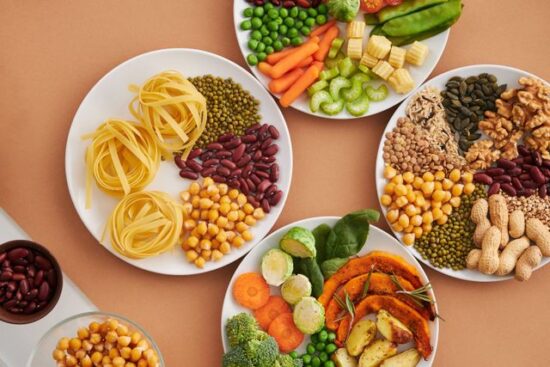
Nutritional Adequacy Gap Detection:What Your Regular Meals Consistently Fail to Provide
Anshika Jain - November 24, 2026Eating regular meals does not necessarily mean that the body receives all the nutrients it needs. A person may follow a consistent eating schedule, consume familiar homemade…
Meal Compatibility Engine That Predicts How Foods Work Together Inside Your Body
Anshika Jain - November 24, 2026Food is rarely consumed as an isolated ingredient. Most meals combine several foods that interact through digestion, nutrient absorption, metabolism, and other biological processes. A plate containing…
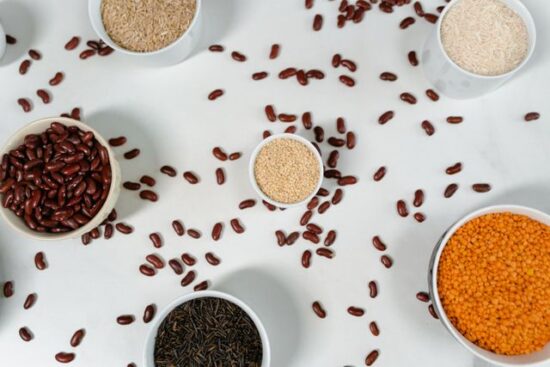
Plant Protein Aggregation Dynamics: How Plant Proteins Interact During Food Processing
Anshika Jain - November 20, 2026Plant-based foods have become an important area of food science research as manufacturers and researchers explore alternative protein sources, sustainable food production and improved nutritional formulations. Ingredients…
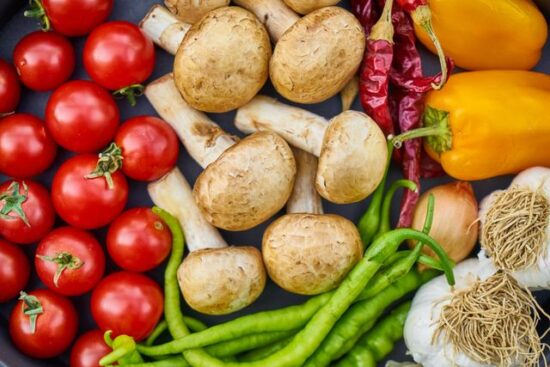
Longitudinal Nutritional Evidence Intelligence: Findings from long-term dietary studies
Anshika Jain - November 20, 2026Understanding how diet influences human health requires more than examining what people eat over a few days or weeks. Nutritional effects can develop gradually, change with age…

Environmental Chemical Exposure Attribution: Distinguish contributions of food and household products
Anshika Jain - November 20, 2026Human beings are exposed to a wide range of environmental chemicals through everyday activities. The food people consume, the water they drink, the air they breathe and…
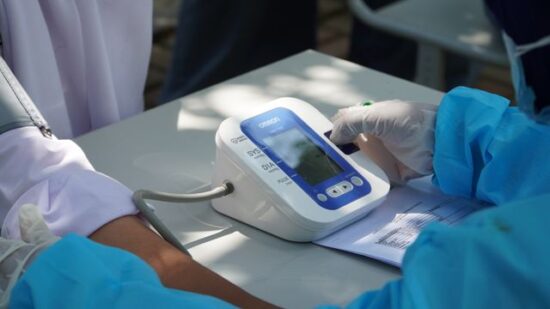
Preventive Healthcare Intervention Portfolios: Researchers Compare small preventive interventions
Anshika Jain - November 20, 2026Preventive healthcare focuses on reducing the likelihood of diseases, identifying health risks early and improving long-term wellbeing before serious medical conditions develop. Traditional healthcare strategies often concentrate…

Food-System–Health Causal Modelling: Agricultural practices and dietary outcomes
Anshika Jain - November 20, 2026Human health is influenced by much more than individual food choices. The food people consume is the result of a complex system involving agricultural production, processing technologies,…

Emotional Eating Context Reconstruction: Distinguish Between hunger-driven eating and eating
Anshika Jain - November 20, 2026Eating is often understood as a biological response to hunger, but human food choices are influenced by much more than the body's nutritional requirements. Emotions, stress, social…
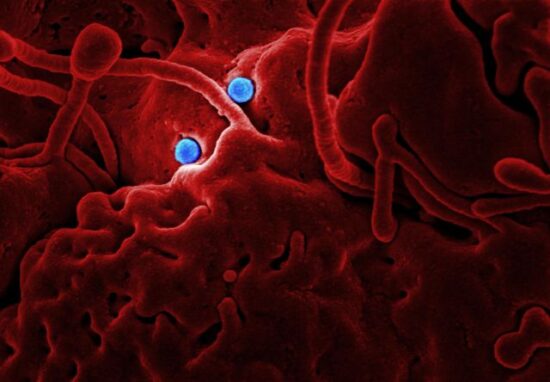
Extracellular Vesicle Communication Analysis: Tiny particles released by cells transport biological information between tissues
Anshika Jain - November 19, 2026The human body contains billions of cells that continuously exchange information to coordinate biological activities. Cells communicate through chemical signals, hormones, electrical impulses and direct physical interactions.…

Glycoprotein Structure Prediction: Changes in Protein-linked sugar structures
Anshika Jain - November 19, 2026Proteins are responsible for many essential biological activities, including cellular communication, immune defence, molecular transport, tissue development and the regulation of biochemical reactions. However, proteins do not…
.png)