
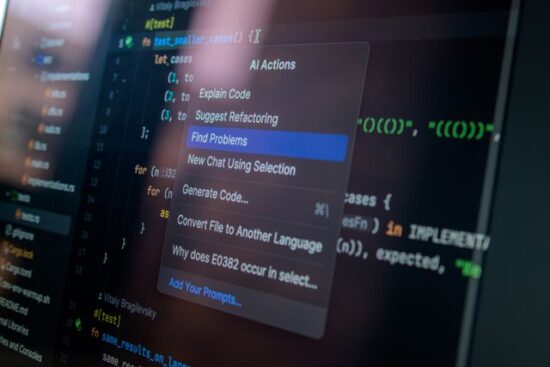
AI Develop a Recovery Scheduling Engine That Finds Different Forms of Self-Care
Anshika Jain - November 25, 2026Modern lifestyles often make self-care difficult to organise. People may understand the importance of sleeping adequately, exercising regularly, eating balanced meals, managing stress and taking breaks, yet…

AI Detect Muscle Group Imbalance Through Everyday Movement Instead of Only Gym Tests
Anshika Jain - November 25, 2026Muscle imbalances are often discussed in the context of gym training. Fitness assessments may compare the strength of different muscle groups, examine left-right differences or evaluate how…

Nutritional Redundancy Detector: When Your Diet Repeatedly Depends on the Same Nutrients
Anshika Jain - November 24, 2026A balanced diet is often associated with consuming sufficient amounts of essential nutrients. However, nutritional adequacy is not determined only by whether a person meets daily requirements…

Can AI Identify Hidden Nutritional Trade-Offs When You Replace One Food With Another
Anshika Jain - November 24, 2026Food substitutions are a regular part of everyday eating. People replace white rice with brown rice, regular milk with plant-based alternatives, sugar with artificial sweeteners, butter with…
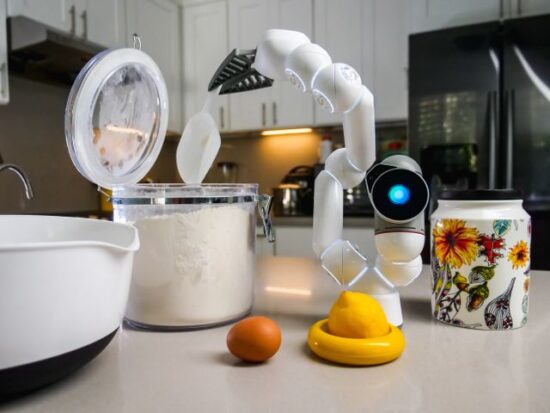
AI-Powered Portion Adaptation: Could Food Quantities Change Automatically
Anshika Jain - November 24, 2026The amount of food a person needs is not necessarily the same every day. Physical activity, work schedules, sleep, recovery, age, and individual nutritional requirements can influence…

AI Predict Whether Your Next Meal Will Support or Interfere With Your Planned Physical Activity
Anshika Jain - November 24, 2026Food and physical activity are closely connected because the body depends on nutrients and energy to perform movement, maintain normal functions, and recover after exertion. However, the…

Nutritional Adequacy Gap Detection:What Your Regular Meals Consistently Fail to Provide
Anshika Jain - November 24, 2026Eating regular meals does not necessarily mean that the body receives all the nutrients it needs. A person may follow a consistent eating schedule, consume familiar homemade…
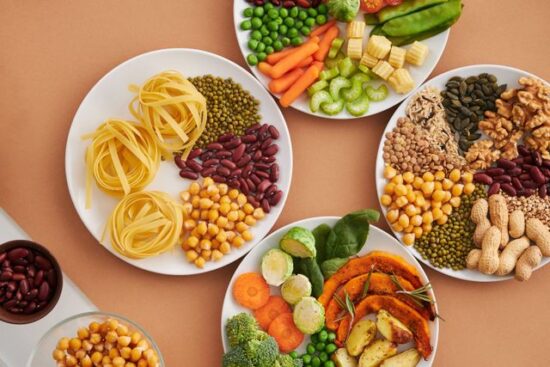
Meal Compatibility Engine That Predicts How Foods Work Together Inside Your Body
Anshika Jain - November 24, 2026Food is rarely consumed as an isolated ingredient. Most meals combine several foods that interact through digestion, nutrient absorption, metabolism, and other biological processes. A plate containing…

Plant Protein Aggregation Dynamics: How Plant Proteins Interact During Food Processing
Anshika Jain - November 20, 2026Plant-based foods have become an important area of food science research as manufacturers and researchers explore alternative protein sources, sustainable food production and improved nutritional formulations. Ingredients…
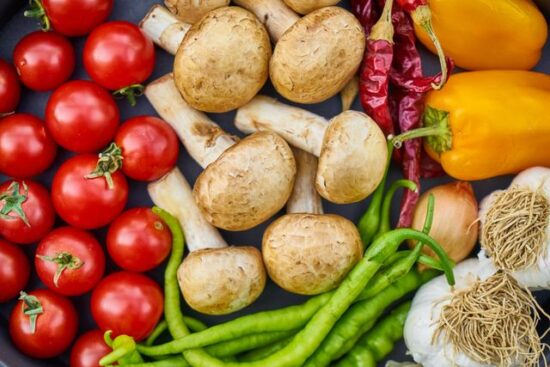
Longitudinal Nutritional Evidence Intelligence: Findings from long-term dietary studies
Anshika Jain - November 20, 2026Understanding how diet influences human health requires more than examining what people eat over a few days or weeks. Nutritional effects can develop gradually, change with age…
.png)