
Why Digital Overload Is Creating a New Conversation About Rest


Digital technology has transformed the way people work, communicate, learn, shop, and entertain themselves. Smartphones, laptops, tablets, and connected devices have made everyday activities faster and more convenient. People can attend meetings remotely, access educational resources instantly, communicate across borders, and manage important responsibilities through digital platforms. However, constant connectivity has also introduced a new challenge: digital overload. As screens become a regular part of professional and personal life, many people are beginning to question whether they are genuinely resting or simply moving from one digital activity to another.
Rest was traditionally associated with sleeping, taking a break from work, spending time outdoors, or enjoying quiet moments without responsibilities. Today, rest often takes place alongside notifications, social media scrolling, online entertainment, and digital conversations. A person may finish working on a laptop and immediately begin watching videos on a smartphone, believing that this transition represents relaxation. Although such activities may provide temporary enjoyment, they do not always create the mental distance needed for meaningful recovery.
The growing discussion about rest is not necessarily a rejection of technology. Instead, it reflects a growing awareness that digital tools need to be used intentionally. People are exploring ways to create healthier boundaries between work and personal life, reduce unnecessary screen exposure, improve sleep routines, and protect their mental energy. This conversation is especially important in a society where being available, responsive, and digitally active is often treated as a sign of productivity. Understanding digital overload and redefining rest can help individuals develop more balanced and sustainable lifestyles.
Understanding Digital Overload in Modern Life
Digital overload occurs when individuals experience excessive exposure to digital information, communication, notifications, and screen-based activities. It can develop when people manage multiple applications, respond to frequent messages, attend online meetings, consume large amounts of content, and remain connected throughout the day. The issue is not determined only by the number of hours spent using technology. The type of activity, level of concentration, emotional response, and lack of breaks also influence how digital engagement affects a person.
For example, an employee may spend eight hours working on a computer, check messages during meals, scroll through social media during breaks, and watch online videos before sleeping. A student may attend virtual classes, complete assignments using a laptop, communicate through messaging applications, and use the same device for entertainment. Although each activity may appear manageable on its own, the continuous combination can make it difficult for the brain to experience a genuine pause.
Digital overload can also occur because online platforms are designed to encourage repeated engagement. Notifications, recommendations, updates, and alerts compete for attention and encourage users to return frequently. Over time, people may begin checking their devices automatically, even when there is no urgent need. This pattern can reduce the quality of breaks and make quiet moments feel unfamiliar.
Why People Are Reconsidering the Meaning of Rest
The modern understanding of rest is changing because people are becoming more aware that inactivity and recovery are not always the same. Watching entertainment content may feel relaxing, but constantly processing information can leave the mind active. Similarly, spending time on social media may provide amusement or connection, yet it can also introduce comparison, emotional stimulation, and information fatigue.
Meaningful rest involves creating opportunities for the body and mind to recover from sustained effort. This may include sleep, physical movement, social connection, time in nature, creative activities, mindfulness, or simply being away from constant demands. Different people recover in different ways, but a common feature of effective rest is that it reduces pressure rather than adding more stimulation.
The conversation about rest is therefore moving beyond the idea that people should only take breaks after completing every task. Instead, rest is increasingly being viewed as a necessary part of maintaining long-term well-being. People are asking whether their daily routines allow enough time for recovery, whether their devices interrupt peaceful moments, and whether their leisure activities genuinely help them feel refreshed.
The Hidden Mental Cost of Constant Connectivity
One of the most important concerns associated with digital overload is the mental effort required to respond to continuous information. Even when a person is not actively replying to a message, the presence of notifications can create a sense of expectation. Individuals may feel that they should check their email, respond to colleagues, read updates, or remain available in case something important happens.
This state of continuous readiness can make it difficult to disconnect from responsibilities. Remote work has increased flexibility for many professionals, but it has also blurred the boundary between working hours and personal time. A work-related message received in the evening may cause a person to return mentally to unfinished tasks. Similarly, students may find it difficult to separate study time from digital entertainment when both activities happen on the same device.
Constant connectivity can also encourage fragmented attention. Instead of focusing on one activity, people may switch between conversations, applications, websites, and notifications. Repeated interruptions can make ordinary tasks feel more demanding and may reduce the sense of calm associated with free time. As a result, people may need rest not only from physical work but also from the constant process of monitoring and responding.
Digital Entertainment and the Illusion of Recovery
Digital entertainment is not inherently harmful. Streaming platforms, online games, social media, and digital communities can provide enjoyment, creativity, and social interaction. However, the way people use these platforms can influence whether the activity supports recovery or contributes to further stimulation.
A person who spends the day handling complex responsibilities may turn to short videos or social media for a quick break. One video may become dozens, and a short session may continue longer than intended. Recommendation systems make it easy to move from one piece of content to another without making a conscious decision. In some cases, users finish scrolling without feeling particularly satisfied or refreshed.
The issue is not that all screen-based leisure should be avoided. Instead, people can benefit from recognizing the difference between intentional entertainment and automatic consumption. Choosing a film, listening to music, or speaking with a friend online may be a deliberate leisure activity. Scrolling continuously because of boredom, stress, or habit may provide a different experience. Recognizing this difference can help individuals make better decisions about how they spend their free time.
How Digital Overload Affects Sleep and Evening Routines
Rest and sleep are closely connected, and digital habits can influence the quality of evening routines. Many people use smartphones in bed, check messages before sleeping, or watch content late into the night. These habits may delay bedtime, increase mental stimulation, or make it more difficult to maintain a consistent sleep schedule. Screen exposure is one consideration, but the content people consume and the emotional response it creates can also affect their ability to settle down.
Work emails, intense discussions, breaking news, and engaging entertainment may keep the mind active when the body needs to prepare for sleep. The habit of checking a device whenever someone wakes during the night can further reinforce the connection between the bed and digital activity. Over time, the bedroom may become a place for work, entertainment, communication, and browsing rather than a space associated primarily with rest.
Creating a calmer evening routine can help people establish a clearer transition from activity to sleep. This may involve reducing unnecessary notifications, keeping devices away from the bed, reading a physical book, practicing gentle stretching, or spending time in quiet conversation. These practices are not universal solutions, but they can support a more intentional approach to nighttime recovery.
The Relationship Between Rest, Productivity, and Performance
Modern culture often presents productivity as the ability to remain active for long periods. People may feel guilty when they take breaks, particularly when they have unfinished tasks or demanding professional expectations. However, continuous activity does not always lead to better performance. Without sufficient recovery, concentration, motivation, and decision-making may become more difficult.
Rest can support productivity by allowing individuals to return to tasks with renewed attention. Short pauses during work may help reduce mental fatigue, while longer periods away from responsibilities can provide broader recovery. Rest also creates space for reflection and problem-solving. Some ideas emerge more naturally when individuals are not actively focusing on a specific task.
A healthier productivity mindset recognizes that work and rest are connected rather than opposing forces. Employees, students, and independent professionals may benefit from planning breaks as part of their schedules instead of treating them as rewards that can only be earned after all work is finished. Organizations can also contribute by establishing realistic communication expectations and respecting time away from work.
Why Rest Is Becoming a Lifestyle Priority
The growing interest in wellness has encouraged people to consider rest as part of everyday lifestyle management. Earlier discussions about health often focused primarily on exercise, nutrition, and medical care. These areas remain important, but people are also recognizing the role of sleep, stress management, emotional balance, and digital boundaries.
Rest is becoming a lifestyle priority because many individuals experience busy schedules that combine professional responsibilities, family commitments, commuting, education, and online engagement. When every part of the day is filled with activity, recovery may be postponed repeatedly. Over time, this can create a cycle in which people remain busy but feel increasingly exhausted.
The new conversation about rest emphasizes prevention and consistency. Instead of waiting until they feel completely overwhelmed, individuals are exploring small ways to protect their energy throughout the day. This may include taking screen-free breaks, spending time outdoors, setting boundaries around work communication, and maintaining regular sleep habits. The objective is not to create a perfect routine but to make recovery a regular part of daily life.
The Importance of Screen-Free Breaks
Screen-free breaks can provide a useful alternative to continuous digital engagement. These breaks do not need to be long or complicated. A person may step outside, walk around the room, prepare a meal, practice breathing exercises, or sit quietly for a few minutes. The value comes from creating a temporary separation from digital information and demands.
Physical movement can be especially helpful for people who spend long hours sitting at desks. Walking, stretching, or changing posture can introduce variety into the day and support physical comfort. Outdoor breaks may also provide exposure to natural surroundings, which many people find calming and refreshing.
Screen-free breaks can also encourage greater awareness of personal needs. When individuals are not distracted by notifications or content, they may notice whether they are tired, hungry, tense, or emotionally overwhelmed. This awareness can help them make more appropriate choices rather than automatically reaching for a device whenever they experience discomfort or boredom.
Building Healthier Digital Boundaries
Digital boundaries are personal rules that define when, where, and how technology is used. They can help individuals manage digital overload without completely abandoning the tools they rely on. Effective boundaries should be realistic and suited to a person’s responsibilities.
One useful approach is to establish specific periods for checking messages and email rather than responding to every notification immediately. People may also choose to disable nonessential alerts, use focus settings during concentrated work, or keep personal and professional applications separate when possible. These changes can reduce interruptions and make technology use more intentional.
Boundaries around personal time are equally important. Individuals who work remotely may benefit from creating a clear end-of-day routine, such as closing work applications, organizing the next day’s priorities, and moving away from the workspace. Students can establish dedicated study periods and avoid mixing every break with social media or entertainment.
Healthy boundaries should not create unnecessary stress. Some people need to remain available for family, work, or urgent responsibilities. In such cases, the goal is to identify which notifications and activities require immediate attention and which can wait. A flexible boundary is often more sustainable than a strict rule that does not reflect real-life needs.
The Role of Mindfulness in Recovering Attention
Mindfulness involves paying attention to the present moment with awareness and without unnecessary judgment. It can be practiced through breathing exercises, meditation, mindful walking, or simply focusing on one activity at a time. In the context of digital overload, mindfulness can help individuals recognize automatic habits and make more deliberate choices.
For example, a person may notice that they reach for their phone whenever they feel bored or uncomfortable. Rather than responding automatically, they can pause and ask whether they actually need to use the device. This small moment of awareness can create an opportunity to choose a different activity, such as stretching, resting, or speaking with someone nearby.
Mindfulness does not require complete silence or lengthy meditation sessions. A few minutes of focused breathing or attention to the surrounding environment may help create a transition between demanding activities. The broader purpose is to reduce automatic reactions and develop a more balanced relationship with technology.
How Workplaces and Educational Institutions Can Support Rest
Digital well-being is not only an individual responsibility. Workplaces and educational institutions also influence how people use technology and how much time they have for recovery. When employees are expected to respond immediately at all times, it becomes difficult to maintain meaningful personal boundaries. Similarly, students may experience digital fatigue when learning platforms, assignments, assessments, and communication are concentrated on screens without sufficient breaks.
Organizations can support healthier routines by communicating clear expectations about availability, encouraging reasonable breaks, and avoiding unnecessary messages outside working hours. Managers can focus on outcomes rather than constant online presence. Educational institutions can provide varied learning methods, encourage movement between sessions, and help students understand responsible digital habits.
These changes do not require technology to be removed from professional or educational environments. Instead, they encourage more thoughtful use of digital tools. Technology can support learning and productivity while still allowing time for rest, offline activities, and human interaction.
Rest in the Age of Smart Devices and Artificial Intelligence
Smart devices and artificial intelligence are changing how people manage schedules, communication, health tracking, and entertainment. These tools can help users organize tasks, monitor habits, and receive reminders. Digital wellness applications may encourage breaks, breathing exercises, or sleep routines. However, technology designed to support well-being must be used carefully.
A wellness application can remind someone to take a break, but the person still needs to act on that reminder. Similarly, a sleep-tracking device may provide information about sleeping patterns, but excessive monitoring can sometimes create additional worry. The purpose of digital wellness tools should be to support awareness rather than create another source of pressure.
As AI-powered assistants become more common, users may also need to consider how frequently they rely on digital systems for decisions, entertainment, and communication. Technology can simplify daily tasks, but it should not eliminate every opportunity for quiet reflection or independent thought. The future of digital well-being will involve balancing convenience with intentional offline experiences.
Practical Ways to Create a More Restful Daily Routine
Developing a healthier relationship with technology often begins with small, consistent changes. People can start by observing when and why they use their devices. Identifying patterns, such as checking social media during stressful moments or responding to work messages late at night, can help reveal where boundaries may be useful.
Creating screen-free periods during meals, before bedtime, or during short breaks can provide opportunities for recovery. Individuals can also choose offline activities that they genuinely enjoy, including walking, reading, journaling, cooking, gardening, music, or spending time with family. These activities may feel more restorative when they are selected intentionally rather than used only as distractions.
It is also important to avoid treating rest as another task that must be completed perfectly. Missing a screen-free evening or spending extra time online does not mean that a routine has failed. Sustainable change develops through flexibility, awareness, and gradual improvement. The goal is to create a lifestyle in which rest is respected and regularly practiced.
Changing Social Attitudes Toward Rest
The conversation about rest is also challenging social attitudes that associate constant busyness with success. In many environments, people feel pressure to demonstrate productivity by staying online, replying quickly, and filling their schedules. This can create the impression that rest is unproductive or that taking breaks reflects a lack of ambition.
A healthier approach recognizes that personal value should not be measured by constant availability. People need time for sleep, relationships, creativity, reflection, and recovery. Rest can support long-term participation in professional and personal activities rather than preventing achievement.
Changing these attitudes requires both individual awareness and collective support. When workplaces, families, and communities respect boundaries, people may feel more comfortable taking necessary breaks. When rest is viewed as a normal part of life instead of an occasional luxury, individuals can build healthier expectations for themselves and others.
Conclusion: Rest as a Necessary Part of Digital Well-Being
Digital technology has created valuable opportunities for communication, education, work, and entertainment, but constant connectivity has also changed the way people experience free time. Digital overload can make it difficult to disconnect, concentrate, sleep consistently, and experience genuine recovery. As a result, more people are reconsidering what rest means and how it should fit into modern routines.
The new conversation about rest is not about rejecting technology. It is about using digital tools with greater awareness and protecting time for activities that restore physical and mental energy. Screen-free breaks, mindful routines, clear boundaries, healthy sleep habits, and realistic expectations can all contribute to a more balanced lifestyle.
Rest should not be viewed as wasted time or something reserved for periods of exhaustion. It is an essential part of sustainable productivity, personal well-being, and everyday health. In an increasingly connected world, learning when to pause may become just as important as learning how to stay connected.
You may be interested

The Rise of Slow Living: Can Doing Less Become a Healthier Lifestyle?
Anshika Jain - September 18, 2026Modern life often encourages people to stay busy. Professional responsibilities, academic goals, social commitments, digital communication, and personal ambitions can create schedules filled with constant activity. Many…

Work, Screens and Stress: Why Modern Life Is Changing How People Rest
Anshika Jain - September 18, 2026Rest has always been an important part of human well-being, but modern lifestyles are changing how people experience it. In earlier generations, the end of a working…
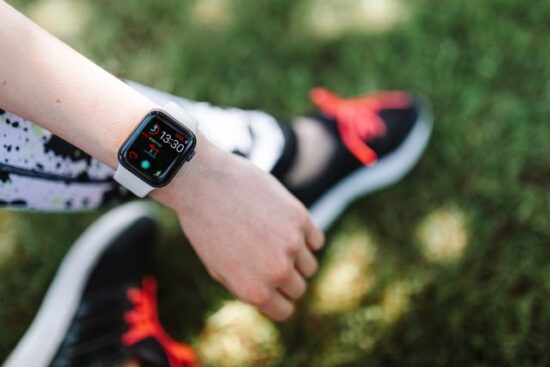
From Step Counters to AI Coaches: The Evolution of Digital Fitness
Anshika Jain - September 18, 2026Fitness has always been an important part of personal well-being, but the way people exercise and monitor their progress has changed significantly over time. Earlier, individuals often…
Most from this category
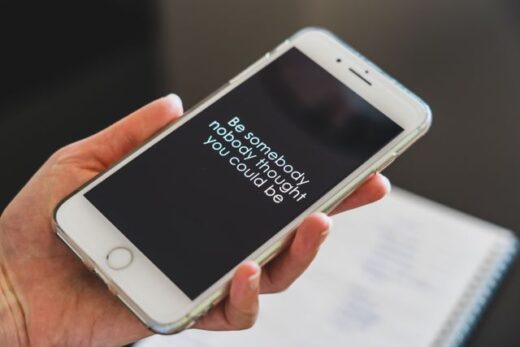

Health Apps Are Everywhere: How Smartphones Are Becoming Personal Wellness Tools
Anshika Jain - September 18, 2026
The Anti-Sitting Movement: Why Experts Are Paying More Attention to Everyday Inactivity
Anshika Jain - September 17, 2026
The 10-Minute Break Movement: Why Short Breaks Matter in Busy Lives
Anshika Jain - September 17, 2026
Health Apps Are Everywhere: How Smartphones Are Becoming Personal Wellness Tools
Anshika Jain - September 18, 2026The Anti-Sitting Movement: Why Experts Are Paying More Attention to Everyday Inactivity
Anshika Jain - September 17, 2026
The Rise of Slow Living: Can Doing Less Become a Healthier Lifestyle?
September 18, 2026
Work, Screens and Stress: Why Modern Life Is Changing How People Rest
September 18, 2026
From Step Counters to AI Coaches: The Evolution of Digital Fitness
September 18, 2026
Can Your Smartphone Encourage You to Move More?
September 18, 2026
.png)
Leave a Comment
You must be logged in to post a comment.