
The Anti-Sitting Movement: Why Experts Are Paying More Attention to Everyday Inactivity

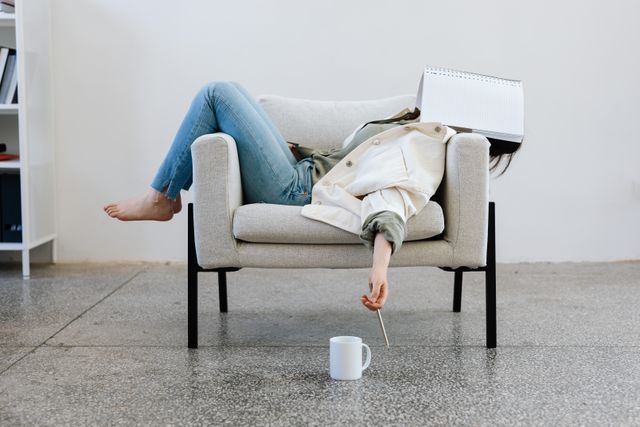
Modern lifestyles have made sitting an unavoidable part of daily life. People sit while working at desks, attending online classes, travelling, watching television, using smartphones, eating meals, and relaxing after a long day. Although sitting is a normal activity and an important way to rest, spending too much time inactive has become a growing concern in discussions about health and wellness. Experts, fitness professionals, and public health researchers are paying greater attention to how much time people spend sitting, how frequently they move, and what happens when long periods of inactivity become a regular habit.
The anti-sitting movement is not about eliminating chairs or suggesting that people should remain standing throughout the day. Instead, it encourages individuals to reduce prolonged sitting and include more natural movement in everyday routines. Walking between tasks, standing during short activities, stretching after extended screen time, and taking movement breaks can help people become more active without requiring a formal gym membership or intensive workout plan.
This shift represents an important change in the way physical activity is understood. In the past, health conversations often focused on scheduled exercise, such as running, cycling, swimming, or visiting a gym. Today, attention is also being directed toward what people do during the remaining hours of the day. A person may complete a thirty-minute workout but still spend most of the day sitting. Understanding this difference is central to the growing discussion about everyday inactivity.
Understanding the Anti-Sitting Movement
The anti-sitting movement is a broad wellness trend that encourages people to interrupt extended periods of sitting with regular movement. It recognizes that physical activity is not limited to organized exercise. Everyday actions such as walking, climbing stairs, standing, cleaning, shopping, and moving around the workplace also contribute to a person’s overall activity level.
The movement has gained attention as desk-based jobs, remote work, digital learning, and screen-based entertainment have become increasingly common. Many activities that once required physical movement can now be completed from a chair or through a smartphone. Shopping, banking, communication, education, and professional meetings can all take place without requiring individuals to leave their homes or workstations.
The central message is simple: movement should be distributed throughout the day rather than concentrated only in one exercise session. Small changes may help reduce the amount of time spent sitting continuously and make active behavior a more natural part of daily life.
Why Everyday Inactivity Is Becoming a Health Concern
Physical inactivity refers to insufficient participation in physical activity, while sedentary behavior generally describes waking activities performed while sitting, reclining, or lying down with low energy expenditure. These concepts are related but not identical. Someone can meet recommended exercise targets and still spend many hours sitting during work, commuting, and leisure.
Extended sedentary time has attracted attention because the human body is designed to perform a variety of movements. Remaining in one position for long periods may contribute to stiffness, discomfort, and reduced opportunities for muscular activity. The possible effects vary depending on individual health, total activity, sitting duration, and other lifestyle factors.
Experts therefore encourage people to consider the full pattern of their day. Instead of asking only whether someone exercises, it is useful to ask how frequently they move between tasks, whether they take breaks from sitting, and how much time they spend in active versus inactive routines. This broader perspective helps create a more complete understanding of everyday health.
The Connection Between Desk Jobs and Prolonged Sitting
Office-based employment is one of the major reasons many adults spend extended periods sitting. Employees may remain at a computer for several hours while responding to emails, preparing documents, attending virtual meetings, and completing administrative work. Even when workers experience mental pressure or demanding deadlines, their bodies may remain in a relatively stationary position.
Remote work can make this pattern more difficult to recognize. At home, individuals may move directly from their bed to a desk and then from the desk to a sofa. Without commuting, walking between departments, or visiting colleagues, the number of natural movement opportunities may decrease. Although remote work provides flexibility, it also requires individuals to create intentional breaks.
Workplace culture can influence these habits as well. Employees may hesitate to stand, walk, or take short breaks because they believe constant sitting demonstrates concentration. However, brief movement intervals can be integrated into the workday without necessarily reducing productivity. Standing during a phone call, walking during a discussion, or taking a short stretch break may help create a more balanced working routine.
How Screen-Based Learning Is Affecting Students
The growth of digital education has created new learning opportunities for students, but it has also increased the amount of time many learners spend sitting in front of screens. Online classes, digital assignments, educational videos, and computer-based projects can require prolonged attention in one position.
Students may also spend additional hours using devices for gaming, social media, entertainment, and communication. When study time and leisure time both involve screens, the total period of sitting can become substantial. Younger learners may be particularly likely to remain inactive when digital entertainment is easily available and outdoor activities are limited.
Educational institutions and families can support healthier routines by encouraging movement between lessons and study sessions. Students may benefit from short activity breaks, outdoor play, walking while reviewing simple concepts, or participating in sports and recreational activities. Learning does not need to be completely separated from movement, and a balanced routine can support both academic engagement and physical well-being.
Why a Short Workout May Not Offset an Entire Day of Sitting
A common misunderstanding is that completing a workout automatically compensates for all other periods of inactivity. Regular exercise offers important benefits, but a single workout does not necessarily eliminate the effects of spending most of the remaining day sitting.
For example, an individual may exercise in the morning and then sit at a desk for eight hours, commute while seated, and spend the evening on a sofa. The workout remains valuable, but the person’s overall daily movement pattern may still be limited. This is why experts increasingly discuss both structured exercise and sedentary behavior.
The objective is not to make people feel guilty about resting or sitting when necessary. Rather, it is to encourage a combination of planned physical activity and frequent movement throughout the day. A short walk after a meal, a standing break during work, or a few minutes of stretching can complement a regular fitness routine.
The Physical Effects of Sitting for Long Periods
Prolonged sitting can be associated with physical discomfort, particularly when people maintain poor posture or use unsuitable workstations. Neck tension, shoulder stiffness, lower-back discomfort, and tight hips are common concerns among people who spend substantial time at desks. These symptoms can have multiple causes, including workstation design, muscle strength, existing conditions, stress, and individual movement habits.
Remaining in the same position for too long may also reduce opportunities to change posture and activate different muscle groups. Regular movement allows individuals to shift positions and engage their bodies in varied ways. Even simple actions, such as standing up and walking across a room, can interrupt extended periods of stillness.
Ergonomic improvements may support comfort, but equipment alone cannot replace movement. An adjustable chair, suitable desk height, and properly positioned screen can help create a better workstation. However, people should also be encouraged to change positions regularly and avoid treating any single posture as ideal for an entire workday.
Everyday Movement and Metabolic Health
Researchers have examined the relationship between sedentary behavior, physical activity, and several aspects of health, including metabolic function. Long periods of inactivity may be associated with less favorable health outcomes, particularly when combined with insufficient physical activity, poor nutrition, inadequate sleep, and other risk factors.
Small movement breaks are being studied because they may help interrupt extended inactivity. Light walking or standing activities can increase movement during periods that would otherwise be spent sitting. Although the effects depend on the individual and the type of activity, these changes can contribute to a more active daily pattern.
It is important not to present movement breaks as a guaranteed solution for preventing or treating medical conditions. Health outcomes are influenced by many factors, and individuals with existing medical concerns should seek appropriate professional advice. The broader lesson is that daily movement can be one practical component of a comprehensive approach to health.
The Role of Non-Exercise Activity
Non-exercise activity includes movements that occur outside formal workouts. Walking to a nearby shop, completing household tasks, gardening, taking stairs, standing while preparing food, and moving around during the day are examples of activities that can increase daily energy expenditure.
These actions may appear insignificant when considered individually, but they can become meaningful when repeated consistently. A person who walks for a few minutes several times throughout the day may accumulate more movement than someone who remains seated continuously outside a single exercise session.
Non-exercise activity is particularly relevant for people who do not enjoy gyms or have limited time for structured workouts. It offers a flexible way to become more active without requiring expensive equipment or complicated training schedules. The emphasis is on creating practical opportunities for movement that fit into existing responsibilities.
How Technology Can Encourage More Movement
Technology has contributed to sedentary lifestyles, but it can also help people become more aware of their activity patterns. Smartwatches, fitness trackers, and mobile applications may provide reminders to stand, record walking distance, track steps, and monitor periods of inactivity. These tools can encourage users to notice habits that might otherwise go unrecognized.
However, technology should be treated as a support system rather than a source of pressure. Constantly monitoring steps, calories, or movement targets may create stress for some individuals. Health tracking is most useful when it encourages sustainable habits and provides information that can guide personal decisions.
Workplaces can also use technology to support movement by introducing reminders for short breaks or encouraging walking meetings when appropriate. Digital calendars can include brief movement intervals between meetings, while educational platforms can suggest pauses during long study sessions. These strategies combine digital convenience with physical activity.
Designing a More Active Workday
Creating an active workday does not require major changes to professional responsibilities. Individuals can begin by identifying periods when sitting is unnecessary. For instance, a person may stand while taking a phone call, walk during a short break, or use stairs instead of an elevator when practical.
Long meetings can include opportunities to change position, particularly when the format allows it. Employees may also benefit from placing frequently used items slightly farther away so they need to stand and move occasionally. These adjustments should be comfortable, safe, and compatible with workplace requirements.
Employers can contribute by designing work environments that make movement accessible. Break areas, stair access, flexible workstations, and a culture that respects reasonable pauses can encourage healthier routines. The goal should be to support employees rather than create another performance measure based on movement.
The Importance of Movement Breaks at Home
Home environments can encourage long periods of inactivity because people often combine multiple activities in the same space. A person may work, eat, watch entertainment, and communicate online without moving far from one chair or sofa. Developing simple movement cues can help interrupt this pattern.
Individuals can take a short walk after completing a task, stretch between episodes of a show, stand while listening to audio content, or perform household activities during breaks. Parents can encourage children to alternate screen-based activities with outdoor play or movement-based games.
Movement breaks should not be understood as a punishment for using technology. Digital entertainment and rest are legitimate parts of life. The aim is to create variety so that screen time does not automatically result in several uninterrupted hours of sitting.
The Anti-Sitting Movement and Mental Well-Being
Movement is often discussed in relation to physical health, but it can also support emotional well-being. Walking outdoors, changing surroundings, and taking breaks from demanding tasks may help individuals feel refreshed. Physical activity can provide an opportunity to step away from stressful situations and create mental distance from work or study.
A short walk may also support social connection when people choose to walk with friends, colleagues, or family members. Outdoor movement can introduce exposure to natural surroundings and reduce the monotony of remaining indoors throughout the day.
However, movement should not be presented as a universal treatment for mental health challenges. People experiencing persistent stress, anxiety, low mood, or other concerns may benefit from professional support. Everyday activity can complement broader wellness practices but should not replace appropriate care.
Making Movement Accessible to Different People
The anti-sitting movement must recognize that people have different physical abilities, health conditions, occupations, and living environments. Not everyone can stand for long periods, walk frequently, or participate in the same activities. A practical approach should focus on safe and suitable movement rather than enforcing a single standard.
Individuals with mobility limitations may explore accessible movements, changes in posture, gentle exercises, or guidance from qualified healthcare professionals. People recovering from illness or injury should follow recommendations appropriate to their circumstances. Even small changes may be valuable when they are comfortable and realistic.
Accessibility is also important in workplaces and educational institutions. Movement-friendly environments should not exclude people who require seating, assistive devices, or modified routines. The objective is to support participation and comfort for everyone.
Why Small Changes Are More Sustainable
Many people struggle to maintain fitness routines because they set goals that are difficult to integrate into their schedules. The anti-sitting movement offers a different approach by emphasizing small and repeated actions. Rather than attempting to transform an entire lifestyle immediately, individuals can identify one or two realistic changes.
A person might begin by standing up every hour, taking a short walk during lunch, or stretching after a long study session. Over time, these actions may become automatic parts of the day. Once a routine becomes comfortable, individuals can gradually explore additional forms of movement.
Sustainability is more important than perfection. Missing a break or spending a sedentary day does not mean that progress has been lost. A flexible approach allows people to adapt their routines to work demands, travel, weather, health needs, and family responsibilities.
Rethinking Rest Without Rejecting Sitting
The anti-sitting movement should not create the impression that sitting is always harmful or that people must remain active every moment. Rest is essential, and sitting can be appropriate during meals, reading, conversations, travel, and recovery. The concern arises when long periods of sitting occur without sufficient movement or changes in position.
A balanced lifestyle includes both activity and rest. Individuals can alternate between sitting, standing, walking, and other comfortable positions according to their needs. The objective is to avoid unnecessary prolonged inactivity while respecting the body’s need for recovery.
This balanced perspective is especially important because wellness trends can sometimes become extreme. People should not feel pressured to purchase standing desks, meet unrealistic step targets, or remain active despite pain. Practical health habits should be based on personal circumstances and informed choices.
The Future of Movement-Focused Wellness
As work, education, and entertainment continue to become more digital, everyday movement is likely to remain an important part of wellness discussions. Future workplaces may focus more on flexible environments, active breaks, and ergonomic design. Educational institutions may explore ways to combine digital learning with movement and outdoor experiences.
Fitness technology may also become more personalized, using activity patterns to suggest breaks or encourage healthier routines. However, technology will be most useful when it supports individual needs without increasing anxiety or excessive monitoring.
The broader future of wellness may involve a shift from exercise-centered thinking to movement-centered living. Structured workouts will continue to be valuable, but they may be viewed as one part of a larger lifestyle that includes walking, active transportation, household movement, recreational activities, and regular breaks from sitting.
Conclusion: Making Movement a Natural Part of Daily Life
The anti-sitting movement reflects a growing awareness that health is influenced not only by formal exercise but also by the way people spend the rest of their day. Long working hours, online learning, remote communication, and screen-based entertainment have made prolonged sitting increasingly common. As a result, experts are paying more attention to the importance of interrupting inactivity and encouraging regular movement.
The solution does not require people to eliminate sitting or follow complicated fitness routines. Simple habits such as walking between tasks, stretching during study sessions, standing during selected activities, and taking regular breaks can help create a more active lifestyle. These practices should be adapted to individual abilities, health needs, and daily responsibilities.
Ultimately, the anti-sitting movement is about developing greater awareness of everyday behavior. A short walk, a change in posture, or a few minutes away from the desk may seem minor, but consistent movement can become an important part of long-term wellness. In a world increasingly designed around screens and chairs, making space for natural movement is a practical step toward a healthier and more balanced daily routine.
You may be interested

First-Pass Metabolism of Nutrients: Intestine and Liver Transform What We Eat
Anshika Jain - October 15, 2026The journey of nutrients does not end when food has been digested and absorbed. Before many nutrients reach the wider circulation and become available to tissues throughout…

Endocrine Architecture of Eating: Gut Hormones Coordinate Nutrient Processing
Anshika Jain - October 15, 2026Eating is often understood as a simple response to hunger or a way to obtain energy. In reality, food intake is regulated by a sophisticated biological communication…

Metabolic Cost of Digestion: Diet-Induced Thermogenesis Beyond Calorie Intake
Anshika Jain - October 15, 2026Food provides the energy required to maintain body temperature, support physical activity, regulate organ function, and sustain cellular processes. However, the energy obtained from food is not…
Most from this category



Enterohepatic Circulation of Nutrients: Intestine Coordinate Metabolic Recycling
Anshika Jain - October 15, 2026

Food Matrix Effects: Food Can Matter as Its Nutrient Composition
Anshika Jain - October 15, 2026Biology of Nutrient Competition: Minerals Interact During Absorption
Anshika Jain - October 15, 2026Enterohepatic Circulation of Nutrients: Intestine Coordinate Metabolic Recycling
Anshika Jain - October 15, 2026



Food Matrix Effects: Food Can Matter as Its Nutrient Composition
October 15, 2026
.png)
Leave a Comment
You must be logged in to post a comment.