
Health Apps Are Everywhere: How Smartphones Are Becoming Personal Wellness Tools


Smartphones have become an essential part of modern life. People use them to communicate, work, study, shop, travel, and entertain themselves. In recent years, smartphones have also started playing an important role in personal health and wellness. With the help of health and fitness applications, individuals can monitor physical activity, track sleep, record meals, practise meditation, measure fitness progress, and develop healthier daily habits.
The growing popularity of health apps reflects a wider change in how people approach personal well-being. Instead of depending only on occasional visits to fitness centres, wellness programmes, or healthcare professionals, many individuals now use digital tools to understand their everyday habits. A smartphone can provide reminders to move, encourage users to drink water, guide them through breathing exercises, and help them maintain a regular workout routine.
However, smartphones are not replacements for doctors, professional healthcare advice, or personal judgement. Health apps can support awareness and healthy behaviour, but their information may not always be accurate or suitable for every individual. The most effective use of these technologies involves balancing digital convenience with privacy, realistic expectations, and professional guidance when required.
The Transformation of Smartphones into Wellness Tools
In the past, people often used separate devices to track their physical activity, monitor their heart rate, or record their exercise routines. Today, many of these functions are available through smartphones and connected wearable devices. Mobile applications have made health tracking more accessible to people who may not have previously used specialised fitness equipment.
Health apps can collect information about daily steps, distance travelled, active minutes, calorie estimates, and workout duration. Some applications connect with smartwatches or fitness bands to provide additional information about heart rate, sleep patterns, and movement. This creates a more continuous view of daily behaviour rather than limiting health awareness to occasional assessments.
The convenience of smartphones also makes wellness activities easier to integrate into busy routines. A person can complete a short stretching session at home, follow a guided meditation during a break, or record meals while travelling. This flexibility is particularly useful for individuals who find it difficult to follow fixed schedules at gyms or wellness centres.
Fitness Tracking and Everyday Physical Activity
One of the most common uses of health apps is fitness tracking. Applications that count steps and monitor movement encourage users to become more aware of how active they are throughout the day. For people who spend long hours sitting at desks, studying, or working from home, these reminders can encourage regular movement.
Fitness apps also offer guided workouts for different goals and experience levels. Users may find routines focused on strength training, mobility, yoga, cardiovascular exercise, stretching, or bodyweight movements. Many platforms allow individuals to select workouts according to available time, location, and fitness preferences.
The major advantage of these apps is their flexibility. A user does not necessarily need expensive equipment or a gym membership to begin exercising. A short home workout can become part of a daily routine, while progress tracking can help users observe consistency over time.
However, fitness tracking should not become a source of unnecessary pressure. A specific number of steps or calories does not determine a person’s complete health condition. Rest, recovery, individual ability, and enjoyment are equally important. Users should focus on sustainable activity rather than treating every target as a compulsory achievement.
Sleep Tracking and the Importance of Rest
Sleep has become another major focus of digital wellness applications. Many people struggle with irregular schedules, late-night screen use, work-related stress, and inconsistent sleeping habits. Sleep-tracking tools aim to help users understand their routines and identify patterns that may affect rest.
Some applications allow users to record their bedtime and waking time, while others connect with wearable devices to estimate sleep duration and different sleep stages. These features may help individuals recognise habits such as frequently sleeping late, maintaining inconsistent schedules, or using their phones immediately before bedtime.
Sleep apps may also offer relaxation sounds, breathing exercises, guided meditation, or bedtime reminders. These features can encourage users to create a calmer evening environment and reduce unnecessary distractions.
Nevertheless, sleep-tracking information should be interpreted carefully. Consumer devices generally estimate sleep patterns rather than measuring them with the same accuracy as clinical sleep assessments. Users should not rely entirely on an app to diagnose sleep disorders. Persistent sleep difficulties, excessive daytime tiredness, or other concerning symptoms should be discussed with a qualified healthcare professional.
Nutrition Apps and More Conscious Eating Habits
Nutrition applications have changed the way many people record and understand their eating habits. These apps may allow users to track meals, estimate nutrient intake, plan recipes, and monitor hydration. Some platforms provide information about calories, protein, carbohydrates, fats, vitamins, and minerals.
For individuals who want to become more aware of their food choices, recording meals can reveal patterns that might otherwise go unnoticed. A person may realise that they frequently skip breakfast, consume insufficient vegetables, or drink less water than expected. This awareness can support gradual improvements in everyday eating habits.
Nutrition apps can also make meal planning more convenient. Users may discover recipes based on their dietary preferences, available ingredients, or cooking time. Vegetarian users, for example, may explore plant-based meals that include pulses, grains, vegetables, nuts, and dairy products where suitable.
However, nutritional requirements differ according to age, activity level, medical history, lifestyle, and individual goals. Food databases may contain incorrect serving sizes or incomplete information. Calorie tracking can also become stressful for some users if it leads to excessive restriction or constant monitoring. A balanced approach should focus on nourishment, variety, and long-term well-being rather than numbers alone.
Meditation, Mental Wellness, and Stress Management
Health apps are not limited to physical fitness. Many applications now focus on mental wellness through meditation, mindfulness, breathing exercises, journaling, and relaxation activities. These tools have become popular among people managing busy schedules, academic responsibilities, professional pressure, and digital distractions.
Guided meditation applications can help beginners practise mindfulness by providing structured audio sessions. Users may choose short exercises lasting a few minutes or longer sessions designed for relaxation and reflection. Breathing tools can also encourage people to pause and pay attention to their breathing during stressful moments.
Digital journaling applications provide another way to reflect on emotions, daily experiences, and personal goals. Writing regularly may help users identify recurring concerns and develop greater self-awareness. Some apps provide mood-tracking features, although users should remember that these records are not professional mental health assessments.
Wellness applications can support healthy routines, but they cannot replace professional care when someone is experiencing serious or persistent emotional difficulties. Mental wellness should be understood as a broader process involving social connection, rest, physical activity, supportive relationships, and professional assistance when needed.
Personalised Wellness Through Artificial Intelligence
Artificial intelligence is increasingly being integrated into health and fitness applications. AI-powered features may analyse user-entered information, suggest workouts, recommend meal ideas, create reminders, or adjust plans based on activity patterns. This creates a more personalised experience compared with applications that offer the same content to every user.
For example, a fitness app may recommend a shorter workout when a user has limited time. A wellness platform might suggest a breathing exercise after a stressful day, while a nutrition application could provide recipe ideas based on dietary preferences.
Personalisation can make digital wellness tools more engaging because users receive recommendations that appear relevant to their circumstances. It may also help people maintain consistency by reducing the effort required to plan each activity.
However, AI-generated health suggestions are not always reliable. An algorithm may not understand a person’s complete medical history, physical limitations, allergies, or changing circumstances. Users should treat automated recommendations as general support rather than professional diagnosis or treatment. Health-related decisions should be based on trustworthy information and expert advice when appropriate.
Wearable Devices and Connected Health Ecosystems
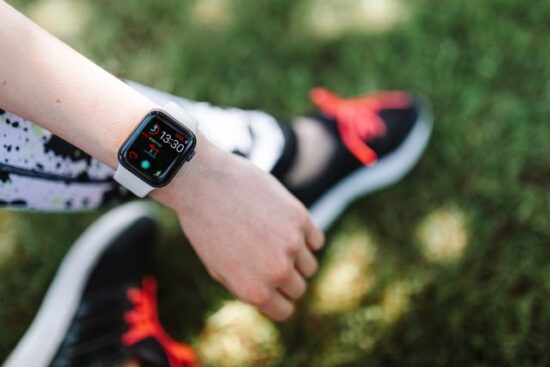
Smartphones increasingly work alongside wearable devices such as smartwatches and fitness bands. These devices can collect information throughout the day and synchronise it with mobile applications. As a result, users can review their activity, heart rate measurements, sleep estimates, and exercise sessions in one place.
Connected devices may encourage greater awareness of everyday patterns. For example, a user may observe changes in activity during a busy workweek or identify a connection between late nights and reduced energy. This information can encourage practical lifestyle adjustments.
Wearable technology may also provide reminders to stand, move, or complete planned workouts. For people who spend considerable time working at desks, these notifications can encourage small but meaningful breaks.
Despite these benefits, wearable data should not be interpreted as a complete representation of health. Sensors can produce inaccurate readings, and different devices use different measurement methods. Users should avoid becoming overly dependent on daily scores or treating estimates as confirmed medical results.
The Role of Health Apps in Preventive Wellness
Health apps can encourage preventive wellness by helping people pay attention to everyday behaviours before they develop into larger concerns. Tracking physical activity, sleep, hydration, and meal patterns may encourage individuals to notice lifestyle habits that require improvement.
Reminders can be particularly useful for developing consistency. A person may use an app to maintain a walking schedule, practise stretching, or remember regular breaks during working hours. Over time, these small actions can become part of a broader wellness routine.
Some healthcare-related applications also help users organise appointments, store health records, monitor prescribed routines, or communicate with healthcare providers. These functions may improve convenience and help individuals manage information more effectively.
However, preventive wellness should not be reduced to app notifications and numerical scores. Health is influenced by environmental conditions, income, access to healthcare, genetics, social circumstances, and many other factors. Digital tools are most helpful when they support broader healthy behaviours and access to appropriate care.
Privacy and Data Security Concerns
As health apps collect personal information, privacy has become an important consideration. Health-related data may include activity records, sleeping habits, food preferences, location information, and other details that users may consider private.
Before installing an application, users should review its privacy policy and understand what information it collects. They should also examine whether the app shares data with third parties, how information is stored, and which permissions are required. An application requesting access to unrelated features may require additional caution.
Strong passwords, device security, software updates, and careful permission management can help reduce digital risks. Users should also avoid entering highly sensitive information into unfamiliar platforms without understanding how it may be used.
Health technology companies have a responsibility to communicate their data practices clearly. Privacy settings should be easy to understand, and users should have meaningful control over their information. Convenience should not come at the cost of informed consent.
The Risk of Misinformation and Unrealistic Wellness Claims
The popularity of health apps has also created opportunities for misinformation. Some applications may promote unrealistic weight-loss results, unsupported supplements, extreme exercise routines, or exaggerated health claims. Attractive interfaces and personalised notifications can make unreliable information appear trustworthy.
Users should evaluate the credibility of health content before following recommendations. Information based on established medical guidance, qualified professionals, and transparent sources is generally more dependable than unsupported claims.
Wellness should not be measured only through appearance, weight, or performance scores. A healthy routine must consider energy levels, strength, flexibility, mental well-being, rest, and individual circumstances. Extreme approaches may produce short-term results but can be difficult or harmful to maintain.
Digital literacy is therefore becoming an important part of health literacy. People need to understand not only how to use health applications but also how to question their information and recognise misleading claims.
Making Health Apps Part of a Sustainable Routine
The effectiveness of a health app depends largely on how it is used. Downloading several applications does not automatically lead to healthier habits. Users should choose tools that address specific needs and fit naturally into their lifestyles.
A person interested in improving physical activity may begin with a simple step tracker or a short home workout application. Someone seeking better sleep may start with a consistent bedtime reminder rather than monitoring every sleep measurement. Another user may prefer a meditation app that offers short sessions suitable for a busy schedule.
It is also important to avoid excessive tracking. Constantly checking numbers can create anxiety and reduce the enjoyment of everyday activities. Users should regularly evaluate whether an application is supporting their well-being or adding unnecessary pressure.
A sustainable approach combines digital guidance with personal awareness. People should listen to their bodies, allow time for recovery, maintain realistic goals, and adjust their routines when circumstances change.
The Future of Smartphone-Based Wellness
The future of smartphone-based wellness may involve greater integration between mobile applications, wearable devices, artificial intelligence, and healthcare services. Digital tools may become better at identifying patterns, providing personalised educational content, and helping users organise their health-related information.
Advancements in technology could also improve accessibility. People living in areas with limited access to fitness centres or wellness services may benefit from affordable digital resources. Applications available in regional languages and designed for different levels of digital literacy could make wellness information more inclusive.
At the same time, technology developers will need to address important concerns involving privacy, accuracy, accessibility, and responsible AI. Health applications should be designed to support informed decisions rather than create fear, dependence, or unrealistic expectations.
The future of wellness technology should focus not only on collecting more data but also on helping people understand information and use it meaningfully.
Conclusion: Using Technology Without Losing Personal Balance
Health apps are changing the way people approach personal wellness. Smartphones now offer tools for fitness tracking, sleep awareness, nutrition planning, meditation, movement reminders, and personalised guidance. These features can make healthy habits more convenient and accessible, especially for people managing busy modern lifestyles.
However, digital wellness tools should be used thoughtfully. App-based measurements are estimates, AI recommendations may contain limitations, and personal health information requires careful protection. Technology cannot replace professional healthcare, balanced habits, or individual judgement.
The most valuable role of a health app is to support awareness and consistency. When used responsibly, smartphones can encourage people to move more, rest better, reflect regularly, and make informed lifestyle choices. The goal is not to allow technology to control every aspect of health, but to use it as a practical tool for building a healthier and more balanced life.
You may be interested

The Rise of Slow Living: Can Doing Less Become a Healthier Lifestyle?
Anshika Jain - September 18, 2026Modern life often encourages people to stay busy. Professional responsibilities, academic goals, social commitments, digital communication, and personal ambitions can create schedules filled with constant activity. Many…

Work, Screens and Stress: Why Modern Life Is Changing How People Rest
Anshika Jain - September 18, 2026Rest has always been an important part of human well-being, but modern lifestyles are changing how people experience it. In earlier generations, the end of a working…
From Step Counters to AI Coaches: The Evolution of Digital Fitness
Anshika Jain - September 18, 2026Fitness has always been an important part of personal well-being, but the way people exercise and monitor their progress has changed significantly over time. Earlier, individuals often…
Most from this category

The Anti-Sitting Movement: Why Experts Are Paying More Attention to Everyday Inactivity
Anshika Jain - September 17, 2026

The 10-Minute Break Movement: Why Short Breaks Matter in Busy Lives
Anshika Jain - September 17, 2026
The Anti-Sitting Movement: Why Experts Are Paying More Attention to Everyday Inactivity
Anshika Jain - September 17, 2026Why Digital Overload Is Creating a New Conversation About Rest
Anshika Jain - September 17, 2026
The Rise of Slow Living: Can Doing Less Become a Healthier Lifestyle?
September 18, 2026
Work, Screens and Stress: Why Modern Life Is Changing How People Rest
September 18, 2026
From Step Counters to AI Coaches: The Evolution of Digital Fitness
September 18, 2026
Can Your Smartphone Encourage You to Move More?
September 18, 2026
.png)
Leave a Comment
You must be logged in to post a comment.