
Why People Are Moving From Crash Diets to Sustainable Eating

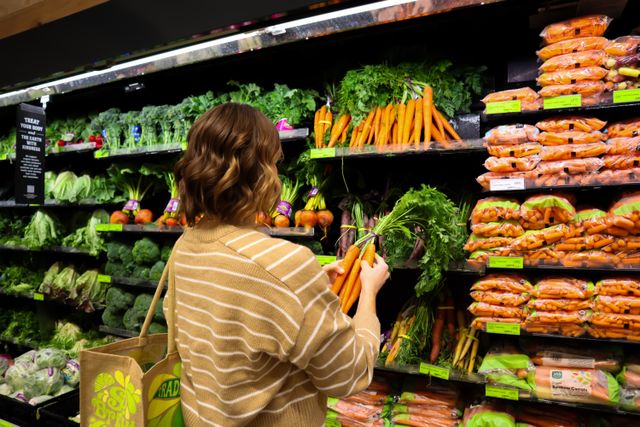
For years, the idea of dieting has often been associated with restriction, rapid weight loss and strict food rules. A new diet might promise dramatic results within a few weeks, encourage people to eliminate entire food groups or rely on highly controlled meal plans. These approaches can appear attractive because they offer a simple promise: follow the rules strictly and see quick changes.
However, maintaining a healthy relationship with food is rarely as simple as following a short-term plan. Many people eventually discover that an extremely restrictive diet is difficult to continue alongside work, family responsibilities, social occasions, travel and everyday life. When the diet ends, old eating habits may return, and the cycle can begin again.
This is one reason sustainable eating is receiving greater attention. Instead of treating healthy eating as a temporary project, sustainable eating focuses on habits that can realistically become part of everyday life. The emphasis is shifting from rapid results to consistency, food quality, balance, enjoyment and long-term health.
The change does not mean that everyone has abandoned dieting or that every structured weight-management programme is ineffective. Rather, it reflects growing recognition that long-term health requires approaches people can maintain. The National Institute of Diabetes and Digestive and Kidney Diseases states that a key to losing weight is choosing a healthy eating plan that can be maintained over time.
What Is a Crash Diet?
The term “crash diet” generally refers to a highly restrictive eating approach intended to produce rapid weight loss over a short period. These diets can take many forms. Some drastically reduce calorie intake, while others eliminate particular categories of food or promote a narrow selection of foods.
The appeal is understandable. Weight-related goals can feel urgent, particularly when people are influenced by social media, upcoming events, appearance expectations or previous unsuccessful attempts. A plan promising fast results can seem more motivating than a gradual approach.
The difficulty is that a diet designed around a short deadline may not teach someone how to maintain healthier eating habits after the deadline disappears. A person may successfully follow a strict plan for several weeks but struggle to continue it when normal life resumes.
Weight management is influenced by many factors, including eating patterns, physical activity, sleep, stress, medications, medical conditions, genetics, age and environment. The CDC notes that healthy weight management involves more than food alone and includes physical activity, sufficient sleep and stress management.
Why Quick Results Can Be So Appealing
Fast results create a powerful psychological reward. When someone sees a noticeable change quickly, they may feel that the diet is working and become more motivated to continue.
The problem is that the number on a scale does not tell the entire story of what is happening in the body. Changes in body weight over short periods can be influenced by factors beyond changes in body fat, including shifts in water and food stored in the body.
This is one reason sustainable approaches tend to focus less on dramatic short-term changes and more on behaviours that can continue for months and years.
The CDC states that people who lose weight at a gradual, steady pace are more likely to keep it off than those who lose weight more quickly.
That does not mean everyone should pursue weight loss, nor does it mean that the same rate is appropriate for every person. Individual health circumstances differ, and people with concerns about their weight or medical conditions can benefit from discussing appropriate goals with a healthcare professional.
The Problem With Extremely Restrictive Food Rules
Strict food rules can make eating complicated. When a diet labels large categories of food as completely forbidden, everyday meals can become a series of decisions about what is allowed and what is not.
This can be especially difficult during social situations. Birthdays, festivals, family gatherings, weddings, restaurants and travel are normal parts of life. A plan that works only when every meal is carefully controlled may become difficult to maintain when circumstances change.
Sustainable eating takes a different approach. Instead of creating a long list of permanent prohibitions, it focuses on building a dietary pattern that contains a wide variety of nutritious foods while allowing room for personal preferences.
NIDDK notes that people do not necessarily have to give up all their favourite foods while working toward weight-related goals. Small amounts of favourite higher-calorie foods can fit within an overall eating plan.
This flexibility can make healthy eating feel more realistic.
Sustainable Eating Is About Patterns, Not Perfect Meals
One of the biggest changes in the conversation around healthy eating is the move from individual foods to overall dietary patterns.
A single meal rarely determines the quality of an entire diet. What matters more is what a person generally eats over time.
The World Health Organization’s current healthy-diet guidance describes four broad principles: adequacy, balance, moderation and diversity. It also emphasises a variety of minimally processed and unprocessed foods, including fruits, vegetables, whole grains and pulses.
This approach leaves room for cultural preferences and different cuisines. A healthy eating pattern does not need to look identical for everyone. Indian, Mediterranean, East Asian, African and other dietary traditions can contain nutritious combinations of foods.
The focus is therefore less about finding one perfect diet and more about developing an eating pattern that is nutritious, practical and personally sustainable.
From Food Restrictions to Food Quality
Crash diets often begin with a question such as, “What should I stop eating?” Sustainable eating is more likely to begin with, “What can I add to my diet?”
This might mean including more vegetables, fruits, pulses, whole grains, nuts, seeds and other nutritious foods. Increasing the presence of nutritious foods can sometimes naturally reduce dependence on highly processed foods without requiring an extreme approach.
The WHO identifies whole grains, vegetables, fruits, legumes and nuts as important components of healthy dietary patterns and recommends limiting excessive amounts of salt, free sugars and unhealthy fats.
The advantage of this approach is that it creates a positive framework. Instead of constantly thinking about foods that are forbidden, people can focus on building meals with a variety of useful nutrients.
Why Protein and Fibre Matter in Everyday Eating
Sustainable eating also involves creating meals that are satisfying. A person who feels constantly hungry may find it difficult to maintain a new eating pattern.
Protein-rich foods and fibre-containing foods can contribute to satisfying meals. Depending on dietary preferences, protein can come from foods such as lentils, beans, peas, dairy products, eggs, fish, poultry, nuts, seeds and soy foods. Fibre can be obtained from vegetables, fruits, legumes and whole grains.
The exact nutritional needs of an individual vary according to factors such as age, activity level, health status and dietary pattern. Rather than focusing on one nutrient as a solution to every health concern, sustainable eating considers the overall composition of meals.
This is another difference between long-term dietary habits and short-term diet trends. Sustainable eating is not built around a single “superfood” or nutrient.
Sustainable Eating Fits Real Life
A major reason people move away from restrictive diets is practicality. People have jobs, classes, family commitments, social events and unpredictable schedules.
A sustainable eating pattern needs to work on busy days as well as quiet ones.
For example, someone may prepare a simple meal at home on one day and eat at a restaurant on another. The objective is not to ensure that every meal is perfectly controlled. It is to maintain generally healthy choices across changing circumstances.
NIDDK recommends choosing healthy food options that people enjoy because enjoyment can make it easier to follow an eating plan over the long term.
This highlights an often-overlooked aspect of nutrition: taste matters. Food is not simply fuel. It is also connected to culture, family, celebration, comfort and social interaction.
The Importance of Cultural Food Traditions
Sustainable eating becomes easier when healthy choices do not require people to abandon their cultural food traditions.
For Indian households, for example, a sustainable eating pattern might include dal, vegetables, curd, roti, rice, millet-based dishes, fruits, nuts and traditional home-cooked foods. The same principle can be adapted to other cuisines around the world.
There is no universal menu that defines healthy eating.
The WHO specifically notes that the exact composition of a healthy diet varies according to individual characteristics, cultural context, locally available foods and dietary customs.
This flexibility makes sustainable eating more inclusive. Instead of importing a diet from another culture because it is currently fashionable, people can improve the nutritional quality of foods they already know and enjoy.
Why Consistency Matters More Than Perfection
One of the biggest psychological differences between crash dieting and sustainable eating is the attitude toward mistakes.
A restrictive mindset can make one unplanned meal feel like failure. Once a person believes they have “broken” their diet, they may abandon the plan completely.
A sustainable approach recognises that eating patterns naturally vary. A celebration meal, restaurant dinner or holiday does not automatically destroy healthy habits.
The CDC recommends planning for changes in routine, including weekends, vacations and special occasions, as part of maintaining healthy eating patterns.
This way of thinking can make healthy eating more resilient. The goal is not perfection at every meal but the ability to return to normal habits after an occasional deviation.
Sustainable Eating and Physical Activity
Food is only one part of a healthy lifestyle. Regular physical activity also contributes to overall health and can support weight management.
The NIDDK notes that physical activity can help people lose excess weight and maintain weight loss while also providing benefits beyond body weight.
This does not mean exercise should be used as punishment for eating. That mindset can create an unhealthy relationship between food and physical activity.
Instead, movement can be viewed as a normal part of caring for the body. Walking, cycling, dancing, swimming, sports, strength training and other activities can all have a place in an active lifestyle.
The most appropriate activity depends on the individual’s health, abilities and preferences.
Sleep and Stress Are Part of the Picture
Modern weight-management conversations increasingly recognise that eating habits do not exist in isolation. Sleep, stress, environment and daily routines can influence how people eat and how easily they maintain lifestyle changes.
The CDC includes sufficient sleep and stress management as components of healthy weight management.
Someone who regularly sleeps poorly or experiences high stress may find it harder to maintain consistent routines. This does not mean sleep or stress alone determine body weight. Rather, they are part of a broader lifestyle environment.
Sustainable health therefore involves looking beyond the plate.
The Influence of Social Media on Diet Culture
Social media has made dietary information more accessible than ever, but it has also made extreme diet trends easier to spread.
Before-and-after photographs, rapid transformation stories and viral meal plans can create the impression that dramatic changes are normal or necessary. Influencers may also promote dietary products or programmes without providing sufficient context about individual differences.
NIDDK warns that consumers encounter weight-loss programmes through social media, the internet, magazines and other media and recommends evaluating whether programmes offer realistic goals, healthy eating guidance, physical activity and ongoing support.
This makes media literacy increasingly important. A popular diet is not automatically a safe or sustainable diet.
Consumers should be particularly cautious about programmes promising extraordinary results with little effort or requiring extreme restrictions.
Sustainable Eating Does Not Mean Eating the Same Way Every Day
Another misconception is that healthy eating must be repetitive. In reality, variety can make sustainable eating easier.
Different grains can be rotated. Vegetables can be prepared in different ways. Pulses can become soups, dals, salads or curries. Fruits can provide variety across seasons. Traditional recipes can be modified without completely changing their identity.
Variety also aligns with the WHO’s emphasis on dietary diversity. A broad range of foods can provide different nutrients and make meals more enjoyable.
This is particularly important for long-term adherence. People are more likely to enjoy an eating pattern when they have choices.
Sustainable Eating Is Not the Same as a “Perfect Diet”
The idea of sustainable eating can itself become another source of pressure if it is interpreted too rigidly.
A person does not need to prepare every meal from scratch, avoid every packaged food or eliminate every indulgence to eat sustainably.
Healthy eating exists on a spectrum. Practical considerations such as budget, access to fresh food, cooking facilities, cultural preferences and time availability all matter.
The WHO also recognises that access to healthy diets can be difficult in many parts of the world.
For this reason, nutrition advice should not assume that everyone has the same resources or circumstances.
When Professional Guidance Matters
General nutrition guidance can be useful for many people, but individual health needs can be more complicated. People with diabetes, kidney disease, gastrointestinal conditions, eating disorders, pregnancy-related nutritional needs or other medical concerns may require personalised advice.
Similarly, someone who has repeatedly experienced difficulty managing weight may benefit from working with a healthcare professional or registered dietitian rather than moving from one internet diet to another.
NIDDK recommends discussing weight-management options with healthcare professionals, who can consider medical history, medications, eating patterns, physical activity and other factors when developing an appropriate plan.
The move toward sustainable eating should therefore include a willingness to seek professional guidance when needed.
The Future of Eating May Be Less About Dieting
The growing interest in sustainable eating reflects a broader cultural change. People are increasingly questioning whether temporary restrictions are the best way to think about health.
Instead of asking which diet is currently trending, consumers may increasingly ask whether an eating pattern is nutritious, enjoyable, affordable, culturally appropriate and realistic enough to maintain.
Technology may also influence this shift. Nutrition applications can help people understand eating patterns, while digital education can make evidence-based nutrition information more accessible. However, technology can also spread misinformation, so reliable sources remain important.
The future of healthy eating is unlikely to be defined by a single universal diet. It is more likely to involve personalised approaches built around established principles of nutritional adequacy, variety, balance and moderation.
Conclusion
The movement from crash diets toward sustainable eating reflects a simple realisation: health is not a short-term challenge with an expiration date. Eating habits need to fit into real life if they are going to continue.
Crash diets can be appealing because they promise speed and simplicity, but highly restrictive approaches can be difficult to maintain. Sustainable eating takes a longer view by focusing on nutritious foods, dietary variety, realistic routines, enjoyment and flexibility.
Current guidance from organisations such as the WHO, CDC and NIDDK consistently places greater emphasis on healthy eating patterns and long-term lifestyle habits than on extreme short-term approaches.
This does not mean that everyone needs to follow the same diet or pursue weight loss. Health goals are individual, and nutritional needs vary. What sustainable eating offers is a framework for making healthier choices without turning food into a constant battle of restriction and guilt.
The most useful diet may therefore not be the one that promises the fastest transformation. It may be the eating pattern that a person can realistically maintain while enjoying food, participating in everyday life and supporting their long-term health.
In the end, sustainable eating is less about finding a perfect menu and more about building a healthier relationship with food—one that can continue long after the latest diet trend has disappeared.
Online Internship with Certificate
You may be interested

Sleep Debt: What Happens When Short Nights Become a Routine?
Anshika Jain - September 22, 2026Sleep is often treated as something that can be postponed when life becomes busy. A late-night work assignment, an early morning class, a long commute, social media…

The Rise of Quiet Hobbies: Why Reading, Gardening and Crafting Are Returning
Anshika Jain - September 22, 2026Modern life has become increasingly fast, connected and screen-driven. Smartphones, social media, streaming platforms, online shopping and instant messaging have changed the way people spend their free…

Digital Overload and Emotional Fatigue: When Screens Start Affecting Mood
Anshika Jain - September 22, 2026Screens have become a constant part of modern life. People use smartphones to communicate, computers to work, tablets to study, televisions to relax, and social media platforms…
Most from this category

The Psychology of Doomscrolling: Why People Keep Reading Negative News
Anshika Jain - September 22, 2026
Millets Are Back: Why Traditional Grains Are Finding a Place on Modern Plates
Anshika Jain - September 22, 2026
Smartwatches and Fitness: Are People Becoming More Aware of Their Daily Activity?
Anshika Jain - September 21, 2026
AI Nutrition vs Human Nutritionists: How Technology Is Entering Personal Diet Planning
Anshika Jain - September 21, 2026
The Psychology of Doomscrolling: Why People Keep Reading Negative News
Anshika Jain - September 22, 2026Millets Are Back: Why Traditional Grains Are Finding a Place on Modern Plates
Anshika Jain - September 22, 2026Smartwatches and Fitness: Are People Becoming More Aware of Their Daily Activity?
Anshika Jain - September 21, 2026
Sleep Debt: What Happens When Short Nights Become a Routine?
September 22, 2026


The Psychology of Doomscrolling: Why People Keep Reading Negative News
September 22, 2026
.png)
Leave a Comment
You must be logged in to post a comment.