
Millets Are Back: Why Traditional Grains Are Finding a Place on Modern Plates

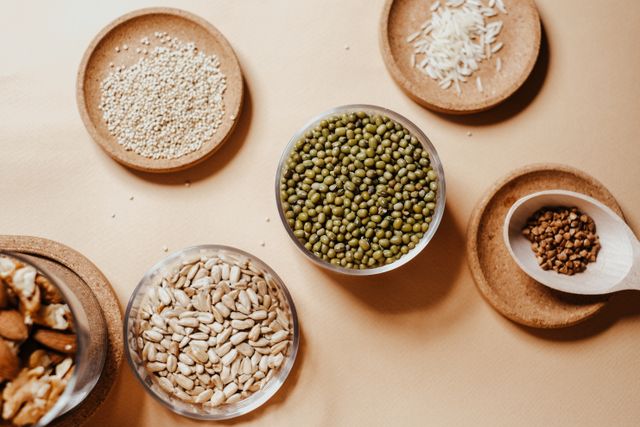
For generations, millets were an important part of traditional diets across India and many other regions of Asia and Africa. Long before modern supermarkets filled their shelves with packaged cereals, imported grains and convenience foods, communities relied on hardy crops such as pearl millet, finger millet, sorghum and foxtail millet as everyday sources of nourishment. These grains were closely connected to local agriculture, seasonal food traditions and regional cooking practices.
Over time, however, changing food preferences and the growing popularity of refined grains pushed many traditional grains away from the centre of the modern diet. Rice and wheat became dominant staples in many households, while millets were sometimes associated with rural diets or older generations. Today, that perception is changing. Millets are experiencing a renewed interest among consumers who are looking for diverse grains, traditional foods, plant-based nutrition and more varied everyday meals.
This renewed popularity is not simply a nostalgic return to the past. Millets are being reintroduced through modern food products, contemporary recipes, restaurants, wellness communities and changing consumer attitudes. They can now appear in breakfast bowls, breads, rotis, salads, snacks, porridges and even modern packaged foods.
The return of millets represents a larger shift in the way people think about food. Instead of viewing traditional grains as outdated, many consumers are beginning to see them as ingredients that can fit comfortably into modern lifestyles.
What Are Millets?
Millets are a group of small-seeded cereal grains belonging to several different grass species. They include varieties such as pearl millet, finger millet, foxtail millet, little millet, kodo millet, barnyard millet and proso millet. Sorghum, commonly known as jowar in India, is also frequently discussed alongside millets because of its similar role as a traditional cereal grain.
These grains differ in colour, texture, taste and culinary use. Pearl millet has a distinctive earthy flavour and is traditionally used for flatbreads and porridges. Finger millet is widely known as ragi in India and is commonly used in porridge, dosa, roti and other preparations. Foxtail millet has a relatively mild flavour and can be used in dishes where rice would traditionally be used.
This diversity is one of the reasons millets are becoming increasingly interesting to modern cooks. They are not a single ingredient with one fixed flavour. Instead, they provide a broad family of grains that can be adapted to different cuisines.
Why Did Millets Lose Their Traditional Position?
The decline of millets in many diets was connected to several social and economic changes. As agricultural systems evolved and food preferences changed, rice and wheat became increasingly important staples. Improvements in irrigation, food distribution and agricultural policies also contributed to the expansion of major cereal crops.
For consumers, refined grains often became associated with convenience, urban lifestyles and modernity. Traditional millet preparation could require soaking, grinding, fermentation or other processes, while commercially processed wheat and rice products were widely available and easy to prepare.
Urbanisation also changed cooking habits. As households became busier, convenience increasingly influenced food choices. Packaged products made from refined grains were easy to purchase and prepare, while some traditional grains became less common in everyday urban kitchens.
The result was a gradual reduction in the everyday visibility of millets, even though many communities continued to preserve them through regional food traditions.
The Modern Return of Traditional Grains
The revival of millets is part of a broader interest in traditional and minimally processed foods. Consumers are increasingly exploring ingredients that have long been part of regional food cultures but were less visible in mainstream markets.
In India, this interest has been supported by public awareness campaigns and the recognition of millets as important traditional crops. The United Nations declared 2023 the International Year of Millets, highlighting their nutritional, environmental and agricultural significance and encouraging greater awareness of these grains around the world.
This international attention helped bring millets into conversations beyond traditional farming communities. Restaurants, food brands, nutrition professionals and home cooks began experimenting with millet-based dishes and products.
The result is a fascinating combination of old ingredients and new culinary ideas.
Millets and Nutritional Diversity
One of the main reasons people are exploring millets is their nutritional profile. Different millet varieties contain varying amounts of protein, dietary fibre, minerals and other nutrients.
Finger millet, for example, is particularly known for its calcium content. Pearl millet provides protein, fibre and minerals, while several millet varieties contribute dietary fibre and other micronutrients.
However, it is important not to describe millets as a magical food that automatically produces better health. Nutritional quality depends on the overall diet, portion sizes, preparation methods and individual needs.
The value of millets lies partly in dietary diversity. Replacing some of the repetitive use of a single staple with a wider range of whole or minimally processed grains can make meals more varied and introduce different nutritional characteristics.
The Role of Fibre in Modern Diets
Dietary fibre is another reason traditional grains are attracting attention. Fibre supports digestive health and contributes to feelings of fullness, although the amount varies considerably between different millet varieties and preparations.
Modern diets can sometimes become heavily dependent on refined grain products, particularly when meals include large quantities of refined flour-based foods. Introducing whole grains can provide an opportunity to increase dietary diversity and fibre intake.
Millets can be used in place of or alongside other whole grains in many meals. Their usefulness therefore does not depend on completely eliminating rice or wheat. A varied diet can include several different grains according to cultural preferences, availability and individual nutritional requirements.
Millets and the Indian Kitchen
India has a particularly rich history of millet consumption. Different regions have developed their own preparations based on local crops and culinary traditions.
Bajra roti, made from pearl millet, is associated with several parts of North and Western India. Ragi has a strong culinary presence in Karnataka and other southern regions. Jowar bhakri is traditionally consumed in parts of Maharashtra and neighbouring regions.
These dishes demonstrate that millet-based food is not a new trend created by modern wellness culture. The current revival is, in many ways, a rediscovery of food traditions that have existed for centuries.
What is changing is the context in which these ingredients are being used.
From Traditional Rotis to Modern Breakfast Bowls
Modern consumers are experimenting with millets in ways that extend beyond traditional recipes. Millet porridge can become a breakfast alternative, while cooked millet can be combined with vegetables, legumes and herbs to create grain bowls.
Millet flour can also be incorporated into pancakes, baked products and flatbreads. Restaurants may use millet as a base for salads or reinterpret traditional recipes with contemporary presentation.
This flexibility makes millets attractive to people who may not regularly cook traditional Indian dishes. The grain can be introduced without requiring an individual to completely change their culinary identity.
A familiar recipe can simply become an opportunity to experiment with another grain.
Millets and Gluten-Free Diets
Another factor contributing to millet’s popularity is its natural gluten-free status. Millets do not contain gluten and can therefore be included in gluten-free diets.
However, people with coeliac disease or medically diagnosed gluten-related conditions need to pay attention to cross-contact during processing and preparation. A naturally gluten-free grain may become contaminated if it is processed alongside gluten-containing cereals.
For people who do not have a medical reason to avoid gluten, there is generally no requirement to remove gluten from the diet. The attraction of millets can instead come from their flavour, culinary variety and nutritional characteristics.
Are Millets Environmentally Friendly?
Environmental sustainability is another major part of the modern millet conversation. Millets are often described as hardy crops because several varieties can grow under relatively challenging conditions and may require less water than some other cereal crops, depending on the variety, region and agricultural system.
The Food and Agriculture Organization has highlighted millets’ potential importance for food security, climate resilience and sustainable agriculture. Their ability to grow in diverse environments makes them valuable crops in regions where water availability and climatic conditions create challenges for agriculture.
However, environmental claims should not be oversimplified. The sustainability of any crop depends on farming methods, local climate, irrigation, soil conditions, transportation and processing. Millets are not automatically sustainable in every context.
Their greatest value may lie in contributing to agricultural diversity rather than replacing every other cereal.
Why Farmers Matter in the Millet Revival
The renewed interest in millets also brings attention to farmers. Consumer demand can influence what crops become economically attractive to grow.
If millet consumption remains limited to occasional health products, the revival may remain relatively small. Greater and consistent demand could support wider cultivation and stronger agricultural markets, provided farmers receive appropriate infrastructure, pricing and market access.
Traditional knowledge is also important. Farmers and local communities often understand millet cultivation and food preparation through generations of experience.
The modern millet movement therefore involves more than consumers choosing a different grain. It connects agriculture, food culture, markets and nutrition.
Millets in the Convenience Food Market
Ironically, the return of millets is happening partly through the same convenience-food industry that once contributed to the decline of traditional grains.
Supermarket shelves now contain millet-based cereals, ready-to-cook mixes, snacks, cookies, pasta alternatives and other packaged foods. These products make traditional grains accessible to consumers who may not have the time or knowledge to prepare them from scratch.
However, the word “millet” on a package does not automatically make a food nutritionally superior. A highly processed snack can contain substantial amounts of sugar, salt or fat regardless of the grain used.
Consumers should therefore evaluate the whole product rather than assuming that a millet label guarantees healthfulness.
The Influence of Social Media and Wellness Culture
Social media has played an important role in bringing traditional grains back into public conversations. Recipes featuring millet bowls, ragi breakfasts, bajra rotis and millet-based snacks can reach millions of viewers quickly.
Food creators often present traditional ingredients through visually appealing recipes that fit contemporary lifestyles. This has helped younger consumers discover ingredients that may not have been part of their regular childhood diets.
At the same time, social media can create unrealistic expectations. A food can become a trend one month and disappear the next. Sustainable dietary habits are usually more useful when they are based on practicality rather than online popularity.
The long-term revival of millets will depend on whether consumers find them genuinely enjoyable and convenient enough to continue eating.
Making Millets Easier to Include at Home
For many people, the biggest barrier to eating more millets is not taste but familiarity. Cooking an unfamiliar grain can seem complicated when someone has spent years preparing rice or wheat.
The easiest way to begin is not necessarily to replace every staple immediately. Millets can gradually be introduced into familiar meals. Cooked millet can be served with vegetables and lentils, while millet flour can be used in selected flatbreads or breakfast preparations.
As people become familiar with different varieties, they can explore traditional regional recipes as well as contemporary dishes.
The goal should be experimentation rather than dietary perfection.
Why Traditional Food Is Becoming Modern Again
The millet revival reflects an interesting change in consumer culture. For many years, modern food was associated with industrial processing, convenience and international ingredients. Today, modern food culture increasingly includes local, traditional and heritage ingredients.
This does not mean returning completely to the past. Instead, traditional foods are being adapted to modern kitchens.
Millets are a good example of this transition. They can appear in traditional bhakri, contemporary salads, breakfast porridge, packaged foods and restaurant dishes. Their identity is evolving without losing their historical connection to regional food cultures.
This demonstrates how food traditions can survive by adapting rather than remaining frozen in their original form.
A Balanced Approach to Adding Millets
The growing popularity of millets should not create a new idea that everyone must abandon rice or wheat. Healthy diets can include many different grains, and nutritional needs vary between individuals.
For some households, millets may be an affordable and locally available staple. For others, they may simply provide variety. People with particular medical or dietary needs may also require individual advice from a qualified healthcare professional or registered dietitian.
The most useful approach is to treat millets as one part of a diverse diet rather than a miracle ingredient.
Their greatest contribution may be encouraging people to think beyond a limited selection of everyday grains.
The Future of Millets
The future of millets will likely depend on a combination of traditional knowledge and modern innovation. Better processing technologies could make millet preparation more convenient. Food manufacturers may develop products that retain more of the grain’s nutritional value while fitting modern lifestyles.
Restaurants and chefs can also help by presenting millets in creative ways. Meanwhile, consumers can support diversity by exploring regional recipes and choosing different grains according to taste and availability.
Education will remain important as well. Understanding what millets are, how they are prepared and how they fit into a balanced diet can help consumers move beyond trend-based consumption.
If this revival continues, millets may increasingly become an ordinary part of modern food culture rather than a niche health-food category.
Conclusion
Millets are finding their way back onto modern plates because they offer something that contemporary food culture increasingly values: a connection between tradition, dietary diversity, agriculture and culinary experimentation.
Their revival is not simply about declaring one grain better than another. It is about rediscovering a wider range of foods that have supported communities for generations. Millets such as bajra, ragi, jowar and foxtail millet can bring different flavours, textures and nutritional characteristics to everyday meals.
Their renewed popularity also demonstrates how traditional food can adapt to modern lifestyles. A grain once prepared primarily as a regional staple can now appear in breakfast bowls, restaurant dishes, packaged products and contemporary home cooking.
The most sustainable millet revival will probably be one that avoids turning the grain into another passing food trend. Instead, its future can be built around taste, accessibility, agricultural diversity and practical everyday use.
In a food culture that often searches for the next new ingredient, millets offer an interesting reminder: sometimes the future of food can begin by looking carefully at what people have been eating for generations.
Online Internship with Certificate
You may be interested
First-Pass Metabolism of Nutrients: Intestine and Liver Transform What We Eat
Anshika Jain - October 15, 2026The journey of nutrients does not end when food has been digested and absorbed. Before many nutrients reach the wider circulation and become available to tissues throughout…

Endocrine Architecture of Eating: Gut Hormones Coordinate Nutrient Processing
Anshika Jain - October 15, 2026Eating is often understood as a simple response to hunger or a way to obtain energy. In reality, food intake is regulated by a sophisticated biological communication…

Metabolic Cost of Digestion: Diet-Induced Thermogenesis Beyond Calorie Intake
Anshika Jain - October 15, 2026Food provides the energy required to maintain body temperature, support physical activity, regulate organ function, and sustain cellular processes. However, the energy obtained from food is not…
Most from this category

Enterohepatic Circulation of Nutrients: Intestine Coordinate Metabolic Recycling
Anshika Jain - October 15, 2026

Food Matrix Effects: Food Can Matter as Its Nutrient Composition
Anshika Jain - October 15, 2026Biology of Nutrient Competition: Minerals Interact During Absorption
Anshika Jain - October 15, 2026Enterohepatic Circulation of Nutrients: Intestine Coordinate Metabolic Recycling
Anshika Jain - October 15, 2026


Food Matrix Effects: Food Can Matter as Its Nutrient Composition
October 15, 2026
.png)
Leave a Comment
You must be logged in to post a comment.