
Why Traditional Grains Are Returning to Modern Indian Diets

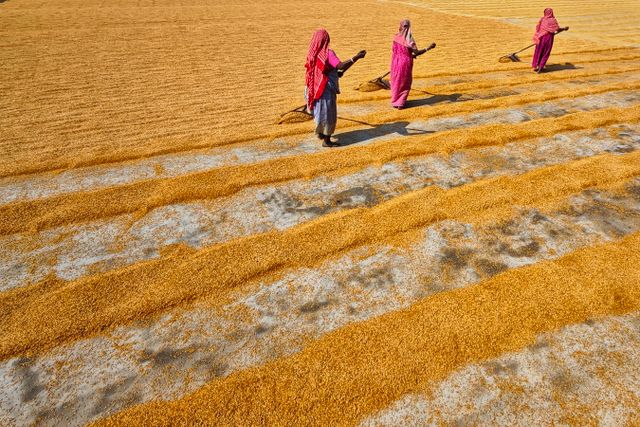
Indian food culture has always been closely connected with grains. Long before supermarkets, packaged foods and modern nutrition trends became part of everyday life, Indian households relied on grains that were suited to local climates, farming conditions and culinary traditions. Bajra, jowar, ragi, barley, foxtail millet, little millet, kodo millet and other traditional grains appeared in different forms across regional diets. They were used to make rotis, porridges, khichdi, dosas, fermented foods, snacks and festive preparations.
Over time, however, the Indian diet changed. Wheat and polished rice became increasingly dominant in many households, while several traditional grains became associated with rural communities or older generations. Urbanisation, changing lifestyles, convenience foods and the availability of refined grain products contributed to this shift.
Today, traditional grains are returning to the conversation around modern Indian diets. This revival is not simply about bringing an old ingredient back into the kitchen. It reflects a broader interest in dietary diversity, traditional food knowledge, sustainable agriculture, regional ingredients and more conscious eating habits.
Millets in particular have received renewed attention. India has a long history of millet cultivation and consumption, and research institutions continue to study their nutritional value, preparation methods and role in dietary patterns. The Indian Council of Medical Research has documented regional dietary patterns and supported research into millet-based foods, including traditional pearl millet preparations.
The return of traditional grains therefore represents an interesting meeting point between India’s culinary heritage and the needs of modern consumers.
From Everyday Staples to Forgotten Grains
For many generations, traditional grains were not considered specialised health foods. They were simply part of everyday meals.
In Rajasthan and other dry regions, bajra has historically been an important staple. In parts of southern India, ragi has been used in porridges, rotis and other preparations. Jowar has been consumed in different forms across central and western India, while several smaller millets have traditionally been cultivated and eaten in different regional communities.
These grains developed alongside local agriculture. Farmers selected crops that could grow under particular environmental conditions, while communities developed cooking techniques that made those grains practical and enjoyable.
As food systems modernised, dietary patterns began changing. Refined wheat products, polished rice and commercially processed foods became increasingly convenient and widely available. Traditional grains did not necessarily disappear completely, but in many urban households they became less visible.
The modern revival is partly about rediscovering foods that were once considered ordinary.
Why Traditional Grains Are Attracting New Attention
One major reason for the renewed interest is the growing awareness of dietary diversity. Consumers are increasingly interested in where food comes from, how it is processed and what role it can play within an overall diet.
Traditional grains offer variety beyond commonly consumed wheat and rice. Instead of replacing one staple with another completely, they can expand the range of grains used in everyday meals.
This matters because a diverse diet can provide opportunities to consume different nutrients and food components. ICMR’s work on Indian dietary patterns emphasises the importance of understanding what different populations actually eat and developing nutrition strategies that reflect regional food habits.
Traditional grains also connect nutrition with culture. A food does not have to be newly invented to become relevant to modern health-conscious consumers. Sometimes, the renewed interest comes from looking again at ingredients that were already part of local food traditions.
Millets and the Modern Indian Food Conversation
Millets have become one of the most visible examples of this revival. The category includes grains such as pearl millet, sorghum, finger millet and several small millets.
Their popularity has grown partly because they fit several conversations happening simultaneously around food. Consumers are interested in traditional foods, farmers are interested in crop diversification, and nutrition researchers continue to examine how different grains can contribute to dietary quality.
The Indian Council of Medical Research’s National Institute of Nutrition has reported research involving millet-based diets and nutrition programmes. Its 2024–25 annual report also highlights continuing work on millet-based diets and dietary recommendations.
This does not mean that every millet product is automatically healthier than every wheat or rice product. The nutritional value of a meal depends on the grain, processing method, portion size, preparation and the other foods eaten with it. The more useful way to understand traditional grains is as part of a diverse dietary pattern rather than as miracle foods.
The Nutritional Appeal of Traditional Grains
Traditional grains attract attention because many varieties contain useful amounts of dietary fibre, minerals, protein and other components. Their nutritional composition varies considerably from one grain to another, so they should not all be treated as nutritionally identical.
Pearl millet, for example, has been studied as an important dietary source of iron and zinc in some Indian populations. An ICMR-supported project examining pearl millet preparations in Rajasthan documented its role as a staple in parts of Nagaur district and investigated how traditional processing and cooking affected nutrient retention.
Such research is particularly valuable because it moves the discussion beyond simple claims about whether a food is “healthy” or “unhealthy.” Preparation matters. Soaking, pounding, de-husking, fermentation and cooking can influence the characteristics of grain-based foods.
Traditional food knowledge therefore deserves attention not simply because it is old, but because some traditional preparation methods may contain useful practical knowledge about making grains suitable for everyday consumption.
Traditional Knowledge Meets Modern Nutrition Science
The revival of traditional grains is also creating an interesting relationship between traditional knowledge and modern nutrition science.
For generations, Indian communities developed recipes based on experience. They understood which grains worked well in different seasons, how long particular grains needed to be soaked, which ingredients complemented them and how they could be stored or prepared.
Modern research approaches these foods differently. Scientists can analyse nutrient composition, examine processing methods, study dietary patterns and evaluate how particular foods perform in controlled settings.
Neither perspective needs to replace the other. Traditional knowledge can provide ideas for research, while scientific investigation can help explain which traditional practices are useful and where popular claims may need correction.
This distinction is important because the growing popularity of traditional foods has also produced exaggerated marketing claims. A grain should not be promoted as a cure for a disease simply because it has a long history of consumption. Evidence-based nutrition requires looking at the complete diet and the quality of available research.
Why Urban Consumers Are Rediscovering Traditional Grains
The revival is particularly noticeable in urban food culture. Modern consumers often have greater access to ingredients from different parts of the country than previous generations did.
A person living in a large city can now find millet flour, ragi products, jowar flour, traditional grain mixes and ready-to-cook products through supermarkets and online platforms. Restaurants and food brands are also experimenting with traditional grains in contemporary dishes.
This accessibility changes the image of traditional grains. Instead of being viewed only as ingredients used in rural or regional cooking, they can become part of modern urban food culture.
The transformation is especially visible among younger consumers who may encounter traditional grains through cafés, packaged foods, nutrition-focused brands, cooking content and social media.
For some, the attraction is nutritional. For others, it is curiosity, sustainability, cultural identity or the desire to experiment with unfamiliar foods.
Traditional Grains Are Being Reimagined
One of the most important changes is the way traditional grains are being presented.
Earlier, eating bajra might have meant having a traditional roti with a regional vegetable preparation. Today, the same grain may appear in a dosa, salad, breakfast bowl, baked snack or modern restaurant dish.
Ragi, for example, can be incorporated into porridges, pancakes, baked products and beverages. Jowar can be used in rotis and contemporary snack products. Millets can appear in grain bowls and packaged breakfast products.
This does not necessarily mean traditional cuisine is being abandoned. Instead, traditional ingredients are being adapted to contemporary cooking habits.
The challenge is to modernise the format without completely disconnecting the ingredient from its cultural context.
Convenience Is Driving the Revival
Modern lifestyles have created a contradiction in food culture. Consumers may want traditional and nutritious foods, but they may not always have the time or knowledge required to prepare them from scratch.
Food companies are responding by creating ready-to-cook mixes, flours, breakfast products and packaged snacks based on traditional grains.
This can make these foods easier to incorporate into busy lifestyles. At the same time, consumers need to look beyond the grain itself and examine the overall product. A packaged food made with millet can still contain substantial amounts of added sugar, salt or fat depending on how it is formulated.
The label “millet” does not automatically determine the nutritional quality of a packaged product.
This is one reason nutrition education is becoming increasingly important. Consumers need to understand both ingredients and the broader nutritional composition of the foods they purchase.
The Role of Regional Food Culture
Traditional grains are closely connected to India’s regional diversity.
Different regions developed different relationships with grains because agriculture depends on climate, soil, rainfall and local food traditions. A grain that was central to one community might have been relatively uncommon in another.
The renewed interest in traditional grains can therefore encourage people to explore regional food heritage. Instead of relying on a single national idea of healthy eating, consumers can rediscover the enormous variety of Indian food traditions.
This regional approach also makes traditional grains more relevant. A person does not have to adopt a completely unfamiliar diet. They can explore foods that historically belonged to their own region or neighbouring communities.
In this way, nutrition and cultural heritage can become connected rather than treated as separate subjects.
Traditional Grains and Sustainable Food Systems
The renewed interest in traditional grains is also linked to conversations about agriculture and sustainability.
Several millet varieties are associated with farming systems adapted to challenging environments, particularly dryland regions. Pearl millet, for example, has long been important in parts of Rajasthan and other dry areas.
However, sustainability claims should also be examined carefully. No single crop automatically solves every agricultural challenge. Farming outcomes depend on water availability, soil conditions, crop varieties, farming practices, market demand and local ecosystems.
Still, increasing crop diversity can be relevant to agricultural resilience. Encouraging demand for traditional grains can create markets for crops that have long been part of India’s farming heritage.
This makes the revival more than a consumer trend. It can also influence how farmers, food businesses and policymakers think about food systems.
The Importance of Preparation
How traditional grains are prepared is an important part of the discussion.
Grains can be soaked, fermented, sprouted, milled, cooked or combined with other ingredients. These processes can affect texture, digestibility, flavour and nutrient availability.
Research into pearl millet preparation in Rajasthan has specifically examined traditional cooking practices and nutrient retention. The findings demonstrate why it is useful to study actual food preparation rather than discussing grains only in their raw form.
For modern consumers, this means that learning how to cook traditional grains can be as important as purchasing them.
A grain that seems unfamiliar or difficult to prepare may become much more practical once consumers understand appropriate cooking methods and recipes.
The Influence of Younger Generations
Young Indians are playing an important role in the revival of traditional foods.
Digital platforms have made it easier for younger consumers to discover recipes from different states and communities. Food creators can demonstrate how to prepare traditional grains in modern kitchens, while online stores can make regional ingredients accessible outside their traditional markets.
This has created a new form of food discovery. A young consumer may encounter a grain not through a family recipe but through a video, recipe platform, restaurant menu or online grocery store.
Interestingly, digital culture can therefore contribute to the preservation of traditional food culture. Technology that sometimes appears to distance people from older traditions can also help those traditions reach new audiences.
Traditional Grains Are Not a Replacement for Balanced Eating
The growing popularity of traditional grains should not create another form of dietary simplification.
Replacing all wheat or rice with millets is not automatically necessary for everyone. Different grains provide different nutritional profiles, and dietary needs vary according to age, activity level, health conditions, cultural preferences and overall food intake.
A balanced approach is more practical. Traditional grains can be introduced alongside vegetables, pulses, legumes, fruits, nuts, seeds and other foods that contribute to a varied diet.
This approach also makes traditional grains easier to sustain over the long term. Instead of treating them as a temporary diet trend, households can incorporate them according to taste, availability and cultural preferences.
The goal is dietary diversity rather than creating a new single “superfood.”
Traditional Grains and the Future of Indian Food
The future of traditional grains in India may not look exactly like their past.
Their return is unlikely to mean that urban households will completely abandon wheat or rice. Instead, traditional grains may become part of a broader and more diverse food system.
They can appear in home cooking, restaurants, school meals, packaged foods, breakfast products and contemporary recipes. Farmers may find new markets, while consumers may gain greater access to regional grains.
Research institutions can also continue examining their nutritional properties, agricultural characteristics and preparation methods. ICMR’s continuing nutrition research demonstrates the importance of connecting dietary guidance with evidence and Indian food patterns.
The most meaningful revival will therefore be one based on knowledge rather than hype.
A New Relationship With Old Foods
The return of traditional grains reflects a larger change in how Indians think about food.
Modern consumers increasingly want convenience, but they are also showing interest in authenticity. They want food that fits busy lifestyles while still connecting with health, culture and sustainability.
Traditional grains sit at the intersection of these interests. They are old ingredients entering a new food environment.
Their revival also demonstrates that innovation in food does not always require inventing something new. Sometimes innovation means finding new ways to use ingredients that communities have understood for generations.
This is particularly relevant in India, where food traditions vary enormously across regions. The renewed interest in traditional grains provides an opportunity to explore that diversity while applying modern nutrition knowledge to everyday eating.
Conclusion
Traditional grains are returning to modern Indian diets because they offer more than nutritional interest. They represent a connection between India’s agricultural history, regional food traditions and changing consumer preferences.
Bajra, jowar, ragi and other traditional grains are being rediscovered through modern kitchens, restaurants, packaged foods, digital platforms and nutrition discussions. Scientific research is also helping examine their nutritional characteristics and the effects of different preparation methods.
Their revival should not be understood as a competition between traditional grains and familiar staples such as wheat and rice. Instead, it can be viewed as an expansion of the Indian diet.
As consumers become more interested in food diversity, regional ingredients, sustainable agriculture and traditional cooking practices, old grains are finding new relevance. Their future may ultimately depend not on presenting them as miracle foods, but on making them accessible, enjoyable, evidence-informed and practical for modern households.
The return of traditional grains is therefore not simply a return to the past. It is a new chapter in India’s food culture, where traditional ingredients are being reconsidered through the needs and possibilities of modern life.
Online Internship with Certificate
You may be interested

How Health Checkups Are Moving From Reactive to Preventive Thinking
Anshika Jain - September 24, 2026For many years, visiting a doctor was primarily associated with a problem. A person developed a persistent cough, experienced unexplained pain, noticed unusual fatigue, or became concerned…

Micro-Workouts: Can Five Minutes of Movement Make a Difference?
Anshika Jain - September 24, 2026Modern life has created an unusual problem for physical activity. Most people know that movement is important, yet finding enough time for structured exercise can feel increasingly…

Why Hydration Is More Complicated Than Simply Drinking More Water
Anshika Jain - September 24, 2026Hydration is often presented as one of the simplest rules of healthy living: drink more water. Carry a bottle, take regular sips and make sure you reach…
Most from this category



The Rise of Quiet Hobbies: Why Reading, Gardening and Crafting Are Returning
Anshika Jain - September 22, 2026
Digital Overload and Emotional Fatigue: When Screens Start Affecting Mood
Anshika Jain - September 22, 2026
Why People Wake Up Tired Despite Spending Enough Time in Bed
Anshika Jain - September 24, 2026Sleep Debt: What Happens When Short Nights Become a Routine?
Anshika Jain - September 22, 2026The Rise of Quiet Hobbies: Why Reading, Gardening and Crafting Are Returning
Anshika Jain - September 22, 2026
How Health Checkups Are Moving From Reactive to Preventive Thinking
September 24, 2026
Micro-Workouts: Can Five Minutes of Movement Make a Difference?
September 24, 2026
Why Hydration Is More Complicated Than Simply Drinking More Water
September 24, 2026
Why People Wake Up Tired Despite Spending Enough Time in Bed
September 24, 2026
Sleep Debt: What Happens When Short Nights Become a Routine?
September 22, 2026 .png)
Leave a Comment
You must be logged in to post a comment.