
Why Hydration Is More Complicated Than Simply Drinking More Water

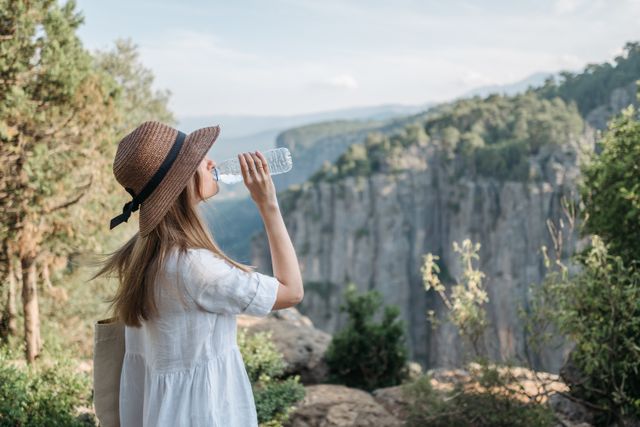
Hydration is often presented as one of the simplest rules of healthy living: drink more water. Carry a bottle, take regular sips and make sure you reach a particular number of glasses every day. While drinking enough fluid is certainly important, the science of hydration is more complicated than simply increasing water consumption.
The human body constantly gains and loses water. Fluid leaves the body through urine, sweat, breathing and bowel movements, while water enters through beverages and foods. The amount a person needs can change according to temperature, physical activity, diet, illness, body size and other individual circumstances. The Centers for Disease Control and Prevention notes that daily water needs vary with factors such as age, sex, pregnancy, breastfeeding and activity level.
Hydration is therefore better understood as a process of maintaining the body’s fluid balance rather than simply drinking as much water as possible. The body must regulate not only water but also electrolytes and other dissolved substances that help maintain the right environment for cells, nerves, muscles and organs.
This explains why two people can drink the same amount of water but have very different hydration needs. Someone sitting indoors in a cool environment may lose relatively little fluid, while another person exercising outdoors in hot and humid conditions may lose substantial amounts through sweat.
Understanding this difference can help replace simplistic hydration advice with a more practical approach based on individual circumstances.
What Hydration Actually Means
Hydration refers to the body’s overall water balance. Water is essential for numerous physiological processes, including temperature regulation, circulation, digestion, waste removal and the normal functioning of cells.
The body does not keep water completely separate from other substances. Fluids contain electrolytes such as sodium and potassium, and their concentrations influence how water moves between different compartments of the body.
The kidneys play a major role in maintaining this balance. They regulate how much water and electrolytes are retained or eliminated through urine. The body also uses thirst and hormonal mechanisms to respond to changes in fluid balance.
This means hydration is an active biological process. It is not simply a matter of filling the body with water until a particular number has been reached.
Why Everyone Does Not Need the Same Amount of Water
One of the biggest problems with simple hydration advice is the assumption that everyone needs an identical daily volume.
Water requirements can change significantly between individuals and even within the same individual from one day to another. A person may require more fluid during a hot day, during prolonged exercise or when experiencing fever, vomiting or diarrhoea. The CDC specifically identifies hot climates, physical activity, fever, vomiting and diarrhoea as circumstances in which the body may need more water.
Diet also contributes to hydration. Water is present in fruits, vegetables, soups, curd, milk and many other foods. Therefore, a person’s total water intake does not come exclusively from a drinking bottle.
Lifestyle also matters. Someone working in an air-conditioned office and someone working outdoors in the heat may experience very different fluid losses. Similarly, a sedentary person and an endurance athlete have different hydration challenges.
A fixed target can therefore be useful as a general reference in some contexts, but it should not be treated as a universal requirement for every individual.
Thirst Is One Part of the Body’s Hydration System
Thirst is often criticised because people are told they should drink before becoming thirsty. However, thirst is an important physiological signal that helps regulate fluid intake.
The sensation of thirst is influenced by changes in body water and the concentration of substances dissolved in body fluids. Research on fluid regulation shows that drinking behaviour is influenced by both water deficits and changes in the concentration of electrolytes and other solutes.
This does not mean thirst should always be ignored during exercise or extreme heat. In situations involving substantial fluid loss, especially prolonged exercise, people may need a more deliberate hydration strategy.
For ordinary daily life, however, constantly forcing large amounts of water simply because a hydration target says so may not be necessary.
The more useful approach is to recognise thirst alongside other signals and consider the conditions in which fluid is being lost.
Water Is Essential, But More Water Is Not Always Better
Water is generally an excellent beverage for everyday hydration. It contains no calories and can replace sugary drinks while helping the body maintain normal functions. The CDC notes that adequate water intake can help prevent dehydration and supports processes such as temperature regulation, joint lubrication and waste removal.
However, the idea that more water is always better can become problematic.
The body has mechanisms for removing excess water, primarily through the kidneys. If someone consumes extremely large amounts of low-electrolyte fluid, particularly during prolonged exercise, blood sodium can become dangerously diluted. This condition, known as exercise-associated hyponatremia, can occur with excessive fluid intake and can become medically serious.
This is an important distinction. The objective of hydration is not maximum water consumption. The objective is appropriate fluid balance.
Where Electrolytes Enter the Picture
Electrolytes are minerals that carry an electrical charge when dissolved in body fluids. Sodium and potassium are among the electrolytes involved in important physiological processes.
Sweating results in the loss of both water and electrolytes. The amount varies considerably between individuals and depends on factors such as exercise intensity, environmental temperature, humidity, clothing and heat acclimatisation.
For ordinary daily activities, a varied diet generally provides electrolytes while water provides fluid. The situation can become different during prolonged or intense physical activity, particularly in hot conditions.
Research and sports medicine guidance recognise that prolonged exercise can result in significant sweat and electrolyte losses. Hydration strategies for physically active people therefore need to consider individual sweat rates, environmental conditions, exercise duration and intensity rather than relying on one universal fluid target.
This is why electrolyte beverages may have a role in specific situations, but they are not automatically necessary for everyone throughout the day.
Food Is Part of Hydration
Hydration discussions often focus entirely on beverages, but food contributes to total fluid intake as well.
Fruits and vegetables can contain substantial amounts of water, while foods such as soups, yoghurt, cooked grains and other dishes also contribute fluid.
This is particularly relevant in Indian diets because meals often contain foods with considerable water content. Dal, vegetable preparations, curd, soups and fruit can all contribute to overall fluid intake.
Consequently, someone who eats a varied diet may obtain a meaningful portion of their daily water from food without consciously counting every millilitre.
This does not eliminate the need to drink fluids. Instead, it demonstrates why hydration should be considered as part of the entire dietary pattern rather than as an isolated drinking target.
Hydration Becomes More Important in Hot Weather
Climate can significantly change hydration requirements.
In hot environments, the body relies heavily on sweating to remove heat. When sweat evaporates from the skin, it helps cool the body, but it also represents a loss of water and electrolytes.
The amount of fluid lost can vary dramatically depending on temperature, humidity, wind, clothing, physical activity and individual physiology. Research on exercise in hot environments has shown that sweat rates can differ substantially even among athletes performing similar activities.
This is particularly relevant in countries such as India, where many regions experience periods of intense heat.
A hydration strategy that works comfortably during a cool winter day may not be adequate during outdoor work, sports or travel in extreme summer conditions.
Hydration therefore needs to respond to the environment rather than remain identical throughout the year.
Exercise Changes the Hydration Equation
Exercise introduces another layer of complexity because physical activity increases heat production and usually increases sweating.
For short and moderate activities, plain water may often be sufficient, particularly when the person begins exercise adequately hydrated and replaces fluids afterward.
Longer or more intense exercise creates greater fluid losses. In these situations, the amount and composition of the fluid consumed can become more relevant.
Sports nutrition research indicates that carbohydrate-electrolyte beverages can assist rehydration following exertion-related fluid loss, although plain water remains a reasonable and economical option in many circumstances when food and fluids are readily available.
The important point is that hydration requirements depend on the activity rather than simply on whether someone exercises.
A 30-minute walk and several hours of intense outdoor training are both physical activities, but they create very different fluid demands.
The Difference Between Everyday Hydration and Rehydration
Another reason hydration advice becomes confusing is that everyday hydration and rehydration are not always the same thing.
Everyday hydration involves maintaining normal fluid balance through ordinary food and beverage consumption. Rehydration occurs after a meaningful loss of fluid, such as during prolonged exercise, heavy sweating or certain illnesses.
When fluid losses involve substantial amounts of sodium and other electrolytes, simply replacing water may not address the entire physiological problem.
This is one reason oral rehydration solutions have a specific role in managing dehydration associated with conditions such as diarrhoeal illness. Their formulation is designed around the absorption of water and electrolytes rather than simply providing plain water.
For people experiencing significant dehydration due to illness, professional medical guidance may be more appropriate than experimenting with homemade hydration strategies.
Why Sugary Hydration Drinks Are Not Automatically Better
The growing popularity of hydration products has created a market filled with electrolyte waters, sports drinks, flavoured beverages and other products marketed around hydration.
Some can have legitimate uses, particularly during prolonged exercise or specific situations involving substantial fluid and electrolyte loss. But consumers should not assume that a beverage becomes healthier simply because it contains electrolytes.
Some commercially available drinks contain added sugars, and consuming large amounts may add unnecessary calories to the diet.
For routine hydration, plain water is often a practical choice. The CDC specifically recommends water as a healthy beverage and notes that replacing sugary drinks with water can reduce calorie intake.
The appropriate beverage depends on the situation. Marketing should not determine hydration strategy.
Coffee and Tea Are Part of the Conversation Too
People sometimes avoid tea and coffee because they believe these beverages automatically cause dehydration.
Caffeinated beverages can contribute to total fluid intake, although caffeine can have a mild diuretic effect. For habitual consumers, the relationship is more complicated than simply classifying coffee or tea as dehydrating beverages.
The more practical question is what the person’s overall fluid intake looks like.
If someone drinks several cups of tea but consumes very little other fluid, has a high-salt diet and spends hours outdoors in extreme heat, simply saying that tea counts as hydration does not solve the broader issue.
Hydration should always be considered within the context of the complete diet, environment and lifestyle.
Alcohol Creates a Different Hydration Challenge
Alcohol can affect fluid balance and is not an appropriate replacement for water; Alcohol can increase urine production and may contribute to dehydration, particularly when combined with heat, exercise or inadequate fluid intake.
This is another example of why the hydration question cannot be reduced to counting beverages. What a person drinks can influence fluid balance in different ways.
For people consuming alcohol, maintaining ordinary hydration through appropriate non-alcoholic fluids remains important.
The Problem With Hydration Myths
The popularity of hydration advice has created numerous simplified claims. People may hear that everyone must drink a fixed amount of water, that clear urine always indicates perfect hydration, or that drinking continuously is always healthier.
Such rules can be misleading when separated from individual circumstances.
Hydration status is influenced by fluid intake, food, kidney function, sweat losses, environmental conditions, physical activity and electrolyte balance. Sports medicine guidance specifically emphasises individual differences in fluid needs and warns against both insufficient hydration and excessive drinking.
The goal should therefore be informed hydration rather than obsessive hydration.
How People Can Think About Hydration More Practically
A practical approach begins by considering normal daily conditions. Most healthy people can maintain hydration through regular consumption of water and other appropriate beverages together with water-containing foods.
The need for additional attention increases when circumstances change. Hot weather, prolonged exercise, heavy sweating, fever, vomiting and diarrhoea can all increase fluid requirements.
During prolonged physical activity, individuals may benefit from paying attention to their own sweat losses and environmental conditions. Sports medicine guidance recommends considering factors such as body size, sweat rate, exercise duration, intensity, temperature and individual tolerance when developing hydration strategies.
This approach is more useful than following a rigid number without considering context.
When Hydration Problems Need Medical Attention
Most everyday hydration questions can be managed through ordinary healthy habits, but severe fluid imbalance can become a medical issue.
Significant dehydration can occur with illnesses involving vomiting or diarrhoea, prolonged exposure to heat or intense physical activity. On the other hand, excessive fluid intake can contribute to dangerously low blood sodium in some circumstances.
People with certain medical conditions or those taking medications that affect fluid or electrolyte balance may also have different hydration requirements. They should follow advice from their healthcare professional rather than applying generic internet recommendations.
Severe symptoms associated with dehydration or electrolyte imbalance require medical attention rather than simply drinking increasingly large amounts of water.
The Future of Hydration Is Becoming More Personalised
Technology is also changing how people think about hydration. Smartwatches, fitness trackers and other wearable devices can increasingly monitor activity, environmental conditions and physiological signals.
These technologies may eventually help people understand patterns in sweat loss and fluid requirements more precisely. However, technology should complement rather than replace basic physiological awareness and professional guidance where necessary.
The future of hydration may therefore become more personalised. Instead of asking everyone to follow exactly the same drinking schedule, technology and research may help individuals understand how their bodies respond to exercise, heat, diet and daily routines.
This would represent a shift from generic hydration targets toward context-based hydration.
Conclusion
Hydration is essential, but it is more complicated than simply drinking more water.
The body constantly regulates water and electrolytes, while fluid requirements change according to activity, climate, diet, illness and individual physiology. Water remains an important and practical source of hydration, but situations involving heavy sweating or prolonged exercise may require greater attention to electrolytes and overall fluid replacement.
At the same time, drinking excessive amounts of plain water is not automatically healthier and can create risks in certain circumstances. Hydration products are not universally necessary, and food also contributes to total fluid intake.
The most useful approach is therefore neither to ignore hydration nor to become obsessed with it. Instead, people can pay attention to thirst, daily fluid intake, urine patterns, food, environmental conditions, physical activity and unusual fluid losses.
Good hydration is ultimately about balance. It means providing the body with enough fluid to support normal function while recognising that the right amount depends on the person and the situation. In that sense, the healthiest hydration strategy is not necessarily to drink more water, but to understand when, why and how much fluid the body actually needs.
Online Internship with Certificate
You may be interested

First-Pass Metabolism of Nutrients: Intestine and Liver Transform What We Eat
Anshika Jain - October 15, 2026The journey of nutrients does not end when food has been digested and absorbed. Before many nutrients reach the wider circulation and become available to tissues throughout…

Endocrine Architecture of Eating: Gut Hormones Coordinate Nutrient Processing
Anshika Jain - October 15, 2026Eating is often understood as a simple response to hunger or a way to obtain energy. In reality, food intake is regulated by a sophisticated biological communication…

Metabolic Cost of Digestion: Diet-Induced Thermogenesis Beyond Calorie Intake
Anshika Jain - October 15, 2026Food provides the energy required to maintain body temperature, support physical activity, regulate organ function, and sustain cellular processes. However, the energy obtained from food is not…
Most from this category

Enterohepatic Circulation of Nutrients: Intestine Coordinate Metabolic Recycling
Anshika Jain - October 15, 2026

Food Matrix Effects: Food Can Matter as Its Nutrient Composition
Anshika Jain - October 15, 2026Biology of Nutrient Competition: Minerals Interact During Absorption
Anshika Jain - October 15, 2026Enterohepatic Circulation of Nutrients: Intestine Coordinate Metabolic Recycling
Anshika Jain - October 15, 2026



Food Matrix Effects: Food Can Matter as Its Nutrient Composition
October 15, 2026
.png)
Leave a Comment
You must be logged in to post a comment.