
Micro-Workouts: Can Five Minutes of Movement Make a Difference?

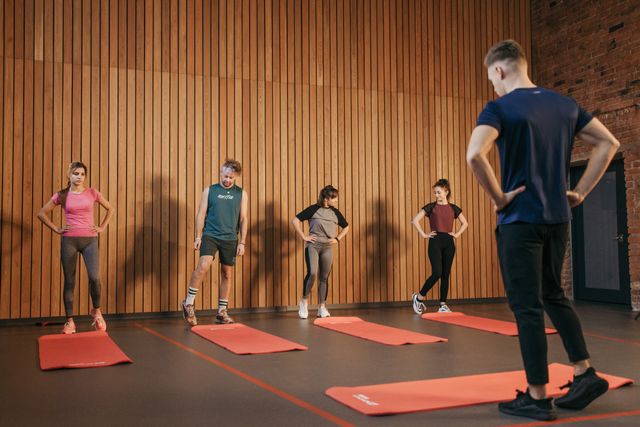
Modern life has created an unusual problem for physical activity. Most people know that movement is important, yet finding enough time for structured exercise can feel increasingly difficult. Work, commuting, studying, household responsibilities, family commitments and long periods of screen use can leave little room for a traditional hour-long workout.
This has contributed to growing interest in a different approach to exercise: micro-workouts. Instead of setting aside a long, uninterrupted period for physical activity, people can divide movement into short sessions throughout the day. A micro-workout may last only a few minutes and can include activities such as brisk walking, bodyweight exercises, stair climbing, squats, mobility exercises or short bursts of more vigorous movement.
The idea raises an obvious question: can five minutes of movement really make a difference?
The answer is more nuanced than simply saying that five minutes is equivalent to a full workout. A five-minute session cannot automatically replace every form of longer exercise, particularly when the goal is to develop substantial endurance, strength or athletic performance. However, research increasingly supports the idea that physical activity does not need to occur only in long sessions to contribute to health. The World Health Organization’s current physical activity guidelines recognise that activity of any duration can contribute to health, while adults are still encouraged to accumulate 150 to 300 minutes of moderate-intensity aerobic activity, or an equivalent amount of vigorous activity, across the week.
This makes micro-workouts less about finding a shortcut around exercise and more about finding practical ways to make movement a regular part of everyday life.
What Exactly Is a Micro-Workout?
A micro-workout is a short period of intentional physical activity performed separately from a conventional exercise session. There is no single universally accepted definition of exactly how long a micro-workout must last, but recent research on “exercise snacks” has examined structured bouts lasting five minutes or less.
A 2025 systematic review and meta-analysis examined 11 randomised controlled trials involving brief exercise sessions of five minutes or less, generally performed multiple times per day and several days per week. The researchers found improvements in cardiorespiratory fitness among adults, although the certainty of evidence was described as moderate and the studies varied considerably in their design and exercise intensity.
This is important because it changes the way short exercise sessions can be viewed. Five minutes of movement is not necessarily meaningless simply because it is short. When repeated consistently, short sessions can contribute to a person’s overall physical activity and may provide measurable benefits.
The emphasis, however, should remain on consistency and total activity rather than the idea that one five-minute session is enough for everyone.
Why Short Workouts Are Becoming More Popular
The appeal of micro-workouts comes largely from convenience. Traditional exercise often requires preparation, travel, changing clothes, access to equipment and a dedicated block of uninterrupted time. Even when the actual workout lasts only thirty minutes, the surrounding routine can make it feel much longer.
Micro-workouts reduce some of these barriers. A person working at a desk might take five minutes to walk briskly around the building. A student could perform a short bodyweight routine between study sessions. Someone working from home could use a few minutes between meetings for mobility exercises or stair climbing.
This approach can be particularly useful for people who struggle with the psychological barrier of starting a longer workout. Five minutes can feel achievable even on a busy day.
Once movement becomes easier to start, it may also become easier to continue. A person who begins with five minutes may occasionally continue for ten or fifteen minutes. Even when they do not, the short session still represents an opportunity to interrupt prolonged inactivity.
Five Minutes Is Better Understood as a Building Block
The most useful way to understand micro-workouts is as building blocks of physical activity rather than complete replacements for exercise.
Suppose a person performs five minutes of brisk movement in the morning, another five minutes during lunch and another five minutes in the evening. That creates fifteen minutes of purposeful activity across the day.
Repeated over several days, these small periods can accumulate into a meaningful amount of movement.
The World Health Organization’s physical activity guidance emphasises that every movement counts and that adults should aim for at least 150 to 300 minutes of moderate-intensity aerobic activity each week, together with muscle-strengthening activity on at least two days.
Micro-workouts can therefore help people move toward broader activity goals. They should not be viewed as a mathematical loophole that eliminates the need for sufficient overall activity.
The Importance of Breaking Up Long Periods of Sitting
One of the most interesting aspects of micro-workouts is their potential role in reducing prolonged sedentary behaviour.
Modern jobs and education can require people to sit for hours. A person may spend much of the day at a computer, switch to a smartphone during breaks and then continue sitting while travelling or watching entertainment.
Even someone who exercises regularly can spend a large portion of the remaining day sedentary.
Short movement breaks provide an opportunity to interrupt this pattern. Standing up, walking, climbing stairs or performing simple mobility movements changes the body position and introduces physical activity into otherwise sedentary periods.
Research has increasingly examined the effects of interrupting prolonged sitting with movement. A systematic review of studies involving adults aged 60 and older, for example, examined how breaks in sedentary behaviour may influence cardiovascular, metabolic, functional and psychosocial outcomes, although the evidence varied across outcomes.
This suggests that the value of micro-workouts may not come only from the exercise itself. Part of their usefulness may be that they change the rhythm of an otherwise inactive day.
Can Five Minutes Improve Fitness?
Fitness improvements depend on the type, intensity and frequency of activity.
A casual five-minute walk is unlikely to create the same training stimulus as a five-minute period of vigorous exercise. Similarly, five minutes of stretching affects the body differently from five minutes of resistance exercises.
Recent evidence provides encouraging findings for brief exercise sessions. The 2025 systematic review of exercise snacks found significant improvements in cardiorespiratory fitness among adults who performed repeated sessions lasting five minutes or less. However, the authors also reported moderate certainty of evidence and considerable variation between studies.
This means the findings should be interpreted realistically. Micro-workouts can contribute to fitness, particularly when repeated consistently and performed with sufficient intensity, but their effects depend on the programme.
Someone who wants to improve endurance substantially may eventually need longer or more demanding training. Someone trying to become more active after a sedentary period may benefit greatly from simply introducing regular movement.
Micro-Workouts Can Make Exercise More Accessible
One of the strongest arguments for micro-workouts is accessibility.
Not everyone can immediately begin a demanding exercise programme. People who have been inactive for a long time may find conventional workouts uncomfortable or intimidating. Others may have limited time, limited access to facilities or physical limitations that require a gradual approach.
Starting with small amounts of activity can make movement feel more achievable. WHO guidance recognises that inactive people should begin with small amounts of physical activity and gradually increase duration, frequency and intensity.
This principle can be particularly useful for building confidence. Instead of thinking that exercise requires a gym membership, expensive equipment or a complete lifestyle transformation, individuals can begin by making small periods of movement part of their existing routine.
The long-term goal is not necessarily to remain at five minutes forever. It is to create a sustainable relationship with physical activity.
Micro-Workouts and Muscle Strength
Short sessions can also be designed around muscular strength.
Bodyweight squats, wall push-ups, lunges, step-ups and other resistance movements can be performed without specialised equipment. A short routine can target major muscle groups and complement aerobic activity.
However, building strength is different from simply moving more. Strength development generally depends on progressive resistance and sufficient training stimulus. As a person becomes stronger, the exercise may need to become more challenging.
For this reason, a five-minute strength session can be useful as part of a broader routine, but it should not automatically be considered a complete strength programme.
The same principle applies to cardiovascular fitness. Short sessions can contribute to conditioning, but the total amount and intensity of training matter.
The Role of Intensity
Intensity is one of the factors that determines what a short workout can accomplish.
Five minutes of slow stretching and five minutes of vigorous stair climbing are both five-minute activities, but their physiological effects are very different.
Micro-workouts can therefore be adapted to different goals. Someone seeking gentle movement during a work break might choose walking and mobility exercises. Someone who already has a fitness base might use short intervals of higher-intensity activity.
However, high-intensity exercise is not appropriate for everyone. People with medical conditions, injuries, significant symptoms or uncertainty about whether vigorous activity is safe should seek appropriate professional advice before starting demanding exercise.
The principle should be progression rather than unnecessary intensity.
Micro-Workouts Can Fit Into Student Life
Students are another group that may benefit from short movement sessions.
Long study periods can involve extended sitting and sustained concentration. Instead of treating movement as something that can happen only after studying is finished, students can incorporate short activity breaks into their study routine.
A few minutes of walking between study sessions can provide a physical break from the desk. Simple mobility movements can change posture after extended screen use. Short periods of activity can also make the transition between tasks more noticeable.
This approach is particularly relevant as digital education becomes increasingly common. Students may spend hours switching between online lectures, digital assignments, educational platforms and personal screens.
Micro-workouts provide a practical reminder that learning does not have to mean remaining physically still for hours.
Micro-Workouts and Office Life
The modern workplace provides another natural environment for short exercise sessions.
Employees may spend much of their working day seated at desks, participating in virtual meetings or working on computers. Finding a full hour for exercise during a working day may be difficult, but several short movement opportunities can be easier to accommodate.
Walking during a phone call, taking stairs instead of a lift, standing during part of a meeting or performing a brief mobility routine between tasks can all introduce additional movement.
These activities may seem too small to matter individually. Their value comes from repetition.
A five-minute movement break every few hours can change how much movement occurs across an entire workday.
The Psychological Advantage of Small Goals
Micro-workouts may also work because they change the psychology of exercise.
Large goals can sometimes create an all-or-nothing mindset. A person may think that if they cannot complete a full workout, there is no point exercising at all.
A five-minute goal is different. It lowers the barrier to beginning.
This does not guarantee long-term adherence, but it can help establish a habit. Once movement becomes associated with manageable actions rather than overwhelming commitments, people may become more comfortable increasing their activity over time.
The most effective exercise routine is not necessarily the one that looks most impressive. It is the one that a person can perform consistently while gradually progressing toward appropriate activity levels.
Micro-Workouts Are Not a Magic Solution for Weight Loss
One area where micro-workouts require realistic expectations is weight management.
Physical activity contributes to energy expenditure, but body weight is influenced by multiple factors, including food intake, overall activity, metabolism, sleep and other aspects of health.
A five-minute workout is unlikely to compensate for a consistently inactive lifestyle or an energy intake that substantially exceeds requirements.
However, dismissing short exercise because it does not burn a large number of calories would also be misleading. Micro-workouts can increase total daily movement and may help people develop more active routines.
The objective should therefore be broader than calorie burning. Movement contributes to cardiovascular fitness, muscular function and general physical activity, while also helping people spend less of the day completely sedentary.
How Technology Is Supporting Micro-Workouts
Digital technology has made short exercise sessions easier to organise.
Fitness applications, smartwatches, online exercise videos and activity reminders can encourage people to take movement breaks. Some platforms provide workouts that last only a few minutes, making them suitable for people with limited time.
Digital tools can also provide feedback about activity patterns. A person may discover that they walk very little during working hours despite exercising on weekends. That information can encourage more frequent movement during the day.
However, technology should support behaviour rather than create another source of pressure. Not every movement needs to be measured, scored or converted into a target.
Sometimes the simplest reminder to stand up and move is enough.
Five Minutes Can Become a Habit
The greatest potential of micro-workouts may be their ability to make physical activity feel normal.
When exercise is treated only as a formal event, it can become something that happens at a gym or during a dedicated workout window. Micro-workouts challenge that idea by spreading movement across everyday life.
A few minutes in the morning, a short walk during lunch and a brief movement session in the evening can become part of a normal routine.
Over time, those small actions can accumulate. More importantly, they can reinforce the identity of being an active person.
This behavioural shift may be more valuable than the five minutes themselves.
What Five Minutes Cannot Do
It is equally important not to exaggerate the evidence.
Five minutes of movement is useful, but it does not automatically provide every benefit associated with a comprehensive exercise programme. People need different amounts and types of activity depending on their goals, age, health status and physical abilities.
Someone training for a marathon needs a very different programme from someone trying to reduce sedentary time. An older adult working on balance has different priorities from a competitive athlete. A person recovering from an injury may need professional rehabilitation rather than generic micro-workouts.
Micro-workouts are therefore best understood as one tool within a larger approach to physical activity.
Creating a Sustainable Movement Routine
A practical routine can begin by identifying natural gaps in the day.
The morning may provide a few minutes before work or study begins. Lunch can become an opportunity for a short walk. Long periods of computer work can be interrupted with brief movement. Evening routines can include another short session.
The specific activity matters less than making it realistic and repeatable.
As fitness improves, some sessions can gradually become longer or more challenging. This creates progression without requiring a complete lifestyle change from the beginning.
WHO guidance supports the broader principle that inactive adults can begin with small amounts of activity and gradually build toward recommended levels.
When Professional Guidance Is Important
Although many forms of light movement are suitable for healthy adults, exercise should still be approached carefully when someone has a significant medical condition, injury, severe pain, unexplained symptoms or major limitations in mobility.
A person who experiences chest pain, fainting, severe shortness of breath or other concerning symptoms during exercise should stop and seek appropriate medical attention.
People returning to activity after a significant period of inactivity or managing chronic conditions may benefit from professional guidance about the appropriate type and intensity of exercise.
Micro-workouts are intended to make movement more accessible, not to replace personalised medical or exercise advice when it is needed.
Conclusion
Five minutes of movement may sound insignificant compared with a traditional workout, but modern research suggests that brief exercise sessions can contribute meaningfully to physical activity when they are repeated consistently. Recent evidence on exercise snacks has found improvements in cardiorespiratory fitness from repeated bouts lasting five minutes or less, although the evidence remains limited and varies across studies.
The broader message from physical activity research is that movement does not need to happen only in long, uninterrupted sessions. WHO guidance recognises that physical activity of any duration can contribute to health while still recommending substantial weekly activity for adults.
Micro-workouts therefore should not be presented as a replacement for all longer exercise. Their real value is that they make movement easier to start, easier to repeat and easier to fit into busy lives.
For a student sitting at a desk, an employee working through a long computer day, a parent managing a demanding schedule or an older adult gradually becoming more active, five minutes can be a practical starting point.
The question is not whether five minutes is equal to an hour. It is whether five minutes is better than remaining completely inactive.
In many everyday situations, it is a meaningful step toward a more active lifestyle. When those small steps are repeated throughout the day and combined over the week, micro-workouts can become part of a broader and more sustainable approach to physical activity.
Online Internship with Certificate
You may be interested

How Health Checkups Are Moving From Reactive to Preventive Thinking
Anshika Jain - September 24, 2026For many years, visiting a doctor was primarily associated with a problem. A person developed a persistent cough, experienced unexplained pain, noticed unusual fatigue, or became concerned…

Why Hydration Is More Complicated Than Simply Drinking More Water
Anshika Jain - September 24, 2026Hydration is often presented as one of the simplest rules of healthy living: drink more water. Carry a bottle, take regular sips and make sure you reach…

Why Traditional Grains Are Returning to Modern Indian Diets
Anshika Jain - September 24, 2026Indian food culture has always been closely connected with grains. Long before supermarkets, packaged foods and modern nutrition trends became part of everyday life, Indian households relied…
Most from this category



The Rise of Quiet Hobbies: Why Reading, Gardening and Crafting Are Returning
Anshika Jain - September 22, 2026
Digital Overload and Emotional Fatigue: When Screens Start Affecting Mood
Anshika Jain - September 22, 2026
Why People Wake Up Tired Despite Spending Enough Time in Bed
Anshika Jain - September 24, 2026Sleep Debt: What Happens When Short Nights Become a Routine?
Anshika Jain - September 22, 2026The Rise of Quiet Hobbies: Why Reading, Gardening and Crafting Are Returning
Anshika Jain - September 22, 2026
How Health Checkups Are Moving From Reactive to Preventive Thinking
September 24, 2026
Why Hydration Is More Complicated Than Simply Drinking More Water
September 24, 2026
Why Traditional Grains Are Returning to Modern Indian Diets
September 24, 2026
Why People Wake Up Tired Despite Spending Enough Time in Bed
September 24, 2026
Sleep Debt: What Happens When Short Nights Become a Routine?
September 22, 2026 .png)
Leave a Comment
You must be logged in to post a comment.