
Why Rest Days Are Not the Same as Being Inactive


When people begin taking exercise seriously, they often focus on how many days they train. More workouts can sometimes feel like greater commitment, while taking a day away from structured exercise may create the impression that progress has stopped. This mindset can make rest seem unproductive, particularly in a fitness culture that frequently celebrates consistency, intensity and visible effort.
However, rest and inactivity are not the same thing. A rest day can be a deliberate part of a training programme that allows the body to recover from previous exercise while still leaving room for ordinary movement. Inactivity, by contrast, refers to a broader lack of moderate- or vigorous-intensity physical activity. The distinction matters because recovery is an essential part of adapting to exercise, while regular movement remains important for overall health. Current CDC guidance encourages adults to move more and sit less, while exercise-recovery research emphasises the importance of balancing training stress with adequate recovery.
A well-designed fitness routine therefore does not have to mean exercising intensely every day. It can involve demanding training sessions, easier movement, active recovery and complete rest at appropriate times. Understanding the difference between these concepts can help people develop a healthier relationship with exercise and avoid viewing every non-workout day as a failure.
What Is a Rest Day?
A rest day is a period intentionally included in a training routine to reduce or temporarily remove structured exercise. It gives the body an opportunity to recover from the physical demands of previous workouts.
The exact meaning of a rest day can vary. For one person, it may mean no planned exercise at all. For another, it may involve a relaxed walk, gentle stretching or normal daily activities without a formal workout. The appropriate approach depends on the person’s training intensity, fitness level, goals, schedule and recovery needs.
The important characteristic is that a rest day reduces training stress. It is not necessarily a day when a person remains physically still from morning to night.
This distinction becomes particularly important for people who participate in resistance training, running, sports or other demanding activities. Exercise creates a training stimulus, but adaptation requires recovery. A 2024 review of resistance-training research describes training as a balance between stress, fatigue and recovery, noting that insufficient recovery can temporarily impair performance.
What Does Being Inactive Mean?
Inactivity is a different concept. The Physical Activity Guidelines define an inactive person as someone who does not engage in moderate- or vigorous-intensity physical activity beyond basic movement associated with daily life.
This means that someone can have a rest day without being generally inactive. A person may skip a structured workout while still walking around the house, completing household tasks, going shopping, commuting, spending time outdoors or taking a gentle walk.
The distinction becomes especially relevant when considering health beyond exercise performance. Physical activity is associated with a range of health benefits, and the CDC recommends that adults accumulate at least 150 minutes of moderate-intensity aerobic activity each week, or an equivalent amount of vigorous activity, alongside muscle-strengthening activity on at least two days.
The guidance also emphasises that some activity is better than none and encourages people to sit less. A rest day therefore does not have to mean abandoning movement altogether.
Why the Body Needs Recovery
Exercise places stress on the body. During training, muscles produce force, energy systems are challenged, coordination is tested and tissues experience physical demands. The body then needs time to respond to those demands.
Recovery is the period during which the body works toward restoring its capacity for future activity. The amount of recovery required depends on the type and intensity of exercise, training volume, sleep, nutrition, stress and individual differences.
Resistance training provides a clear example. A 2024 review found that higher training volumes and training close to failure can increase recovery demands, while exercises involving large muscle groups or substantial eccentric loading may also require greater recovery. The authors emphasised that recovery needs vary considerably between individuals.
This is why a training plan cannot simply be judged by the number of workouts completed. The quality of recovery between demanding sessions can influence whether a person is ready to perform effectively during the next session.
Rest Is Part of Training, Not the Opposite of Training
One of the most important changes in fitness thinking is recognising that recovery belongs inside the training process. A workout provides a stimulus. Recovery provides the opportunity to respond to that stimulus. Adaptation occurs over time through the interaction of these elements rather than through exercise alone.
The American Heart Association’s scientific statement on resistance exercise notes that planned rest days can allow appropriate neuromuscular adaptations. This perspective changes how a rest day should be viewed. Instead of asking whether the day was productive because no workout was completed, a person can consider whether the day served the larger purpose of the training programme.
For someone who has trained hard for several days, reducing exercise may help them return to the next demanding session with better readiness. For someone experiencing accumulated fatigue, additional recovery may be more useful than forcing another intense workout.
Active Recovery Is Different From Another Workout
The term active recovery is often used to describe low-intensity physical activity performed during a recovery period. It can include gentle walking, easy cycling, relaxed swimming, mobility work or other low-demand movement. The key difference between active recovery and another training session is the level of stress placed on the body. Active recovery should generally be easier than the workouts it is helping to separate.
Research reviewed in 2024 describes active recovery as lower-volume, lower-intensity and shorter-duration exercise performed during recovery periods. The review notes that light aerobic activity can sometimes be used productively during recovery, while complete cessation of training may also be appropriate depending on the situation.
This means active recovery should not become an excuse to turn every rest day into another demanding workout. If an “easy” day repeatedly becomes intense, the intended recovery effect can be undermined.
Why Light Movement Can Still Be Valuable
The idea that rest means complete physical stillness can create an unnecessary distinction between exercise and ordinary movement. A person can take a relaxed walk without treating it as a workout. They can perform normal household activities, move around during the day, spend time outside or perform gentle mobility exercises. These activities may contribute to daily movement without creating the same training demands as a structured workout.
This is consistent with the CDC’s broader recommendation to move more and sit less. Physical activity includes movement associated with daily life, and people can gain health benefits from reducing sedentary time and incorporating activity into their routines. A rest day can therefore be physically active in a low-demand way while still being a genuine recovery day.
The Difference Between Recovery and Sedentary Behaviour
Another reason the distinction matters is that recovery should not automatically become prolonged sedentary behaviour. Imagine someone completing a demanding strength workout on Monday and taking Tuesday as a rest day. If Tuesday involves normal household movement, a relaxed walk and plenty of recovery, that is very different from spending nearly the entire day sitting without any physical activity.
Both days may contain no formal workout, but they have different movement patterns. This does not mean that sitting or relaxing is inherently harmful or that people need to remain active every minute. Rest, relaxation and sleep are essential. The point is that planned recovery and prolonged inactivity serve different purposes. A healthy lifestyle can contain both intentional rest and regular movement.
Rest Days and Muscle Recovery
Resistance training is one area where rest days can become especially important. Strength training creates a stimulus that requires recovery before similar muscles are subjected to another demanding session.
Traditional resistance-training recommendations have often encouraged spacing sessions to allow recovery between workouts targeting the same muscles. However, research also shows that the ideal schedule can vary depending on training experience, exercise selection, volume and individual response.
This means there is no universal number of rest days that works for every person. A beginner following a moderate programme may have different recovery requirements from an experienced athlete performing high-volume training. Training plans should therefore consider the actual workload rather than simply counting consecutive exercise days.
Rest Days for Runners and Endurance Athletes
Rest is not limited to strength training. Running, cycling, swimming and other endurance activities also place demands on the body. A runner who performs several intense sessions each week may need easier days between harder workouts. The same principle applies to people preparing for races or increasing training volume.
The purpose of an easier day is not necessarily to eliminate movement. A person might walk or perform very light activity while reducing running intensity. The objective is to manage overall training stress so that demanding sessions can be performed appropriately.
Recovery becomes particularly important when training volume increases rapidly. A sudden increase in frequency, duration or intensity can create a larger recovery requirement than the individual is prepared to handle.
Rest Days and Mental Recovery
Recovery is not exclusively physical. Exercise can also require mental effort. Following a demanding training schedule may involve planning, tracking, commuting to a gym, maintaining motivation and repeatedly challenging oneself. Competitive athletes may also experience psychological pressure associated with performance. A rest day can provide a mental break from structured exercise.
It creates space for other activities and can reduce the feeling that every day must revolve around training. This can be particularly useful for people who have developed an all-or-nothing relationship with exercise. If missing a workout creates guilt or anxiety, learning to treat recovery as a legitimate part of fitness can create a healthier long-term approach. Fitness should contribute to quality of life rather than consume it.
Rest Days Do Not Mean Losing Progress
Some people fear that taking a day away from training will cause them to lose fitness. In reality, meaningful changes in strength, endurance and physical capacity develop over weeks and months rather than depending on the completion of every single scheduled workout. A single rest day does not erase the adaptations developed through consistent training.
In fact, inadequate recovery can become counterproductive when fatigue accumulates and performance declines. The resistance-training literature emphasises the relationship between training stress, fatigue and recovery, with insufficient recovery potentially impairing subsequent performance.
This is why consistency should not be interpreted as exercising at maximum intensity every day. Long-term consistency includes knowing when to train, when to reduce intensity and when to rest.
How Sleep Fits Into Rest and Recovery
Sleep is one of the most important parts of recovery. Physical activity and sleep influence one another, and inadequate sleep can affect energy, performance and the ability to recover from training.
A rest day cannot compensate for consistently poor sleep, just as sleep cannot completely replace appropriate training management. Recovery is a combination of behaviours rather than a single action.
For someone training regularly, maintaining a consistent sleep schedule and allowing sufficient opportunity for sleep can support the broader recovery process. Rest days provide another opportunity to prioritise sleep, relaxation and normal daily routines rather than constantly organising the day around intense exercise.
Nutrition and Hydration During Rest Days
Rest days are sometimes misunderstood as days when nutrition should also be dramatically reduced. This can create an unnecessary divide between training days and recovery days.
The body continues to require energy and nutrients during recovery. Food supports normal physiological processes, and adequate hydration remains important regardless of whether a person completes a formal workout.
The exact nutritional requirements depend on factors such as body size, activity level, training goals, overall diet and health circumstances. A rest day does not automatically mean that someone needs to eat substantially less simply because they are not exercisin. Recovery is part of the training cycle, and nutrition remains part of that process.
How to Know When a Rest Day May Be Appropriate
There is no single sign that determines whether every person needs a rest day. However, changes in performance, persistent fatigue, unusual muscle soreness, reduced motivation and difficulty completing normal training can all provide information about recovery status.
These signals should be considered alongside the structure of the training programme. A challenging session can naturally produce temporary fatigue, and muscle soreness does not automatically mean that training should stop. What matters is the overall pattern. If fatigue continues to accumulate and performance repeatedly deteriorates, the training load may need to be adjusted.
A qualified exercise professional can help individuals interpret these patterns and modify training appropriately, particularly when someone is following a demanding programme or returning from injury.
Rest Days Should Be Individualised
The appropriate amount of rest depends on the person and the programme. A beginner who exercises three times per week may naturally have several non-training days. An experienced athlete may train on most days but vary intensity across sessions.
Someone recovering from an illness or injury may require a substantially different approach. Age, fitness level, exercise history, sleep, nutrition, stress, work demands and health conditions can all influence recovery.
For people with chronic health conditions or disabilities, the CDC recommends discussing appropriate types and amounts of activity with a healthcare professional or physical activity specialist. This reinforces an important principle: exercise recommendations provide general frameworks, but individual circumstances matter.
Rethinking the Meaning of Consistency
The fitness industry sometimes presents consistency as never missing a workout. A more useful definition is the ability to maintain healthy activity patterns over time.
Someone who exercises intensely every day for three weeks and then stops because of exhaustion may be less consistent in the long term than someone who trains four days per week, uses recovery days appropriately and maintains the routine for months. Consistency therefore includes flexibility.
A sustainable routine can contain difficult sessions, easy sessions, rest days and periods when training needs to be modified. The ability to adapt is not evidence of failure. It is part of maintaining physical activity over the long term.
Rest Days and the Bigger Picture of Physical Activity
Rest days should also be considered within the broader context of weekly movement. The CDC recommends at least 150 minutes of moderate-intensity aerobic activity per week for adults, or 75 minutes of vigorous activity, together with muscle-strengthening activity on at least two days. It also encourages people to sit less and notes that any amount of moderate- or vigorous-intensity activity provides some health benefits.
These recommendations do not require people to exercise every day. A person can distribute activity across the week in a way that includes recovery. The exact schedule can vary according to individual circumstances, provided that the overall routine remains appropriate and sustainable. This is why a rest day should not be judged in isolation. What matters is the complete pattern of movement, exercise and recovery.
Conclusion
Rest days are not the same as being inactive because their purpose is different. A rest day is an intentional reduction in structured exercise that allows the body and mind to recover from training. Inactivity refers more broadly to insufficient moderate- or vigorous-intensity physical activity.
A person can therefore take a genuine rest day while still walking, completing household activities, moving around during the day or performing gentle recovery activities. The goal is not to eliminate all movement but to reduce training stress when recovery is needed.
Research on exercise recovery shows that training adaptation depends on balancing stress and recovery, while public-health guidance continues to encourage regular physical activity and reduced sedentary time.
The most sustainable approach to fitness is not to treat every day as an opportunity to train harder. It is to understand that progress is built through the interaction of exercise, recovery, sleep, nutrition and consistency. Rest days can therefore be productive even when no formal workout takes place.
A healthy relationship with exercise leaves room for both movement and recovery. Rest is not the absence of fitness. When used intentionally, it is one of the conditions that allows fitness to develop.
Online Internship with Certificate
You may be interested

Virtual Healthcare: How Telemedicine Is Changing Access to Medical Services
Anshika Jain - September 25, 2026Healthcare has traditionally depended on physical proximity. Patients travelled to clinics, hospitals, diagnostic centres, and specialist offices to receive medical advice, undergo examinations, collect prescriptions, or discuss…

Exercise and Mood: Why Movement Is Being Included in Wellness Conversations
Anshika Jain - September 25, 2026For many years, exercise was discussed primarily in terms of physical outcomes. People associated regular movement with stronger muscles, improved cardiovascular fitness, weight management, better endurance and…
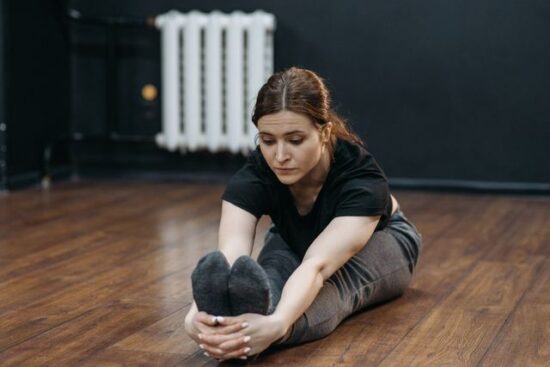
Why Warm-Ups and Cool-Downs Deserve More Attention
Anshika Jain - September 25, 2026Exercise routines often receive attention for the main activity. People plan their running distance, choose their strength-training exercises, track calories, count repetitions, or measure workout duration. Yet…
Most from this category


The Problem With Googling Symptoms: Why Health Information Needs Context
Anshika Jain - September 25, 2026
How Health Checkups Are Moving From Reactive to Preventive Thinking
Anshika Jain - September 24, 2026

Mobility Training: Why Flexibility Alone Is Not the Whole Story
Anshika Jain - September 25, 2026The Problem With Googling Symptoms: Why Health Information Needs Context
Anshika Jain - September 25, 2026How Health Checkups Are Moving From Reactive to Preventive Thinking
Anshika Jain - September 24, 2026


Why Warm-Ups and Cool-Downs Deserve More Attention
September 25, 2026
Mobility Training: Why Flexibility Alone Is Not the Whole Story
September 25, 2026
The Problem With Googling Symptoms: Why Health Information Needs Context
September 25, 2026 .png)
Leave a Comment
You must be logged in to post a comment.