
Virtual Healthcare: How Telemedicine Is Changing Access to Medical Services

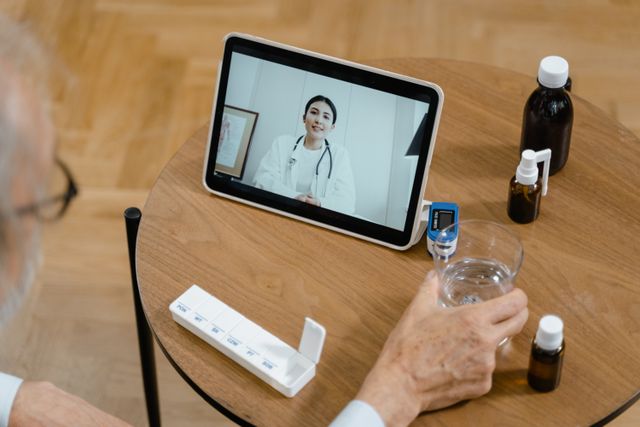
Healthcare has traditionally depended on physical proximity. Patients travelled to clinics, hospitals, diagnostic centres, and specialist offices to receive medical advice, undergo examinations, collect prescriptions, or discuss treatment plans. While this model remains essential for many types of care, advances in digital technology are changing how people connect with healthcare professionals.
Virtual healthcare has emerged as an important part of this transformation. Through smartphones, computers, video consultations, secure messaging, digital health platforms, remote monitoring devices, and other technologies, patients can increasingly interact with healthcare providers without being physically present in the same location. Telemedicine, one of the most visible components of virtual healthcare, uses communication technologies to support medical consultations and other healthcare services across distance. The World Health Organization describes telemedicine as a way of delivering healthcare when distance is an important factor and notes its potential to extend coverage and improve access.
The growth of virtual healthcare does not mean that hospitals and clinics are becoming unnecessary. Instead, it represents a shift toward a more connected healthcare system in which digital and physical services can work together. For patients living far from specialists, people managing long-term conditions, individuals with mobility challenges, and those who need convenient follow-up consultations, telemedicine can provide another pathway to medical services.
At the same time, virtual healthcare introduces questions about privacy, digital literacy, clinical limitations, accessibility, technology infrastructure, and quality of care. Understanding these opportunities and challenges is essential as healthcare becomes increasingly digital.
What Is Virtual Healthcare?
Virtual healthcare is a broad term that describes healthcare interactions and services supported by digital communication technologies. Telemedicine is one part of this wider ecosystem and generally refers to the remote delivery of clinical services. Depending on the healthcare system and technology available, patients may communicate with doctors through video calls, audio consultations, secure messaging, or other digital channels.
Virtual healthcare can also involve remote monitoring, digital health records, electronic prescriptions, health applications, connected medical devices, and systems that allow healthcare professionals to exchange information. A patient might speak to a doctor through a video consultation, monitor a health measurement at home, and share relevant information with the healthcare team without making repeated trips to a medical facility.
This makes virtual healthcare different from simply putting a traditional doctor’s appointment online. It involves reconsidering how different parts of the healthcare journey can be connected through technology.
Why Telemedicine Is Changing Healthcare Access
One of the biggest advantages of telemedicine is that it can reduce the importance of geographical distance. A patient living in a remote community may have limited access to specialists nearby. Travelling to a major city can involve transportation costs, lost working hours, accommodation expenses, and considerable physical effort.
A virtual consultation can reduce some of these barriers when the patient’s condition is appropriate for remote care. The World Health Organization has identified improved accessibility, shorter waiting times, better follow-up, and reduced costs among potential benefits associated with telemedicine.
This does not mean that every patient can receive complete medical care remotely. Some conditions require physical examination, laboratory testing, imaging, procedures, emergency intervention, or direct observation. However, when remote consultation is clinically appropriate, technology can create an additional route into the healthcare system.
Bringing Specialists Closer to Remote Communities
Specialist healthcare can be difficult to access in rural and underserved regions. A shortage of specialists may mean that patients have to travel considerable distances for consultations that are relatively short but medically important.
Telemedicine can help connect local healthcare facilities with doctors or specialists located elsewhere. India’s government telemedicine framework, for example, has included models in which healthcare facilities can function as local points connected to specialist hubs. The Ministry of Health and Family Welfare has described hub-and-spoke approaches in which specialist services can be extended to health and wellness centres through telemedicine infrastructure.
Such systems can be particularly relevant in large countries where healthcare resources are distributed unevenly. Rather than requiring every community to have every type of specialist physically present, digital networks can help connect local services with expertise available elsewhere.
This approach can also support healthcare professionals. A doctor working in a smaller facility may be able to communicate with a specialist when managing a case that requires additional expertise. Telemedicine therefore has the potential to connect not only patients with doctors but also healthcare professionals with one another.
Convenience for Patients and Families
Convenience is another major reason virtual healthcare has become increasingly relevant. A traditional appointment may require travelling to a clinic, waiting in a reception area, meeting the doctor, and travelling home. For a short follow-up consultation, much of this process may not always be necessary.
Telemedicine can allow suitable consultations to take place from home or another appropriate location. This can be particularly useful for people who have work responsibilities, caregiving responsibilities, mobility limitations, or difficulty travelling.
For families, virtual healthcare may also simplify some aspects of coordinating medical appointments. A parent may be able to participate in a consultation with a child without taking an entire day away from work. Similarly, people supporting older family members may find remote consultations easier to coordinate when physical travel is difficult.
The value of this convenience depends on the clinical situation. A digital consultation should not replace an in-person examination when the healthcare professional determines that direct assessment is necessary.
Telemedicine and Chronic Disease Management
Long-term health conditions often require continuing interaction between patients and healthcare professionals. Managing a chronic condition can involve regular follow-ups, medication discussions, monitoring, lifestyle guidance, and adjustments to treatment.
Virtual healthcare can support parts of this ongoing relationship by making follow-up communication easier. Patients may not need to travel to a healthcare facility for every interaction, particularly when the purpose of the appointment is to review information, discuss progress, or address questions that do not require a physical examination.
Digital tools can also support remote monitoring in appropriate circumstances. Wearable devices and connected technologies can collect certain health-related measurements that may be shared with healthcare teams. WHO has noted that telehealth can include remote monitoring and digital approaches to managing chronic conditions. However, remote monitoring should be integrated into a broader clinical system rather than treated as a replacement for professional medical assessment.
Mental Healthcare and Virtual Consultations
Mental healthcare is another area in which virtual services can provide an alternative route to professional support. Video and audio consultations can allow people to communicate with mental health professionals without necessarily visiting a physical clinic.
For some individuals, the ability to access care from a familiar environment may reduce practical barriers. Virtual services can also be useful in areas where there are fewer mental health professionals available locally.
However, virtual mental healthcare requires appropriate privacy, secure communication, professional standards, and careful consideration of the patient’s circumstances. Digital access should complement quality mental healthcare rather than become a substitute for services that require in-person assessment or urgent intervention.
The Role of Telemedicine in India
India’s large population, geographical diversity, expanding internet access, and uneven distribution of healthcare resources create significant opportunities for digital healthcare. Government-supported telemedicine initiatives have sought to connect healthcare providers and patients across different locations.
India’s telemedicine practice guidelines emphasise that a registered medical practitioner should use professional judgment to determine whether a technology-based consultation is appropriate or whether an in-person consultation is necessary. The guidelines also address patient and practitioner identification, consent, communication methods, evaluation, and patient management.
This is important because telemedicine is not simply a technology issue. A video call by itself does not guarantee appropriate healthcare. The quality of the consultation depends on the clinical situation, the healthcare professional’s judgment, the information available, the technology being used, and the ability to arrange physical care when required.
Research examining more than two decades of telemedicine initiatives in India has found substantial growth and potential for improving access and continuity of care, while also noting that stronger evidence is still needed regarding quality, costs, health outcomes, and the impact on care-seeking behaviour.
Digital Healthcare and Accessibility
Technology can make healthcare more accessible, but only when digital services themselves are accessible. People with disabilities, older adults, individuals with limited digital literacy, and people with poor internet connectivity may encounter difficulties using telemedicine platforms. A complicated interface, lack of captions, incompatibility with assistive technologies, or unclear navigation can prevent people from benefiting from digital healthcare.
The WHO and International Telecommunication Union have specifically highlighted the importance of accessible telehealth design. Their 2024 implementation toolkit addresses barriers experienced by people with disabilities and promotes accessibility as part of telehealth planning.
This means that healthcare platforms should not assume that every patient interacts with technology in the same way. Accessibility needs to be considered from the beginning rather than added after a system has already been developed.
The Digital Divide Remains a Major Challenge
Virtual healthcare depends on digital infrastructure. A patient needs a suitable device, reliable connectivity, sufficient digital skills, and access to a platform that works effectively in their environment. This creates a digital divide. People who are most likely to experience barriers to traditional healthcare may also face difficulties accessing digital healthcare.
A virtual healthcare strategy therefore cannot simply assume that placing a medical service online automatically improves equality. Healthcare providers and policymakers need to consider connectivity, affordability, language, accessibility, digital literacy, and availability of alternative pathways.
Digital healthcare is most useful when it expands choices rather than creating a new requirement that excludes people who cannot participate digitally.
Privacy and Protection of Health Information
Healthcare involves highly sensitive personal information. Medical histories, prescriptions, diagnostic reports, photographs, personal conversations, and other health information require appropriate protection.
Virtual healthcare increases the importance of secure digital communication. Patients need to understand whether they are using an official healthcare platform, how their information is handled, and how to protect their accounts and devices.
Healthcare providers and technology companies also have responsibilities regarding privacy, security, authentication, data storage, and appropriate access controls. Trust is essential for virtual healthcare because patients are unlikely to use digital medical services confidently if they are concerned about the security of their personal information.
As healthcare becomes more connected, cybersecurity must therefore become part of healthcare quality rather than being treated as a separate technical concern.
Telemedicine Does Not Replace Every Medical Visit
One of the most important realities of virtual healthcare is that not every medical situation can be handled remotely.
A doctor may need to physically examine a patient, assess vital signs directly, perform a procedure, collect samples, conduct imaging, or observe symptoms that cannot be adequately evaluated through a screen. Emergency conditions may require immediate physical intervention rather than a virtual consultation.
The WHO’s digital health guidance recommends that client-to-provider telemedicine complement rather than replace face-to-face healthcare, particularly where patient safety, privacy, accountability, and security need to be monitored. This suggests that the future of healthcare is more likely to involve a combination of digital and physical care rather than a complete shift from hospitals and clinics to screens.
The Importance of Quality and Clinical Judgment
Convenience should never become the only measure of successful telemedicine. Healthcare quality and patient safety remain central. A virtual healthcare system needs appropriate processes for determining when telemedicine is suitable, documenting consultations, protecting patient information, verifying healthcare professionals, obtaining consent, and arranging in-person care when necessary.
WHO has developed tools specifically focused on strengthening telemedicine and improving the quality of telehealth services, reflecting the growing need to ensure that digital healthcare develops within appropriate systems of safety and accountability. Technology can make healthcare more accessible, but it cannot replace professional clinical judgment.
Artificial Intelligence and the Next Stage of Virtual Healthcare
Artificial intelligence is increasingly becoming part of digital healthcare. AI can assist with administrative processes, information management, pattern recognition, patient communication, and certain decision-support applications.
The combination of AI with telemedicine could create more connected healthcare experiences. Digital systems may help organise patient information before a consultation, identify relevant records, assist with scheduling, or support healthcare professionals with information retrieval.
However, AI should not be treated as an independent replacement for qualified medical professionals. Health information generated by automated systems can be incomplete or incorrect, and medical decisions require appropriate clinical context. The future of virtual healthcare will therefore depend not only on adopting advanced technology but also on establishing responsible systems for human oversight, privacy, safety, and accountability.
Changing the Patient-Doctor Relationship
Telemedicine is also changing how patients interact with healthcare professionals. The traditional relationship often begins with a physical appointment and continues through periodic visits. Digital healthcare can make communication more continuous.
Patients may have access to secure messaging, follow-up consultations, digital reports, appointment reminders, and remote monitoring. This can create a more connected healthcare journey when these tools are appropriately integrated.
At the same time, healthcare professionals need to manage communication carefully. Digital messages can create expectations of constant availability, while fragmented platforms can make it difficult to maintain a complete picture of a patient’s care. The goal should therefore be meaningful digital continuity rather than simply increasing the number of digital interactions.
Virtual Healthcare and the Future of Medical Access
The future of healthcare is likely to combine physical facilities with increasingly sophisticated digital services. Hospitals will continue to provide emergency care, surgery, diagnostics, procedures, and treatments that require physical infrastructure. Clinics will remain important for examinations and direct patient care.
Alongside these services, telemedicine can provide remote consultations, follow-up support, specialist connections, and selected forms of monitoring. Digital systems can help patients move between different parts of the healthcare system more efficiently.
WHO’s broader work on digital health reflects this direction, highlighting the potential of digital technologies to support healthcare delivery while emphasising the importance of infrastructure, implementation, quality, accessibility, and health-system integration. The most effective virtual healthcare systems will therefore not simply move existing appointments onto screens. They will redesign healthcare pathways around patient needs while maintaining appropriate clinical standards.
Conclusion
Virtual healthcare is changing the way people think about access to medical services. Telemedicine can reduce geographical barriers, support follow-up care, connect patients with specialists, assist people who find travel difficult, and create additional opportunities for healthcare professionals to collaborate.
Its value, however, depends on responsible implementation. Digital healthcare must address privacy, accessibility, cybersecurity, clinical limitations, digital literacy, connectivity, quality of care, and professional accountability. It must also recognise that not every medical condition can or should be managed remotely.
The future of healthcare is unlikely to be entirely virtual or entirely physical. Instead, healthcare is moving toward a more connected model in which digital consultations, remote monitoring, electronic health information, physical examinations, diagnostic services, hospitals, and community healthcare can work together.
Telemedicine is therefore best understood not as a replacement for traditional healthcare but as another way of extending healthcare access when used appropriately. As technology continues to develop, the central question will not simply be how much healthcare can be delivered through a screen, but how digital tools can be designed to make healthcare more accessible, connected, safe, and patient-centred.
Online Internship with Certificate
You may be interested

First-Pass Metabolism of Nutrients: Intestine and Liver Transform What We Eat
Anshika Jain - October 15, 2026The journey of nutrients does not end when food has been digested and absorbed. Before many nutrients reach the wider circulation and become available to tissues throughout…

Endocrine Architecture of Eating: Gut Hormones Coordinate Nutrient Processing
Anshika Jain - October 15, 2026Eating is often understood as a simple response to hunger or a way to obtain energy. In reality, food intake is regulated by a sophisticated biological communication…

Metabolic Cost of Digestion: Diet-Induced Thermogenesis Beyond Calorie Intake
Anshika Jain - October 15, 2026Food provides the energy required to maintain body temperature, support physical activity, regulate organ function, and sustain cellular processes. However, the energy obtained from food is not…
Most from this category



Enterohepatic Circulation of Nutrients: Intestine Coordinate Metabolic Recycling
Anshika Jain - October 15, 2026

Food Matrix Effects: Food Can Matter as Its Nutrient Composition
Anshika Jain - October 15, 2026Biology of Nutrient Competition: Minerals Interact During Absorption
Anshika Jain - October 15, 2026Enterohepatic Circulation of Nutrients: Intestine Coordinate Metabolic Recycling
Anshika Jain - October 15, 2026



Food Matrix Effects: Food Can Matter as Its Nutrient Composition
October 15, 2026
.png)
Leave a Comment
You must be logged in to post a comment.