
The Rise of Homemade Wellness Drinks

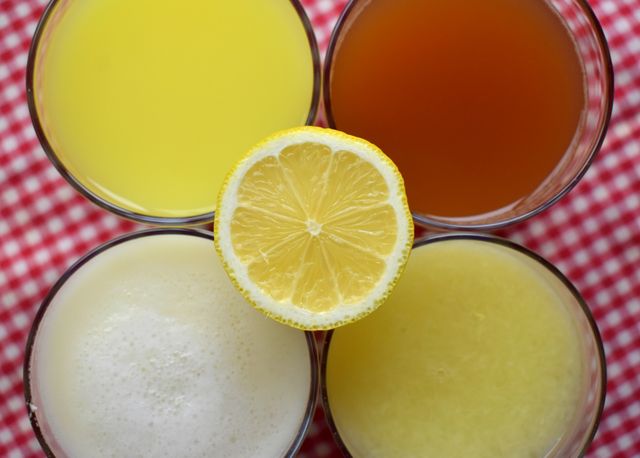
Homemade wellness drinks have become increasingly popular as people look for simple, refreshing, and convenient ways to support their everyday wellbeing. From fresh fruit smoothies and herbal teas to infused water, traditional beverages, and homemade vegetable juices, these drinks are becoming a familiar part of modern food culture. What was once primarily associated with traditional household practices is now gaining renewed attention among health-conscious consumers, fitness enthusiasts, working professionals, and people interested in more mindful eating habits.
The growing popularity of homemade wellness drinks reflects a broader shift in how people approach nutrition. Instead of relying entirely on packaged beverages, many consumers are exploring homemade alternatives that allow them to control ingredients, adjust sweetness, experiment with flavours, and incorporate familiar foods into their daily routines. Social media, wellness trends, and increased interest in home cooking have also contributed to this movement.
However, wellness drinks are not automatically healthy simply because they are prepared at home. Their nutritional value depends on the ingredients, preparation methods, portion sizes, and overall dietary context. A homemade beverage containing fresh fruit, vegetables, or unsweetened ingredients may offer nutritional benefits, while drinks loaded with sugar or excessive sweeteners may provide little advantage over commercial alternatives.
Understanding the rise of homemade wellness drinks requires looking beyond their popularity. Their appeal lies in the combination of convenience, personalisation, traditional food knowledge, and the opportunity to make more informed choices about everyday beverages.
Understanding the Concept of Homemade Wellness Drinks
Homemade wellness drinks are beverages prepared at home using ingredients such as fruits, vegetables, herbs, spices, grains, seeds, milk, or plant-based alternatives. They are often associated with hydration, balanced nutrition, relaxation, and everyday wellness rather than simply satisfying thirst.
These beverages can take many forms. Some are designed to provide refreshment, such as lemon-infused water or fruit-based drinks. Others, including smoothies and milk-based beverages, may contribute energy, protein, fibre, and other nutrients. Herbal infusions and traditional drinks are often consumed for their flavour, warmth, or cultural significance.
The defining characteristic of homemade wellness drinks is the degree of control people have over their ingredients and preparation. Individuals can choose the level of sweetness, adjust portion sizes, use seasonal produce, and adapt recipes to their preferences.
However, the term “wellness drink” is broad and does not represent a specific nutritional category. A beverage’s actual value depends on what it contains and how it fits into a person’s overall eating pattern.
Why Homemade Wellness Drinks Are Becoming Popular
One of the main reasons homemade wellness drinks are gaining popularity is the growing interest in ingredient transparency. Consumers increasingly want to understand what goes into the food and beverages they consume. Preparing drinks at home makes it easier to select ingredients and limit unnecessary additives or added sugars.
Another important factor is personalisation. People have different taste preferences, dietary requirements, and daily routines. Homemade beverages can be adapted to individual needs by changing ingredients, adjusting consistency, or combining familiar flavours.
The popularity of home cooking has also contributed to the trend. Many people enjoy experimenting with recipes, trying seasonal ingredients, and preparing beverages that complement their meals. Homemade drinks can be made with ingredients already available in the kitchen, making them accessible to a wide range of households.
Digital platforms have further increased interest in these beverages. Short videos, food blogs, and recipe-sharing communities frequently feature colourful smoothies, infused water, herbal teas, and traditional drinks. These visual presentations make homemade beverages appear approachable and encourage people to experiment with new combinations.
Together, these factors have helped transform homemade wellness drinks from occasional household preparations into a regular part of many people’s daily routines.
The Connection Between Hydration and Everyday Wellbeing
Hydration is one of the most basic reasons people include beverages in their daily routines. Water supports essential bodily functions, including temperature regulation, circulation, digestion, and the maintenance of normal cellular processes.
Homemade wellness drinks can contribute to fluid intake when they are prepared with water, milk, or other suitable liquids. Infused water, unsweetened herbal teas, and lightly flavoured beverages may encourage people who find plain water less appealing to drink fluids more regularly.
However, not every beverage is equally suitable for hydration. Drinks containing large amounts of added sugar may contribute unnecessary calories, while caffeinated beverages can affect individuals differently depending on their sensitivity and total intake.
Plain water remains a practical everyday hydration choice for most people. Homemade beverages can complement it by providing variety and flavour, but they do not need to replace water entirely.
The most useful approach is to treat hydration as part of a broader daily routine rather than expecting a particular drink to produce special health effects.
Fruit-Based Drinks and Natural Flavours
Fruit-based beverages are among the most popular homemade wellness drinks because they offer a combination of flavour, colour, and versatility. Ingredients such as oranges, lemons, berries, apples, watermelon, mangoes, and seasonal fruits can be used to prepare refreshing drinks at home.
Whole fruits contain water, vitamins, minerals, and dietary fibre. When fruits are blended into smoothies without removing their pulp, much of their fibre can remain in the beverage. This can make smoothies a useful way to include fruit as part of a balanced diet.
Juicing, however, changes the nutritional composition of fruit. Removing the pulp reduces much of the fibre, and juice can be consumed more quickly than whole fruit. Large servings of fruit juice may also provide substantial amounts of naturally occurring sugar without the same level of fullness associated with eating whole fruit.
Homemade fruit drinks can be made more balanced by using whole fruit, limiting added sweeteners, and choosing reasonable serving sizes. Combining fruit with ingredients such as plain yoghurt, milk, or seeds can also create a more substantial beverage.
The key is to appreciate fruit-based drinks as one way to enjoy fruit rather than treating them as a complete replacement for whole fruits.
Vegetable-Based Drinks and Everyday Nutrition
Vegetable-based beverages have also become more visible as people explore ways to include more vegetables in their diets. Ingredients such as carrots, cucumbers, tomatoes, spinach, beetroot, and celery can be used in juices, blended drinks, and savoury beverages.
Vegetables provide a range of nutrients, including vitamins, minerals, and plant compounds. Blending vegetables into a drink can help incorporate their flavours into meals, particularly for people who enjoy experimenting with different combinations.
However, vegetable drinks vary considerably in nutritional value. A blended beverage that retains the vegetable pulp may contain more fibre than a strained juice. The addition of salt, sugar, or other ingredients can also influence its overall nutritional profile.
Vegetable drinks should not be viewed as substitutes for eating a variety of whole vegetables. Chewing whole vegetables and including them in meals provides texture, fibre, and a broader eating experience that beverages may not fully reproduce.
For everyday use, vegetable-based drinks can complement a balanced diet when prepared with fresh ingredients and consumed in appropriate portions.
Herbal Teas and Traditional Infusions
Herbal teas and traditional infusions are another important part of the homemade wellness drink trend. These beverages are prepared by steeping herbs, flowers, spices, or other plant ingredients in hot water.
Common ingredients include ginger, mint, chamomile, tulsi, cinnamon, and lemongrass. Depending on the ingredients, herbal infusions may provide distinctive aromas, flavours, and cultural associations.
In many households, herbal drinks have long been used as part of everyday routines. Warm ginger-based beverages, mint infusions, and traditional spice drinks are often consumed for comfort, especially during colder weather or after meals.
However, herbal beverages should not automatically be considered medicinal. Some herbs can interact with medications or may not be suitable for certain individuals, particularly when consumed in concentrated amounts. The safety of a drink depends on the ingredients, quantity, and the person’s health circumstances.
Unsweetened herbal teas can provide a flavourful alternative to sugary beverages, but claims that a particular infusion can cure illness, detoxify the body, or produce rapid weight loss should be treated cautiously.
Traditional Indian Wellness Drinks in Modern Homes
India has a rich tradition of preparing beverages using locally available ingredients, herbs, spices, grains, dairy products, and seasonal fruits. Many of these drinks have been part of household food culture for generations and are now being rediscovered by younger consumers.
Chaas, or spiced buttermilk, is a familiar beverage in many parts of India. Prepared using yoghurt and water, it is often flavoured with ingredients such as cumin, coriander, mint, or salt. Depending on the preparation, it can contribute fluid and nutrients from dairy.
Sattu drink, traditionally prepared using roasted gram flour, is another popular beverage in several regions. It provides plant-based protein and other nutrients, although its nutritional composition depends on the ingredients and serving size.
Aam panna, made using raw mangoes and seasonings, is a traditional summer beverage valued for its distinctive flavour. Jaljeera, prepared with cumin and other spices, is another familiar drink associated with refreshment and regional food traditions.
These beverages demonstrate how traditional recipes can remain relevant in modern households. Their continued popularity reflects an interest in familiar flavours, regional ingredients, and practical ways to prepare drinks at home.
Smoothies and Balanced Homemade Beverages
Smoothies have become particularly popular among people looking for convenient breakfast options, post-activity refreshments, or more substantial beverages.
A smoothie can combine fruit, vegetables, milk, yoghurt, seeds, oats, or other ingredients to create a drink with a variety of nutrients. Unlike strained juices, smoothies made with whole ingredients can retain much of the fibre present in the original foods.
The nutritional value of a smoothie depends on its composition. A beverage made with fruit, plain yoghurt, and a modest amount of seeds may provide a combination of carbohydrates, protein, fibre, and fats. A smoothie containing large amounts of sweetened yoghurt, syrups, and multiple high-calorie additions may have a very different nutritional profile.
Portion size is also important because smoothies can contain several servings of ingredients in a single glass. Drinking a large smoothie quickly may provide more energy than a person intends to consume.
Homemade smoothies are most useful when their ingredients are selected according to individual needs and when they complement rather than unnecessarily replace balanced meals.
The Role of Homemade Drinks in Reducing Added Sugar
One reason people choose homemade beverages is the opportunity to reduce added sugar. Many packaged drinks, flavoured beverages, and sweetened juices contain substantial amounts of added sugar, although the amount varies widely by product.
Preparing drinks at home allows people to control how much sugar or other sweeteners they use. They can rely on the natural sweetness of ripe fruit, use herbs and spices for flavour, or gradually reduce the amount of sweetener in familiar recipes.
For example, lemon water can be flavoured with mint or cucumber instead of being heavily sweetened. Homemade fruit smoothies can use whole fruit without adding syrups or sweetened concentrates.
However, homemade drinks can still contain high amounts of sugar if large quantities of honey, jaggery, sugar, or sweetened ingredients are added. Natural sweeteners also contribute sugars and energy, so their use should be considered in the context of the overall beverage.
The advantage of preparing drinks at home is not that every homemade beverage is automatically healthier, but that individuals have greater control over the ingredients and can make choices that suit their dietary goals.
Homemade Wellness Drinks and the Culture of Mindful Eating
The popularity of homemade beverages is also connected to a growing interest in mindful eating and everyday food preparation. Making a drink at home can encourage people to pay attention to ingredients, flavours, portion sizes, and personal preferences.
Preparing beverages can become a simple daily ritual. Washing fruit, blending ingredients, steeping herbs, or preparing a traditional drink may create a moment of pause in an otherwise busy routine.
For some people, this process can encourage greater awareness of how food choices fit into their daily lives. It may also provide an opportunity to reconnect with family recipes and regional food traditions.
However, mindful eating does not require elaborate preparation or strict rules. A homemade drink should not become another source of pressure or a measure of personal discipline.
The value of this trend lies in making food choices more intentional and enjoyable rather than turning every beverage into a complicated wellness routine.
Food Safety and Proper Preparation
Although homemade wellness drinks can offer flexibility, safe preparation is essential. Fresh fruits, vegetables, herbs, and other ingredients should be washed appropriately before use, and utensils, cutting boards, blenders, and storage containers should be kept clean.
Freshly prepared beverages can spoil, particularly when they contain dairy, cut fruit, or other perishable ingredients. Drinks that are not consumed immediately should be stored under suitable refrigeration conditions and handled according to food safety recommendations.
Raw ingredients also require attention. Some vegetables and herbs may carry harmful microorganisms if they are not properly washed or handled. Using safe water and clean equipment can reduce the risk of contamination.
People who prepare beverages in advance should avoid leaving perishable drinks at room temperature for extended periods. Those with weakened immune systems or other health-related vulnerabilities may need additional precautions when consuming raw or unpasteurised ingredients.
Food safety is an important part of homemade beverage preparation and should receive as much attention as flavour and nutritional value.
Common Misconceptions About Wellness Drinks
The popularity of wellness beverages has also created several misconceptions. One common belief is that certain drinks can detoxify the body or remove harmful substances through special cleansing processes. In reality, the body already has systems, including the liver and kidneys, that process and eliminate waste products.
Another misconception is that a homemade beverage can compensate for an otherwise unbalanced diet. While a smoothie or vegetable drink may contribute useful nutrients, no single drink can provide everything the body needs.
Some beverages are also marketed as fat-burning or metabolism-boosting solutions. Such claims are often exaggerated, and drinking a particular beverage does not guarantee weight loss or other dramatic health outcomes.
A more realistic approach is to evaluate drinks according to their ingredients, nutritional composition, safety, and role in the overall diet. Homemade wellness drinks can support healthy eating habits, but they should not be treated as cures or shortcuts to wellbeing.
The Future of Homemade Wellness Drinks
The popularity of homemade wellness drinks is likely to continue as consumers explore personalised nutrition, traditional recipes, and convenient ways to prepare beverages at home.
Food trends increasingly combine traditional ingredients with modern preparation methods. Regional Indian drinks may be adapted into contemporary recipes, while smoothies and herbal infusions may incorporate locally available fruits, spices, and grains.
Digital platforms and recipe communities will likely continue influencing how people discover and share beverage ideas. At the same time, greater awareness of nutrition labels, food safety, and added sugar may encourage more informed choices.
However, the long-term value of this trend will depend on whether homemade beverages become part of sustainable everyday habits rather than short-lived wellness challenges.
The most meaningful approach is to prioritise taste, safety, nutritional balance, and personal preferences while recognising that hydration and nourishment can come from a wide variety of foods and beverages.
Conclusion
Homemade wellness drinks have become an increasingly visible part of modern food culture because they combine convenience, personalisation, traditional knowledge, and the opportunity to make more informed beverage choices.
From fruit smoothies and vegetable blends to herbal teas, infused water, and traditional Indian drinks, these beverages offer a wide range of flavours and preparation styles. When made with appropriate ingredients, they can contribute to hydration and provide nutrients that complement a balanced diet.
However, homemade does not automatically mean healthy. Added sugars, portion sizes, preparation methods, and food safety all influence the value of a beverage. Claims about detoxification, rapid weight loss, or extraordinary health benefits should be approached with caution.
Ultimately, the rise of homemade wellness drinks reflects a broader interest in taking a more thoughtful approach to everyday nutrition. By choosing ingredients carefully, enjoying traditional and contemporary recipes, and maintaining realistic expectations, people can make homemade beverages a practical and enjoyable part of their daily routines.
Online Internship with Certificate
You may be interested

The Five-Minute Health Habit: Can Tiny Changes Become Long-Term Routines?
Anshika Jain - September 28, 2026Maintaining a healthy lifestyle is often associated with demanding exercise routines, carefully planned diets, strict schedules, and significant changes to everyday habits. Many people begin their health…

Screen Breaks: Can Short Digital Pauses Improve Everyday Comfort?
Anshika Jain - September 28, 2026Digital devices have become an essential part of modern life. Smartphones, laptops, tablets, and desktop computers are used for education, professional work, communication, entertainment, and everyday activities.…

Why Blood Pressure Awareness Matters Even Before Symptoms Appear
Anshika Jain - September 28, 2026Blood pressure is one of the most important indicators of cardiovascular health, yet it is often overlooked until a medical concern arises. Many people assume that they…
Most from this category


Virtual Healthcare: How Telemedicine Is Changing Access to Medical Services
Anshika Jain - September 25, 2026

Why Fiber Is Becoming a Bigger Part of Nutrition Conversations
Anshika Jain - September 28, 2026Virtual Healthcare: How Telemedicine Is Changing Access to Medical Services
Anshika Jain - September 25, 2026

Screen Breaks: Can Short Digital Pauses Improve Everyday Comfort?
September 28, 2026
Why Blood Pressure Awareness Matters Even Before Symptoms Appear
September 28, 2026
Can Household Chores Count as Everyday Physical Activity?
September 28, 2026
Why Fiber Is Becoming a Bigger Part of Nutrition Conversations
September 28, 2026 .png)
Leave a Comment
You must be logged in to post a comment.