
Can Household Chores Count as Everyday Physical Activity?

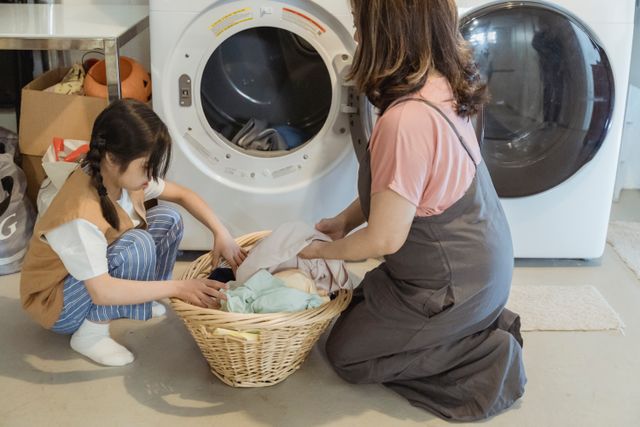
Physical activity is often associated with structured exercise routines, gym memberships, morning walks, running sessions, and organised sports. Many people believe that staying physically active requires setting aside a specific period of the day for exercise. However, everyday movements that take place during routine activities can also contribute to an active lifestyle. Household chores such as sweeping, mopping, washing clothes, cooking, gardening, cleaning, and organising living spaces involve physical effort that can increase movement throughout the day.
In modern life, sedentary habits have become increasingly common. Long working hours, extended screen time, online learning, and frequent use of digital devices can reduce the amount of movement people get during the day. For individuals who struggle to maintain a regular exercise routine because of time constraints, household activities may provide an accessible way to incorporate more movement into everyday life. These tasks are already part of many people’s routines, making them a practical opportunity to reduce prolonged sitting and remain physically engaged.
However, an important distinction exists between everyday physical activity and structured exercise. Although household chores involve movement and energy expenditure, not every task provides the same intensity or health benefits as a dedicated workout. Understanding how different chores contribute to physical activity can help people make more informed decisions about their daily movement habits.
Household chores can therefore be a meaningful part of an active lifestyle, but their contribution depends on the type of activity, its duration, the effort involved, and the individual’s overall level of physical activity.
Understanding Physical Activity in Everyday Life
Physical activity refers to bodily movement produced by skeletal muscles that requires energy. It includes a wide range of movements, from walking and climbing stairs to dancing, gardening, exercising, and performing household responsibilities. Physical activity is not limited to activities performed in a gym or under the guidance of a fitness professional.
Everyday physical activity can be broadly understood as the movement accumulated through routine tasks, transportation, work, recreation, and domestic responsibilities. Walking to a nearby shop, carrying groceries, standing while preparing meals, cleaning a room, or tending to plants are examples of activities that involve physical effort.
Exercise, on the other hand, is generally a planned and structured form of physical activity performed with the intention of improving or maintaining physical fitness. Activities such as brisk walking, strength training, cycling, swimming, and organised fitness classes often follow a specific routine designed to develop endurance, strength, flexibility, or other aspects of fitness.
Household chores fall primarily under everyday physical activity. Some chores can reach moderate intensity, particularly when they involve continuous movement or substantial physical effort. Nevertheless, their intensity varies considerably. Light tasks may involve little more than standing and moving around, while demanding activities can require sustained effort from multiple muscle groups.
Recognising this distinction helps explain why household chores can contribute to daily movement without automatically replacing every form of exercise.
How Household Chores Contribute to Daily Movement
Household chores encourage people to move through different environments, change positions, bend, reach, lift, carry, and perform repetitive movements. These activities can interrupt long periods of sitting and help people remain physically engaged throughout the day.
For example, cleaning a room may involve walking between different areas, picking up objects, reaching shelves, and moving furniture. Washing clothes may require carrying laundry, hanging garments, folding clothes, and putting them away. Cooking often involves standing, preparing ingredients, moving between work surfaces, and cleaning utensils.
Although these movements may appear ordinary, they contribute to the total amount of physical activity accumulated over the course of a day. For people who spend much of their time sitting, even relatively light household tasks can provide useful opportunities to move more frequently.
The value of household chores also lies in their regularity. Many domestic activities are performed daily or several times a week, creating repeated opportunities for movement. When these tasks are approached with awareness of posture, effort, and duration, they can become part of a broader routine that supports an active lifestyle.
However, the physical contribution of chores should not be measured only by the number of tasks completed. The amount of movement, the intensity of effort, and the time spent actively performing each task are equally important considerations.
Sweeping and Mopping: Movement Through Cleaning
Sweeping and mopping are common household activities that involve continuous movement across different areas of the home; Sweeping generally requires standing, walking, and moving the arms and shoulders to guide a broom across the floor. Mopping may involve additional movements such as pushing, pulling, bending, and repositioning the body.
When performed continuously at a steady pace, these activities can increase heart rate and energy expenditure compared with sitting or standing still. Larger spaces may require more walking, while repetitive movements can engage the muscles of the arms, shoulders, back, and legs.
The intensity of sweeping and mopping depends on several factors, including the size of the area, the pace of movement, the type of equipment used, and the individual’s physical condition. Light cleaning of a small room may involve relatively little effort, whereas cleaning several rooms at a brisk pace can be more physically demanding.
Good technique is important when performing these chores. Repeatedly bending from the waist, twisting the back, or using excessive force can place unnecessary strain on the body. Keeping cleaning equipment at a comfortable height, maintaining a stable posture, and changing sides when appropriate can help make the activity more comfortable.
Sweeping and mopping can therefore contribute to everyday movement, particularly when they involve sustained effort rather than brief periods of light activity.
Gardening and Outdoor Household Work
Gardening is another household activity that can involve a wide range of physical movements. Watering plants, removing weeds, digging soil, trimming bushes, carrying pots, and maintaining outdoor spaces can all contribute to daily physical activity.
Some gardening tasks involve light movement, while others require considerable muscular effort. Digging, lifting soil, moving containers, and pushing a wheelbarrow can engage the muscles of the arms, shoulders, back, and legs. Walking around a garden and repeatedly changing positions can also increase overall movement.
Gardening has an additional advantage because it can combine physical activity with time spent outdoors. Caring for plants may provide a sense of routine, enjoyment, and connection with the natural environment. These experiences can make gardening an appealing activity for people who prefer practical tasks over conventional exercise routines.
Nevertheless, gardening intensity varies significantly. Watering a few indoor plants may involve minimal exertion, while digging and maintaining a large garden can require sustained physical effort. The physical demands also depend on the tools used and the amount of time spent working.
People should be mindful of prolonged bending, repetitive kneeling, lifting heavy pots, and working in hot weather. Using suitable tools, taking breaks, and maintaining comfortable body positions can help reduce unnecessary strain.
Laundry and Other Routine Domestic Tasks
Laundry is often viewed as a purely practical responsibility, but it can involve several types of movement. Carrying laundry baskets, loading and unloading washing machines, hanging clothes, folding garments, and putting them away require different combinations of walking, standing, bending, and reaching.
The physical intensity of laundry-related activities depends on how they are performed. Carrying a heavy basket over a long distance may require more effort than folding clothes while seated. Hanging clothes on a line may involve repeated reaching and standing, while collecting garments from different rooms can increase walking time.
Other household tasks, such as making beds, organising cupboards, changing bedsheets, cleaning windows, and arranging furniture, also contribute to everyday movement. Some involve repeated bending and stretching, while others require walking between rooms or handling objects.
These tasks may not always produce sustained moderate-intensity activity, but they can help reduce sedentary time and increase the variety of movements performed during the day.
The key is to recognise that ordinary responsibilities can create opportunities for movement without assuming that every domestic task offers the same level of physical benefit.
Cooking and Meal Preparation as Physical Activity
Cooking is an essential part of everyday life and often involves more movement than people realise. Preparing vegetables, collecting ingredients, standing at the kitchen counter, stirring food, moving between work surfaces, and cleaning utensils all require some level of physical activity.
The amount of movement involved depends on the complexity of the meal and the layout of the kitchen. Preparing a meal from scratch may involve repeated walking, standing, reaching, and handling ingredients, whereas reheating food may require very little movement.
Cooking is generally a light-intensity activity for many people. However, longer periods of meal preparation combined with other household tasks can contribute to total daily movement. Standing and moving around the kitchen can also interrupt extended periods of sitting.
It is important to distinguish between standing and meaningful physical exertion. Remaining stationary at a counter for a long time does not necessarily provide the same benefits as walking or performing more demanding activities. Nevertheless, cooking can become part of a more active routine when it includes regular movement and is combined with other forms of physical activity.
Meal preparation can also support broader healthy-living habits by making it easier to plan balanced meals and maintain consistent eating routines.
Can Household Chores Improve Cardiovascular Fitness?
Cardiovascular fitness refers to the ability of the heart, lungs, and circulatory system to support the body’s needs during physical activity. Activities that raise the heart rate and involve sustained movement can contribute to cardiovascular health when performed regularly at an appropriate intensity.
Some household chores, particularly those involving continuous and energetic movement, can reach moderate-intensity levels for certain individuals. Examples may include vigorous floor cleaning, prolonged gardening, carrying household items, and repeatedly climbing stairs while performing domestic tasks.
However, not all chores are intense enough to provide a substantial cardiovascular training effect. Light dusting, folding clothes, or preparing a simple meal may involve movement without significantly increasing heart rate.
The cardiovascular contribution of household work depends on the individual’s fitness level, the pace of activity, the duration of effort, and the physical demands of the task. A chore that feels moderately demanding to one person may feel relatively easy to another.
Household chores can therefore contribute to cardiovascular activity, but people seeking to improve aerobic fitness may still benefit from dedicated activities such as brisk walking, cycling, swimming, or other sustained forms of exercise.
Household Chores and Muscle Engagement
Different household activities use different muscle groups. Sweeping and mopping involve the arms and shoulders, while walking and climbing stairs engage the muscles of the lower body. Gardening can involve the arms, legs, and trunk, particularly when tasks require digging, lifting, or moving objects.
Repeated movements can help people remain physically engaged, but household chores should not automatically be considered equivalent to strength training. Muscle-strengthening exercise generally involves resistance and a level of challenge that encourages muscles to adapt over time.
Some demanding domestic tasks may place a meaningful load on the muscles, especially when lifting or carrying objects. However, the load may be inconsistent, and the movements may not be structured to develop balanced strength across major muscle groups.
People who want to improve muscular strength may benefit from combining everyday chores with planned resistance exercises suited to their abilities. Bodyweight exercises, resistance bands, and appropriately selected weights can provide more structured opportunities to strengthen different muscle groups.
Household work can complement these activities by adding movement to the day, but it does not necessarily provide the same progressive training stimulus.
The Role of Household Chores in Reducing Sedentary Behaviour
Sedentary behaviour refers to waking activities performed while sitting, reclining, or lying down with very low energy expenditure. Extended periods of sitting are common among students, office workers, remote employees, and people who spend substantial time using digital devices.
Household chores can provide practical opportunities to interrupt sedentary periods. Standing up to organise a room, walking while putting away groceries, watering plants, or cleaning a kitchen can introduce movement into an otherwise inactive day.
These short periods of activity may not always qualify as moderate-intensity exercise, but they can reduce the amount of uninterrupted sitting. Regularly changing positions and moving throughout the day can help create a more active daily routine.
For individuals who work or study from home, household responsibilities can be incorporated into breaks between tasks. For example, a short period of light cleaning or organising can provide a physical break from prolonged screen use.
However, household chores should not become an excuse to overlook the importance of intentional exercise. Reducing sedentary time and meeting physical activity recommendations are related but distinct goals.
How Household Chores Compare With Structured Exercise
Household chores and structured exercise share an important characteristic: both involve physical movement. However, they differ in purpose, intensity, consistency, and the specific fitness benefits they provide.
Structured exercise is usually planned around a particular goal, such as improving cardiovascular endurance, building strength, increasing flexibility, or developing balance. The activity, duration, and intensity can be adjusted to support measurable progress.
Household chores, by contrast, are generally performed to maintain a home. Their physical demands may vary from one day to another, and the amount of effort may be difficult to measure accurately.
A brisk walk, for example, can provide a relatively consistent period of aerobic activity. Cleaning a room may involve alternating between movement and stationary tasks, making the overall intensity less predictable.
This does not make household chores unimportant. They can complement structured exercise, increase total daily movement, and help people maintain an active lifestyle. The most useful approach is to recognise the contribution of both routine movement and planned physical activity.
People who enjoy household work may find it easier to remain active by combining domestic tasks with activities they find enjoyable, such as walking, cycling, dancing, or recreational sports.
How to Make Household Chores More Physically Active
Household chores can contribute more meaningfully to daily movement when they involve safe, continuous, and purposeful activity. One practical approach is to reduce unnecessary sitting during domestic responsibilities by standing and moving when appropriate.
For example, organising several rooms in one session may involve more walking than completing every task from a single location. Gardening, cleaning, and putting away household items can also create opportunities to move between different areas of the home.
Maintaining a steady but comfortable pace may increase the physical demands of some chores. However, people should avoid rushing, using unsafe lifting techniques, or performing movements that cause pain simply to increase exertion.
Another useful approach is to spread household responsibilities across the day. Short periods of movement can help break up long periods of sitting and make physical activity easier to incorporate into a busy schedule.
People should also choose tasks according to their abilities and physical condition. A person with limited mobility may benefit from light organising or seated household activities, while someone with greater physical capacity may be comfortable with more demanding tasks.
The objective is not to transform every household responsibility into a workout. It is to make everyday movement a natural and sustainable part of daily life.
Safety and Ergonomics During Household Work
Although household chores can involve physical activity, repetitive or poorly performed movements may cause discomfort or injury. Tasks such as lifting heavy objects, reaching overhead, bending repeatedly, and working for long periods without breaks can place strain on the muscles and joints.
Using appropriate techniques can help make domestic work safer. When lifting an object, people should keep it close to the body, maintain a stable stance, and avoid twisting while carrying a heavy load. Dividing heavy loads into smaller portions or using suitable equipment may also reduce physical strain.
For activities such as mopping and sweeping, using tools with comfortable handles can reduce the need to bend excessively. Alternating tasks and taking brief breaks may help manage repetitive movements and fatigue.
People should also consider environmental conditions. Gardening and outdoor cleaning can become physically demanding in hot weather, making hydration, shade, and rest particularly important. Individuals with chronic health conditions, mobility limitations, or concerns about physical exertion may need to adapt tasks according to professional guidance.
Household chores should support daily well-being rather than create unnecessary physical stress. Safe movement and appropriate pacing are more important than completing tasks quickly.
Why Household Chores Can Support a Sustainable Active Lifestyle
One of the most practical advantages of household chores is that they are already integrated into everyday life. Many people may struggle to maintain a consistent exercise schedule because of work, education, family responsibilities, financial limitations, or lack of access to fitness facilities.
Domestic activities offer an accessible way to increase movement without requiring specialised equipment or a separate exercise setting. Cleaning, gardening, organising, and meal preparation can all create opportunities to move more frequently.
Household work may also provide a sense of accomplishment because it combines physical effort with a visible result. Completing a cleaning task or caring for a garden can make movement feel purposeful rather than like an additional responsibility.
Nevertheless, household chores should not be presented as a guaranteed solution for weight management, cardiovascular health, or overall fitness. Their benefits depend on the intensity and duration of activity, the individual’s health, and the broader lifestyle in which they take place.
A sustainable active lifestyle usually involves a combination of everyday movement, structured exercise when appropriate, adequate rest, balanced nutrition, and other health-supporting habits.
Conclusion
Household chores can count as everyday physical activity because they involve movement, energy expenditure, and the use of different muscle groups. Activities such as sweeping, mopping, gardening, laundry, cooking, and organising household spaces can help people move more frequently and reduce prolonged periods of sitting.
The extent of their contribution depends on the type of task, the intensity of effort, the duration of activity, and the individual’s physical condition. Some chores may provide moderate-intensity activity, while others involve only light movement. Household work can complement structured exercise, but it does not automatically replace activities designed to improve cardiovascular fitness, muscular strength, flexibility, or balance.
The most useful perspective is to recognise household chores as one component of an active lifestyle. When performed safely and consistently, everyday domestic tasks can create valuable opportunities for movement and help make physical activity a natural part of daily routines.
Ultimately, staying active does not always require a gym membership or a formal workout schedule. Everyday movement matters, and household chores can contribute to a healthier balance between sitting, moving, working, and resting.
Online Internship with Certificate
You may be interested

First-Pass Metabolism of Nutrients: Intestine and Liver Transform What We Eat
Anshika Jain - October 15, 2026The journey of nutrients does not end when food has been digested and absorbed. Before many nutrients reach the wider circulation and become available to tissues throughout…

Endocrine Architecture of Eating: Gut Hormones Coordinate Nutrient Processing
Anshika Jain - October 15, 2026Eating is often understood as a simple response to hunger or a way to obtain energy. In reality, food intake is regulated by a sophisticated biological communication…

Metabolic Cost of Digestion: Diet-Induced Thermogenesis Beyond Calorie Intake
Anshika Jain - October 15, 2026Food provides the energy required to maintain body temperature, support physical activity, regulate organ function, and sustain cellular processes. However, the energy obtained from food is not…
Most from this category


Enterohepatic Circulation of Nutrients: Intestine Coordinate Metabolic Recycling
Anshika Jain - October 15, 2026

Food Matrix Effects: Food Can Matter as Its Nutrient Composition
Anshika Jain - October 15, 2026Biology of Nutrient Competition: Minerals Interact During Absorption
Anshika Jain - October 15, 2026Enterohepatic Circulation of Nutrients: Intestine Coordinate Metabolic Recycling
Anshika Jain - October 15, 2026



Food Matrix Effects: Food Can Matter as Its Nutrient Composition
October 15, 2026
.png)
Leave a Comment
You must be logged in to post a comment.