
Why Blood Pressure Awareness Matters Even Before Symptoms Appear

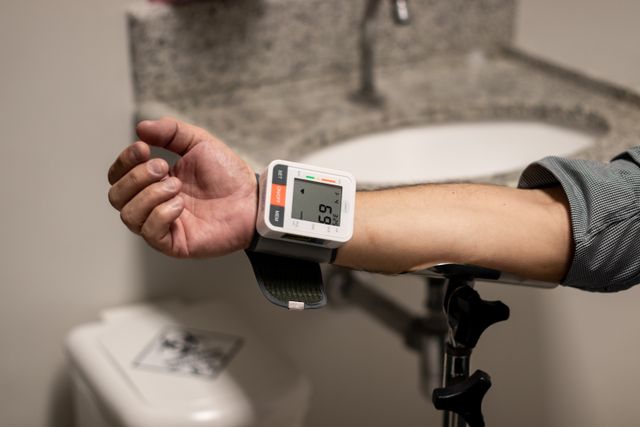
Blood pressure is one of the most important indicators of cardiovascular health, yet it is often overlooked until a medical concern arises. Many people assume that they are healthy as long as they feel energetic, remain physically active, and do not experience noticeable discomfort. However, high blood pressure, also known as hypertension, can develop without obvious symptoms and may remain undetected for years. This makes regular blood pressure monitoring an essential part of preventive healthcare, even for individuals who feel completely well.
Blood pressure refers to the force exerted by circulating blood against the walls of the arteries. It naturally changes throughout the day in response to physical activity, stress, sleep, and other factors. However, when blood pressure remains consistently elevated, it can place additional strain on the heart and blood vessels. Over time, this increased pressure may contribute to serious health complications, including heart disease, stroke, kidney damage, and other cardiovascular problems.
The challenge is that many people do not recognise the importance of blood pressure awareness until a routine health examination reveals an abnormal reading or symptoms associated with a complication appear. By that stage, elevated blood pressure may already have affected the body.
Understanding blood pressure before symptoms develop allows individuals to make informed decisions about their health, identify potential concerns early, and seek appropriate medical guidance. Awareness is not simply about knowing a numerical reading. It is about understanding how blood pressure affects the body and why regular monitoring, healthy habits, and timely medical attention are important for long-term well-being.
Understanding What Blood Pressure Really Means
Blood pressure measures the force of blood pushing against the walls of the arteries as the heart circulates blood throughout the body. It is recorded using two numbers, expressed in millimetres of mercury, or mmHg. The upper number, known as systolic pressure, measures the pressure when the heart contracts and pumps blood. The lower number, called diastolic pressure, measures the pressure when the heart relaxes between beats.
A blood pressure reading is commonly written as systolic pressure over diastolic pressure. For example, a reading of 120/80 mmHg means that the systolic pressure is 120 and the diastolic pressure is 80.
Blood pressure is not a fixed measurement. It can rise temporarily during exercise, emotional stress, pain, or certain daily activities. It may decrease during rest and sleep. These normal fluctuations are part of the body’s regulation of circulation.
However, consistently elevated blood pressure is different from a temporary increase. When pressure remains higher than recommended levels over time, the heart and blood vessels must work under greater strain. This is why repeated measurements and proper interpretation are important. A single reading does not always provide a complete picture of an individual’s blood pressure status.
Understanding the meaning of blood pressure readings helps people recognise that cardiovascular health cannot be judged solely by how they feel.
Why High Blood Pressure Is Often Called a Silent Condition
High blood pressure is frequently described as a silent condition because it often develops without noticeable symptoms. A person may have elevated blood pressure while continuing to work, exercise, study, travel, and carry out daily responsibilities without experiencing any obvious physical changes.
This absence of symptoms can create a false sense of reassurance. People may believe that a lack of headaches, dizziness, fatigue, or discomfort means their blood pressure is normal. In reality, many individuals with hypertension do not experience clear warning signs, even when their readings remain elevated over a prolonged period.
The body can adapt to gradual changes in blood pressure, which may make the condition difficult to recognise without measurement. Meanwhile, persistent pressure can gradually affect the cardiovascular system and other organs.
When symptoms do occur, they are not necessarily reliable indicators of high blood pressure. Headaches, dizziness, and tiredness can have many causes and should not be used as substitutes for a blood pressure measurement. This is why awareness and regular screening are so important. Waiting for symptoms to appear may delay the identification of hypertension and reduce opportunities for early intervention.
How Elevated Blood Pressure Affects the Body Over Time
The cardiovascular system depends on healthy blood vessels and an efficiently functioning heart to deliver oxygen and nutrients throughout the body. When blood pressure remains consistently elevated, the increased force can place stress on artery walls and make the heart work harder to circulate blood.
Over time, this pressure may contribute to changes in the structure and function of blood vessels. Arteries can become less flexible, and the heart may need to exert greater effort to pump blood. These changes can increase the risk of cardiovascular disease. High blood pressure is also associated with damage to small blood vessels in organs such as the kidneys, eyes, and brain. The effects may develop gradually, which is one reason hypertension can remain unnoticed for long periods.
The consequences of prolonged hypertension vary from person to person. Factors such as age, genetics, lifestyle, existing medical conditions, and the severity and duration of elevated blood pressure can influence the level of risk. Recognising these potential effects reinforces the importance of identifying and managing high blood pressure before complications develop.
The Connection Between Blood Pressure and Heart Health
The heart works continuously to circulate blood throughout the body. When blood pressure remains elevated, the heart must pump against greater resistance. Over time, this additional workload can contribute to changes in the heart muscle and increase the likelihood of cardiovascular complications. Persistent hypertension is an important risk factor for heart disease, including conditions that affect the heart muscle and the blood vessels supplying it. It can contribute to the development of coronary artery disease and increase the risk of heart failure.
The relationship between blood pressure and heart health highlights why preventive monitoring matters even for people who do not have a history of heart disease. High blood pressure can develop gradually and may remain unnoticed until a routine medical examination identifies it.
Maintaining healthy blood pressure is one part of protecting cardiovascular health. A broader approach that includes balanced nutrition, regular physical activity, avoiding tobacco, adequate sleep, and appropriate medical care can also help reduce cardiovascular risk.
Why Blood Pressure Awareness Matters for Brain Health
The brain relies on a continuous supply of oxygen and nutrients delivered through blood vessels. Healthy circulation is essential for normal brain function, and blood pressure plays an important role in maintaining that circulation. Persistently high blood pressure can damage blood vessels in the brain and increase the risk of stroke. It is also associated with an increased risk of vascular changes that may affect cognitive health over time.
A stroke can occur when blood flow to part of the brain is interrupted or when a blood vessel ruptures. High blood pressure is a major risk factor for both types of stroke. However, stroke risk is influenced by several factors, and not every person with hypertension will experience a stroke.
Blood pressure management is therefore an important component of protecting long-term brain health. Regular monitoring can help identify elevated readings before a serious event occurs and provide an opportunity to discuss preventive measures with a healthcare professional. Awareness is particularly important because the effects of elevated blood pressure on blood vessels may develop without obvious symptoms.
The Relationship Between Blood Pressure and Kidney Health
The kidneys play a vital role in filtering waste products from the blood, regulating fluid balance, and helping control blood pressure. They depend on a network of small blood vessels to perform these functions effectively.
Persistently high blood pressure can damage the blood vessels within the kidneys, making it more difficult for them to filter blood properly. At the same time, kidney disease can interfere with the body’s ability to regulate blood pressure, creating a cycle in which each condition can worsen the other. This relationship makes blood pressure monitoring particularly important for people with diabetes, existing kidney disease, or other conditions that increase cardiovascular risk.
Kidney damage may develop gradually and may not produce noticeable symptoms in its early stages. Regular medical assessments can help identify concerns and guide appropriate treatment. Maintaining healthy blood pressure can therefore support kidney health as well as cardiovascular well-being.
Who Should Pay Attention to Blood Pressure Before Symptoms Appear?
Blood pressure awareness is important for adults of all ages, although the likelihood of hypertension generally increases with age. People with a family history of high blood pressure, cardiovascular disease, or certain chronic conditions may have a greater risk of developing hypertension. Lifestyle factors can also influence blood pressure. High dietary sodium intake, physical inactivity, excess body weight, smoking, excessive alcohol consumption, and prolonged stress may contribute to elevated readings in some individuals.
People with diabetes, kidney disease, or a history of cardiovascular problems may require more frequent monitoring under medical guidance. Pregnancy also requires appropriate blood pressure monitoring because certain pregnancy-related conditions can involve elevated blood pressure and may pose risks to the pregnant person and the baby.
Younger adults should not assume that hypertension is only a concern for older people. Although the risk varies with age and other factors, high blood pressure can occur in younger individuals as well. The appropriate frequency of screening depends on a person’s age, previous readings, health conditions, and overall risk profile. A healthcare professional can help determine how often monitoring is needed.
The Importance of Regular Blood Pressure Monitoring
Regular blood pressure monitoring helps identify changes that may otherwise go unnoticed. Because hypertension often does not cause symptoms, measurement is one of the most reliable ways to recognise whether blood pressure is consistently elevated. Blood pressure can be measured in healthcare settings or, when appropriate, at home using a validated automatic upper-arm monitor. Home monitoring may provide additional information about readings during everyday life, particularly when a healthcare professional recommends it.
However, accurate measurement requires proper technique. The person should ideally sit quietly for several minutes before taking a reading, keep the back supported, place both feet flat on the floor, and rest the arm at heart level. The cuff should fit properly and be placed on a bare upper arm.
Taking repeated readings under consistent conditions can help provide a more reliable picture than relying on a single measurement. Healthcare professionals may also recommend ambulatory monitoring, in which a device measures blood pressure at regular intervals over a longer period. Regular monitoring should be viewed as a preventive health practice rather than a response to symptoms alone. It can help individuals and healthcare professionals make informed decisions about further assessment and management.
Understanding Blood Pressure Readings Without Misinterpretation
Blood pressure readings are generally classified into categories based on the level of systolic and diastolic pressure. However, the thresholds used to define elevated blood pressure and hypertension can differ across clinical guidelines and healthcare systems. For this reason, individuals should avoid interpreting a single reading without considering the measurement conditions, previous results, and their personal health circumstances.
A reading that is higher than usual does not automatically mean that a person has hypertension. Temporary factors such as stress, caffeine, physical activity, or discomfort may influence blood pressure. Repeated elevated readings, however, should be discussed with a healthcare professional.
It is also important to recognise that blood pressure that is unusually low may cause symptoms in some individuals. Particularly when accompanied by dizziness, fainting, or weakness. Low blood pressure is not necessarily harmful in every person, but persistent symptoms require appropriate assessment. Understanding the meaning of readings can help prevent unnecessary anxiety while ensuring that potentially important changes are not ignored.
Lifestyle Habits That Support Healthy Blood Pressure
Everyday habits can play an important role in maintaining healthy blood pressure. Although lifestyle changes cannot replace medical treatment when medication is necessary. They can support blood pressure management and overall cardiovascular health.
A balanced diet that includes vegetables, fruits, whole grains, legumes, and other nutrient-rich foods can contribute to better cardiovascular health. Reducing excessive sodium intake is particularly important for people who are sensitive to salt or have been advised to limit it. Choosing minimally processed foods more often and checking food labels can help people become more aware of their sodium intake.
Regular physical activity can also support healthy blood pressure. Activities such as brisk walking, cycling, swimming, and other forms of moderate exercise can contribute to cardiovascular fitness. The appropriate level of activity depends on individual health and physical capacity.
Maintaining a healthy body weight, avoiding tobacco, limiting alcohol consumption, and developing consistent sleep habits can also support blood pressure management. Stress-management practices, including relaxation exercises and activities that promote emotional well-being, may be helpful as part of a broader approach to health.
These habits are most effective when they are sustainable and adapted to an individual’s circumstances. People with diagnosed hypertension should discuss lifestyle changes with a healthcare professional to ensure that their overall management plan is appropriate.
Why Blood Pressure Awareness Is Important for Young Adults
Young adulthood is often associated with good health, energy, and physical independence. As a result, blood pressure may not receive much attention among students, early-career professionals, and people in their twenties and thirties.
However, lifestyle patterns established during these years can influence long-term cardiovascular health. Irregular sleep, limited physical activity, high-sodium convenience foods, tobacco use, and prolonged stress may contribute to health risks over time. Young adults may also have undiagnosed hypertension because they do not routinely undergo preventive health examinations. Since high blood pressure can occur without symptoms, feeling healthy does not guarantee that readings are within a healthy range.
Developing awareness early can encourage people to understand their personal health indicators and seek appropriate screening when recommended. It can also help establish habits that support long-term well-being. Blood pressure awareness should therefore be considered part of preventive healthcare throughout adulthood, not simply a concern for older people.
The Role of Preventive Healthcare and Medical Guidance
Preventive healthcare focuses on identifying potential health concerns before they lead to serious complications. Blood pressure screening is an important part of this approach. Because it can reveal elevated readings in people who otherwise feel well. Routine medical examinations provide an opportunity to assess blood pressure alongside other indicators of health. Depending on an individual’s risk factors and medical history. A healthcare professional may recommend additional tests, home monitoring, or further evaluation.
When hypertension is diagnosed, treatment may involve lifestyle changes, medication, or a combination of approaches. The appropriate treatment depends on the severity of the condition, the presence of other health problems, and the individual’s overall cardiovascular risk.
People who are prescribed blood pressure medication should take it according to medical instructions and should not stop or change their dosage without professional advice. Regular follow-up appointments can help assess whether treatment is working and whether adjustments are necessary. Preventive care is most effective when individuals view blood pressure monitoring as an ongoing part of health management rather than a one-time measurement.
When High Blood Pressure Requires Urgent Attention
Although hypertension often develops without symptoms, extremely high blood pressure can sometimes be associated with a medical emergency, particularly when there are signs of acute organ damage.
A blood pressure reading around or above 180 mmHg systolic or 120 mmHg diastolic is considered severely elevated. If a reading reaches this level, the person should sit quietly and repeat the measurement after a short period. If the reading remains severely elevated, prompt medical guidance is necessary.
These symptoms may indicate a serious medical problem and should not be ignored. At the same time, the absence of symptoms does not make persistently elevated blood pressure harmless. Understanding when to seek medical attention helps people respond appropriately without relying on symptoms as the primary way to identify hypertension.
Conclusion
Blood pressure awareness is an essential part of preventive healthcare. Because high blood pressure can develop gradually and remain unnoticed for years. Even when a person feels healthy, consistently elevated blood pressure may place additional strain on the heart, blood vessels, kidneys, and brain.
Regular monitoring can help identify potential concerns before complications develop and provide an opportunity for timely medical assessment. Understanding blood pressure readings, recognising personal risk factors, and adopting sustainable lifestyle habits can support long-term cardiovascular health. Blood pressure management is not limited to people who already have a diagnosis or experience symptoms. It is relevant to adults across different age groups and health backgrounds, with screening frequency and treatment decisions tailored to individual needs.
Ultimately, awareness begins with a simple but important principle: feeling well does not always mean that every aspect of health is within a healthy range. By making blood pressure monitoring a regular part of preventive care. Individuals can take a more informed and proactive approach to protecting their long-term well-being.
Online Internship with Certificate
You may be interested

First-Pass Metabolism of Nutrients: Intestine and Liver Transform What We Eat
Anshika Jain - October 15, 2026The journey of nutrients does not end when food has been digested and absorbed. Before many nutrients reach the wider circulation and become available to tissues throughout…

Endocrine Architecture of Eating: Gut Hormones Coordinate Nutrient Processing
Anshika Jain - October 15, 2026Eating is often understood as a simple response to hunger or a way to obtain energy. In reality, food intake is regulated by a sophisticated biological communication…

Metabolic Cost of Digestion: Diet-Induced Thermogenesis Beyond Calorie Intake
Anshika Jain - October 15, 2026Food provides the energy required to maintain body temperature, support physical activity, regulate organ function, and sustain cellular processes. However, the energy obtained from food is not…
Most from this category



Enterohepatic Circulation of Nutrients: Intestine Coordinate Metabolic Recycling
Anshika Jain - October 15, 2026

Food Matrix Effects: Food Can Matter as Its Nutrient Composition
Anshika Jain - October 15, 2026Biology of Nutrient Competition: Minerals Interact During Absorption
Anshika Jain - October 15, 2026Enterohepatic Circulation of Nutrients: Intestine Coordinate Metabolic Recycling
Anshika Jain - October 15, 2026



Food Matrix Effects: Food Can Matter as Its Nutrient Composition
October 15, 2026
.png)
Leave a Comment
You must be logged in to post a comment.