
Intelligent Operating Rooms: Integrating Computer Vision, IoT and Clinical Decision Systems

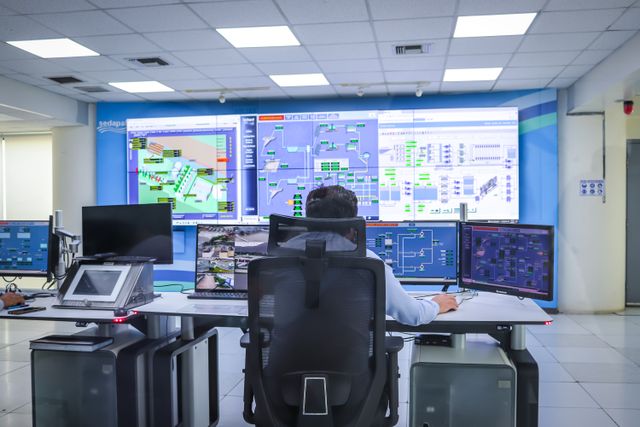
The operating room is one of the most technologically complex environments in modern healthcare. It brings together surgeons, anesthesiologists, nurses, technicians, medical devices, imaging systems, surgical instruments, patient records, and numerous operational processes within a highly controlled clinical setting. Every procedure requires precise coordination, timely decisions, effective communication, and careful management of patient safety.
The emergence of artificial intelligence, computer vision, the Internet of Things, advanced sensors, and clinical decision-support technologies is creating a new generation of operating environments commonly described as intelligent operating rooms. These environments are designed to connect people, equipment, data, and clinical processes so that information can be captured and interpreted in real time.
An intelligent operating room does not simply contain more digital devices. Its defining characteristic is the ability to integrate information from multiple sources and transform that information into useful clinical and operational insights. Computer vision can analyze video streams and recognize surgical activities, IoT technologies can connect medical equipment and environmental sensors, while clinical decision systems can combine patient information with real-time observations to support healthcare professionals.
The objective is not to replace surgeons or other clinical professionals. Instead, intelligent operating rooms aim to reduce information fragmentation, improve situational awareness, support workflow coordination, enhance safety, and create a more data-driven surgical environment.
The Evolution of the Operating Room
Traditional operating rooms have already incorporated sophisticated technologies, including anesthesia machines, surgical navigation systems, robotic equipment, imaging systems, patient monitors, and electronic documentation. However, many of these technologies operate as relatively independent systems.
A surgeon may use one system for imaging, another for surgical navigation, while nursing staff and anesthesiologists monitor information through separate interfaces. Medical equipment can generate valuable data, but that information may not always be integrated into a unified view of the procedure.
The intelligent operating room seeks to address this fragmentation. Instead of treating each device as an isolated source of information, the architecture connects multiple systems through a coordinated digital infrastructure.
This transition enables the operating room to become more context-aware. The system can potentially understand which stage of a procedure is occurring, which equipment is being used, what patient information is relevant, and whether unusual events require attention.
Understanding Intelligent Operating Rooms
An intelligent operating room can be understood as a connected clinical environment in which medical devices, sensors, cameras, information systems, and analytical technologies communicate with one another.
At the center of this environment is an integration layer that connects different data sources. These sources may include patient monitors, surgical cameras, anesthesia equipment, imaging systems, robotic instruments, environmental sensors, operating tables, lighting systems, and electronic health records.
Data collected from these sources can then be processed using analytical technologies. Computer vision can interpret video, machine learning can identify patterns, and clinical decision-support systems can combine information from multiple sources.
The resulting insights can be presented through displays, dashboards, alerts, or other interfaces. The system can therefore provide clinicians with contextual information without requiring them to manually retrieve data from multiple systems.
The Role of Computer Vision
Computer vision is one of the most important technologies contributing to intelligent operating rooms. Surgical procedures generate large amounts of visual information through laparoscopic cameras, endoscopic systems, surgical microscopes, overhead cameras, and other imaging technologies.
Computer vision algorithms can analyze these visual streams to identify objects, instruments, anatomical structures, surgical phases, and procedural events.
For example, a computer vision system may recognize when a particular surgical instrument enters the operative field or identify the transition from one stage of a procedure to another. Over time, such information can be used to create structured representations of surgical workflows.
Computer vision may also contribute to safety. Systems can potentially identify unexpected objects in the surgical field, monitor instrument movements, or detect events that require additional attention.
However, the clinical use of computer vision requires careful validation. Surgical environments contain variable lighting, blood, smoke, occlusion, rapidly changing camera perspectives, and complex anatomical structures. Algorithms must therefore be evaluated under realistic conditions rather than relying only on controlled datasets.
Computer Vision for Surgical Workflow Analysis
Surgical procedures are often described as sequences of phases, but the exact progression can vary according to patient anatomy, surgical complexity, and unexpected events.
Computer vision can help identify these phases automatically. A system might distinguish between preparation, incision, dissection, intervention, closure, and other stages depending on the procedure.
This information can support workflow analysis by showing how much time is spent in different phases and where unexpected interruptions occur.
Over time, hospitals could use this information to examine variations in surgical workflows and identify opportunities for improvement. The objective would not necessarily be to force every procedure into an identical sequence, but to understand where variations occur and whether they are clinically meaningful.
IoT-Enabled Operating Rooms
The Internet of Things provides the connectivity required to integrate medical equipment and environmental systems. IoT-enabled operating rooms can connect devices such as patient monitors, infusion pumps, anesthesia machines, surgical equipment, smart beds, environmental sensors, and inventory systems.
Each connected device can produce data about its status, usage, location, or performance. When these data are integrated, operating-room teams can gain greater visibility into the clinical and operational environment.
For example, connected equipment can provide information about whether a device is available, in use, undergoing maintenance, or experiencing an error. This can support more efficient equipment management.
IoT technologies can also monitor environmental conditions such as temperature, humidity, air quality, and room occupancy. Maintaining appropriate environmental conditions is an important component of operating-room safety and infection-control processes.
Real-Time Data Integration
One of the central challenges of intelligent operating rooms is integrating data from multiple sources in real time. Each device may use different communication protocols, data structures, and terminology. An effective architecture requires an interoperability layer that can receive information from multiple systems, normalize it, and make it available to analytical applications.
Real-time integration also requires reliable timing. A clinical event recorded several seconds or minutes after it occurs may have a different meaning from information captured immediately.
Time synchronization is therefore important. The system must be capable of aligning events from patient monitors, surgical video, equipment logs, clinical documentation, and other sources. A synchronized data environment creates the foundation for advanced analytics and accurate reconstruction of surgical events.
Clinical Decision Support in the Operating Room
Clinical decision-support systems can use integrated information to assist healthcare professionals during surgery. These systems may provide information about patient-specific risks, medication considerations, physiological changes, or procedural context.
For example, a decision-support system could combine the patient’s medical history with real-time physiological measurements and relevant procedural information to identify a potential concern.
Decision support should be designed carefully because operating rooms require rapid decisions. Information must be presented in a way that supports rather than interrupts clinical judgment. The system should avoid overwhelming clinicians with unnecessary alerts. Instead, it should prioritize information based on clinical relevance and urgency.
Artificial Intelligence and Predictive Analytics
AI can extend the capabilities of intelligent operating rooms beyond simple monitoring. Predictive models can analyze historical and real-time data to estimate the likelihood of particular events.
Potential applications include predicting surgical duration, identifying patients at higher risk of complications, anticipating equipment requirements, and detecting changes in physiological patterns.
Predictive analytics can also support operating-room scheduling. By analyzing historical procedure times, cancellations, delays, and resource requirements, systems can potentially improve scheduling decisions.
However, predictive models must be carefully validated because inaccurate predictions can create operational disruption or clinical risk. Their outputs should be treated as decision-support information rather than definitive conclusions.
Anesthesia and Patient Monitoring
Anesthesia is a particularly important area for intelligent operating-room technologies because patients are continuously monitored throughout procedures. Connected anesthesia systems can provide information about vital signs, ventilation, medication administration, and other physiological variables. Real-time analytics can examine these signals for changes that may require attention.
AI models may potentially identify patterns associated with hemodynamic instability or other complications. Such systems could help anesthesiologists recognize subtle changes earlier.
Nevertheless, anesthesia decisions involve complex clinical judgment. A model’s output must be interpreted alongside the patient’s overall condition, surgical context, medications, and procedural events. The objective should therefore be to improve situational awareness rather than automate critical clinical decisions without appropriate human oversight.
Surgical Robotics and Intelligent Systems
Robotic surgery represents another important component of the intelligent operating room. Robotic platforms generate detailed information about instrument movements, procedure duration, system status, and other aspects of surgical activity. When this information is combined with computer vision and clinical data, it can contribute to more comprehensive surgical analytics.
Future systems may increasingly connect robotic platforms with decision-support technologies and other operating-room systems. This could create an environment in which surgical instruments, imaging technologies, patient monitoring systems, and analytical platforms operate as coordinated components.
Such integration raises important questions about control, responsibility, and safety. Automated assistance must be carefully bounded, and clinicians must remain able to understand and control the system.
Improving Operating-Room Efficiency
Operating rooms are expensive resources, and inefficient scheduling can lead to delays, cancellations, and underutilization.
Intelligent systems can analyze operational data to identify factors associated with delays. These may include patient preparation, equipment availability, room turnover, staff coordination, or procedure duration. IoT-enabled tracking can provide information about equipment location and availability, while computer vision can potentially monitor workflow transitions.
The resulting insights can support better scheduling and resource allocation. Improving efficiency can also have broader effects by increasing operating-room availability and reducing delays for patients waiting for procedures.
Surgical Training and Education
Intelligent operating rooms can also contribute to medical education. Computer vision and workflow analytics can provide detailed information about surgical procedures that can later be used for training.
Trainees can potentially review procedural phases, instrument movements, and workflow patterns. Educators can use objective data to provide feedback on technical and procedural performance.
This may help complement traditional supervision. However, performance metrics should be interpreted carefully because surgical quality cannot always be reduced to measurable movements or procedure duration. Educational systems should therefore combine quantitative data with expert assessment and clinical context.
Patient Safety and Error Prevention
Patient safety is one of the strongest arguments for intelligent operating-room technologies. Surgical environments involve numerous potential sources of error, including incorrect equipment selection, medication issues, communication failures, workflow interruptions, and documentation problems.
Connected systems can potentially support safety checks by verifying information across multiple sources. For example, automated systems may assist with equipment readiness, surgical workflow documentation, or medication tracking.
Computer vision could potentially support monitoring of sterile-field practices or identify certain deviations from expected workflows, although such applications require extensive validation. The purpose of these systems should be to provide additional layers of safety rather than create an assumption that technology can eliminate clinical error.
Data Security and Privacy
Operating rooms generate highly sensitive information. Video recordings, patient monitoring data, clinical documentation, and device information can all contain protected health information.
Intelligent operating-room architectures therefore require strong security controls. Data should be appropriately protected during transmission and storage, while access should be restricted to authorized users.
Video data create additional privacy concerns. Organizations must establish clear policies regarding when recording occurs, where data are stored, who can access them, and how long they are retained. Cybersecurity is also critical because connected medical devices can introduce potential vulnerabilities. Security must be considered throughout the entire lifecycle of the system.
Interoperability Challenges
A major barrier to intelligent operating rooms is the diversity of medical technologies used within them. Devices may come from different manufacturers and use different communication standards. Without interoperability, hospitals may end up with multiple isolated technology ecosystems rather than a genuinely intelligent operating environment.
Interoperability therefore needs to be considered during procurement and system design. Healthcare organizations should evaluate whether new devices can communicate with existing infrastructure and whether data can be accessed in standardized formats.
A flexible integration architecture can reduce the risk of vendor dependency and make it easier to introduce future technologies.
Human Factors and Clinician Acceptance
Technology can only improve clinical care if healthcare professionals are willing and able to use it effectively. Intelligent operating rooms must therefore be designed around human needs.
Interfaces should minimize unnecessary complexity and present information in a clear, context-sensitive manner. Systems should support existing workflows rather than requiring clinicians to perform additional administrative tasks.
Clinician involvement should begin during system design. Surgeons, anesthesiologists, nurses, and operating-room technicians can identify practical challenges that may not be apparent to technology developers. Training is also important. Staff need to understand how systems work, what their limitations are, and how to respond when technology fails.
Validation and Clinical Governance
Every intelligent operating-room technology should undergo appropriate validation before being used in clinical practice. Technical performance is only one dimension of validation.
Organizations should also evaluate clinical effectiveness, usability, safety, workflow impact, and performance across relevant patient populations. AI models require continuous monitoring because their performance can change as patient populations, equipment, clinical practices, or data characteristics evolve.
Governance frameworks should establish responsibility for system oversight, model updates, cybersecurity, incident reporting, and performance monitoring. The operating room is a high-stakes environment, making rigorous governance essential.
The Future of Intelligent Operating Rooms
The future operating room is likely to become increasingly connected, context-aware, and data-driven. Computer vision systems may become better at understanding surgical workflows, while IoT networks may provide continuous information about equipment, patients, and environmental conditions.
AI may increasingly combine multimodal information from video, physiological signals, clinical records, and device data. This could create more comprehensive decision-support systems capable of recognizing patterns across the entire surgical environment.
Digital twins and advanced simulation may also allow hospitals to model operating-room workflows before making changes. Such technologies could support planning, resource allocation, and training.
However, the future of intelligent operating rooms should not be defined solely by automation. The most valuable systems will likely be those that improve human situational awareness while preserving clinical judgment, accountability, and control.
Conclusion
Intelligent operating rooms represent an important evolution in surgical healthcare. By integrating computer vision, IoT-enabled medical devices, clinical data, artificial intelligence, and decision-support technologies, hospitals can create environments in which information flows more efficiently between people, equipment, and clinical systems.
Computer vision can provide insights into surgical workflows, IoT can connect medical equipment and environmental sensors, and clinical decision systems can transform complex information into contextual support. Together, these technologies can contribute to patient safety, workflow efficiency, surgical education, resource management, and improved clinical awareness.
However, technological integration alone does not guarantee better care. Intelligent operating rooms must be designed around clinical needs and supported by interoperability, cybersecurity, data governance, rigorous validation, and continuous monitoring.
The operating room of the future will likely be less dependent on isolated devices and more dependent on connected intelligence. The central objective should remain clear: technology must serve clinical professionals and patients by making surgical care safer, more coordinated, and more informed. When implemented responsibly, intelligent operating rooms can provide the infrastructure for a new generation of digitally enabled surgical practice while keeping human expertise at the center of patient care.
Online Internship with Certificate
You may be interested

Knowledge Graphs for Connecting Genomic Variants With Clinical Outcomes
Anshika Jain - September 29, 2026The rapid growth of genomic medicine is transforming the way healthcare professionals understand disease, diagnosis, and treatment. Advances in next-generation sequencing have made it increasingly possible to…
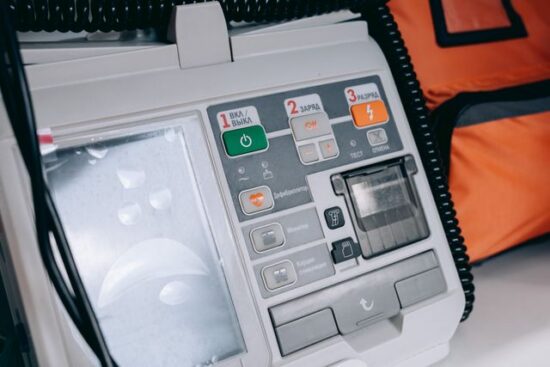
Predictive Maintenance of Critical Medical Infrastructure Using IoT and Machine Learning
Anshika Jain - September 29, 2026Healthcare organizations depend on a complex network of medical equipment and critical infrastructure to provide safe, continuous, and efficient patient care. Ventilators, anesthesia machines, infusion pumps, imaging…

AI-Assisted Triage Systems in Emergency Medicine: Architecture, Validation and Safety
Anshika Jain - September 29, 2026Emergency medicine operates in an environment where clinical decisions often need to be made quickly despite incomplete information, unpredictable patient volumes, and rapidly changing conditions. Triage is…
Most from this category
From EHR Data Lakes to Clinical Intelligence Platforms: Architectures for Modern Healthcare Analytics
Anshika Jain - September 29, 2026
Data Drift in Clinical AI: Monitoring Model Performance After Deployment
Anshika Jain - September 29, 2026
The Five-Minute Health Habit: Can Tiny Changes Become Long-Term Routines?
Anshika Jain - September 28, 2026

From EHR Data Lakes to Clinical Intelligence Platforms: Architectures for Modern Healthcare Analytics
Anshika Jain - September 29, 2026Data Drift in Clinical AI: Monitoring Model Performance After Deployment
Anshika Jain - September 29, 2026The Five-Minute Health Habit: Can Tiny Changes Become Long-Term Routines?
Anshika Jain - September 28, 2026
Knowledge Graphs for Connecting Genomic Variants With Clinical Outcomes
September 29, 2026


Data Drift in Clinical AI: Monitoring Model Performance After Deployment
September 29, 2026 .png)
Leave a Comment
You must be logged in to post a comment.