
Stem Cell Engineering and the Search for New Regenerative Therapies


The human body possesses a remarkable capacity for repair. Skin can close wounds, bones can remodel after injury, blood cells are continuously replaced, and tissues throughout the body maintain themselves through complex interactions between cells and their surrounding environments. Yet this regenerative capacity has limits. Severe injuries, degenerative diseases, genetic disorders and the progressive loss of functional tissue can leave the body unable to restore normal structure on its own.
Regenerative medicine seeks to address this problem by developing approaches that restore, replace or regenerate damaged cells and tissues. Stem cells have become one of the most important components of this field because of their capacity for self-renewal and, depending on the stem-cell type, their ability to generate specialized cell populations. However, simply placing stem cells into damaged tissue does not automatically produce regeneration. Scientists increasingly recognize that cells need the right biological signals, physical environment, genetic programs and delivery systems to produce predictable therapeutic effects.
This realization has contributed to the development of stem cell engineering, an interdisciplinary field that combines stem-cell biology with gene editing, biomaterials, tissue engineering, computational modelling, microfluidics and synthetic biology. Rather than treating stem cells as naturally occurring biological tools that can simply be transplanted, researchers are learning how to modify and control them so that they perform specific therapeutic functions.
The objective is to create regenerative therapies that are more precise, predictable, scalable and clinically useful. Current research is exploring engineered stem cells for tissue repair, immune modulation, disease modelling, drug delivery and the generation of specialized therapeutic cells. At the same time, researchers continue to confront major challenges involving safety, manufacturing, immune compatibility, delivery and long-term function.
What Makes Stem Cells Important for Regenerative Medicine?
Stem cells are distinctive because they combine the ability to produce more stem cells with the potential to generate differentiated cell types. Different categories of stem cells possess different developmental capacities. Adult stem cells generally contribute to the maintenance and repair of particular tissues, while pluripotent stem cells can potentially be directed toward many specialized cell types.
Induced pluripotent stem cells, commonly called iPSCs, have been especially significant because mature cells can be reprogrammed into a pluripotent state. This provides researchers with a potentially renewable source of cells that can subsequently be differentiated into specialized populations.
The importance of this capability extends beyond simply replacing lost cells. Researchers can potentially generate patient-specific cellular models, study diseases in the laboratory, screen drugs and engineer cells with new therapeutic properties. This has helped shift stem-cell research from a relatively straightforward transplantation concept toward a broader platform for biological engineering.
However, differentiation must be carefully controlled. Producing the desired cell type is only one part of developing a therapy. Researchers also need to ensure that the resulting cells possess the appropriate functional characteristics, remain stable, survive after administration and do not produce unwanted biological effects.
From Stem Cells to Engineered Cells
Traditional stem-cell therapy largely focused on using cells for their naturally occurring properties. Stem cell engineering takes a different approach by attempting to deliberately modify those properties.
Researchers can alter cells using genetic engineering, gene-editing technologies, biomaterials or controlled environmental signals. The purpose may be to increase survival, improve differentiation, modify immune interactions, encourage tissue repair or enable cells to release therapeutic molecules.
For example, engineered stem-cell derivatives can potentially be designed to produce molecules that support blood-vessel formation, reduce harmful inflammation or promote tissue recovery. Researchers have also investigated stem cells as delivery vehicles because certain stem-cell populations naturally migrate toward particular tissue environments, including some tumour sites.
This concept turns the stem cell from a passive replacement component into a programmable biological system. Instead of simply asking whether stem cells can survive after transplantation. Scientists can ask whether their behaviour can be deliberately controlled to achieve a specific therapeutic objective.
Gene Editing Opens a New Engineering Layer
Gene editing has become one of the most important technologies supporting advanced stem-cell engineering. Technologies such as CRISPR-based systems can allow researchers to modify specific genetic sequences in stem cells before those cells are differentiated or used experimentally.
One application involves correcting disease-associated genetic changes in cells derived from a patient. In principle, researchers can take a patient’s cells, reprogram them into a stem-cell state, correct a relevant genetic defect and differentiate the corrected cells into the desired therapeutic population.
Gene editing can also be used to add new functions. Scientists may introduce genetic programs that cause cells to respond to particular biological signals, produce therapeutic proteins or interact differently with the immune system.
The field is moving beyond simple gene disruption as well. Newer editing strategies are being investigated for more precise forms of genetic modification, while current regenerative-medicine research is increasingly combining gene delivery, cell engineering and tissue engineering.
Nevertheless, genetic engineering introduces its own risks. Researchers must consider unintended genetic changes, genomic stability, abnormal cell behaviour and the possibility that engineered cells could develop undesirable characteristics. These concerns make rigorous characterization and long-term safety assessment essential.
Engineering the Stem Cell Environment
A stem cell does not function independently from its surroundings. In the human body, stem cells exist within specialized microenvironments known as niches. These niches provide biochemical signals, physical structures and interactions with neighbouring cells. It influence whether stem cells remain undifferentiated, divide or become specialized.
Scientists are therefore engineering not only the stem cells themselves but also the environments in which they grow.
Biomaterials can be designed to provide specific mechanical and biochemical properties. Hydrogels, scaffolds and other engineered materials can create three-dimensional environments that influence cell behaviour. Researchers can also manipulate the stiffness, architecture and chemical composition of these environments to guide differentiation and tissue formation.
This approach is important because conventional laboratory culture conditions may not accurately reproduce the biological environment of human tissues. Bioengineering strategies can help recreate aspects of the stem-cell niche and improve the ability to produce useful cell populations.
The result is a shift from cell engineering toward cell-and-environment engineering, in which researchers attempt to control both the biological program inside the cell and the external signals that influence it.
Stem Cells and Tissue Regeneration
The ultimate objective of regenerative medicine is not simply to introduce new cells but to restore functional tissue.
For this to happen, transplanted or engineered cells must survive, communicate with surrounding cells and become integrated into the tissue. Depending on the application, they may also need to establish connections with blood vessels, nerves or other biological structures.
Researchers are investigating stem-cell-based strategies for tissues including bone, cartilage, skin, muscle, heart and nervous tissue. In some cases, the therapeutic effect may come from the transplanted cells directly replacing damaged cells. In other cases, cells may release biological signals that influence the patient’s existing tissues and stimulate repair.
This distinction is important. Regenerative therapy does not always mean that transplanted stem cells permanently become the missing tissue. Some approaches aim to use cells as temporary biological regulators that influence inflammation, vascularization or endogenous repair processes.
Current research into stem-cell therapies for wound healing and tissue regeneration continues to explore these different mechanisms across cardiovascular, neurological, musculoskeletal and skin-related applications.
Organoids and Engineered Tissue Models
Stem-cell engineering has also contributed to the development of organoids. Organoids are three-dimensional tissue structures that can reproduce selected characteristics of organs while being maintained in laboratory environments.
Pluripotent stem cells can be directed through developmental pathways that encourage them to organize into structures resembling aspects of the brain, intestine, liver, kidney and other tissues. This creates experimental systems that can be used to study development, disease and potential therapies.
Engineering can make these models more sophisticated. Researchers can manipulate genes, alter extracellular environments and combine different cell types to investigate how tissues develop and interact.
The convergence of stem-cell biology and organoid engineering is particularly valuable because it allows researchers to study human biological processes that can be difficult to reproduce using conventional cell cultures. It also creates opportunities to test therapeutic approaches before moving into clinical studies.
Engineering Stem Cells for More Precise Cell Therapies
One of the emerging directions in the field is the development of programmable therapeutic cells. Instead of creating cells that perform a single fixed function, researchers are investigating cells that can respond to specific biological signals.
Synthetic biology can be used to introduce genetic circuits that activate cellular functions only under particular conditions. For example, engineered cells could potentially be programmed to recognize disease-associated signals and respond by releasing a therapeutic molecule.
Recent research into next-generation programmable cell therapies describes systems designed to respond to disease-specific cues or externally delivered signals. Stem cells are increasingly being considered as platforms for generating therapeutic cell populations that can be engineered before administration.
This concept could eventually create a new class of living medicines. Rather than administering a conventional drug that distributes through the body according to its pharmacological properties, clinicians could potentially use engineered cells that sense their environment and perform a biological function.
However, achieving reliable control over living cells remains substantially more difficult than controlling a conventional pharmaceutical compound.
The Search for Off-the-Shelf Stem Cell Therapies
Many individualized cell therapies require cells to be collected from a patient, processed, engineered, expanded and returned to that patient. This personalized approach can provide biological compatibility advantages, but it can also be expensive, time-consuming and difficult to scale.
Researchers are therefore investigating allogeneic, or donor-derived, stem-cell products. It could potentially be manufactured in larger batches and made available to multiple patients.
The development of such “off-the-shelf” therapies requires careful management of immune compatibility. Donor-derived cells may be recognized by the recipient’s immune system, creating challenges that researchers attempt to address through genetic engineering and other strategies.
Recent work in engineered immune-cell therapies highlights the growing interest in stem-cell-derived therapeutic cells that can be manufactured in more standardized ways while reducing immune incompatibility and variability.
The possibility of scalable cell manufacturing is particularly important for regenerative medicine because a therapy that works only through complex individualized production may be difficult to make widely accessible.
Biomaterials and Cell Delivery
Getting engineered cells to the right location is another major challenge. Cells may be delivered by injection, transplantation, tissue scaffolds or other approaches, depending on the disease and target tissue.
Biomaterials can provide temporary structures that protect cells and help retain them at the desired location. They can also provide biochemical signals that encourage cell survival and differentiation.
Researchers are developing increasingly sophisticated delivery systems that operate at different scales, from microscopic carriers to larger tissue-engineering scaffolds. These systems may help improve cell survival, control therapeutic activity and reduce unwanted immune responses.
This means that future regenerative therapies may depend on more than engineered cells alone. A successful treatment could require a coordinated combination of cells, biomaterials, delivery systems and controlled biological signals.
Artificial Intelligence Enters Stem Cell Engineering
Artificial intelligence is becoming increasingly relevant to regenerative medicine because stem-cell research generates large and complex datasets.
Researchers can collect information about gene expression, cell morphology, differentiation status, molecular signalling and treatment responses. AI systems can help identify patterns within these datasets that may be difficult to detect manually.
Machine-learning methods could potentially help researchers predict which culture conditions encourage specific cell states, identify cells with desirable characteristics or optimize differentiation protocols. AI may also support patient stratification and drug discovery by connecting cellular data with disease characteristics.
Recent discussions within the regenerative-medicine field have highlighted the integration of AI with stem-cell research, bioengineering, patient stratification, drug repurposing and metabolic modelling.
The role of AI is therefore likely to expand as researchers collect increasingly large datasets from engineered cell populations and individualized treatment systems.
Manufacturing Is One of the Biggest Obstacles
A promising laboratory experiment does not automatically become a practical therapy. One of the major challenges in regenerative medicine is developing manufacturing processes capable of producing cells consistently at clinically relevant scales.
Cells are living products. Their characteristics can change depending on culture conditions, passage history, nutrient availability and environmental signals. Small variations in manufacturing can potentially influence therapeutic performance.
Researchers therefore need reliable processes for cell expansion, differentiation, purification, quality control, storage and delivery. These processes must be reproducible and sufficiently robust for clinical use.
Reviews of regenerative-medicine commercialization have identified this transition from promising laboratory research to scalable clinical manufacturing as a major challenge. The so-called “valley of death” between early research and clinical development can arise from technical, financial, regulatory and manufacturing barriers.
Solving this problem will be essential if engineered stem-cell therapies are to move beyond specialized research centres.
Safety and the Risk of Uncontrolled Cell Behaviour
Safety is one of the central concerns surrounding stem-cell-based regenerative medicine. Cells capable of extensive proliferation and differentiation can potentially produce unwanted outcomes if they are not sufficiently controlled.
Pluripotent stem cells are particularly important in this context because incomplete differentiation can leave unwanted cells within a therapeutic preparation. Researchers must therefore develop reliable purification and quality-control methods.
Genetic engineering introduces additional considerations. Changes made to cellular DNA can potentially alter cell behaviour, while long-term effects may not always be visible during short laboratory experiments.
For these reasons, stem-cell therapies require careful evaluation of genomic stability, cellular identity, differentiation state, tumour-forming potential, immune interactions and long-term behaviour. Safety is not a secondary consideration but one of the central engineering problems that must be solved before widespread clinical use.
From Regenerative Cells to Living Medicines
The broader direction of the field suggests that regenerative medicine may increasingly involve cells that are deliberately engineered to perform specific therapeutic functions.
A future engineered cell could potentially sense its surroundings, respond to disease-associated signals, release a therapeutic molecule, communicate with neighbouring cells and eventually disappear when its function is complete.
This would represent a major conceptual shift. Conventional medicines are designed as chemical or biological molecules with defined pharmacological actions. Engineered cell therapies introduce living systems capable of adapting to their environment.
Researchers are already investigating programmable cell therapies and engineered living medicines. Although significant challenges involving delivery, viability, replication control and immune responses remain.
The field therefore sits at the intersection of regenerative medicine, synthetic biology and precision medicine.
The Future of Personalized Regeneration
Personalization is another important direction. A patient’s cells can potentially provide a starting material for generating disease-specific models or therapeutic products.
In an idealized future workflow, researchers could obtain cells from an individual, reprogram or expand them, correct relevant genetic abnormalities when appropriate, differentiate them into the required tissue type and engineer their biological environment before transplantation.
Such a system could allow regenerative medicine to move beyond generalized treatments toward therapies tailored to the biological characteristics of individual patients.
However, personalization also creates practical challenges. Individualized manufacturing is more complicated than mass production, and each patient’s cellular material may behave differently. The challenge will be to combine personalization with sufficiently standardized processes to maintain safety, quality and affordability.
What Must Happen Before These Therapies Become Routine?
The future of stem-cell engineering depends on solving several interconnected problems. Scientists need better control over cell fate, improved methods for producing mature and functional cells, reliable delivery systems, scalable manufacturing and stronger methods for monitoring cells after transplantation.
Researchers also need clinical evidence demonstrating that engineered cells provide meaningful benefits that outweigh their risks. Laboratory success is not sufficient to establish therapeutic effectiveness.
Regulatory systems will also need to evolve alongside the technology. Engineered stem cells can combine characteristics of cell therapy, gene therapy and tissue engineering, creating complex products that may not fit neatly into traditional categories.
The field is therefore becoming increasingly multidisciplinary. Biology, engineering, computational science, materials science, manufacturing and clinical medicine must work together to move promising discoveries toward patients.
Conclusion
Gene editing can modify cellular programs, biomaterials can recreate aspects of the stem-cell environment. Organoids can model complex human tissues, artificial intelligence can analyse cellular behaviour. Advanced manufacturing can potentially transform engineered cells into scalable therapeutic products.
At the same time, the field remains scientifically and clinically challenging. Safety, immune compatibility, cellular maturation, manufacturing consistency, delivery, cost and long-term effectiveness all require continued investigation. Current research emphasizes that the promise of stem-cell therapies is substantial. But translating that promise into broadly available regenerative treatments requires rigorous engineering and clinical validation.
The most important development may be the transformation of the stem cell from a naturally occurring biological resource into an increasingly programmable therapeutic platform. As researchers learn to control cellular identity, genetic information, environmental signals and tissue organization. Regenerative medicine could gradually move toward therapies designed not merely to manage damaged tissues but to actively support their restoration.
Stem cell engineering will not eliminate every limitation of regenerative medicine. It will not immediately produce replacement organs or universal cures. Its significance lies in creating new ways to manipulate living biology with increasing precision. The continued convergence of stem-cell science, gene editing, biomaterials, artificial intelligence and bioengineering could ultimately establish a new generation of regenerative therapies in which living cells themselves become carefully designed components of modern medicine.
Online Internship with Certificate
You may be interested
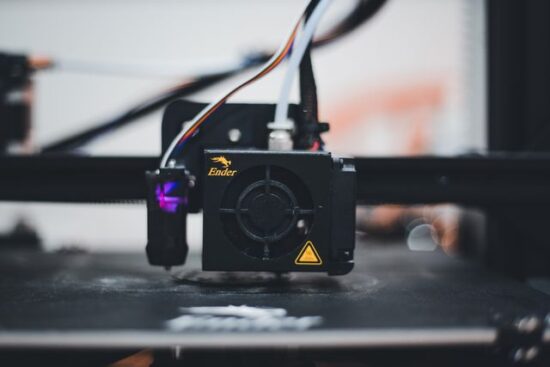
3D Bioprinting: The Future of Manufacturing Human Tissues?
Anshika Jain - October 1, 2026Three-dimensional bioprinting has emerged as one of the technologies attempting to address this challenge. Unlike conventional 3D printing, which typically deposits plastics, metals or other non-living materials,…

Organoids: How Miniature Human Organs Are Changing Medical Research
Anshika Jain - October 1, 2026Medical research has traditionally depended on a combination of laboratory cell cultures, animal models, clinical observations, and human studies. Each approach has contributed enormously to scientific progress,…
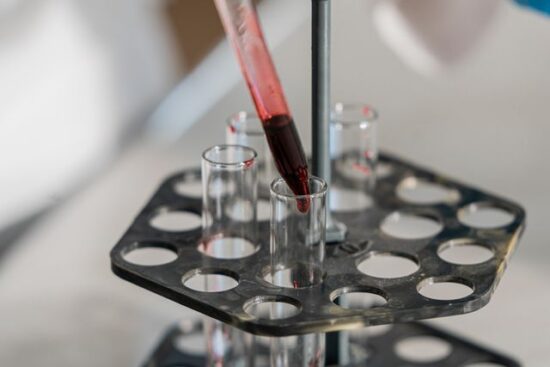
Liquid Biopsy Technology: Can Blood Samples Reveal Molecular Signals From Tumors?
Anshika Jain - October 1, 2026Cancer diagnosis and monitoring have traditionally depended heavily on tissue biopsies, imaging, and laboratory testing. A tissue biopsy can provide valuable information because it allows pathologists to…
Most from this category

Personalized Oncology: How Tumor Genetics Is Changing Cancer Treatment Strategies
Anshika Jain - October 1, 2026
Multi-Omics Medicine: Combining Genomics, Proteomics, Metabolomics and Other Biological Layers
Anshika Jain - October 1, 2026
Immunometabolism: How Cellular Energy Systems Influence Immune Function
Anshika Jain - September 30, 2026
The Gut Barrier: Why Intestinal Permeability Has Become a Major Area of Biomedical Research
Anshika Jain - September 30, 2026
Personalized Oncology: How Tumor Genetics Is Changing Cancer Treatment Strategies
Anshika Jain - October 1, 2026Multi-Omics Medicine: Combining Genomics, Proteomics, Metabolomics and Other Biological Layers
Anshika Jain - October 1, 2026Immunometabolism: How Cellular Energy Systems Influence Immune Function
Anshika Jain - September 30, 2026
3D Bioprinting: The Future of Manufacturing Human Tissues?
October 1, 2026


.png)
Leave a Comment
You must be logged in to post a comment.