
Immunometabolism: How Cellular Energy Systems Influence Immune Function

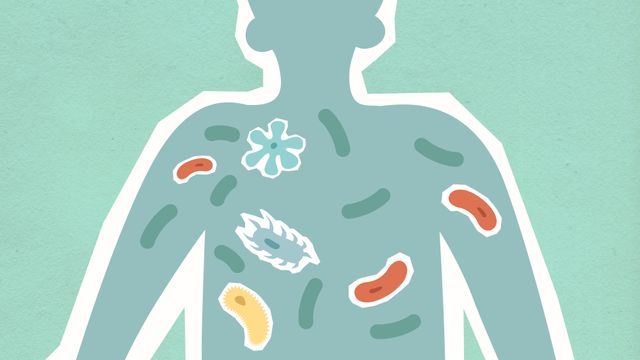
The immune system is often described as the body’s defence network, responsible for identifying pathogens, eliminating damaged cells, and coordinating inflammatory responses. However, immune activity depends on more than receptors, antibodies, signalling molecules, and specialised immune cells. Every immune response also requires energy. Cells must generate, store, and redirect energy to support movement, communication, proliferation, protein production, and tissue repair. The relationship between metabolism and immunity has therefore become an important area of modern biomedical research known as immunometabolism.
Immunometabolism examines how metabolic pathways influence immune-cell behaviour and, in turn, how immune activation changes cellular metabolism. This field has transformed the traditional view that metabolism is primarily concerned with supplying energy. Researchers now recognise that metabolic pathways can act as regulatory systems that influence cell identity, signalling, gene expression, differentiation, and inflammatory activity.
Immune cells are particularly adaptable in their metabolic behaviour. A resting immune cell may use energy differently from a cell responding rapidly to an infection. Likewise, immune cells operating in tissues such as tumours, inflamed organs, or nutrient-poor environments may face completely different metabolic conditions. Understanding these relationships is helping scientists explore why immune responses change during infection, chronic inflammation, cancer, metabolic disease, and ageing.
What Is Immunometabolism?
Immunometabolism is the study of the reciprocal relationship between metabolism and immune function. It examines how nutrients, cellular energy pathways, metabolites, and metabolic signals influence immune-cell activity while also investigating how immune activation changes the way cells acquire and use nutrients.
The concept connects two traditionally separate areas of biology. Immunology focuses on how the immune system detects threats and coordinates responses, while metabolism examines how organisms process nutrients and generate energy. Immunometabolism demonstrates that these systems are deeply interconnected.
An immune cell does not simply switch between an “on” and “off” state. Different immune-cell populations and functional states can rely on different combinations of metabolic pathways. Changes in glucose utilisation, lipid metabolism, amino-acid metabolism, mitochondrial activity, and cellular signalling can accompany changes in immune behaviour.
This means metabolism can provide immune cells with both the energy and the molecular building blocks required for their functions. Metabolic pathways can also generate molecules that influence signalling and gene regulation, making metabolism an active component of immune biology.
Why Immune Cells Need Metabolic Flexibility
Immune responses can change dramatically over short periods. A resting immune cell may have relatively modest energy requirements, while an activated cell can rapidly increase its production of proteins, signalling molecules, and cellular components.
During activation, immune cells may need to divide, migrate toward affected tissues, communicate with neighbouring cells, and produce molecules involved in inflammation or pathogen control. These activities require substantial metabolic resources.
One important feature of immune cells is their ability to adjust their metabolic programmes according to their functional state and surrounding environment. Rather than relying permanently on one energy-producing pathway, immune cells can modify nutrient uptake and metabolic activity as their needs change.
This flexibility is particularly important because immune cells frequently operate in environments where oxygen, glucose, amino acids, and other nutrients may vary. Their ability to adapt can influence whether an immune response is sustained, suppressed, redirected, or resolved.
Glycolysis and Rapid Immune Activation
Glucose metabolism is one of the major areas studied in immunometabolism. Glycolysis is a metabolic pathway through which cells break down glucose and generate energy while producing metabolic intermediates that can be used for other cellular processes.
Certain activated immune cells increase their reliance on glycolysis even when oxygen is available. This metabolic shift can provide rapidly accessible energy and generate intermediates needed for biosynthetic processes.
This does not mean that glycolysis is universally superior to mitochondrial metabolism. Different immune cells and functional states use different combinations of pathways. The important principle is that metabolic programming changes according to cellular requirements.
The increased use of glycolysis during some forms of immune activation illustrates how metabolism can support rapid functional changes. It also demonstrates why immune activity cannot be understood solely by examining immune receptors or inflammatory molecules. The cell’s metabolic state can influence what it is capable of doing.
Mitochondria Are More Than Cellular Powerhouses
Mitochondria have traditionally been described as the “powerhouses” of cells because they generate large amounts of cellular energy through oxidative metabolism. Immunometabolism has expanded this view by demonstrating that mitochondria also participate in signalling and immune regulation.
Mitochondrial metabolism influences the production of reactive oxygen species, metabolic intermediates, and other molecules that can affect cellular behaviour. Mitochondrial health can therefore influence immune-cell function beyond simply determining how much energy is available.
Different immune cells may use mitochondrial pathways differently depending on their state. Some forms of immune activity are associated with increased glycolytic metabolism, while other cellular states rely more heavily on oxidative phosphorylation and mitochondrial processes.
Mitochondria also respond to cellular stress and environmental changes. Consequently, mitochondrial dysfunction can influence immune responses and may contribute to inflammatory processes in several diseases.
Metabolites Can Act as Biological Signals
One of the most significant discoveries in immunometabolism is that metabolites are not merely waste products or energy intermediates. Some metabolites can function as signalling molecules or influence gene regulation.
Metabolic intermediates can modify the activity of enzymes, influence transcriptional programmes, or alter the epigenetic state of cells. This creates a direct connection between nutrient availability, metabolism, and cellular identity.
For example, changes in metabolite concentrations can affect enzymes involved in chromatin regulation. This means that the metabolic environment of an immune cell can influence which genes are expressed and how the cell responds to its surroundings.
The result is a highly integrated system in which metabolism, signalling, and gene expression continuously interact. A change in nutrient availability can therefore have consequences that extend far beyond energy production.
Amino Acids and Immune Function
Amino acids are essential for protein synthesis, but their importance in immune biology extends much further. Immune cells use amino acids as metabolic substrates and as components of signalling pathways.
Glutamine, for example, participates in several metabolic processes and can contribute to the biosynthetic requirements of rapidly proliferating cells. Other amino acids influence signalling pathways that sense nutrient availability and regulate cellular growth and activity.
Immune cells operating in inflamed or diseased tissues may encounter limited availability of particular nutrients. Competition between immune cells, tumour cells, and other tissues can create metabolic environments that alter immune function.
This is especially relevant in cancer research, where rapidly growing tumour cells can consume nutrients and modify the surrounding metabolic environment. Immune cells entering such environments may need to function under conditions that are substantially different from those found in healthy tissues.
Lipid Metabolism and Immune Regulation
Lipids provide energy, form cellular membranes, and participate in signalling. Lipid metabolism is therefore another major component of immunometabolism.
Immune-cell activation can alter lipid synthesis, storage, and utilisation. Certain immune states are associated with increased lipid production, while others rely more strongly on lipid oxidation.
Lipid-derived molecules can also influence inflammation. Some lipid mediators participate in the initiation of inflammatory responses, while others contribute to their resolution.
The relationship between lipids and immunity has become particularly important in the study of metabolic diseases. Obesity, insulin resistance, and other metabolic disorders can alter lipid availability and tissue metabolism, potentially influencing immune-cell behaviour.
Immunometabolism and Inflammation
Inflammation requires extensive coordination between immune cells and surrounding tissues. Activated immune cells alter their metabolic programmes to support inflammatory functions, while inflammatory signals can change the metabolism of tissues throughout the body.
This relationship can become problematic when inflammation persists. Acute inflammation is often an important protective response, but chronic inflammation can contribute to tissue damage and disease.
Researchers are investigating how metabolic changes sustain inflammatory states and whether metabolic pathways can be targeted to modify excessive immune activity.
This approach has potential implications for diseases involving chronic inflammation, although metabolic pathways are also essential for healthy cellular function. Therapeutic strategies must therefore distinguish pathological metabolic activity from normal metabolic requirements.
Immunometabolism in Cancer
Cancer has become one of the most important areas for immunometabolic research. Tumours can dramatically alter the metabolic environment surrounding immune cells.
Cancer cells often consume large amounts of nutrients and modify the availability of glucose, amino acids, oxygen, and other metabolic resources. They can also produce metabolites that influence immune-cell activity.
As immune cells attempt to attack tumour cells, they may therefore be operating within a metabolically challenging environment. Even when immune cells recognise cancer cells, insufficient nutrients or altered metabolic signalling can affect their ability to maintain effective activity.
Cancer researchers are studying whether manipulating metabolic pathways can improve immune responses or enhance existing immunotherapies. The challenge is to understand which metabolic pathways can be targeted without damaging healthy tissues or immune functions.
Metabolism and Autoimmune Disease
Immunometabolism is also relevant to autoimmune disorders, in which immune responses become directed against the body’s own tissues.
Changes in metabolic programming can influence the differentiation and activity of immune-cell populations involved in inflammation. Certain metabolic pathways may support inflammatory immune states, while alternative metabolic programmes can be associated with regulatory or tissue-repair functions.
Researchers are investigating whether these metabolic differences can provide new therapeutic targets.
However, autoimmune disease is highly complex. Genetics, environmental exposures, infections, tissue-specific factors, and immune regulation all contribute to disease development. Metabolic changes should therefore be understood as one component of a broader biological network rather than as a single explanation.
Immunometabolism and the Microbiome
The gut microbiome adds another layer to immunometabolism. Microorganisms in the intestine produce metabolites from dietary components, and some of these molecules can interact with immune cells.
Short-chain fatty acids are among the best-studied microbial metabolites. They can influence immune and epithelial biology and participate in communication between the microbiome and host tissues.
The microbiome can therefore affect the metabolic environment in which immune cells operate. At the same time, immune activity influences the intestinal environment and microbial community.
This creates a complex feedback system involving diet, microbial metabolism, epithelial function, immunity, and systemic physiology.
Nutrition as a Metabolic Signal
Nutrition provides the raw materials that support cellular metabolism, but immunometabolism suggests that nutrients can also act as biological signals.
The availability of glucose, amino acids, fatty acids, vitamins, minerals, and other compounds can influence cellular pathways. Nutritional status can therefore affect immune function at multiple levels.
Both nutrient deficiency and metabolic excess can alter immune responses. Severe nutritional deficiencies can impair immune defence, while certain metabolic conditions are associated with persistent low-grade inflammation.
This does not mean that individual foods can simply be classified as “immune boosting.” Human immune function depends on the overall nutritional environment, metabolic health, genetics, sleep, physical activity, infections, age, and many other variables.
Ageing and Immunometabolism
Ageing produces changes in both metabolism and immune function. The term “immunosenescence” describes age-associated changes in immune responses, while chronic low-grade inflammation associated with ageing is sometimes referred to as “inflammaging.”
Mitochondrial dysfunction, altered nutrient sensing, changes in cellular metabolism, and accumulated cellular damage may contribute to these processes.
Researchers are investigating whether metabolic interventions could influence age-related immune changes. However, ageing is multifactorial, and no single metabolic pathway explains the complete transformation of immune function over the lifespan.
Understanding these interactions may nevertheless help researchers investigate why older individuals can respond differently to infections, vaccines, inflammation, and cancer compared with younger populations.
The Therapeutic Potential of Immunometabolism
The growing understanding of immunometabolism has opened possibilities for therapies that target metabolic pathways rather than immune receptors alone.
Researchers are investigating whether modifying glucose metabolism, mitochondrial function, lipid pathways, amino-acid availability, or nutrient-sensing mechanisms could influence immune-cell behaviour.
Such approaches could potentially complement existing treatments for cancer, inflammatory disease, autoimmune disorders, and metabolic conditions.
However, metabolic pathways are fundamental to virtually every cell in the body. Targeting them therapeutically requires considerable precision because altering a pathway in an immune cell may also affect healthy tissues.
The future of immunometabolic medicine will therefore depend on understanding cellular context, disease stage, tissue environment, and individual biological variation.
The Future of Immunometabolism Research
New technologies are allowing researchers to study metabolism at increasingly detailed levels. Single-cell analysis can reveal metabolic differences between individual immune cells, while spatial technologies can show how metabolism varies across tissues.
Metabolomics can measure large numbers of metabolites, while advanced imaging can help researchers observe metabolic activity in living cells and tissues.
Artificial intelligence and computational biology may also help integrate metabolic, genomic, transcriptomic, and immune data. Such approaches could reveal relationships that are difficult to identify when biological systems are examined one pathway at a time.
The long-term objective is not simply to catalogue metabolic pathways but to understand how metabolic states influence immune decisions in specific tissues and disease environments.
Conclusion
Immunometabolism has changed the way researchers understand the relationship between energy and immunity. Immune cells require metabolic resources to function, but metabolism does more than provide fuel. Nutrients, metabolic pathways, mitochondria, and metabolites can influence signalling, gene expression, differentiation, inflammation, and cellular behaviour.
The interaction works in both directions. Immune activation changes cellular metabolism, while metabolic conditions influence the nature and intensity of immune responses. This reciprocal relationship becomes especially important in environments affected by cancer, chronic inflammation, metabolic disease, infection, ageing, and nutritional changes.
As researchers continue to combine immunology with molecular biology, metabolomics, single-cell technologies, and computational science, immunometabolism may provide new explanations for how immune cells adapt to their environments and why immune responses differ between individuals.
The central insight is that immunity cannot be separated completely from cellular energy management. The ability of an immune cell to respond, survive, communicate, proliferate, or resolve inflammation depends partly on the metabolic resources and signals available to it. Understanding this relationship could ultimately contribute to more precise approaches to treating immune-related diseases while revealing a deeper principle of biology: cellular energy is not merely fuel for life, but an important part of how cells decide what to do.
Online Internship with Certificate
You may be interested

Computational Gastronomy: How AI Is Decoding the Molecular Architecture of Flavour
Anshika Jain - October 22, 2026Flavour is one of the most complex experiences produced by food. A dish may contain hundreds or thousands of chemical compounds that interact with one another, change…

Hyperspectral Imaging in Food Safety: Detecting Hidden Quality Changes
Anshika Jain - October 22, 2026Food safety inspection has traditionally relied on visual examination, laboratory testing, and established chemical and microbiological methods. Colour, shape, texture, and visible defects can provide useful information…

Toward a Systems Biology of Eating: Integrating Food Chemistry and Environmental Context
Anshika Jain - October 22, 2026Eating is one of the most fundamental human behaviours, yet its underlying mechanisms are remarkably complex. The decision to eat, the selection of a particular food, the…
Most from this category



From Ingredient Chemistry to Clinical Outcomes: Evidence-Based Architecture
Anshika Jain - October 22, 2026
Environmental Trade-Offs of Alternative Proteins: Evaluating Systems Together
Anshika Jain - October 21, 2026
From Ingredient Chemistry to Clinical Outcomes: Evidence-Based Architecture
Anshika Jain - October 22, 2026



Computational Food–Human Interface: Biological Regulation
October 22, 2026
Limits of Algorithmic Eating: Human Nutrition
October 22, 2026 .png)
Leave a Comment
You must be logged in to post a comment.