
Cell-Based Therapies: Moving From Conventional Drugs Toward Living Therapeutics

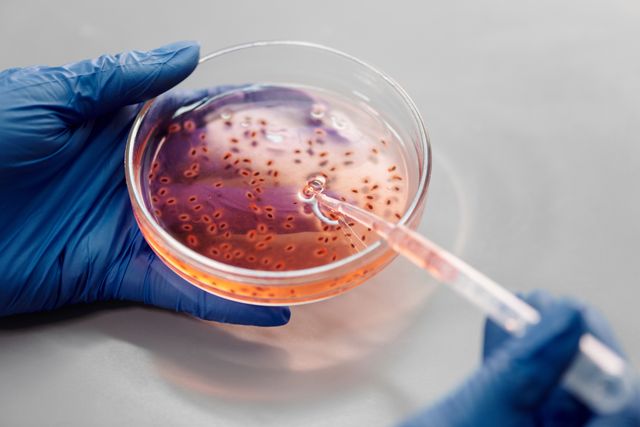
Cell-based therapies introduce a fundamentally different concept. Instead of delivering only a chemical compound or biological molecule, these therapies use living cells as the therapeutic agent. The cells themselves can be designed, selected, expanded, modified, or programmed to perform a particular biological function after being introduced into a patient.
This shift has created a new category of medicine sometimes described as living therapeutics. A therapeutic cell can potentially sense its environment, communicate with surrounding tissues, produce biological molecules, replace damaged cells, regulate immune activity, or perform functions that conventional drugs cannot easily reproduce.
Cell-based therapy is still an evolving field, and many approaches remain experimental. Nevertheless, the emergence of approved cellular treatments and rapidly advancing research suggests that medicine is moving toward increasingly sophisticated therapies in which living cells become active participants in treatment rather than passive targets of drugs.
What Are Cell-Based Therapies?
Cell-based therapies involve the use of living cells to prevent, treat, or potentially repair disease. The cells may come from the patient, from another individual, or from specialized laboratory-created cell lines. They can be used in relatively unmodified forms or genetically and biologically engineered before administration.
The fundamental idea is different from conventional pharmacology. A traditional drug generally has a defined chemical structure and follows a particular distribution and metabolism pattern within the body. A therapeutic cell is a dynamic biological system. Its behavior can depend on its environment, interactions with other cells, signals from surrounding tissues, and its own internal regulatory mechanisms.
This makes cell-based therapies both powerful and challenging. Their ability to respond to biological conditions creates opportunities for sophisticated treatment strategies, but it also introduces greater complexity in manufacturing, quality control, safety monitoring, and clinical use.
From Cell Transplants to Engineered Therapeutics
Cell therapy itself is not entirely new. Blood transfusions and hematopoietic stem cell transplantation have been used for decades. Bone marrow transplantation, for example, can restore blood-forming systems after certain cancers and other serious conditions.
What is changing is the level of biological engineering applied to therapeutic cells. Modern researchers can isolate specific cell populations, expand them under controlled conditions, modify their genes, alter their functional characteristics, and prepare them for targeted therapeutic applications.
This has transformed the concept of cell therapy from simply transferring cells from one location to another into a broader discipline of cellular engineering. The therapeutic cell can now be viewed as a biological platform. Scientists can attempt to program what the cell does, how it responds to its environment, and which molecules it produces.
Why Living Therapeutics Are Different From Conventional Drugs
Conventional medicines generally work through molecular interactions. A drug enters the body, reaches its target, binds to a receptor or enzyme, modifies a pathway, and is eventually metabolized or eliminated.
Living cells operate differently. They can move through tissues, communicate with neighboring cells, respond to chemical signals, and potentially remain active for extended periods.
This creates the possibility of therapies that are more dynamic. A cell could theoretically respond differently depending on what it encounters inside the body. For example, an engineered immune cell might recognize a particular biological marker and activate a therapeutic response only when that marker is present.
Such behavior is difficult to reproduce using conventional drugs because a small molecule does not inherently possess the ability to sense and adapt to its environment. At the same time, the complexity of living cells means that their behavior can be more difficult to predict. Ensuring that therapeutic cells perform the intended function without producing harmful effects is therefore a major focus of research.
Stem Cells and Regenerative Cell Therapy
Stem cells have played an important role in the development of regenerative cell therapies. Their capacity for self-renewal and differentiation makes them attractive candidates for repairing or replacing damaged tissues.
Researchers are investigating stem-cell-derived therapies for conditions involving the heart, nervous system, pancreas, retina, cartilage, and other tissues. The objective is to introduce cells that can either replace lost populations or support the body’s own repair mechanisms.
However, successful regeneration requires more than simply placing new cells into damaged tissue. The cells must survive, integrate with their surroundings, and perform the correct biological functions.
For example, replacing damaged heart muscle requires cells that can contract appropriately and establish functional connections with existing cardiac tissue. Similarly, replacing neurons requires not only generating the correct cell types but also establishing appropriate networks. These challenges explain why regenerative cell therapy remains an active area of scientific research.
CAR-T Therapy: Programming the Immune System
One of the most prominent examples of engineered cell therapy is CAR-T cell therapy. This approach uses a patient’s own T cells, which are immune cells capable of recognizing and attacking abnormal cells.
During CAR-T manufacturing, T cells are collected and genetically modified so that they express a chimeric antigen receptor, or CAR. This receptor is designed to recognize a specific target associated with cancer cells.
The modified cells are expanded in the laboratory and subsequently returned to the patient. Once inside the body, they can recognize their target and initiate an immune response.
CAR-T therapy demonstrates the central concept of living therapeutics: instead of administering a drug that directly kills cancer cells, physicians can provide engineered immune cells that actively search for and attack specific targets.
This approach has produced important clinical successes in certain blood cancers, while researchers continue to investigate how the technology can be extended to other malignancies.
The Challenge of Solid Tumors
Although engineered immune-cell therapies have demonstrated significant potential, solid tumors present additional difficulties.
Cancer cells within solid tumors can exist alongside many other cell types and can create a local environment that suppresses immune activity. Physical barriers can also make it difficult for therapeutic cells to penetrate the tumor effectively.
Researchers are therefore exploring ways to engineer immune cells that can better recognize tumor-specific signals, survive within hostile tumor environments, and maintain their activity.
Next-generation cell therapies may incorporate multiple biological functions. A cell could potentially be engineered to recognize more than one target, release therapeutic molecules, or activate under specific conditions. The goal is to create increasingly sophisticated cellular systems capable of overcoming the biological defenses developed by tumors.
Allogeneic and Off-the-Shelf Cell Therapies
Many current cell therapies use a patient’s own cells, creating a personalized manufacturing process. While this can provide advantages in terms of biological compatibility, it also makes treatment complex.
Collecting cells from each patient, modifying them, expanding them, testing them, and returning them to the patient can require specialized facilities and significant time.
Researchers are therefore developing allogeneic approaches in which cells from a donor or standardized cell line can potentially be prepared in advance and used across multiple patients.
The concept of an off-the-shelf cell therapy could make treatment more scalable and potentially reduce manufacturing time. However, immune compatibility remains a major challenge. The recipient’s immune system may recognize donor-derived cells as foreign and eliminate them. Cell engineering is being explored as a potential solution. Scientists are investigating ways to reduce immune recognition while preserving therapeutic activity.
Induced Pluripotent Stem Cells and Personalized Cell Medicine
Induced pluripotent stem cells, or iPSCs, have created another important pathway for cell-based medicine. These cells are generated by reprogramming mature cells into a pluripotent state.
Because iPSCs can potentially be produced from individual patients, they offer opportunities for developing patient-specific cellular models and potentially individualized therapies.
Researchers can differentiate iPSCs into specialized cells such as neurons, cardiac cells, retinal cells, or pancreatic cells. This allows scientists to study diseases using cells that carry aspects of an individual’s genetic background.
The technology could eventually support personalized regenerative treatments in which replacement cells are created from a patient’s own biological material.
However, generating and manufacturing patient-specific cellular products at therapeutic scale remains technically demanding. Genetic stability, differentiation efficiency, cell purity, and long-term safety must all be carefully evaluated.
Cell Therapy for Tissue Repair
One of the broader goals of cell-based medicine is to repair tissues that cannot regenerate effectively on their own. Scientists are investigating whether transplanted cells can replace damaged populations or release biological signals that encourage natural repair.
Some therapeutic cells may not need to permanently integrate into the tissue to produce beneficial effects. Instead, they may influence the surrounding environment through signaling molecules. This distinction is important because cell therapy can work through several mechanisms.
Cells may replace missing cells, stimulate endogenous repair, regulate inflammation, alter immune responses, or provide supportive factors. Understanding which mechanism is responsible for a therapeutic effect is essential for designing more predictable treatments.
Cell-Based Therapies in Autoimmune Disease
The immune system is another major target for cellular therapies. Autoimmune diseases occur when immune responses become directed against the body’s own tissues. Conventional medicines can suppress or modify immune activity, but broad immune suppression can increase susceptibility to infections and other complications.
Researchers are exploring whether specific cellular therapies could modify immune responses more precisely. Certain immune-cell populations may be expanded or engineered to regulate harmful immune activity.
The emerging concept of immune tolerance is particularly interesting. Rather than suppressing the entire immune system, future cellular therapies may attempt to restore more selective tolerance toward particular biological targets.
This area remains scientifically challenging, but it demonstrates how living cells could potentially function as highly targeted regulators of complex biological systems.
Cell Therapy and Neurological Disorders
The nervous system has also become an important area of cell-based research. Many neurological disorders involve the loss or dysfunction of specific cell populations. Researchers are investigating whether stem-cell-derived neurons or supporting cell types can replace damaged cells or modify the biological environment around them.
Conditions involving dopamine-producing neurons, for example, have been studied using stem-cell-derived neural cells. Other research focuses on spinal cord injury, neurodegenerative diseases, and retinal disorders.
The complexity of the nervous system makes these applications particularly challenging. New cells must not only survive but also establish appropriate connections and integrate with existing neural circuits.
Nevertheless, advances in cellular differentiation and tissue engineering are gradually improving researchers’ ability to generate specialized neural cells.
Manufacturing Living Medicines
Producing a conventional pharmaceutical generally involves creating a chemically defined compound and ensuring that every batch meets strict specifications. Cell-based therapies require a fundamentally different manufacturing approach.
Cells are living systems, and their characteristics can change depending on culture conditions, genetic background, processing methods, and storage.
Manufacturers must carefully control cell identity, purity, viability, potency, genetic stability, and contamination. The manufacturing process itself becomes part of the therapeutic product.
Cryopreservation and transportation also create unique challenges. Cells must remain viable and functionally appropriate during storage and delivery. The development of standardized manufacturing platforms is therefore essential if cell-based therapies are to move from specialized treatments toward broader clinical use.
Safety and Long-Term Monitoring
The complexity of cell-based therapies introduces several safety considerations. Unwanted immune reactions, abnormal cell growth, unintended differentiation, genetic alterations, and unexpected biological activity are among the concerns researchers must evaluate.
For genetically modified cells, scientists must also investigate whether genetic changes occur at unintended locations or create undesirable cellular behavior.
Long-term monitoring can be particularly important because some therapeutic cells may persist inside the body for extended periods. This is fundamentally different from many conventional drugs, which can eventually be metabolized and eliminated.
Safety testing therefore needs to consider not only what the cells do immediately after administration but also how they behave over time.
Artificial Intelligence and the Next Generation of Cell Therapies
Artificial intelligence is increasingly being integrated into cellular medicine. Cell manufacturing generates large datasets involving microscopy, gene expression, cellular phenotypes, growth patterns, and functional measurements.
Machine learning can help researchers identify cellular characteristics associated with successful therapeutic outcomes. AI-based imaging systems may also detect abnormal cell populations or changes in morphology that are difficult to identify consistently through manual inspection.
Computational models could eventually assist with predicting how engineered cells will behave under different conditions. This could help optimize cell manufacturing and improve consistency between therapeutic batches.
The convergence of AI and cell engineering may ultimately allow researchers to design therapeutic cells with increasingly precise biological functions.
The Future of Living Therapeutics
The long-term vision of cell-based medicine extends beyond replacing damaged cells. Researchers are increasingly exploring the possibility of creating cells that behave like biological machines.
A future therapeutic cell might be designed to recognize a disease-associated signal, activate only under particular conditions, produce a therapeutic molecule, communicate with surrounding cells, and then deactivate when its function is no longer required.
Such systems could potentially provide a degree of biological adaptability that conventional drugs cannot easily achieve.
The field may also move toward combination therapies in which engineered cells are used alongside conventional medicines, gene therapies, biomaterials, and digital monitoring systems. Rather than replacing pharmacology entirely, living therapeutics may become another major layer within precision medicine.
Conclusion: From Drugs That Act on Cells to Cells That Act as Medicine
Cell-based therapies represent a fundamental evolution in the way medicine can be designed. Conventional drugs introduce molecules that influence biological pathways, while living therapeutics introduce cells capable of participating directly in those biological processes.
Stem-cell-derived therapies are opening possibilities for tissue regeneration, while engineered immune cells such as CAR-T cells demonstrate how cellular systems can be programmed to recognize and attack specific targets. Patient-derived cells, gene editing, biomaterials, and artificial intelligence are adding further layers of precision to the field.
Significant challenges remain. Manufacturing complexity, immune compatibility, safety, scalability, cost, and long-term biological behavior must all be addressed before many experimental therapies can reach widespread clinical use.
Nevertheless, the underlying concept is transformative. Medicine may increasingly move from designing substances that act upon the body toward designing living systems that actively participate in healing. As cellular engineering becomes more sophisticated, the boundary between biotechnology and medicine will continue to narrow, creating a future in which living cells themselves become programmable therapeutic tools.
Online Internship with Certificate
You may be interested

Autophagy and Cellular Maintenance: Understanding the Body’s Internal Recycling System
Anshika Jain - October 8, 2026The human body is constantly engaged in a process of construction, maintenance and renewal. Every cell contains thousands of molecular components that must be produced, transported, repaired…

Geroscience: Why Scientists Are Studying Aging as a Modifiable Biological Process
Anshika Jain - October 8, 2026Aging has traditionally been regarded as an unavoidable biological process that gradually reduces the body's ability to function and recover. As people grow older, the risk of…

Regenerative Medicine and Aging: Can Tissue Repair Become a Longevity Strategy?
Anshika Jain - October 8, 2026Aging has traditionally been understood as an unavoidable biological process characterized by the gradual decline of cellular and organ function. As the body becomes older, tissues lose…
Most from this category

Synthetic Biology and Healthcare: Designing Biological Systems for Medical Applications
Anshika Jain - October 8, 2026
Lab-Grown Tissues: How Biotechnology Is Redefining the Boundaries of Medical Research
Anshika Jain - October 8, 2026
Polygenic Risk Scores: Can Thousands of Genetic Variants Improve Disease-Risk Assessment?
Anshika Jain - October 6, 2026
Genomic Revolution in Healthcare: From Genetic Risk Scores to Personalized Medicine
Anshika Jain - October 6, 2026
Synthetic Biology and Healthcare: Designing Biological Systems for Medical Applications
Anshika Jain - October 8, 2026Lab-Grown Tissues: How Biotechnology Is Redefining the Boundaries of Medical Research
Anshika Jain - October 8, 2026Polygenic Risk Scores: Can Thousands of Genetic Variants Improve Disease-Risk Assessment?
Anshika Jain - October 6, 2026




.png)
Leave a Comment
You must be logged in to post a comment.