
Geroscience: Why Scientists Are Studying Aging as a Modifiable Biological Process

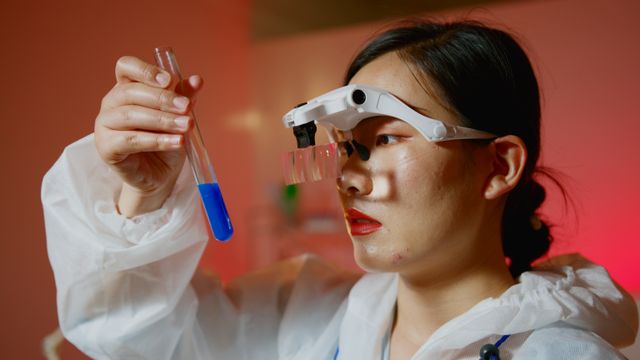
Aging has traditionally been regarded as an unavoidable biological process that gradually reduces the body’s ability to function and recover. As people grow older, the risk of cardiovascular disease, cancer, neurodegenerative disorders, diabetes, osteoporosis, frailty and many other chronic conditions generally increases. Conventional medicine has largely approached these conditions individually, attempting to diagnose and treat each disease after it emerges. Geroscience represents a different scientific perspective. Rather than asking only why a particular age-related disease develops, geroscience investigates the biological processes of aging that may increase vulnerability to many diseases simultaneously.
This field is based on a powerful idea: although chronological aging cannot be stopped, some of the biological mechanisms associated with aging may be modifiable. Scientists are therefore studying whether interventions that influence fundamental aging processes could delay the onset of multiple age-related diseases at the same time. The objective is not simply to make people live longer, but to understand whether the period of life spent in good health can be extended.
Geroscience sits at the intersection of aging biology, molecular biology, genetics, medicine, neuroscience, immunology and systems biology. It examines aging as a complex biological phenomenon involving interacting cellular and molecular changes. By understanding these mechanisms, researchers hope to develop strategies that maintain physiological resilience and reduce the accumulation of age-associated damage.
What Is Geroscience?
Geroscience is a multidisciplinary field focused on understanding the relationship between biological aging and chronic disease. Its central premise is that aging itself can influence the development and progression of numerous diseases. Instead of treating cardiovascular disease, dementia, metabolic disorders and other conditions as completely independent problems, geroscience investigates whether shared biological mechanisms contribute to all of them.
This approach does not mean that aging is considered a disease in itself. Rather, aging is studied as a major biological context that changes how cells, tissues and organs respond to stress. As the body ages, its ability to repair damage, maintain cellular quality and adapt to physiological challenges can decline. These changes may create conditions in which diseases become more likely.
The field therefore seeks to identify biological pathways that influence the rate at which age-related decline occurs. If these pathways can be modified safely, researchers believe it may be possible to delay several age-associated diseases simultaneously.
From Disease-Specific Medicine to Aging Biology
Modern medicine has achieved remarkable progress by developing treatments for individual diseases. Blood pressure medications, cholesterol-lowering therapies, cancer treatments and diabetes therapies can significantly improve outcomes. However, people rarely experience aging-related diseases in isolation. Older adults may simultaneously experience cardiovascular disease, metabolic dysfunction, loss of muscle mass, cognitive decline and other conditions.
Treating each disease separately can therefore create a fragmented healthcare model. Geroscience proposes investigating the underlying biological processes that make multiple diseases more likely in the first place.
This does not replace conventional medicine. Instead, it potentially adds a preventive layer. If scientists can identify mechanisms that increase vulnerability to several age-related disorders, interventions targeting those mechanisms could complement disease-specific treatments.
The concept is similar to addressing a common underlying pathway rather than repeatedly treating separate downstream consequences. It is one of the reasons geroscience has become increasingly important in modern aging research.
The Biological Hallmarks of Aging
Scientists have identified several interconnected biological processes associated with aging. These processes are often described through the framework known as the hallmarks of aging. They include genomic instability, telomere attrition, epigenetic alterations, loss of protein quality control, impaired nutrient sensing, mitochondrial dysfunction, cellular senescence, stem cell exhaustion, altered intercellular communication and other related mechanisms.
These processes do not operate independently. A change in one biological system can influence several others. Mitochondrial dysfunction, for example, can alter cellular metabolism and increase oxidative stress, while chronic inflammatory signaling can influence tissue regeneration and immune function.
This interconnectedness is one of the defining features of geroscience. Researchers are attempting to understand aging not as a single pathway but as a dynamic biological network. Such an approach may eventually allow scientists to identify intervention points that influence several aspects of age-related decline simultaneously.
Cellular Senescence and the Aging Process
Cellular senescence has become one of the major research areas within geroscience. A senescent cell has generally entered a state in which it no longer divides normally but remains metabolically active. Senescence can be beneficial in certain situations because it can prevent damaged cells from continuing to proliferate. However, the accumulation of senescent cells with age may have harmful consequences.
Senescent cells can release a collection of signaling molecules and other factors collectively associated with the senescence-associated secretory phenotype. These signals can influence neighboring cells and contribute to inflammatory changes in tissues.
Researchers are investigating whether selectively reducing harmful senescent cell populations or modifying their secretory behavior could improve tissue function. Compounds designed to selectively target senescent cells are commonly referred to as senolytics, while approaches intended to alter senescent-cell behavior are sometimes described as senomorphic strategies.
These approaches remain an active area of research. The biological diversity of senescent cells means that eliminating every senescent cell would not necessarily be desirable. Some forms of senescence serve important physiological functions, making precision a central challenge.
Chronic Inflammation and Biological Aging
Inflammation is another major area of geroscience research. Acute inflammation is an essential defense mechanism that helps the body respond to infections and injuries. However, persistent low-level inflammatory activity can become harmful when it continues for long periods.
Aging is frequently associated with a state sometimes described as inflammaging, referring to chronic, low-grade inflammatory activity that may contribute to age-related dysfunction. Persistent inflammatory signals can influence blood vessels, metabolism, immune function, muscle tissue and the nervous system.
Researchers are therefore investigating how aging-related changes in immune regulation contribute to disease. Understanding these mechanisms could lead to interventions that preserve appropriate immune responses while reducing chronic inflammatory activity.
The goal is not to eliminate inflammation. A healthy immune system needs inflammatory responses to defend against threats and repair damage. The challenge is maintaining an appropriate balance between effective defense and excessive persistent activation.
Mitochondria and Cellular Energy
Mitochondria are essential structures responsible for producing much of the energy required by cells. They also participate in cellular signaling, metabolism and programmed cell death. As organisms age, mitochondrial structure and function can change.
Mitochondrial dysfunction has therefore become an important area of aging research. Scientists are studying how altered mitochondrial metabolism, impaired quality control and changes in mitochondrial signaling influence cellular resilience.
One important concept is mitochondrial quality control. Cells possess mechanisms for identifying and removing dysfunctional mitochondria. When these systems become less efficient, damaged mitochondria may accumulate.
Researchers are investigating whether improving mitochondrial maintenance could help preserve cellular function. However, the relationship between mitochondria and aging is complex, and mitochondrial changes can be both causes and consequences of other aging-related processes.
Loss of Proteostasis and Cellular Quality Control
Proteostasis refers to the systems that maintain the correct production, folding, transport and removal of proteins. Proteins are essential for nearly every cellular function, and their structure must be carefully controlled.
With age, protein quality-control systems may become less effective. Misfolded or damaged proteins can accumulate, potentially disrupting cellular function. This process is particularly relevant to neurodegenerative diseases in which abnormal protein accumulation is associated with neuronal dysfunction.
Geroscience therefore examines whether maintaining protein quality could improve cellular resilience. Research into molecular chaperones, protein degradation systems and autophagy is helping scientists understand how cells preserve internal quality and why these systems may decline with age.
Autophagy, for example, is a cellular recycling process that helps remove damaged components. Changes in autophagy have been associated with aging across multiple organisms, making it an important area of investigation.
Stem Cell Exhaustion and Reduced Tissue Repair
Tissues depend on stem and progenitor cells to maintain themselves and respond to injury. Over time, the regenerative capacity of these cells can decline. This phenomenon is particularly important for tissues that rely heavily on continuous cellular replacement.
Reduced stem cell function can contribute to weaker tissue repair, impaired immune-cell production and declining muscle regeneration. The surrounding tissue environment can also influence stem cell behavior.
Geroscience therefore investigates not only the stem cells themselves but also the biological signals that regulate them. Restoring an environment that supports appropriate regeneration could potentially improve tissue resilience without requiring permanent replacement of the stem cell population.
This connects geroscience with regenerative medicine, where researchers are investigating stem cells, tissue engineering, biomaterials and cellular therapies as potential tools for restoring damaged tissues.
Epigenetic Changes and the Biological Clock
Aging also involves changes in gene regulation. Epigenetic mechanisms influence which genes are active or inactive without changing the underlying DNA sequence. These mechanisms include DNA methylation, histone modifications and other regulatory processes.
Scientists have identified patterns of epigenetic change that correlate with chronological age. These patterns have contributed to the development of what are often called epigenetic clocks, which attempt to estimate biological age using molecular information.
The concept of biological age is particularly interesting because chronological age alone does not fully describe an individual’s physiological condition. Two people who are the same chronological age can have substantially different biological characteristics.
Epigenetic clocks are therefore being studied as potential research tools for evaluating whether interventions influence biological aging. However, changes in an aging biomarker do not automatically demonstrate that an intervention extends healthy human life. Establishing meaningful clinical outcomes remains essential.
Nutrient Sensing and Metabolic Regulation
Cells constantly monitor the availability of nutrients and energy. Signaling pathways involving molecules such as insulin, insulin-like growth factor, mTOR, AMPK and sirtuins help regulate growth, metabolism, stress responses and cellular maintenance.
These pathways have attracted considerable interest because research in model organisms has shown that altering certain nutrient-sensing mechanisms can influence lifespan and healthspan.
One extensively studied area is caloric restriction and related metabolic interventions. Research across multiple organisms has suggested that changes in nutrient availability can influence cellular maintenance and stress-response pathways. However, translating findings from laboratory models into safe and effective human interventions is complex.
Geroscience therefore focuses not only on whether a particular pathway can influence lifespan but also on understanding how metabolic regulation interacts with the broader biology of aging.
Geroscience and the Concept of Healthspan
One of the most important concepts in geroscience is healthspan. Lifespan refers to the total length of life, whereas healthspan describes the period during which a person maintains relatively good physical, cognitive and functional health.
Extending healthspan may be a more realistic and medically meaningful objective than simply increasing lifespan. If aging-related biological mechanisms can be modified, researchers hope that people may remain independent and functional for a greater proportion of their lives.
This distinction is particularly important as populations around the world age. Longer life expectancy creates new demands on healthcare systems, families and social infrastructure. Preventing or delaying multiple age-related diseases could have significant implications for quality of life and healthcare resources.
Artificial Intelligence and the Future of Geroscience
The complexity of aging makes it an attractive area for computational research. Modern biological datasets can contain enormous amounts of genomic, transcriptomic, proteomic, metabolomic and clinical information. Artificial intelligence and machine learning can help researchers identify relationships within these datasets that may be difficult to detect using conventional approaches.
AI can potentially assist in identifying biomarkers of biological aging, predicting disease risk and discovering relationships between molecular pathways. It may also help researchers analyze how different interventions affect interconnected biological systems.
However, computational predictions must ultimately be tested experimentally and clinically. An algorithm can identify a promising association, but biological validation is required to determine whether that relationship represents a meaningful causal mechanism.
The Challenge of Turning Geroscience Into Medicine
Despite growing scientific interest, translating geroscience into clinical practice remains challenging. Aging is extraordinarily complex, and an intervention that affects one pathway may have consequences elsewhere in the body.
Another challenge is determining how to measure aging itself. Chronological age is easy to calculate, but biological aging is multidimensional. Researchers must determine which biomarkers genuinely predict functional decline and which merely correlate with age.
Clinical trials also need appropriate endpoints. If the goal is to delay several diseases simultaneously, traditional disease-specific trial designs may not always be sufficient. Researchers are developing new approaches to evaluate whether interventions can meaningfully influence multiple age-related outcomes.
Safety is equally important. An intervention that changes fundamental cellular pathways must be evaluated carefully because many mechanisms associated with aging also perform essential functions during normal physiology.
Is Aging Really Modifiable?
The word “modifiable” requires careful interpretation. Geroscience does not demonstrate that human aging can currently be stopped or reversed. Instead, it investigates whether the rate and consequences of biological aging can be influenced.
Evidence from basic research provides strong reasons to investigate this possibility. Biological aging involves pathways that can be experimentally altered, and interventions in laboratory organisms have demonstrated that changes in certain pathways can affect lifespan and health-related outcomes.
Human biology, however, is more complex. An intervention that produces dramatic effects in a laboratory model may not produce the same outcome in people. Differences in genetics, environment, lifestyle, disease burden and physiology can influence responses.
The future of geroscience will therefore depend on rigorous human research rather than relying solely on laboratory evidence.
The Future of Aging Research
Geroscience could gradually transform aging research from a primarily descriptive science into a more intervention-oriented field. Instead of simply documenting the biological changes that occur with age, scientists are increasingly attempting to identify mechanisms that can potentially be modified.
The future may involve combinations of interventions rather than a single universal anti-aging treatment. Therapies could potentially target cellular senescence, metabolic regulation, immune dysfunction, mitochondrial quality, regenerative capacity and other mechanisms according to an individual’s biological characteristics.
Precision medicine may therefore become increasingly connected with geroscience. Rather than treating chronological age as the primary indicator of biological vulnerability, clinicians could eventually use molecular and functional measurements to identify individuals at elevated risk of age-related decline.
Conclusion: Understanding Aging to Extend Healthy Life
Geroscience represents a significant shift in how scientists approach aging. Instead of treating every age-related disease as an entirely separate problem, it investigates the biological mechanisms that may contribute to many diseases simultaneously.
Research into cellular senescence, inflammation, mitochondrial dysfunction, proteostasis, stem cell exhaustion, epigenetic regulation and nutrient-sensing pathways is revealing that aging is governed by a complex network of biological processes. Some of these processes appear to be experimentally modifiable, creating the possibility that the rate or consequences of aging could eventually be influenced.
The ultimate promise of geroscience is not simply a longer lifespan. Its more meaningful goal is the extension of healthspan: helping people maintain physical function, cognitive capacity and resilience for a greater proportion of their lives.
Much remains unknown, and no currently available intervention should be regarded as a proven method for broadly reversing human aging. Nevertheless, by studying aging as a modifiable biological process rather than an entirely fixed phenomenon, geroscience is opening a new chapter in biomedical research. Its future may depend on whether scientists can translate increasingly sophisticated knowledge of aging biology into safe, evidence-based interventions that preserve human health across the lifespan.
Online Internship with Certificate
You may be interested

Autophagy and Cellular Maintenance: Understanding the Body’s Internal Recycling System
Anshika Jain - October 8, 2026The human body is constantly engaged in a process of construction, maintenance and renewal. Every cell contains thousands of molecular components that must be produced, transported, repaired…

Regenerative Medicine and Aging: Can Tissue Repair Become a Longevity Strategy?
Anshika Jain - October 8, 2026Aging has traditionally been understood as an unavoidable biological process characterized by the gradual decline of cellular and organ function. As the body becomes older, tissues lose…

Synthetic Biology and Healthcare: Designing Biological Systems for Medical Applications
Anshika Jain - October 8, 2026Modern medicine has traditionally worked with biology as it exists. Scientists study naturally occurring cells, proteins, genes, microorganisms, and biological pathways to understand disease and develop treatments.…
Most from this category
Cell-Based Therapies: Moving From Conventional Drugs Toward Living Therapeutics
Anshika Jain - October 8, 2026
Lab-Grown Tissues: How Biotechnology Is Redefining the Boundaries of Medical Research
Anshika Jain - October 8, 2026
Polygenic Risk Scores: Can Thousands of Genetic Variants Improve Disease-Risk Assessment?
Anshika Jain - October 6, 2026
Genomic Revolution in Healthcare: From Genetic Risk Scores to Personalized Medicine
Anshika Jain - October 6, 2026
Cell-Based Therapies: Moving From Conventional Drugs Toward Living Therapeutics
Anshika Jain - October 8, 2026Lab-Grown Tissues: How Biotechnology Is Redefining the Boundaries of Medical Research
Anshika Jain - October 8, 2026Polygenic Risk Scores: Can Thousands of Genetic Variants Improve Disease-Risk Assessment?
Anshika Jain - October 6, 2026



.png)
Leave a Comment
You must be logged in to post a comment.