
Regenerative Medicine and Aging: Can Tissue Repair Become a Longevity Strategy?

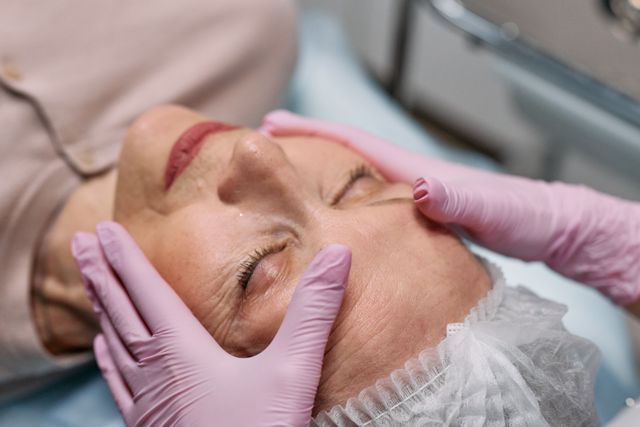
Aging has traditionally been understood as an unavoidable biological process characterized by the gradual decline of cellular and organ function. As the body becomes older, tissues lose their ability to maintain structural integrity, repair damage and restore normal function after injury. Muscles become weaker, bones lose density, skin becomes less capable of regeneration, and organs may gradually lose functional reserve. Although aging cannot currently be stopped, advances in regenerative medicine are changing the way scientists think about its consequences. Instead of focusing exclusively on preventing individual age-related diseases, researchers are increasingly investigating whether improving the body’s ability to repair damaged tissues could become an important component of healthier and potentially longer lives.
Regenerative medicine is a rapidly developing field that combines stem cell biology, tissue engineering, biomaterials, cellular therapies, gene-based technologies and developmental biology to restore or replace damaged biological structures. Its original objective was largely therapeutic: helping patients recover from injuries, degenerative diseases or organ damage. However, the connection between tissue regeneration and aging has created a much broader question. If aging is partly associated with declining regenerative capacity, could restoring some of that capacity help maintain physical function for longer?
This idea does not mean that regenerative medicine has already discovered a method for extending human lifespan. Rather, it represents an emerging scientific framework in which longevity may be approached through the preservation and restoration of tissue function. The distinction between living longer and maintaining health for longer is particularly important. Regenerative medicine may ultimately contribute more directly to extending healthspan, the period of life spent in relatively good physical and functional health, than to dramatically increasing maximum lifespan.
Why Aging Weakens the Body’s Regenerative Capacity
Human tissues are not static structures. Throughout life, cells are continuously replaced, damaged components are removed, and tissues undergo repair in response to everyday stress. This maintenance depends on sophisticated systems involving stem and progenitor cells, immune cells, extracellular matrix structures, blood vessels and signaling molecules. In young tissues, these systems can respond efficiently to injury and physiological demands. With aging, however, several interconnected changes gradually reduce their effectiveness.
One important factor is the decline in the activity and functionality of adult stem cells. Tissue-specific stem cells are responsible for replenishing certain cell populations and supporting repair. Muscle satellite cells, for example, contribute to muscle regeneration, while hematopoietic stem cells continuously generate blood and immune cells. Aging can alter the ability of these populations to divide, differentiate and respond appropriately to signals from their surrounding environment.
The tissue environment itself also changes. The extracellular matrix, which provides structural and biochemical support to cells, can become stiffer or altered in composition. Chronic low-grade inflammation can influence cellular behavior, while changes in blood supply and metabolic activity may further reduce regenerative performance. These changes create a complex feedback loop in which aging affects both the cells responsible for regeneration and the environment in which those cells operate.
Regenerative Medicine as a Strategy for Restoring Function
The central concept of regenerative medicine is not simply to replace damaged cells but to recreate the biological conditions necessary for functional recovery. Depending on the disease or tissue involved, this can involve introducing therapeutic cells, stimulating endogenous repair mechanisms, constructing tissue outside the body or using biomaterials that provide a temporary structural framework for regeneration.
For aging research, this distinction is significant. If a tissue has lost function because its cellular components have deteriorated, replacing those cells could potentially restore some capacity. However, simply introducing new cells may not be sufficient if the surrounding environment remains inflammatory, fibrotic or otherwise unsuitable for regeneration. Effective regenerative strategies therefore increasingly consider the interaction between cells, molecular signals, extracellular matrix and tissue architecture.
This systems-level perspective makes regenerative medicine particularly relevant to aging biology. Aging is not caused by a single defective cell type. It emerges from numerous interacting biological processes. Consequently, future regenerative approaches may need to address several components of tissue decline simultaneously rather than relying on a single therapeutic intervention.
Stem Cells and the Regeneration of Aging Tissues
Stem cells remain one of the most important areas of regenerative medicine research. Their ability to produce specialized cells makes them attractive candidates for repairing tissues that have limited natural regenerative capacity. Researchers are investigating different types of stem cells and their potential applications across tissues including blood, bone, cartilage, muscle, nervous tissue and the heart.
Adult stem cells are already used in established clinical settings, particularly in hematopoietic stem cell transplantation. Other applications remain experimental or are under clinical investigation. Induced pluripotent stem cells have further expanded the field because mature cells can be reprogrammed into a pluripotent state and subsequently differentiated into specialized cell types.
The potential of these technologies for aging is considerable, but their application is complex. Aging tissues may have multiple layers of damage that cannot be corrected simply by adding younger or healthier cells. Researchers therefore increasingly investigate how transplanted cells communicate with their host environment and whether their effects arise from direct tissue replacement, secreted signaling molecules or modulation of the body’s own repair mechanisms.
Tissue Engineering and the Possibility of Rebuilding Aging Organs
Some organs and tissues are difficult to repair because their architecture is highly complex. Tissue engineering attempts to address this challenge by combining cells with biomaterials and carefully designed biological environments.
Engineered tissues can potentially provide replacement structures for damaged cartilage, bone, skin and other tissues. Researchers are also exploring more sophisticated constructs that reproduce aspects of natural organs. Three-dimensional scaffolds can provide physical support while biomaterials can be designed to release signaling molecules or encourage appropriate cellular behavior.
The long-term goal is not merely to create tissue that looks biologically similar to the original but to produce tissue capable of performing its intended physiological function. This distinction is crucial for organs such as the liver, kidney, heart and nervous system, where cellular organization, vascularization and communication between different cell types are essential.
Advances in 3D bioprinting are adding another dimension to this field. By depositing cells and biomaterials in controlled patterns, researchers are exploring whether complex tissue structures can eventually be manufactured with greater precision. Although fully functional bioprinted replacement organs remain a major scientific challenge, the technology could become increasingly valuable for regenerative research, drug testing and personalized medicine.
Regeneration and the Aging Brain
The nervous system presents one of the most difficult challenges for regenerative medicine. Neurons have specialized structures and highly organized connections, making replacement more complicated than restoring many other tissues. Brain function depends not only on individual neurons but also on networks involving glial cells, blood vessels and intricate patterns of electrical and chemical communication.
Researchers are investigating whether cellular therapies, neural tissue engineering and molecular interventions could help repair damage associated with neurodegenerative conditions. Diseases such as Parkinson’s disease have become important areas of investigation because replacing or supporting specific neuronal populations could potentially address some aspects of disease-related dysfunction.
However, restoring brain tissue is fundamentally different from replacing a simple structural component. A successful therapy would need to establish appropriate connections and integrate with existing neural networks. This makes regenerative neuroscience both promising and exceptionally complex.
Can Regeneration Influence Biological Aging?
The connection between regeneration and longevity becomes particularly interesting when scientists examine the biological mechanisms that contribute to aging. Cellular senescence, mitochondrial dysfunction, genomic instability, altered cellular communication and chronic inflammation can all influence tissue deterioration.
Senescent cells are particularly relevant because they stop dividing but can remain metabolically active and release signaling molecules that influence neighboring cells. An accumulation of these cells may contribute to an environment that becomes less supportive of healthy tissue maintenance. Researchers are therefore studying approaches that selectively target senescent cells or modify their effects.
Regenerative medicine could potentially complement such approaches. Removing harmful cellular populations without restoring tissue function may not be enough, while adding new cells without correcting the surrounding environment may produce limited benefits. A future regenerative strategy could therefore involve multiple stages: modifying the aged tissue environment, reducing damaging cellular signals and then supporting tissue regeneration.
This concept illustrates why regenerative medicine should not be interpreted as a simple anti-aging treatment. It may instead become one component of a broader strategy aimed at maintaining tissue function as biological damage accumulates.
The Role of Cellular Reprogramming
Cellular reprogramming has generated considerable interest because it challenges traditional assumptions about the permanence of cellular aging. Research involving induced pluripotent stem cells demonstrated that mature cells can be returned to a pluripotent state through changes in gene regulation.
Scientists are investigating whether partial reprogramming could modify aspects of cellular aging while preserving the identity and function of mature cells. The theoretical attraction of this approach is that it might rejuvenate cellular characteristics without completely transforming cells into an embryonic-like state.
However, this field also highlights the risks associated with manipulating cell identity. Excessive or poorly controlled reprogramming could disrupt normal cellular functions and potentially increase the risk of abnormal growth. Consequently, controlled delivery, precise timing and tissue-specific regulation are central challenges.
The future of cellular rejuvenation will depend not simply on whether aging markers can be altered but on whether such changes can be achieved safely while preserving normal tissue architecture and function.
Regenerative Medicine and the Healthspan-Longevity Connection
One of the most important contributions regenerative medicine could make to longevity may be through healthspan rather than lifespan. A person may live for many years while experiencing progressive loss of mobility, organ function or independence. Extending the period during which tissues remain functional could therefore have enormous medical and social value.
Regenerative treatments for muscle, bone, cartilage, cardiovascular tissue or other organs could potentially reduce the functional consequences of age-related damage. Instead of viewing aging primarily through the number of years a person lives, regenerative medicine encourages researchers to examine whether biological systems can maintain functional performance for longer.
This approach also changes the meaning of preventive healthcare. Traditional prevention attempts to reduce the probability of disease. Regenerative strategies may eventually add another layer by improving the body’s ability to recover after damage occurs.
Personalized Regenerative Medicine
Aging does not occur identically in every individual. Two people of the same chronological age can have substantially different levels of cardiovascular fitness, muscle function, immune activity and tissue health. Regenerative medicine may therefore become increasingly personalized.
Advances in genomics, single-cell analysis, molecular profiling and artificial intelligence are enabling researchers to examine biological differences at increasingly detailed levels. Scientists can investigate which cellular populations are dysfunctional, how tissues communicate and which molecular pathways are altered in a particular patient.
In the future, regenerative therapies could potentially be designed according to an individual’s biological characteristics rather than relying entirely on standardized treatment approaches. Personalized cell populations, patient-derived tissues and individualized biomaterials could contribute to this model.
Such developments could also reduce dependence on animal models for certain stages of research. Patient-derived organoids and engineered tissues can provide platforms for studying disease mechanisms and evaluating potential regenerative interventions under controlled laboratory conditions.
Major Scientific and Clinical Challenges
Despite its promise, regenerative medicine remains far from providing a universal solution to aging. One of the biggest challenges is achieving predictable integration of regenerated tissue with the existing body. New cells must survive, receive appropriate nutrients and signals, communicate with neighboring cells and perform their intended functions over long periods.
Safety is another major concern. Cell-based therapies can carry risks including abnormal cell growth, immune reactions, unintended differentiation and inappropriate tissue formation. Gene-based interventions introduce additional considerations surrounding the precision and durability of genetic modification.
Manufacturing is also a significant challenge. Producing therapeutic cells and tissues consistently at clinical scale requires strict quality control. Cells may behave differently depending on their culture conditions, passage history and biological source. Ensuring reproducibility is essential before regenerative therapies can become broadly accessible.
There is also the issue of evidence. A therapy that improves a molecular marker of aging is not necessarily a therapy that improves health or extends life. Clinical research must therefore distinguish between biological indicators, functional outcomes and meaningful long-term benefits.
Ethical Questions Around Longevity and Regeneration
As regenerative technologies become more sophisticated, ethical questions will become increasingly important. If advanced regenerative therapies can significantly improve tissue function, access and affordability may become major concerns. Technologies capable of extending healthy function could initially be expensive and available only to a limited population.
There are also questions about how society should define acceptable interventions for aging. Treating severe tissue damage is widely understood as a medical objective, while using biotechnology to enhance biological performance beyond normal aging raises more complicated questions.
Another concern involves unregulated clinics offering experimental stem cell or regenerative treatments without sufficient evidence. The popularity of regenerative medicine has created a market in which scientific terminology can sometimes be used to promote interventions that have not been adequately validated. Responsible progress requires strong clinical evidence, transparent communication and appropriate regulatory oversight.
The Future of Regenerative Medicine as a Longevity Strategy
The future of regenerative medicine may not involve a single breakthrough that reverses aging. Instead, progress is more likely to emerge from the convergence of several technologies. Stem cell biology, tissue engineering, biomaterials, gene regulation, cellular reprogramming, artificial intelligence and precision medicine could increasingly operate as interconnected components of regenerative healthcare.
Scientists may eventually be able to identify early signs of tissue decline, determine which cellular systems are malfunctioning and intervene before substantial irreversible damage occurs. Regenerative therapies could then become part of a broader medical framework focused on maintaining tissue quality throughout life.
The most important shift may be conceptual. Rather than asking only how to prevent people from developing age-related diseases, researchers are increasingly asking how the body can maintain its ability to repair itself. If tissue maintenance and regeneration can be improved safely, some consequences of aging may become more manageable.
Conclusion: From Treating Damage to Maintaining Biological Function
Regenerative medicine offers a fundamentally different perspective on aging. Instead of viewing tissue deterioration solely as an inevitable consequence of passing time, it explores whether declining repair capacity can be measured, supported and potentially restored.
Stem cells, engineered tissues, biomaterials, cellular reprogramming and advanced molecular technologies are providing scientists with increasingly sophisticated tools for studying and manipulating regeneration. Yet the field remains experimental in many areas, and claims that regenerative medicine can currently reverse aging or dramatically extend human lifespan would go beyond the available evidence.
Its most realistic near-term contribution may be the preservation of health and function. Repairing damaged tissues, restoring lost cellular populations and improving the body’s capacity to recover from injury could help address some of the biological consequences of aging. In the longer term, regenerative medicine may become one part of a larger longevity framework that combines prevention, precision medicine, cellular therapies and tissue maintenance.
The central question is therefore not simply whether humans can live longer. But whether biological tissues can remain functional for longer. If researchers can learn how to preserve and restore the body’s regenerative machinery safely. Tissue repair could become an important component of the future of healthy aging.
Online Internship with Certificate
You may be interested

Autophagy and Cellular Maintenance: Understanding the Body’s Internal Recycling System
Anshika Jain - October 8, 2026The human body is constantly engaged in a process of construction, maintenance and renewal. Every cell contains thousands of molecular components that must be produced, transported, repaired…

Geroscience: Why Scientists Are Studying Aging as a Modifiable Biological Process
Anshika Jain - October 8, 2026Aging has traditionally been regarded as an unavoidable biological process that gradually reduces the body's ability to function and recover. As people grow older, the risk of…

Synthetic Biology and Healthcare: Designing Biological Systems for Medical Applications
Anshika Jain - October 8, 2026Modern medicine has traditionally worked with biology as it exists. Scientists study naturally occurring cells, proteins, genes, microorganisms, and biological pathways to understand disease and develop treatments.…
Most from this category
Cell-Based Therapies: Moving From Conventional Drugs Toward Living Therapeutics
Anshika Jain - October 8, 2026
Lab-Grown Tissues: How Biotechnology Is Redefining the Boundaries of Medical Research
Anshika Jain - October 8, 2026
Polygenic Risk Scores: Can Thousands of Genetic Variants Improve Disease-Risk Assessment?
Anshika Jain - October 6, 2026
Genomic Revolution in Healthcare: From Genetic Risk Scores to Personalized Medicine
Anshika Jain - October 6, 2026
Cell-Based Therapies: Moving From Conventional Drugs Toward Living Therapeutics
Anshika Jain - October 8, 2026Lab-Grown Tissues: How Biotechnology Is Redefining the Boundaries of Medical Research
Anshika Jain - October 8, 2026Polygenic Risk Scores: Can Thousands of Genetic Variants Improve Disease-Risk Assessment?
Anshika Jain - October 6, 2026


.png)
Leave a Comment
You must be logged in to post a comment.