

Science of Oral Processing: How Chewing, Saliva and Eating Speed Influence Digestion
Anshika Jain - October 20, 2026Eating is often treated as a simple process of consuming food to satisfy hunger and provide energy. However, digestion begins long before food reaches the stomach. The…
Amino Acid Sensing and mTOR Signalling: Cells Respond to Protein Availability
Anshika Jain - October 20, 2026Every cell in the human body must continuously assess whether sufficient nutrients are available to maintain its functions, repair damage, and produce new cellular components. Among these…

Lipid Signalling Network: Cellular Communication and Metabolic Regulation
Anshika Jain - October 20, 2026Dietary fats are commonly discussed in terms of energy storage, cardiovascular health, and their contribution to cell membranes. However, their biological importance extends far beyond these familiar…

Metabolic Fate of Fructose: Liver Processes Different Sources of Dietary Sugar
Anshika Jain - October 20, 2026Fructose is a naturally occurring simple sugar found in fruits, certain vegetables, honey, and many sweetened foods and beverages. It is also a component of sucrose, commonly…

Spectroscopy Meets Artificial Intelligence: Approach to Detecting Food Adulteration
Anshika Jain - October 20, 2026Food adulteration remains a major challenge for food safety, consumer protection, and supply chain transparency. From the addition of cheaper oils to premium edible oils to the…
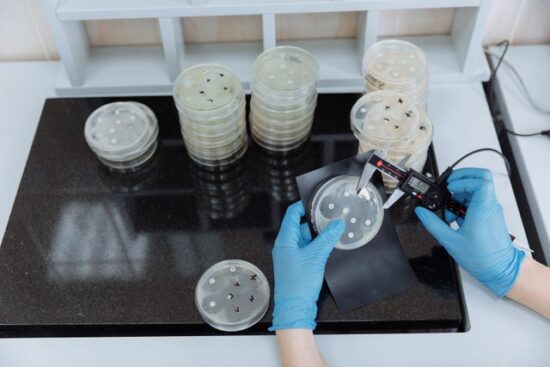
Rise of Intelligent Biosensors: Detecting Foodborne Pathogens
Anshika Jain - October 20, 2026Food safety is one of the most important challenges facing modern food production, distribution, and public health. Every day, agricultural products, processed foods, beverages, and ready-to-eat meals…

First-Pass Metabolism of Nutrients: Intestine and Liver Transform What We Eat
Anshika Jain - October 15, 2026The journey of nutrients does not end when food has been digested and absorbed. Before many nutrients reach the wider circulation and become available to tissues throughout…

Endocrine Architecture of Eating: Gut Hormones Coordinate Nutrient Processing
Anshika Jain - October 15, 2026Eating is often understood as a simple response to hunger or a way to obtain energy. In reality, food intake is regulated by a sophisticated biological communication…

Metabolic Cost of Digestion: Diet-Induced Thermogenesis Beyond Calorie Intake
Anshika Jain - October 15, 2026Food provides the energy required to maintain body temperature, support physical activity, regulate organ function, and sustain cellular processes. However, the energy obtained from food is not…

Food Matrix Effects: Food Can Matter as Its Nutrient Composition
Anshika Jain - October 15, 2026When evaluating the nutritional value of a food, people commonly focus on its nutrient composition, including calories, protein, carbohydrates, fats, vitamins, and minerals. However, nutrition involves more…
.png)