
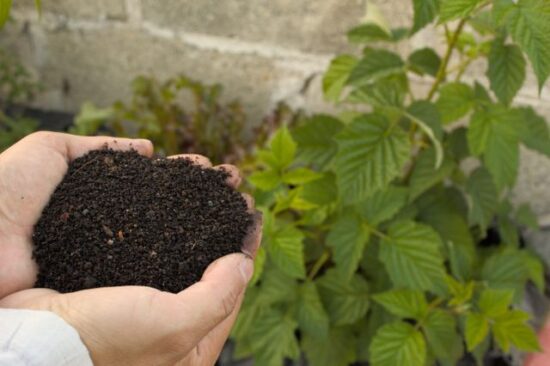
Biology of Nutrient Competition: Minerals Interact During Absorption
Anshika Jain - October 15, 2026Nutrition is often described in terms of the vitamins, minerals, proteins, carbohydrates, and fats that the body receives from food. However, consuming a nutrient does not automatically…

Enterohepatic Circulation of Nutrients: Intestine Coordinate Metabolic Recycling
Anshika Jain - October 15, 2026The human digestive system does considerably more than break food into smaller molecules and absorb nutrients. It also operates an intricate recycling network that enables the body…

Quantified Human: When Health Becomes a Stream of Biological Data
Anshika Jain - October 14, 2026Human health has traditionally been understood through occasional medical examinations, laboratory investigations, physical symptoms and consultations with healthcare professionals. A person might visit a doctor when experiencing…

Architecture of Human Resilience: How Genetics and Behaviour Interact
Anshika Jain - October 14, 2026Human resilience is often described as the ability to recover from adversity, adapt to challenges, and maintain health despite difficult circumstances. However, resilience is not simply a…
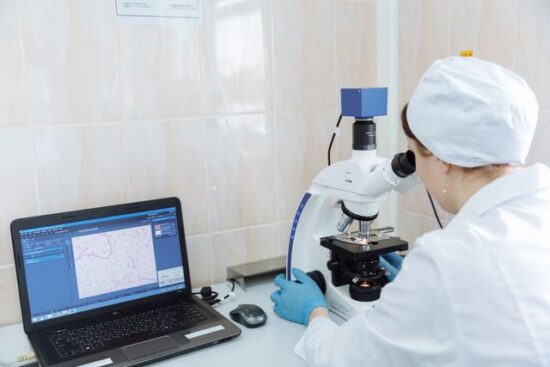
From Reactive Medicine to Predictive Biology: Computational Transformation of Healthcare
Anshika Jain - October 14, 2026For much of modern medical history, healthcare has operated through a largely reactive model. Patients develop symptoms, consult clinicians, undergo diagnostic tests, and receive treatment after a…
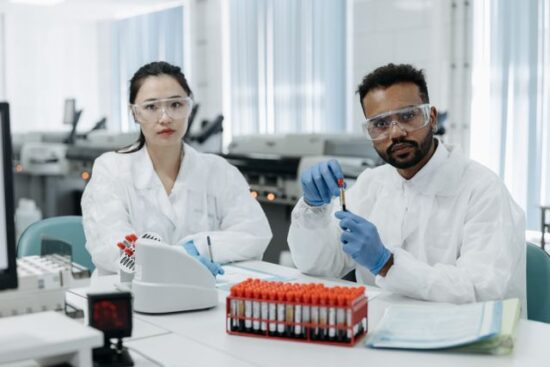
From Biomarkers to Biological Signatures: Comprehensive Measures of Human Health
Anshika Jain - October 14, 2026Modern medicine relies heavily on biomarkers to understand what is happening inside the human body. A blood glucose measurement can help identify problems with glucose regulation, cholesterol…

Virtual Wards: Could Digital Monitoring Reduce the Need for Traditional Hospitalization?
Anshika Jain - October 14, 2026Traditional hospitals have long been the centre of acute medical treatment, providing patients with access to doctors, nurses, diagnostic services, medications, and continuous observation. For many conditions,…
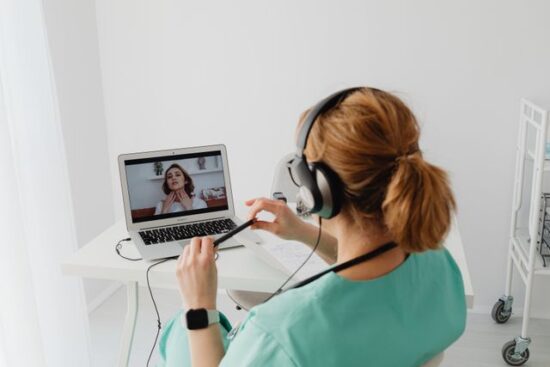
Remote Patient Monitoring: How Healthcare Is Extending Into the Home
Anshika Jain - October 14, 2026For decades, healthcare has largely depended on patients visiting hospitals, clinics, and diagnostic centres to receive medical attention. Doctors examine symptoms during consultations, review test results, prescribe…

Extreme Heat and Human Physiology: How the Body Responds to a Warming World
Anshika Jain - October 13, 2026Extreme heat is becoming an increasingly important public health challenge as global temperatures rise and heatwaves become more frequent or intense in many regions. High temperatures affect…
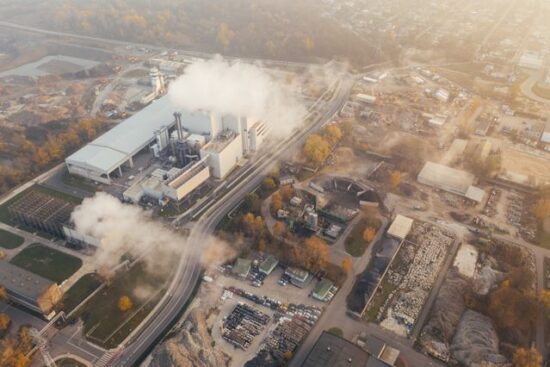
Exposome and Urban Health: How Air, Noise, Chemicals and Lifestyle Interact
Anshika Jain - October 13, 2026Urban life offers access to education, employment, healthcare, transportation, and modern infrastructure. However, living in a city also exposes people to a complex combination of environmental conditions…
.png)