

Visceral Fat Biology: Hidden Fat and Its Health Risks
Anshika Jain - July 2, 2026Body fat has traditionally been viewed as a passive storage site for excess energy, serving primarily as a reserve of calories during periods of food scarcity. However,…

Gene Editing Technologies: CRISPR, Applications, Benefits, and Ethical Challenges
Anshika Jain - July 2, 2026Gene editing technologies represent one of the most transformative scientific advances of the twenty-first century. These powerful molecular tools enable scientists to precisely modify an organism's genetic…

Peak Performance Physiology: The Science Behind Human Performance
Anshika Jain - July 1, 2026Peak performance is often associated with elite athletes breaking world records, military personnel operating under extreme conditions, or professionals maintaining exceptional productivity under pressure. However, from a…

Remote Patient Monitoring: Transforming Healthcare Through Connected Care
Anshika Jain - July 1, 2026Healthcare systems around the world are undergoing a profound digital transformation, driven by advances in information technology, wearable sensors, artificial intelligence, wireless communication, and data analytics. Among…

FOXO Transcription Factors: Aging, Metabolism, and Cellular Health
Anshika Jain - July 1, 2026The ability of cells to survive environmental stress, regulate metabolism, repair damaged DNA, maintain tissue integrity, and adapt to changing physiological conditions depends on highly coordinated gene…
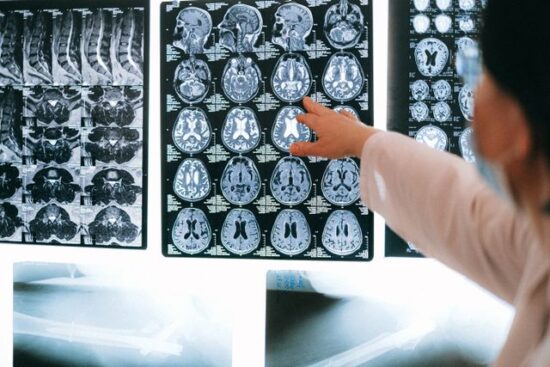
Brain-derived neurotrophic factor
Anshika Jain - July 1, 2026The human brain possesses an extraordinary ability to adapt, learn, recover from injury, and reorganize itself throughout life. This remarkable capability, known as neuroplasticity, depends on a…

Muscle Hypertrophy Signaling: Science of Muscle Growth
Anshika Jain - July 1, 2026Muscle hypertrophy, commonly referred to as muscle growth, is one of the most extensively studied adaptations to resistance training. Beyond its importance in athletic performance and bodybuilding,…

Breathwork and physiological regulation
Anshika Jain - June 29, 2026Breathing is one of the few physiological processes that occurs both automatically and under conscious control. Every minute of every day, the respiratory system supplies oxygen to…

Injury prevention through biomechanics
Anshika Jain - June 29, 2026Injury prevention is one of the primary goals in sports medicine, physical therapy, rehabilitation, and exercise science. Whether an individual is a professional athlete, recreational runner, fitness…

Are calorie counts sufficient for health?
Anshika Jain - June 29, 2026For more than a century, calories have served as the cornerstone of nutritional science and weight management. The concept appears simple: consume more calories than the body…
.png)