
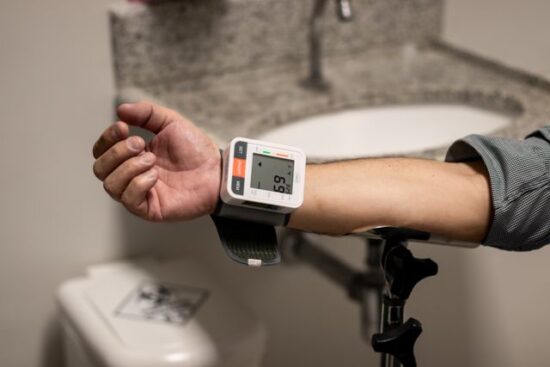
Why Blood Pressure Awareness Matters Even Before Symptoms Appear
Anshika Jain - September 28, 2026Blood pressure is one of the most important indicators of cardiovascular health, yet it is often overlooked until a medical concern arises. Many people assume that they…

Can Household Chores Count as Everyday Physical Activity?
Anshika Jain - September 28, 2026Physical activity is often associated with structured exercise routines, gym memberships, morning walks, running sessions, and organised sports. Many people believe that staying physically active requires setting…

The Rise of Homemade Wellness Drinks
Anshika Jain - September 28, 2026Homemade wellness drinks have become increasingly popular as people look for simple, refreshing, and convenient ways to support their everyday wellbeing. From fresh fruit smoothies and herbal…
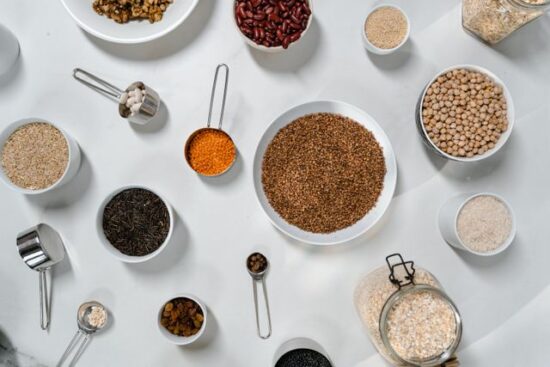
Why Fiber Is Becoming a Bigger Part of Nutrition Conversations
Anshika Jain - September 28, 2026Nutrition conversations have traditionally focused on calories, protein, carbohydrates, fats, vitamins, and minerals. However, dietary fibre is increasingly receiving attention as people become more interested in digestive…

Virtual Healthcare: How Telemedicine Is Changing Access to Medical Services
Anshika Jain - September 25, 2026Healthcare has traditionally depended on physical proximity. Patients travelled to clinics, hospitals, diagnostic centres, and specialist offices to receive medical advice, undergo examinations, collect prescriptions, or discuss…
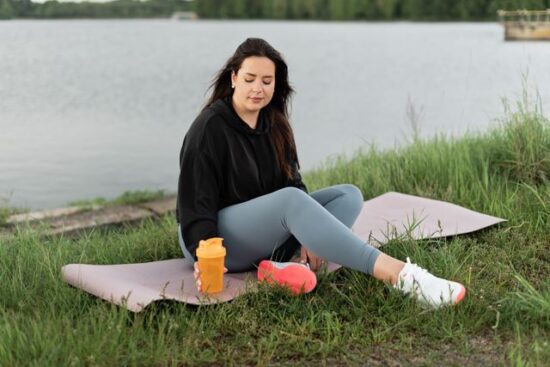
Why Rest Days Are Not the Same as Being Inactive
Anshika Jain - September 25, 2026When people begin taking exercise seriously, they often focus on how many days they train. More workouts can sometimes feel like greater commitment, while taking a day…

Exercise and Mood: Why Movement Is Being Included in Wellness Conversations
Anshika Jain - September 25, 2026For many years, exercise was discussed primarily in terms of physical outcomes. People associated regular movement with stronger muscles, improved cardiovascular fitness, weight management, better endurance and…
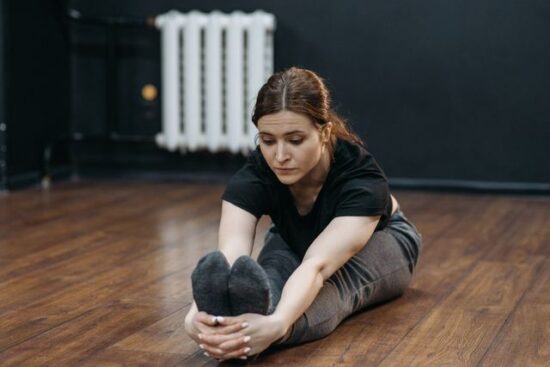
Why Warm-Ups and Cool-Downs Deserve More Attention
Anshika Jain - September 25, 2026Exercise routines often receive attention for the main activity. People plan their running distance, choose their strength-training exercises, track calories, count repetitions, or measure workout duration. Yet…

Mobility Training: Why Flexibility Alone Is Not the Whole Story
Anshika Jain - September 25, 2026When people talk about improving physical movement, flexibility is often one of the first things that comes to mind. Stretching before or after exercise, touching the toes,…

The Problem With Googling Symptoms: Why Health Information Needs Context
Anshika Jain - September 25, 2026When something feels unusual in the body, one of the first reactions for many people is to search for an explanation online. A headache, stomach discomfort, tiredness,…
.png)