
Lymphatic System Intelligence: Hidden Role of Lymphatic Function in Health

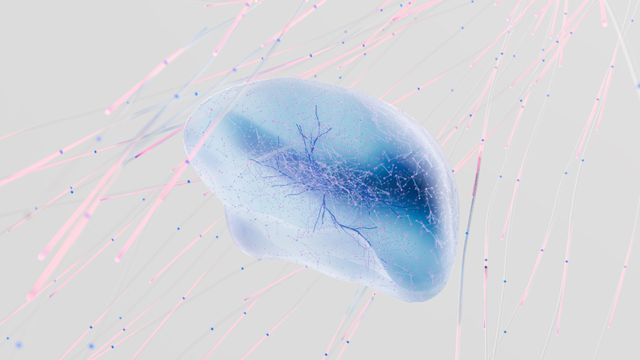
The human body depends on several interconnected systems to maintain internal balance, protect against infections and support the functioning of organs. While the cardiovascular, respiratory, digestive and nervous systems receive considerable attention in healthcare, another essential network often remains less visible: the lymphatic system. This extensive network of vessels, lymph nodes and specialised organs performs important functions in fluid regulation, immune defence, fat absorption and the removal of certain waste materials from tissues.
Unlike the cardiovascular system, which circulates blood through the continuous pumping action of the heart, the lymphatic system relies on a combination of muscle movement, breathing, vessel contractions and one-way valves to move lymph throughout the body. Its activity is closely connected with the immune system and circulatory system, making it an important component of overall physiological health.
Despite its importance, lymphatic function can be difficult to evaluate. Some abnormalities develop gradually, symptoms may appear in different parts of the body, and conventional assessments do not always provide a complete picture of lymphatic activity. Conditions such as lymphedema demonstrate how impaired lymphatic drainage can affect tissue health, mobility and quality of life. Emerging research into lymphatic vessels in the brain has also expanded scientific interest in how this system contributes to neurological health.
This creates an opportunity for Lymphatic System Intelligence, an emerging concept involving the application of artificial intelligence to understand, monitor and analyse lymphatic function. By combining medical imaging, physiological measurements, clinical records and biological data, AI could help researchers identify patterns that are difficult to detect through conventional analysis.
The central question is whether artificial intelligence can make this largely overlooked biological network easier to understand and help healthcare professionals recognise lymphatic abnormalities more effectively.
Understanding the Lymphatic System and Its Hidden Functions
The lymphatic system is a network of vessels, lymph nodes and lymphoid organs distributed throughout the body. It works alongside the circulatory and immune systems to maintain fluid balance and support the body’s defence mechanisms.
Blood circulation continuously delivers fluid and nutrients to tissues. Some fluid leaves blood vessels and enters the surrounding spaces. Much of this fluid eventually returns to circulation through the lymphatic network. The lymphatic vessels collect this excess interstitial fluid, along with proteins and other substances, and transport it towards larger lymphatic ducts that drain into the bloodstream.
The fluid carried through these vessels is known as lymph. It may contain immune cells, proteins, cellular material and substances collected from surrounding tissues. Lymph nodes act as important filtering and immune-monitoring locations where immune cells encounter material transported through lymphatic pathways.
The lymphatic system also plays a role in absorbing dietary fats from the small intestine. Specialised lymphatic vessels called lacteals collect dietary lipids and transport them through the lymphatic circulation before they enter the bloodstream.
These functions demonstrate that the lymphatic system is not simply a drainage network. It is an active biological system involved in fluid regulation, immune surveillance, nutrient transport and communication between tissues and the wider body.
Why Lymphatic Function Is Difficult to Understand
One of the biggest challenges in studying the lymphatic system is its distributed structure. Lymphatic vessels extend through numerous tissues, and their size, organisation and function vary across different regions of the body. Some vessels are relatively superficial, while others are located deep within organs.
Unlike blood circulation, lymphatic movement does not have a central pumping organ. Lymph transport depends on several mechanisms, including skeletal muscle contractions, respiratory movements, pressure differences and the contraction of smooth muscle in collecting lymphatic vessels. One-way valves help prevent backward flow.
This makes lymphatic activity difficult to evaluate using a single measurement. A person’s visible swelling may indicate fluid accumulation, but it does not necessarily reveal the exact location or mechanism of impaired drainage. Similarly, the appearance of lymph nodes on imaging does not provide a complete description of how efficiently lymph is moving through the network.
Lymphatic function also interacts with immune activity, inflammation, tissue repair and cardiovascular physiology. An abnormality in one area may influence another, making isolated measurements insufficient for understanding the entire process.
AI could help researchers address these challenges by analysing different types of information together. Rather than studying swelling, imaging or immune indicators independently, computational models could examine how these observations relate to one another over time.
How AI Could Improve Lymphatic System Analysis
Artificial intelligence offers several analytical capabilities that may be useful for understanding lymphatic function. Medical imaging, machine learning, pattern recognition and predictive modelling could help researchers examine the structure and behaviour of lymphatic networks.
AI-Powered Medical Imaging
Medical imaging is an important method for investigating lymphatic structures and abnormalities. Techniques such as magnetic resonance imaging, lymphoscintigraphy, ultrasound and indocyanine green lymphography can provide information about lymphatic anatomy, drainage pathways and areas of impaired transport.
However, interpreting these images may require specialised expertise. The appearance of lymphatic structures can vary, and abnormalities may involve subtle changes in vessel patterns or fluid movement.
Computer vision algorithms could help identify lymphatic vessels, segment relevant anatomical structures and compare images collected at different time points. Deep learning models may also assist researchers in identifying patterns associated with altered drainage or changes in lymphatic architecture.
For example, an AI model trained on appropriately labelled imaging datasets could help identify regions where lymphatic transport appears abnormal. This may support clinical interpretation and make longitudinal comparisons more consistent.
Nevertheless, image-based predictions must be validated against established diagnostic methods. AI should assist medical professionals rather than independently determine the presence or severity of a lymphatic disorder.
Mapping Lymphatic Networks
The lymphatic system can be understood as a network of interconnected vessels, nodes and drainage regions. This makes network analysis a potentially useful approach for studying its organisation.
AI models could create computational maps representing the relationships between different lymphatic structures. Graph-based machine learning could help researchers investigate how changes in one region may influence drainage patterns elsewhere.
For example, researchers studying lymphedema could examine whether particular vessel abnormalities are associated with changes in regional lymphatic drainage. A network-based approach may also help investigate anatomical differences between individuals.
These maps could become more informative when combined with medical imaging and physiological data. Rather than representing lymphatic vessels as isolated structures, researchers could study how they function as parts of a connected transport system.
The Role of AI in Understanding Lymphatic Fluid Movement
Lymphatic transport is influenced by several mechanical and physiological factors. Muscle contractions, breathing, vessel contractions and one-way valves contribute to the movement of lymph towards the bloodstream.
Because lymph flow changes according to body movement and physiological conditions, understanding it requires more than examining static anatomical images.
AI could potentially analyse imaging sequences and other measurements to identify patterns associated with lymphatic movement. Researchers might investigate how changes in posture, physical activity or respiratory patterns correspond with differences in lymphatic transport.
Machine learning could also help compare normal variation with patterns associated with impaired drainage. This may be particularly relevant in research involving lymphedema, where the lymphatic system cannot adequately transport fluid away from affected tissues.
However, lymphatic flow is influenced by complex conditions that may not be captured through ordinary wearable measurements. AI models would need reliable physiological data and carefully validated methods before their predictions could be used in clinical practice.
Major Areas Where Lymphatic System Intelligence Could Contribute
The potential applications of AI extend across several areas of lymphatic research. These include fluid regulation, immune activity, neurological research and the investigation of lymphatic disorders.
Understanding Lymphedema and Fluid Accumulation
Lymphedema is a condition involving the accumulation of protein-rich fluid in tissues because the lymphatic system cannot adequately transport it. It may develop following damage to lymphatic vessels or lymph nodes, including after certain cancer treatments. It can also occur because of inherited abnormalities in lymphatic development or function.
The condition may cause swelling, discomfort, heaviness and reduced mobility. Over time, persistent tissue changes can contribute to skin thickening and an increased risk of infection.
AI could support research into lymphedema by analysing limb measurements, medical images, clinical histories and changes in symptoms. Computer vision models might help assess differences in tissue appearance, while predictive models could investigate which patterns are associated with worsening swelling.
Longitudinal monitoring may be especially valuable because lymphedema can develop gradually. If measurements are collected consistently, AI could help clinicians identify changes that deserve further evaluation.
However, an AI system should not diagnose lymphedema based solely on a photograph or a single measurement. Clinical examination and appropriate diagnostic assessment remain essential.
Investigating the Lymphatic System and Brain Health
One of the most interesting developments in lymphatic research involves the discovery and study of lymphatic vessels associated with the central nervous system. The meningeal lymphatic vessels, located in the membranes surrounding the brain, provide routes for fluid and immune-related transport towards cervical lymph nodes.
This research has expanded scientific understanding of how the brain interacts with the immune and lymphatic systems. It has also contributed to interest in the glymphatic system, a proposed pathway involving fluid exchange and waste clearance within the brain.
Although the glymphatic and meningeal lymphatic systems are related areas of research, they are not identical structures. Both are being investigated for their possible contributions to neurological physiology.
AI could help researchers analyse brain imaging, cerebrospinal fluid-related measurements and molecular data to investigate these pathways. Machine learning may also support research into how ageing, sleep and neurological conditions relate to fluid transport and waste-clearance processes.
These applications remain an active research area. AI predictions should not be interpreted as proof that a particular lymphatic abnormality causes a neurological condition.
Analysing Immune Communication
The lymphatic system is closely connected with immune defence. Lymph nodes provide environments where immune cells encounter antigens and coordinate responses. Lymphatic vessels transport immune cells and signalling molecules between tissues and lymph nodes.
This makes lymphatic function relevant to research into infection, inflammation and immune regulation.
AI could combine immune-cell measurements, inflammatory biomarkers, imaging and clinical information to investigate how lymphatic activity relates to immune responses. Researchers might examine whether particular patterns of immune-cell movement are associated with changes in lymphatic structures or tissue inflammation.
Such analysis could contribute to a more integrated understanding of immune surveillance. It may also help researchers investigate why inflammatory processes in one tissue can influence immune activity elsewhere.
However, immune responses are highly complex. An increase in a particular immune marker does not automatically indicate impaired lymphatic function. Models must account for the broader biological context.
Exploring Cancer-Related Lymphatic Pathways
The lymphatic system has an important relationship with cancer biology because lymphatic vessels can provide routes through which cancer cells spread to nearby lymph nodes and, in some cases, other parts of the body.
The study of lymphatic involvement is therefore important in cancer staging, treatment planning and disease research. Medical professionals may examine lymph nodes and other clinical findings to evaluate whether cancer has spread.
AI could support research in this area through the analysis of medical images, pathology slides and molecular datasets. It may help identify patterns associated with lymphatic vessel structures, lymph node characteristics and tumour-related changes.
Predictive models could also be investigated for their ability to estimate the likelihood of lymph node involvement using multiple clinical and imaging variables. Such models would require rigorous validation before being considered for clinical decision-making.
The objective should be to support more consistent analysis and research, not replace established pathology and medical assessment.
Wearable Technology and Continuous Lymphatic Monitoring
Wearable devices have transformed the collection of everyday physiological information. Smartwatches and fitness trackers can record movement, heart rate and other measurements, while specialised sensors may provide additional information about tissue characteristics or limb dimensions.
Although most consumer wearables do not directly measure lymphatic flow, connected monitoring technologies could contribute to research into lymphatic health. For example, wearable motion sensors may help researchers examine how movement patterns relate to changes in limb swelling or recovery.
AI could combine these measurements with clinical observations and imaging results to investigate individual patterns. This may be particularly useful for people who require long-term monitoring after surgery or treatment that affects lymphatic structures.
A future monitoring system might identify changes in limb measurements that differ from an individual’s established pattern and recommend clinical reassessment. However, it would need to distinguish normal fluctuations from potentially meaningful changes.
The most important limitation is that indirect measurements cannot independently establish the condition of the lymphatic system. A wearable device may record swelling-related changes, but it cannot necessarily determine whether those changes result from lymphatic dysfunction, inflammation or another cause.
Developing a Digital Twin of the Lymphatic System
Digital twins are computational models designed to represent physical systems and simulate how they may behave under different conditions. In healthcare research, digital twins are being explored as tools for studying complex biological processes.
A lymphatic digital twin could represent selected lymphatic vessels, drainage regions, lymph nodes and their relationships with surrounding tissues. AI could help update the model using imaging measurements and clinical observations.
Researchers might use such models to investigate how changes in lymphatic vessel structure could influence fluid transport or how different drainage pathways respond to physiological conditions. They could also explore how lymphatic networks vary between individuals.
In the future, more advanced models may combine lymphatic information with cardiovascular, immune and tissue-level data. This would help researchers investigate the lymphatic system as part of a larger physiological network.
However, creating a complete and clinically reliable digital twin of the human lymphatic system remains a substantial scientific challenge. Current models are better understood as developing research tools than as fully accurate virtual representations of individual patients.
Challenges in Building Reliable Lymphatic AI Systems
Despite its potential, Lymphatic System Intelligence faces several important challenges. One major limitation is the availability of high-quality, standardised data. Lymphatic imaging is specialised, and datasets may vary according to imaging technology, clinical setting and the experience of the professionals interpreting them.
Another difficulty is anatomical variation. Lymphatic vessels differ in size, structure and distribution between individuals. An AI model trained on a limited dataset may fail to recognise patterns in populations that are not adequately represented during development.
The lack of direct, continuous lymphatic measurements also presents a challenge. Unlike heart rate, which can be recorded using widely available sensors, lymphatic activity is more difficult to measure non-invasively. Many assessments rely on specialised imaging or clinical examination.
There is also the problem of interpretation. An algorithm may identify a relationship between swelling, immune markers and imaging findings without establishing the biological mechanism responsible. Researchers must distinguish statistical associations from confirmed physiological explanations.
Privacy and security are equally important. Medical imaging, clinical records and biological measurements contain sensitive personal information. AI development must follow appropriate data-protection practices, informed consent requirements and clinical governance standards.
Finally, these systems must be evaluated for accuracy, reliability and usefulness across different patient populations. A technically impressive model is not necessarily clinically valuable unless it improves understanding or supports better healthcare decisions.
The Future of Lymphatic System Intelligence
The future of lymphatic research may involve combining AI with advanced imaging, molecular biology, wearable technologies and computational physiology. Researchers could develop models that examine lymphatic structures alongside immune activity, cardiovascular function and tissue health.
One promising direction is longitudinal analysis. Instead of examining a single scan or clinical measurement, AI could help researchers investigate how lymphatic function changes over time. This may improve understanding of disease development, recovery after treatment and differences in individual responses.
Another opportunity involves integrating lymphatic information with other organ systems. The lymphatic network does not operate independently. Its functions are connected with blood circulation, immune regulation, intestinal absorption and neurological physiology. AI could help model these relationships and reveal how changes in one system may influence another.
Future systems may also improve image interpretation and help clinicians compare complex measurements more consistently. However, the most useful developments will depend on strong biological evidence, reliable datasets and collaboration between medical professionals, imaging specialists, immunologists and AI researchers.
Conclusion
The lymphatic system performs essential functions that extend far beyond fluid drainage. It supports immune surveillance, maintains tissue-fluid balance, contributes to dietary fat absorption and participates in biological communication across the body. Despite these roles, its complex structure and difficult-to-measure activity have made it less visible in many areas of routine healthcare.
Lymphatic System Intelligence offers a promising way to address this gap. Artificial intelligence could help researchers analyse medical images, map lymphatic networks, investigate fluid movement and study relationships between lymphatic function, immunity and other organ systems.
Its potential applications include lymphedema research, neurological investigations, cancer-related lymphatic analysis and long-term monitoring. Nevertheless, AI cannot independently establish the cause of swelling, diagnose lymphatic disorders or replace specialist evaluation. Reliable systems will require high-quality data, clinical validation and careful interpretation.
Ultimately, the importance of Lymphatic System Intelligence lies in bringing greater attention to a biological network that quietly supports many essential processes. By combining artificial intelligence with modern medical research, scientists may develop a more complete understanding of how lymphatic function contributes to human health.
Online Internship with Certificate
You may be interested

Extracellular Matrix Intelligence: Body’s Structural Environment Affect Tissue Health
Anshika Jain - November 3, 2026The human body is often understood through its cells, organs, genes and biochemical processes. However, cells do not function independently. They exist within a complex structural environment…
Bone Remodeling Analytics: Balance Between Bone Formation and Breakdown
Anshika Jain - November 3, 2026Bones are often considered rigid structures that provide support, protect internal organs and enable movement. However, the human skeleton is far more dynamic than it appears. Throughout…

Epigenetic Response Forecasting: Environmental Exposures Influence Gene Regulation
Anshika Jain - November 3, 2026Human health is influenced by more than inherited genetic information. Although DNA provides the biological instructions that guide the development and functioning of the body, the activity…
Most from this category
Organ Communication Intelligence: How Signals From One Organ Influence Another?
Anshika Jain - November 3, 2026
Self-Care Stopping Rule: AI Recognize When a Lifestyle Experiment Should Stop
Anshika Jain - November 3, 2026


Organ Communication Intelligence: How Signals From One Organ Influence Another?
Anshika Jain - November 3, 2026Self-Care Stopping Rule: AI Recognize When a Lifestyle Experiment Should Stop
Anshika Jain - November 3, 2026Food Substitution Equivalence: Can AI Find Plant-Based Alternatives
Anshika Jain - November 2, 2026




.png)
Leave a Comment
You must be logged in to post a comment.