
Bone Remodeling Analytics: Balance Between Bone Formation and Breakdown

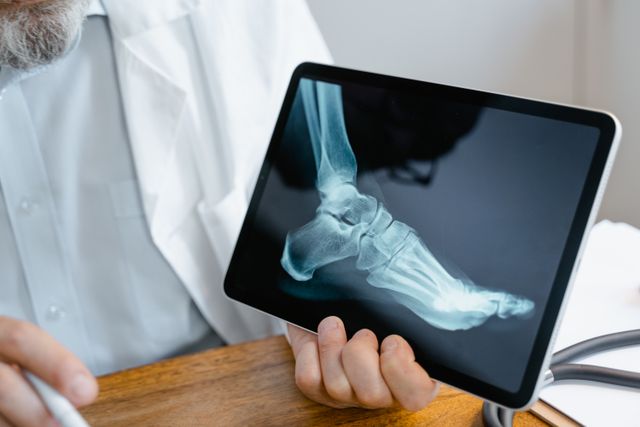
Bones are often considered rigid structures that provide support, protect internal organs and enable movement. However, the human skeleton is far more dynamic than it appears. Throughout life, bone tissue continuously undergoes a biological process known as bone remodeling, in which old or damaged bone is removed and replaced with newly formed tissue. This process helps maintain skeletal strength, repair microscopic damage, regulate mineral balance and adapt bones to changing physical demands.
Bone remodeling depends on the coordinated activity of specialised cells. Osteoclasts break down existing bone tissue, while osteoblasts produce new bone. Osteocytes, which are mature bone cells embedded within the bone matrix, help sense mechanical forces and coordinate communication between these processes. When bone formation and breakdown remain appropriately balanced, the skeleton can maintain its structure and functional strength. However, if bone resorption consistently exceeds bone formation, bone density and structural integrity may gradually decline.
One of the major challenges in bone health is that these changes can develop silently. An individual may experience no obvious symptoms while bone structure gradually deteriorates. By the time a fracture occurs, significant changes may already have taken place. Conventional diagnostic methods, including bone mineral density testing, provide valuable information, but they do not capture every aspect of the dynamic remodeling process.
This creates an opportunity for Bone Remodeling Analytics, an approach that uses artificial intelligence to examine biological markers, medical imaging, clinical information and lifestyle-related data to understand changes in bone formation and breakdown. AI could help researchers identify patterns that indicate an imbalance between these processes before substantial structural damage becomes visible.
The central question is whether AI can move bone health assessment beyond measuring existing bone density and towards understanding how the skeleton is changing over time.
Understanding the Science of Bone Remodeling
Bone remodeling is a continuous process through which the skeleton renews and maintains its tissue. It occurs throughout life and is essential for replacing older bone, repairing microscopic damage and responding to physiological requirements.
The process involves several specialised cells that perform different functions. Osteoclasts are responsible for bone resorption, which involves breaking down mineralised bone tissue. Osteoblasts produce new bone matrix, which subsequently becomes mineralised. Osteocytes help regulate remodeling by detecting mechanical forces and coordinating signals between bone-forming and bone-resorbing cells.
Remodeling generally takes place in coordinated cycles. During the resorption phase, osteoclasts remove a small amount of existing bone. This is followed by a reversal phase and a formation phase in which osteoblasts deposit new bone material. Over time, the newly formed tissue becomes mineralised and contributes to the maintenance of skeletal structure.
Several biological pathways regulate this process. The RANK-RANKL-OPG signalling system plays an important role in controlling osteoclast development and activity. Hormones, including parathyroid hormone, oestrogen and other metabolic regulators, also influence bone turnover. Nutritional factors such as calcium and vitamin D contribute to normal bone metabolism, while mechanical loading from physical activity affects how bone tissue adapts.
The balance between formation and breakdown is not fixed. It changes with age, hormonal conditions, physical activity, nutritional status, medication use and certain diseases. Understanding these variations is essential for identifying when normal remodeling becomes an unhealthy pattern.
Why Measuring Bone Density Alone Is Not Enough
Bone mineral density is an important indicator of skeletal health. It is commonly assessed through dual-energy X-ray absorptiometry, known as DXA, which estimates the amount of mineral present in selected regions of the skeleton. Results can help healthcare professionals assess fracture risk and identify osteoporosis.
However, bone mineral density provides a measurement of bone mass at a particular point in time. It does not directly reveal the speed at which bone is being formed or broken down. Two individuals with similar bone density measurements may have different remodeling activity and different patterns of skeletal change.
For example, one person may have relatively stable bone density with balanced formation and resorption. Another may have increased bone resorption that is gradually reducing skeletal strength. A single measurement may not fully explain these differences.
Bone quality is also influenced by factors beyond mineral density, including microarchitecture, cortical thickness, trabecular structure and the accumulation of microscopic damage. These characteristics contribute to the ability of bones to withstand mechanical forces.
This is where Bone Remodeling Analytics could offer additional insight. By combining repeated measurements and different types of biological information, AI may help researchers understand whether the processes responsible for maintaining bone tissue are changing in an unfavourable direction.
How AI Could Analyse Bone Formation and Breakdown
Artificial intelligence can examine complex datasets containing multiple biological and clinical measurements. In bone research, this capability could help identify patterns that are difficult to interpret through isolated laboratory results or imaging measurements.
Analysing Bone Turnover Biomarkers
Bone turnover biomarkers provide information about the activity of bone formation and resorption. Formation markers include procollagen type I N-terminal propeptide, commonly known as P1NP, and bone-specific alkaline phosphatase. Resorption markers include C-terminal telopeptide of type I collagen, known as CTX, and N-terminal telopeptide, known as NTX.
These biomarkers are released into the bloodstream or urine during different stages of bone metabolism. Their levels can provide useful information about remodeling activity, although they are influenced by factors such as age, food intake, time of day, kidney function and medication.
AI could analyse repeated biomarker measurements to identify changes in individual patterns. For example, a model might detect a sustained increase in a bone resorption marker alongside relatively unchanged formation markers. Such a pattern could suggest that bone breakdown is becoming more active relative to replacement.
However, a single elevated biomarker does not establish that a person is losing bone or developing osteoporosis. Results require interpretation alongside clinical history, other laboratory findings and appropriate imaging.
Detecting Structural Changes Through Medical Imaging
Medical imaging provides another important source of information about bone health. DXA scans measure bone mineral density, while quantitative computed tomography can provide additional information about bone structure and density distribution. High-resolution peripheral quantitative computed tomography can examine aspects of bone microarchitecture in research and specialised clinical settings.
AI-powered computer vision could analyse these images to identify subtle structural patterns. Deep learning models may help measure cortical thickness, trabecular characteristics and changes in bone geometry.
When scans are collected over time, machine learning could compare earlier and later measurements to investigate whether structural changes are occurring. This may provide additional information beyond a single bone density score.
AI could also help improve consistency in image analysis by reducing variation associated with manual measurements. Nevertheless, imaging-based predictions must be validated and interpreted by qualified professionals, particularly because different imaging technologies measure different aspects of skeletal structure.
Combining Multiple Biological Signals
The most useful bone remodeling models may combine information from several sources rather than relying on a single biomarker or scan. A system could analyse bone turnover markers, imaging results, age, hormonal status, medical history, medication use, nutrition and physical activity together.
For example, researchers could investigate whether changes in bone resorption markers are associated with alterations in physical activity, hormonal measurements and bone microarchitecture. AI may identify combinations of factors that appear more informative than individual measurements.
This approach could also help researchers investigate why two people with similar bone density measurements experience different changes in skeletal health over time.
However, data integration introduces challenges. Measurements collected at different times may not be directly comparable, and incomplete information can affect model performance. Reliable forecasting requires consistent data collection and careful validation.
Identifying Early Signs of an Imbalance in Bone Remodeling
One of the most important possibilities offered by Bone Remodeling Analytics is the ability to identify patterns associated with an imbalance between bone formation and breakdown.
Increased bone resorption can occur in several situations, including postmenopausal changes, certain endocrine conditions, prolonged immobilisation and some inflammatory or metabolic disorders. In these circumstances, bone breakdown may exceed the rate at which new bone is formed.
AI could examine changes in bone turnover markers alongside clinical and imaging information to identify patterns that deserve further evaluation. For example, a sustained increase in resorption markers combined with declining bone density measurements may provide a stronger reason for clinical investigation than either observation alone.
Machine learning could also examine the relationship between remodeling activity and individual risk factors. This may help researchers investigate how ageing, reduced physical activity, nutritional deficiencies and certain medications influence skeletal changes.
However, an AI model cannot establish the underlying cause simply by recognising a pattern. An apparent imbalance may have several explanations, and clinical assessment is necessary to determine its significance.
The Role of Predictive Analytics in Bone Health
Traditional bone health assessments often focus on current measurements, such as bone mineral density and fracture risk factors. Predictive analytics introduces a different approach by examining how these measurements may change over time.
Machine learning models could use longitudinal datasets to investigate patterns associated with future changes in bone density, bone turnover or fracture risk. These systems may consider age, previous fractures, family history, medication use, lifestyle information and relevant laboratory findings.
For example, a model could analyse repeated bone turnover measurements and previous imaging results to estimate whether an individual’s bone health indicators are changing more rapidly than expected. This may help researchers identify patterns that require closer monitoring.
Predictive analytics could also support the study of treatment responses. Researchers may investigate whether changes in bone turnover markers after treatment are associated with later changes in bone density or other skeletal outcomes.
It is important to distinguish prediction from diagnosis. A model estimating an increased probability of future bone loss does not confirm that bone loss will occur. Clinical decisions must account for the individual’s complete health profile and established medical guidance.
Major Factors That Influence Bone Remodeling
Bone remodeling is influenced by several interconnected biological and lifestyle factors. AI could help researchers understand how these factors interact rather than examining each one independently.
Ageing and Hormonal Changes
Ageing affects the balance between bone formation and resorption. Over time, changes in cellular activity, hormone levels and the ability to repair microscopic damage can influence skeletal maintenance.
Oestrogen plays an important role in regulating bone turnover. Following menopause, declining oestrogen levels can contribute to increased bone resorption and accelerated bone loss. Age-related changes in hormone regulation can also influence bone health in men.
AI could analyse hormonal measurements, bone turnover markers and imaging results to investigate how these changes relate to skeletal outcomes across different populations. Such models may help researchers understand variations in the timing and rate of bone changes.
Nutrition and Mineral Availability
Bone tissue requires several nutrients to maintain normal structure and metabolism. Calcium and phosphorus are essential components of bone mineral, while vitamin D supports calcium absorption and normal mineral regulation.
Protein intake also contributes to bone structure and the maintenance of muscle tissue, which influences mechanical loading on the skeleton. Other nutrients participate in biological processes involved in bone formation and cellular function.
AI-powered nutrition research could combine dietary records, laboratory measurements and bone turnover markers to examine how nutritional patterns relate to remodeling activity. This may help researchers investigate whether particular combinations of nutritional factors are associated with changes in bone metabolism.
However, nutritional recommendations must be individualised. AI should not encourage excessive supplementation or treat every low laboratory measurement as an indication for self-directed treatment.
Physical Activity and Mechanical Loading
Bones respond to mechanical forces generated during everyday movement and exercise. Weight-bearing and resistance activities can stimulate bone adaptation by influencing the activity of bone cells.
Reduced physical activity and prolonged immobilisation may contribute to bone loss, particularly when skeletal loading remains low for extended periods. This relationship demonstrates why movement is important for maintaining skeletal health.
AI could combine wearable activity measurements, exercise records and bone-related clinical data to investigate how different movement patterns relate to bone remodeling. Researchers might examine whether changes in weight-bearing activity correspond with differences in bone turnover markers or bone density over time.
Nevertheless, physical activity recommendations must consider age, existing injuries, medical conditions and fracture risk. Exercise intensity should not be increased solely because an algorithm identifies a potential benefit.
Can AI Distinguish Healthy Bone Adaptation From Harmful Bone Loss?
An important challenge in bone research is that changes in remodeling are not always negative. Bone tissue adapts to physical demands, and increased remodeling may occur during normal repair and physiological adjustment.
For example, exercise can stimulate bone adaptation in response to mechanical loading. Similarly, the skeleton undergoes changes during growth, pregnancy, recovery from injury and other physiological circumstances.
An AI system must therefore distinguish between expected biological adaptation and patterns that may indicate an unhealthy imbalance. This requires more than identifying whether bone turnover markers have increased or decreased.
The system would need to consider the individual’s age, physical activity, hormonal status, medical history and timing of measurements. It would also need to understand whether changes in formation and resorption are occurring together or whether one process is consistently exceeding the other.
Longitudinal analysis could be particularly valuable because it allows researchers to examine whether changes are temporary or persistent. However, the interpretation of these patterns must be based on validated scientific knowledge rather than algorithmic assumptions alone.
AI Applications in Osteoporosis Research and Treatment Monitoring
Osteoporosis is a condition characterised by reduced bone strength and increased susceptibility to fractures. It often develops without obvious symptoms until a fracture occurs, making early assessment and risk evaluation important.
AI could contribute to osteoporosis research by combining bone density measurements, imaging characteristics, clinical risk factors and laboratory biomarkers. Machine learning may help identify patterns associated with fracture risk or changes in skeletal health.
AI could also support research into treatment monitoring. Different osteoporosis treatments influence bone remodeling in different ways. Some therapies reduce bone resorption, while others stimulate bone formation. Changes in relevant biomarkers may provide early information about biological responses to treatment.
By analysing biomarker trends alongside imaging and clinical outcomes, AI could help researchers investigate how individuals respond differently to treatment approaches.
However, treatment selection and monitoring remain clinical responsibilities. An AI prediction should not independently determine whether someone should start, stop or change medication. Decisions must be based on established clinical assessment and professional guidance.
Challenges in Building Reliable Bone Remodeling AI
Although Bone Remodeling Analytics offers promising research possibilities, several limitations must be addressed before these systems can become reliable clinical tools.
One major challenge is biological variation. Bone turnover markers can change according to the time of day, food intake, age, kidney function and other physiological factors. If these differences are not controlled, AI models may interpret ordinary variation as evidence of abnormal remodeling.
Another challenge is data quality. Imaging systems differ in resolution and measurement techniques, while laboratory tests may vary between facilities. Models trained on inconsistent datasets may produce unreliable predictions when applied to new populations.
There is also a problem of explainability. Deep learning models may identify complex patterns without clearly showing which biological factors influenced their conclusions. In healthcare, understanding why a model generates a particular prediction is important for evaluating its reliability.
Population representation presents an additional concern. Age, sex, ethnicity, hormonal status and other characteristics can influence skeletal measurements. Models trained on limited populations may perform differently when applied to individuals who are underrepresented in the training data.
Finally, AI systems must be clinically validated. A model that accurately predicts changes in a research dataset does not automatically improve patient outcomes. Its usefulness must be demonstrated through independent testing and appropriate clinical studies.
The Future of Bone Remodeling Analytics
The future of this field may involve combining AI with advanced imaging, molecular research, wearable technologies and longitudinal health records. Rather than evaluating bone health through occasional measurements, researchers may increasingly investigate how remodeling activity changes over time.
Multi-omics analysis could also contribute to a more detailed understanding of skeletal biology. By combining genetic, transcriptomic, proteomic and metabolomic information with bone turnover measurements, AI may help researchers investigate the molecular mechanisms involved in bone formation and resorption.
Another promising direction involves studying interactions between bone and other organs. Bone tissue communicates with muscles, kidneys, the immune system and endocrine organs through hormones, signalling molecules and metabolic pathways. AI could help researchers examine these relationships as part of a wider physiological network.
Future predictive models may also become more personalised by considering individual baselines and changes in health conditions. This could help researchers understand why similar lifestyle or medical factors produce different skeletal outcomes.
Nevertheless, the success of Bone Remodeling Analytics will depend on reliable biological measurements, transparent models and clinical validation. AI should strengthen scientific understanding rather than replace established diagnostic methods or professional judgement.
Conclusion
Bone remodeling is a continuous biological process that maintains skeletal structure by balancing the breakdown of old tissue with the formation of new bone. When this balance becomes disrupted, bone strength may gradually decline, sometimes without noticeable symptoms.
Bone Remodeling Analytics offers a promising approach to studying these changes through artificial intelligence. By combining bone turnover biomarkers, medical imaging, clinical information and lifestyle measurements, AI could help researchers identify patterns associated with changes in skeletal metabolism and estimate how bone health may evolve over time.
Its potential applications include osteoporosis research, fracture-risk assessment, treatment monitoring and the investigation of how ageing, nutrition, hormones and physical activity influence bone metabolism. However, AI predictions must be interpreted carefully because bone remodeling is affected by many biological factors, and no single measurement can fully describe skeletal health.
Ultimately, the value of AI in bone research may lie in moving beyond the question of how much bone a person currently has and towards a deeper understanding of how actively their skeleton is being maintained. This could support more informed research into skeletal health and improve the scientific understanding of the processes that keep bones strong throughout life.
You may be interested

Extracellular Matrix Intelligence: Body’s Structural Environment Affect Tissue Health
Anshika Jain - November 3, 2026The human body is often understood through its cells, organs, genes and biochemical processes. However, cells do not function independently. They exist within a complex structural environment…
Lymphatic System Intelligence: Hidden Role of Lymphatic Function in Health
Anshika Jain - November 3, 2026The human body depends on several interconnected systems to maintain internal balance, protect against infections and support the functioning of organs. While the cardiovascular, respiratory, digestive and…

Epigenetic Response Forecasting: Environmental Exposures Influence Gene Regulation
Anshika Jain - November 3, 2026Human health is influenced by more than inherited genetic information. Although DNA provides the biological instructions that guide the development and functioning of the body, the activity…
Most from this category

Organ Communication Intelligence: How Signals From One Organ Influence Another?
Anshika Jain - November 3, 2026
Self-Care Stopping Rule: AI Recognize When a Lifestyle Experiment Should Stop
Anshika Jain - November 3, 2026


Organ Communication Intelligence: How Signals From One Organ Influence Another?
Anshika Jain - November 3, 2026Self-Care Stopping Rule: AI Recognize When a Lifestyle Experiment Should Stop
Anshika Jain - November 3, 2026Food Substitution Equivalence: Can AI Find Plant-Based Alternatives
Anshika Jain - November 2, 2026




.png)
Leave a Comment
You must be logged in to post a comment.