


Problem of Algorithmic Bias in Medicine: When Historical Healthcare Data Shapes Future Decisions
Anshika Jain - October 5, 2026Artificial intelligence is becoming an increasingly important part of modern healthcare. Machine-learning systems can analyse medical images, estimate disease risk,…

The Datafication of Medicine: When Every Clinical Interaction Becomes a Digital Record
Anshika Jain - October 2, 2026Healthcare has always generated information. A doctor listens to a patient's symptoms, examines the body, records observations, orders investigations, interprets…

The Quantified Human: When Health Becomes a Continuous Stream of Biological and Behavioural Data
Anshika Jain - October 2, 2026For most of medical history, understanding a person's health depended on relatively occasional encounters with healthcare professionals. A patient described…
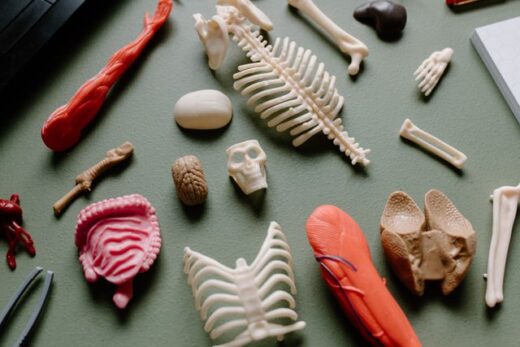
Organoids: How Miniature Human Organs Are Changing Medical Research
Anshika Jain - October 1, 2026Medical research has traditionally depended on a combination of laboratory cell cultures, animal models, clinical observations, and human studies. Each…
Circadian Neuroscience: How Biological Timekeeping Influences the Brain and Body
Anshika Jain - September 30, 2026The human body does not function at exactly the same level throughout the day. Alertness rises and falls, body temperature…

Machine Learning and Rare Diseases: Can Algorithms Connect Symptoms That Physicians Rarely See Together?
Anshika Jain - September 30, 2026Diagnosing a medical condition is often described as a process of identifying symptoms, conducting examinations, reviewing medical history and selecting…
Knowledge Graphs for Connecting Genomic Variants With Clinical Outcomes
Anshika Jain - September 29, 2026The rapid growth of genomic medicine is transforming the way healthcare professionals understand disease, diagnosis, and treatment. Advances in next-generation…

AI-Assisted Triage Systems in Emergency Medicine: Architecture, Validation and Safety
Anshika Jain - September 29, 2026Emergency medicine operates in an environment where clinical decisions often need to be made quickly despite incomplete information, unpredictable patient…

Screen Breaks: Can Short Digital Pauses Improve Everyday Comfort?
Anshika Jain - September 28, 2026Digital devices have become an essential part of modern life. Smartphones, laptops, tablets, and desktop computers are used for education,…
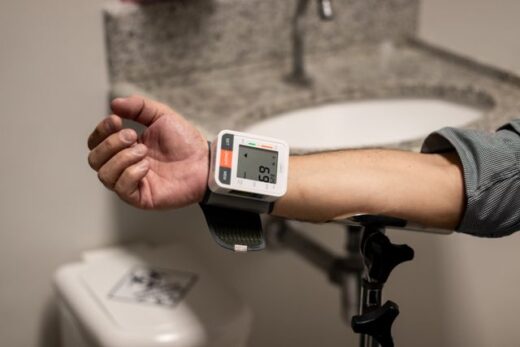
Why Blood Pressure Awareness Matters Even Before Symptoms Appear
Anshika Jain - September 28, 2026Blood pressure is one of the most important indicators of cardiovascular health, yet it is often overlooked until a medical…
.png)