Functional foods and bioactive compounds
Nutrition has evolved far beyond the traditional concept of simply providing energy and preventing nutrient deficiencies. Modern scientific research increasingly recognizes that many foods contain naturally occurring compounds capable of influencing physiological processes, reducing disease risk, and supporting long-term health. These foods, commonly referred to as functional foods, offer benefits that extend beyond their basic nutritional value through the presence of biologically active substances known as bioactive compounds.
Functional foods have become an important area of nutrition science due to their potential role in promoting wellness and preventing chronic diseases. Unlike conventional foods that primarily provide essential macronutrients and micronutrients, functional foods contain components that may positively affect metabolism, immune function, cardiovascular health, cognitive performance, digestive health, and cellular protection. These beneficial effects are often attributed to naturally occurring phytochemicals, antioxidants, dietary fiber, probiotics, peptides, polyphenols, carotenoids, and other bioactive substances.
Bioactive compounds are not classified as essential nutrients because their absence does not cause classical deficiency diseases. However, accumulating evidence suggests that regular consumption of foods rich in these compounds may contribute to healthier aging and reduce the risk of conditions such as cardiovascular disease, type 2 diabetes, obesity, neurodegenerative disorders, and certain cancers. Researchers continue to investigate the mechanisms through which these compounds interact with human biology and influence long-term health outcomes.
The growing interest in preventive healthcare has further increased public awareness of functional foods. Consumers are increasingly seeking dietary strategies that not only meet nutritional requirements but also optimize health, improve quality of life, and support disease prevention. At the same time, healthcare professionals emphasize that functional foods should complement rather than replace balanced dietary patterns and evidence-based medical care.
Understanding functional foods and bioactive compounds allows individuals to make informed dietary choices based on scientific evidence rather than marketing claims. This article explores the characteristics of functional foods, the major classes of bioactive compounds, their mechanisms of action, health benefits, and future directions in nutrition research.
Understanding Functional Foods
Functional foods are foods that provide health benefits beyond their basic nutritional content.
These foods naturally contain or have been enhanced with components that positively influence physiological functions.
Unlike dietary supplements, functional foods are consumed as part of a normal diet.
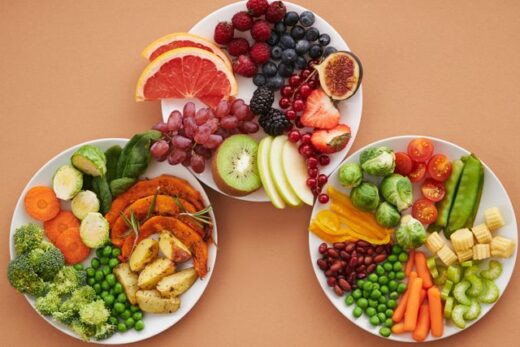
Examples include fruits, vegetables, whole grains, legumes, fermented dairy products, fatty fish, nuts, seeds, and certain fortified foods.
Their health-promoting properties arise from naturally occurring or added bioactive substances that interact with the body’s biological systems.
What Are Bioactive Compounds?
Bioactive compounds are naturally occurring chemical substances found in foods that influence biological processes.
Although they are not classified as essential nutrients, they may contribute significantly to health promotion.
Bioactive compounds include polyphenols, flavonoids, carotenoids, glucosinolates, phytosterols, probiotics, prebiotics, peptides, and numerous other naturally occurring molecules.
Each compound possesses unique biological properties and may affect multiple physiological pathways.
Researchers continue to identify new bioactive substances and investigate their potential health benefits.
How Bioactive Compounds Work
Bioactive compounds influence health through several biological mechanisms.
Many function as antioxidants, helping neutralize reactive oxygen species that contribute to oxidative stress.
Others regulate inflammation, support immune function, improve cellular communication, influence gene expression, or enhance metabolic regulation.
Some compounds interact with the gut microbiome, while others affect cholesterol metabolism or blood vessel function.
These diverse mechanisms explain why functional foods may contribute to multiple aspects of health simultaneously.
Polyphenols and Human Health
Polyphenols represent one of the largest groups of bioactive compounds.
They are abundant in fruits, vegetables, tea, coffee, cocoa, herbs, spices, and olive oil.
Research suggests that polyphenols possess antioxidant and anti-inflammatory properties.
They may support cardiovascular health by improving blood vessel function and reducing oxidative damage.
Some polyphenols have also demonstrated potential benefits for cognitive health and metabolic regulation.
Regular consumption of polyphenol-rich foods is associated with healthier dietary patterns.
Flavonoids and Their Benefits
Flavonoids are a major subclass of polyphenols.
They are commonly found in berries, citrus fruits, onions, apples, cocoa, and green tea.
Flavonoids contribute to the vibrant colors of many plant foods while providing biological activity.
Studies suggest they may support cardiovascular function, reduce inflammation, improve endothelial health, and protect against oxidative stress.
Their potential role in supporting healthy aging continues to be an active area of scientific investigation.
Carotenoids and Cellular Protection
Carotenoids are naturally occurring pigments responsible for the red, orange, and yellow colors of many fruits and vegetables.
Common carotenoids include beta-carotene, lycopene, lutein, and zeaxanthin.
Some carotenoids serve as precursors to vitamin A, while others function primarily as antioxidants.
They may contribute to eye health, immune function, skin protection, and cellular integrity.
Diets rich in colorful plant foods provide abundant carotenoid intake.
Dietary Fiber as a Functional Component
Dietary fiber is increasingly recognized as a functional food component due to its broad physiological benefits.
Fiber supports digestive health, promotes satiety, regulates blood sugar levels, and contributes to cholesterol management.
Certain types of fiber also function as prebiotics, nourishing beneficial gut bacteria.
A healthy gut microbiome influences immune function, metabolism, and overall wellness.
Whole grains, legumes, fruits, vegetables, and nuts provide excellent sources of dietary fiber.
Probiotics and Gut Health
Probiotics are live microorganisms that confer health benefits when consumed in adequate amounts.
They are naturally present in fermented foods such as yogurt, kefir, kimchi, sauerkraut, and fermented vegetables.
Probiotics help maintain microbial balance within the gastrointestinal tract.
Healthy gut bacteria support digestion, immune regulation, and nutrient metabolism.
Research also suggests potential connections between gut microbiota and mental health through the gut-brain axis.
Prebiotics and Microbiome Support
Prebiotics are non-digestible food components that selectively nourish beneficial intestinal bacteria.
They occur naturally in foods such as garlic, onions, asparagus, bananas, oats, and chicory root.
By promoting the growth of healthy microbes, prebiotics contribute to improved digestive and immune function.
The combination of probiotics and prebiotics may produce synergistic effects that enhance gut health and overall wellness.
Omega-3 Fatty Acids as Functional Nutrients
Although omega-3 fatty acids are essential nutrients, they also exhibit functional properties beyond preventing deficiency.
Fatty fish, flaxseeds, walnuts, and chia seeds provide important dietary sources.
Omega-3 fatty acids contribute to cardiovascular health, brain function, and inflammation regulation.
Numerous studies have associated adequate omega-3 intake with improved heart health and cognitive performance.
Their multifunctional roles make them important components of health-promoting diets.
Functional Foods and Cardiovascular Health
Cardiovascular disease remains one of the leading causes of mortality worldwide.
Functional foods may contribute to heart health through multiple biological pathways.
Dietary fiber, phytosterols, polyphenols, omega-3 fatty acids, and antioxidants have demonstrated potential cardiovascular benefits.
These compounds may improve cholesterol levels, reduce inflammation, enhance endothelial function, and support healthy blood pressure.
Heart-healthy dietary patterns typically incorporate a wide variety of functional foods.
Functional Foods and Metabolic Health
Bioactive compounds may influence glucose metabolism, insulin sensitivity, appetite regulation, and body composition.
Whole grains, legumes, berries, nuts, and fermented foods contribute beneficial compounds that support metabolic health.
Regular consumption of these foods has been associated with reduced risk of type 2 diabetes and obesity.
Functional foods should be viewed as part of comprehensive lifestyle approaches that include physical activity and healthy weight management.
Immune Function and Bioactive Compounds
The immune system requires numerous nutrients and bioactive compounds to function optimally.
Certain phytochemicals help regulate inflammatory responses and support immune cell activity.
Vitamins, minerals, probiotics, and polyphenols collectively contribute to immune resilience.
Balanced dietary patterns emphasizing plant foods provide a broad range of immune-supportive compounds.
Healthy nutrition complements other important factors such as adequate sleep and regular exercise.
Cognitive Health and Brain Function
Emerging evidence suggests that bioactive compounds may support brain health throughout life.
Polyphenols, omega-3 fatty acids, flavonoids, and certain antioxidants have been investigated for their potential effects on memory, cognitive performance, and neuroprotection.
These compounds may reduce oxidative stress, improve blood flow to the brain, and influence neuronal signaling.
Although research continues, nutrition appears to play an important role in healthy cognitive aging.
Challenges in Functional Food Research
Despite growing evidence, studying functional foods presents several scientific challenges.
Bioactive compounds often interact with one another within complex food matrices.
Individual responses may vary according to genetics, gut microbiota composition, lifestyle, and overall dietary patterns.
Many studies examine isolated compounds, whereas real-world diets involve combinations of numerous bioactive substances.
Researchers continue developing improved methods for evaluating these complex interactions.
Bioavailability and Food Matrix Effects
The health effects of bioactive compounds depend not only on their presence in foods but also on their bioavailability.
Bioavailability refers to the extent to which compounds are absorbed, transported, and utilized by the body.
Food preparation, digestion, nutrient interactions, and individual physiology all influence bioavailability.
The natural food matrix often affects how efficiently bioactive compounds exert their biological effects.
Understanding these factors improves nutritional recommendations.
Functional Foods in Preventive Healthcare
Preventive healthcare increasingly emphasizes nutrition as a cornerstone of disease prevention.
Functional foods align well with this approach by supporting long-term wellness through everyday dietary choices.
Rather than relying solely on pharmaceutical interventions, preventive nutrition seeks to reduce disease risk before illness develops.
Healthcare professionals encourage dietary patterns rich in whole plant foods, healthy fats, and minimally processed ingredients.
Functional foods represent one important component of this comprehensive strategy.
Future Directions
Advances in nutritional science, metabolomics, nutrigenomics, and microbiome research are expanding knowledge about functional foods and bioactive compounds.
Future research may enable increasingly personalized dietary recommendations based on individual biological characteristics.
Precision nutrition could optimize the selection of functional foods according to genetic profiles, metabolic health, and gut microbiome composition.
Continued scientific investigation will improve understanding of how bioactive compounds contribute to lifelong health.
Conclusion
Functional foods and bioactive compounds represent an exciting and rapidly evolving field within nutrition science. These naturally occurring substances extend the role of food beyond basic nourishment by influencing numerous physiological processes involved in health promotion and disease prevention. Through antioxidant activity, inflammation regulation, immune support, metabolic control, and interactions with the gut microbiome, bioactive compounds contribute to overall wellness in meaningful ways.
Research continues to demonstrate that dietary patterns rich in fruits, vegetables, whole grains, legumes, nuts, seeds, fermented foods, and healthy fats provide a diverse range of beneficial bioactive compounds. While no single food or compound can prevent disease independently, consistent consumption of nutrient-dense, minimally processed foods forms a strong foundation for long-term health.
As scientific understanding grows, functional foods are expected to play an increasingly important role in preventive healthcare and personalized nutrition. However, they should be viewed as part of a balanced lifestyle that includes regular physical activity, sufficient sleep, stress management, and appropriate medical care.
Ultimately, embracing a varied and wholesome diet rich in natural functional foods offers one of the most practical and evidence-based strategies for supporting optimal health, reducing chronic disease risk, and promoting healthy aging throughout life.
Online Internship with Certificate
You may be interested

Cellular Senescence: Why “Zombie Cells” Are Becoming a Major Focus of Longevity Research
Anshika Jain - October 2, 2026Aging is not simply the gradual passage of time. At the cellular level, it involves a collection of biological changes that influence how tissues repair themselves, how…

The Inflammaging Hypothesis: Biological Connection Between Inflammation and Aging
Anshika Jain - October 2, 2026Aging is often described as a gradual decline in the body's ability to maintain and repair itself. As people grow older, the risk of cardiovascular disease, metabolic…

The Datafication of Medicine: When Every Clinical Interaction Becomes a Digital Record
Anshika Jain - October 2, 2026Healthcare has always generated information. A doctor listens to a patient's symptoms, examines the body, records observations, orders investigations, interprets test results, prescribes treatment and follows the…
Most from this category

From Population Averages to Individual Trajectories: Rethinking How Healthcare Defines Normal
Anshika Jain - October 2, 2026
The Quantified Human: When Health Becomes a Continuous Stream of Biological and Behavioural Data
Anshika Jain - October 2, 2026
Beyond the Genome: Why the Future of Precision Medicine May Depend on Multi-Layered Biological Data
Anshika Jain - October 2, 2026

From Population Averages to Individual Trajectories: Rethinking How Healthcare Defines Normal
Anshika Jain - October 2, 2026
The Quantified Human: When Health Becomes a Continuous Stream of Biological and Behavioural Data
Anshika Jain - October 2, 2026


.png)
Leave a Comment
You must be logged in to post a comment.