
Healthy Eating Made Simple: How to Build Better Food Habits


Healthy eating is often presented as something difficult, expensive and highly restrictive. Many people believe that improving their diet requires giving up all their favourite foods, following complicated meal plans or buying expensive “health foods.” As a result, the idea of eating better can feel overwhelming. In reality, healthy eating is not about achieving perfection or following a strict diet every day. It is about developing better food habits that can be maintained over time.
A healthy diet can take many forms depending on a person’s age, lifestyle, culture, level of physical activity and individual nutritional needs. However, the basic principles remain similar. The World Health Organization identifies adequacy, balance, moderation and diversity as important foundations of a healthy diet. A diet based largely on a variety of minimally processed and unprocessed foods can help support good health while limiting excessive intake of unhealthy fats, free sugars and sodium.
Building healthier eating habits does not require changing everything overnight. Small and practical changes can gradually improve the quality of a person’s diet. Adding more vegetables to meals, choosing water more often, planning meals in advance and becoming more aware of portion sizes are examples of habits that can make a meaningful difference. The goal is to create an approach to eating that is realistic, enjoyable and sustainable.
Understanding What Healthy Eating Really Means
Healthy eating is not about eating one particular “perfect” food or completely avoiding every food considered unhealthy. It is about the overall pattern of eating over time. One meal, one snack or one celebration does not determine a person’s entire diet. What matters more is what people eat regularly and how their everyday choices support their nutritional needs.
The World Health Organization explains that a healthy diet should provide adequate nutrients and energy while maintaining a balance among the major sources of energy and including a diverse range of foods. Healthy diets can help protect against malnutrition and reduce the risk of diet-related noncommunicable diseases, including heart disease, diabetes and certain forms of cancer.
A balanced approach usually includes a variety of vegetables, fruits, whole grains, protein-rich foods and other nutritious options. The exact combination may differ between individuals and cultures. Indian meals, for example, can support healthy eating through combinations of cereals, pulses, vegetables, fruits, dairy or other suitable foods. The important factor is not copying a particular international diet but building healthier habits using foods that are locally available, culturally familiar and suitable for individual needs.
Start by Adding Healthy Foods Instead of Only Removing Foods
One of the simplest ways to improve eating habits is to focus first on what can be added to the diet rather than only thinking about restrictions. When people decide to eat healthier, they often immediately create a long list of foods they are not allowed to eat. This approach can make healthy eating feel stressful and difficult to maintain.
A more practical approach is to gradually add nutritious foods to everyday meals. This may include adding a serving of vegetables to lunch or dinner, eating fruit as a snack, including pulses or other protein sources regularly and choosing whole-grain foods when practical. Over time, these additions can naturally improve the overall quality of the diet.
This approach is also psychologically easier because it focuses on building positive habits. Instead of constantly thinking about what cannot be eaten, people can focus on creating more balanced meals. When nutritious foods become a regular part of the diet, there may naturally be less room for excessive amounts of highly processed foods.
The World Health Organization recommends eating a diverse range of foods, including fruits, vegetables, pulses, whole grains and suitable sources of protein, while limiting foods high in unhealthy fats, free sugars and sodium.
Build Better Meals by Focusing on Balance
One useful way to simplify healthy eating is to think about the balance of food on the plate. Instead of counting every calorie or measuring every ingredient, people can focus on including different types of foods in a meal.
Harvard’s Healthy Eating Plate provides a simple visual approach by recommending that a large portion of a meal consist of vegetables and fruits, with the remaining sections including whole grains and healthy sources of protein. It also encourages the use of healthy oils in moderation and recommends water and other beverages with little or no added sugar.
This does not mean that every meal must look exactly the same. A traditional Indian meal may consist of roti or rice, dal, vegetables, curd or another protein source. Other meals may include different combinations depending on local food habits and preferences. The important idea is variety and balance.
A person does not need to create complicated meals to eat well. Simple combinations can provide variety when meals include vegetables, a suitable source of protein and an appropriate source of carbohydrates. Over time, learning to build balanced meals can make healthy eating feel more natural and less dependent on strict dietary rules.
Eat More Fruits and Vegetables
Fruits and vegetables are important parts of a balanced diet because they provide a range of vitamins, minerals, fibre and other beneficial compounds. However, many people struggle to eat enough of them consistently.
One reason is convenience. Highly processed snacks are often easier to access and prepare, while fruits and vegetables may require planning, shopping and preparation. Building the habit of including them regularly can make a major difference.
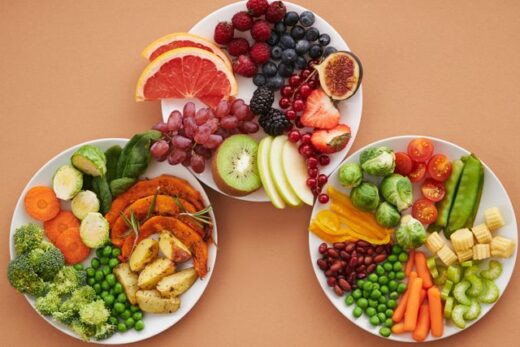
A simple strategy is to include vegetables in meals that people already eat. Vegetables can be added to curries, sandwiches, salads, soups and other dishes. Fruits can be kept easily available at home and eaten as snacks or included with breakfast.
Variety is also important. Different fruits and vegetables provide different nutrients, so regularly choosing a range of colours and types can contribute to a more diverse diet. The goal does not need to be perfection. Even gradually increasing the amount of fruits and vegetables consumed can be a positive step towards better eating habits.
Choose Whole Grains More Often
Carbohydrates are an important source of energy, but the quality of carbohydrate-rich foods matters. Whole grains generally retain more of their natural structure than highly refined grains and can be an important part of a balanced diet.
Harvard’s Healthy Eating Plate recommends choosing whole and intact grains such as whole wheat, oats, barley, brown rice and similar foods more often while limiting refined grains when possible.
This does not mean that people need to completely eliminate familiar foods such as white rice or refined flour. Healthy eating does not have to involve an all-or-nothing approach. Instead, people can gradually make better choices where practical. For example, whole-grain options may be included more frequently in meals, while refined foods can be eaten in moderation.
The most sustainable changes are usually those that fit naturally into a person’s regular eating pattern. A small adjustment that can be maintained for years is often more valuable than an extreme dietary change followed for only a few weeks.
Include Protein in Your Daily Meals
Protein is an essential nutrient and an important part of a balanced diet. Different foods can provide protein, including pulses, beans, lentils, dairy products, eggs, fish, poultry, nuts and other foods depending on individual dietary preferences.
In Indian diets, dals, beans, chickpeas and other legumes can be practical and widely available sources of protein. Including different protein-rich foods can also increase dietary variety.
Harvard’s Healthy Eating Plate recommends healthy protein sources such as fish, poultry, beans and nuts while advising people to limit processed meats and moderate red meat consumption.
The exact amount and type of protein a person needs can vary depending on factors such as age, activity level and health. Instead of focusing only on one particular source, it is useful to include a variety of suitable protein foods as part of regular meals.
Be More Careful With Highly Processed Foods
Highly processed foods have become a common part of modern diets because they are convenient, widely available and often designed to be highly appealing. Packaged snacks, sugary beverages and many ready-to-eat products can be easy choices during busy days.
However, diets containing significant amounts of highly processed foods are often associated with negative health outcomes, particularly when these foods contain high levels of sodium, free sugars or unhealthy fats.
The goal does not need to be to completely eliminate all packaged foods. Instead, people can become more aware of how often they consume them and what role they play in their diet.
A useful habit is to make minimally processed foods the foundation of everyday eating while treating highly processed foods as occasional choices rather than the main source of meals and snacks. Preparing simple food at home more often can also help people gain greater control over ingredients.
Reduce Added Sugar Without Making Food Joyless
Many people consume more added sugar than they realise. Sugary drinks, desserts, packaged snacks and sweetened foods can all contribute to overall sugar intake.
One of the easiest changes is to pay attention to beverages. Soft drinks and other sugary beverages can provide significant amounts of sugar without making people feel full. Choosing water more often can be a simple and practical habit.
Harvard’s Healthy Eating Plate specifically recommends water, tea or coffee with little or no added sugar and advises limiting sugary beverages.
However, reducing sugar does not mean that people can never enjoy desserts or sweets. An overly restrictive approach may be difficult to maintain. A healthier strategy is to reduce the regular consumption of high-sugar foods while allowing occasional treats as part of an overall balanced diet.
The goal is moderation rather than fear.
Pay Attention to Salt and Highly Salty Foods
Salt is another part of the diet that deserves attention. Many processed and packaged foods can contain significant amounts of sodium, even when they do not taste extremely salty.
The World Health Organization recommends limiting excessive salt intake as part of a healthy diet.
People can develop healthier habits by tasting food before automatically adding extra salt and by becoming more aware of the sodium content of frequently consumed packaged products.
Home cooking can also provide greater control over the amount of salt used in meals. Instead of relying only on salt for flavour, people can use herbs, spices and other ingredients to create taste and variety.
Small changes in everyday cooking habits can make healthy eating more practical without making food less enjoyable.
Drink Enough Water and Make Beverages Healthier
Hydration is an important part of a healthy lifestyle, yet beverages are sometimes overlooked when people think about nutrition. A person may focus carefully on meals while regularly consuming sugary drinks or other beverages that add large amounts of sugar.
Making water the main everyday drink is one of the simplest healthy habits. It is easily available and does not require complicated planning.
Harvard’s Healthy Eating Plate recommends water as a preferred beverage and suggests limiting sugary drinks.
The exact amount of fluid an individual needs can vary based on climate, physical activity and personal factors. Instead of following a rigid number that applies to everyone, people can focus on maintaining regular hydration throughout the day.
For individuals living in hot climates or engaging in significant physical activity, hydration needs may be higher. Personal medical conditions can also affect fluid requirements, so individual professional advice may sometimes be appropriate.
Learn the Importance of Portion Awareness
Healthy eating is not only about which foods people choose. It is also about understanding how much they are eating.
Portion awareness does not mean measuring every meal or constantly counting calories. Instead, it means becoming more conscious of hunger, fullness and habitual eating patterns.
Many people eat while distracted by television, smartphones or work. This can make it more difficult to notice when they are satisfied. Eating more slowly and paying attention to meals can help people become more aware of their body’s signals.
Using a balanced plate as a general guide can also help with portion awareness. Rather than filling most of the plate with one type of food, including vegetables, protein and other food groups can naturally encourage greater balance.
Healthy eating should support a positive relationship with food. Extreme portion control or constant food anxiety is not a sustainable approach for most people.
Plan Meals Before Hunger Makes the Decision
One of the biggest reasons people make less healthy food choices is lack of preparation. When someone becomes extremely hungry and has no meal planned, fast food and highly processed snacks may become the easiest option.
Meal planning does not have to involve preparing an entire week’s meals in advance. Even simple planning can help. Knowing what ingredients are available at home and deciding what to prepare for the next meal can reduce dependence on last-minute food choices.
Keeping basic nutritious foods available can also make healthy eating easier. Fruits, vegetables, pulses, whole grains and other suitable foods can form the foundation of simple meals.
A prepared kitchen environment supports better habits. When healthier options are convenient, people are more likely to choose them.
This demonstrates an important principle of healthy eating: environment often influences behaviour. Making nutritious choices easier can be more effective than relying entirely on willpower.
Avoid Extreme Diets and Focus on Consistency
The internet is filled with promises of rapid weight loss and dramatic dietary transformations. Many diets encourage people to completely eliminate certain food groups or follow highly restrictive rules.
While specific dietary plans may be appropriate for some individuals under professional guidance, extreme approaches can be difficult to maintain and may not meet everyone’s nutritional needs.
A healthier long-term strategy is usually based on consistency. Instead of changing everything at once, people can focus on improving one or two habits at a time.
For example, someone might begin by replacing sugary drinks with water more often. Another person may start adding vegetables to lunch and dinner. Over time, these habits can become automatic.
The World Health Organization emphasises that healthy diets should be based on adequacy, balance, moderation and diversity. These principles provide a more sustainable foundation than constantly moving from one extreme diet to another.
Healthy eating should be flexible enough to work during normal life, celebrations, travel and busy schedules.
Make Healthy Eating Enjoyable
Food is more than nutrition. It is also connected with culture, family, tradition and enjoyment. A healthy diet should not make people feel that eating has become stressful or joyless.
One of the best ways to build better food habits is to learn how to make nutritious food enjoyable. This can involve trying new recipes, experimenting with spices and cooking methods and finding healthy meals that genuinely taste good.
Healthy eating does not require eating the same foods every day. Variety can make meals more interesting while also supporting nutritional diversity.
Traditional and familiar foods can also be part of a healthy eating pattern. There is no need to replace every familiar dish with expensive or unfamiliar alternatives. Small changes in ingredients, cooking methods and portion balance can often improve the nutritional quality of regular meals.
The best eating pattern is one that supports health while still being enjoyable enough to continue.
Build Better Food Habits Gradually
Long-term change rarely happens through one perfect decision. It is built through repeated actions.
A person who wants to improve their diet can start with one habit. They might add fruit to breakfast, drink more water or prepare home-cooked meals more frequently.
Once one habit becomes easier, another change can be added.
This gradual approach is more sustainable because it allows people to adapt without feeling overwhelmed. Trying to completely transform eating habits overnight can create unnecessary pressure.
Building healthy food habits is similar to building any other habit. Repetition creates familiarity, and familiarity can eventually turn a healthy choice into a normal part of daily life.
Progress matters more than perfection.
Healthy Eating Should Fit Your Lifestyle
There is no single diet that is perfect for everyone. Individual nutritional needs can vary based on age, lifestyle, physical activity, cultural preferences and health conditions.
The World Health Organization recognises that the exact composition of a healthy diet can vary according to individual characteristics, cultural context, locally available foods and dietary customs.
This means healthy eating should be flexible.
A student, office worker, athlete and older adult may have different dietary needs. People with medical conditions or specific nutritional concerns may also require personalised advice.
Instead of trying to copy another person’s diet, it is better to focus on the basic principles of variety, balance and moderation and adapt them to individual circumstances.
Conclusion: Better Food Habits Begin With Simple Choices
Healthy eating does not need to be complicated, expensive or restrictive. The most effective approach is often based on simple habits that can be maintained over time.
Eating a greater variety of nutritious foods, including more fruits and vegetables, choosing whole grains more often, including suitable sources of protein and reducing excessive intake of highly processed foods can help improve the overall quality of a person’s diet. Choosing water more often and becoming more aware of added sugar, salt and portion sizes can also support healthier habits.
The World Health Organization emphasises that healthy diets are built around principles of adequacy, balance, moderation and diversity. These principles provide a practical foundation for anyone who wants to make better food choices.
The most important lesson is that healthy eating is not about perfection. One unhealthy meal does not destroy a healthy lifestyle, just as one nutritious meal does not transform it.
Online Internship with Certificate
You may be interested

Portion-Size Drift: Can Computer Vision Detect
Anshika Jain - October 23, 2026The amount of food people consider a normal serving is not determined by hunger alone. It is also influenced by household habits, plate sizes, restaurant menus, food…

Ingredient Substitution Effect: Can AI Identify When a Reformulated Food Changes
Anshika Jain - October 23, 2026Food manufacturers regularly reformulate products to reduce production costs, improve shelf life, respond to consumer preferences, meet sustainability goals, or accommodate dietary requirements. A biscuit may contain…

Peptide Signal Library: How Digested Proteins Generate Molecules
Anshika Jain - October 23, 2026Proteins are commonly understood as essential building materials that help the body maintain muscles, repair tissues, produce enzymes, and support numerous cellular functions. However, their role in…
Most from this category
Mucus Barrier Economy: How Food Interact With Intestine’s Protective Interface
Anshika Jain - October 23, 2026
Beta-Cell Stress Signatures: AI Reveal Changes in the Biology of Insulin Secretion
Anshika Jain - October 23, 2026
Intestinal Transporter: Can AI Predict Which Nutrients Compete During Absorption?
Anshika Jain - October 23, 2026
Computational Gastronomy: How AI Is Decoding the Molecular Architecture of Flavour
Anshika Jain - October 22, 2026
Mucus Barrier Economy: How Food Interact With Intestine’s Protective Interface
Anshika Jain - October 23, 2026Beta-Cell Stress Signatures: AI Reveal Changes in the Biology of Insulin Secretion
Anshika Jain - October 23, 2026Intestinal Transporter: Can AI Predict Which Nutrients Compete During Absorption?
Anshika Jain - October 23, 2026
Portion-Size Drift: Can Computer Vision Detect
October 23, 2026

Peptide Signal Library: How Digested Proteins Generate Molecules
October 23, 2026

.png)
Leave a Comment
You must be logged in to post a comment.