
How to Meal Prep for a Busy Lifestyle


In today’s fast-paced world, balancing career demands, personal responsibilities, and health goals can feel overwhelming. When time is limited, nutrition often becomes reactive rather than intentional—leading to skipped meals, convenience foods, or inconsistent eating patterns. Meal prepping offers a structured solution. By planning and preparing meals in advance, individuals can maintain nutritional quality, reduce stress, and support long-term health without sacrificing productivity.
Meal preparation is not merely a trend; it is a strategic approach to time management and wellness. With thoughtful planning, even the busiest professionals can build a sustainable system that supports both performance and well-being.
Why Meal Prepping Matters
Consistent, balanced nutrition plays a critical role in energy levels, cognitive performance, metabolic health, and body composition. Health authorities such as the World Health Organization emphasize the importance of balanced diets rich in whole foods, lean proteins, fruits, vegetables, and whole grains. However, busy schedules often interfere with the ability to make nutritious choices in the moment.
Meal prepping reduces decision fatigue. When healthy meals are already prepared, there is less reliance on fast food, vending machines, or last-minute takeout. It also promotes portion control and cost savings, making it both a practical and financial investment in long-term health.
Step 1: Start with a Strategic Plan
Effective meal preparation begins with planning. Rather than cooking randomly, define your nutritional goals and weekly schedule. Consider how many meals you will need for workdays, workouts, or travel commitments.
Start by selecting simple recipes that share overlapping ingredients. For example, grilled chicken can be used in salads, wraps, and grain bowls throughout the week. This approach minimizes waste and streamlines grocery shopping.
A focused plan typically includes:
-
2–3 protein sources
-
2–3 carbohydrate options
-
A variety of vegetables
-
Healthy fats such as olive oil, nuts, or avocado
By building meals around balanced macronutrients—protein, carbohydrates, and fats—you create stable energy throughout the day.
Step 2: Shop with Purpose
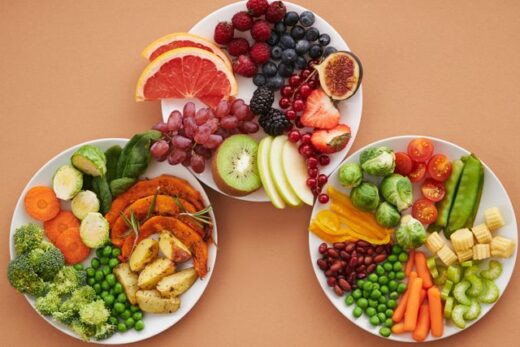
A detailed grocery list prevents impulse purchases and reduces preparation time. Prioritize whole, minimally processed foods. Lean proteins such as chicken breast, fish, tofu, or legumes provide satiety and muscle support. Complex carbohydrates like brown rice, quinoa, sweet potatoes, or whole-grain pasta offer sustained energy. Fresh or frozen vegetables ensure micronutrient diversity.
Shopping once or twice per week saves time and ensures that ingredients are available when needed. Consider selecting durable produce such as broccoli, carrots, and bell peppers, which hold up well after cooking and reheating.
Step 3: Dedicate Time for Batch Cooking
Meal prepping is most effective when scheduled intentionally. Setting aside two to three hours once or twice per week—often on weekends—allows for focused preparation. During this time, proteins can be grilled or baked, grains cooked in bulk, and vegetables roasted simultaneously.
Using efficient techniques enhances productivity. For example, sheet-pan cooking enables multiple ingredients to roast together, while slow cookers or pressure cookers reduce active preparation time. Batch cooking creates versatility; prepared ingredients can be assembled into different meals throughout the week to avoid monotony.
Consistency in preparation builds routine. Over time, meal prep becomes a streamlined system rather than a burdensome task.
Step 4: Focus on Proper Storage and Food Safety
Safe storage is essential to maintain freshness and nutritional integrity. Invest in high-quality, airtight containers that allow for portion control and easy transport. Glass containers are particularly effective for reheating and durability.
Most cooked meals can be safely stored in the refrigerator for three to four days. For longer storage, freezing portions prevents spoilage and provides convenient backup meals. Clear labeling with preparation dates ensures food safety and reduces waste.
Attention to hygiene—such as proper handwashing, separating raw and cooked foods, and cooking proteins to appropriate internal temperatures—minimizes health risks and maintains quality.
Step 5: Keep Meals Balanced and Enjoyable
One of the most common mistakes in meal prepping is sacrificing flavor for convenience. While simplicity is important, variety and seasoning maintain satisfaction. Herbs, spices, citrus, and healthy sauces can transform basic ingredients into appealing meals.
Balanced meals should include adequate protein to promote satiety, fiber-rich carbohydrates for digestive health, and healthy fats for nutrient absorption. Hydration is equally important; preparing infused water or herbal teas in advance can support overall wellness.
Occasional flexibility is also key. Including one or two convenient options—such as pre-washed greens or healthy frozen meals—prevents burnout and maintains realism.
Overcoming Common Challenges
Many individuals hesitate to meal prep due to perceived time constraints. Ironically, structured preparation often saves time during the week by eliminating daily cooking and decision-making. Another concern is monotony. Rotating ingredients weekly and experimenting with global flavors can prevent repetition.
For professionals with unpredictable schedules, partial meal prep may be more practical. Preparing only lunches or snacks can still significantly improve dietary consistency. Even small steps, such as chopping vegetables in advance or pre-cooking grains, contribute to efficiency.
The Long-Term Benefits
Meal prepping supports more than physical health; it reinforces discipline, planning skills, and stress reduction. When nutritious meals are readily available, energy levels stabilize and productivity improves. Individuals pursuing fitness goals benefit from controlled portions and consistent nutrient intake.
Research consistently links dietary quality to reduced risk of chronic conditions such as cardiovascular disease and type 2 diabetes. By establishing structured meal preparation habits, individuals align daily actions with long-term health outcomes.
Conclusion
Meal prepping for a busy lifestyle is not about rigid perfection; it is about preparation and intentionality. By dedicating time to planning, shopping strategically, cooking in batches, and storing food safely, individuals create a reliable system that supports both health and efficiency.
In an environment where time is limited and convenience dominates, proactive nutrition becomes a competitive advantage. A well-prepared meal is more than sustenance—it is a commitment to sustained energy, clarity, and performance. With consistency and thoughtful organization, meal prepping transforms from a weekly task into a powerful foundation for long-term wellness.
Online Internship with Certificate
You may be interested

Portion-Size Drift: Can Computer Vision Detect
Anshika Jain - October 23, 2026The amount of food people consider a normal serving is not determined by hunger alone. It is also influenced by household habits, plate sizes, restaurant menus, food…

Ingredient Substitution Effect: Can AI Identify When a Reformulated Food Changes
Anshika Jain - October 23, 2026Food manufacturers regularly reformulate products to reduce production costs, improve shelf life, respond to consumer preferences, meet sustainability goals, or accommodate dietary requirements. A biscuit may contain…

Peptide Signal Library: How Digested Proteins Generate Molecules
Anshika Jain - October 23, 2026Proteins are commonly understood as essential building materials that help the body maintain muscles, repair tissues, produce enzymes, and support numerous cellular functions. However, their role in…
Most from this category
Mucus Barrier Economy: How Food Interact With Intestine’s Protective Interface
Anshika Jain - October 23, 2026
Beta-Cell Stress Signatures: AI Reveal Changes in the Biology of Insulin Secretion
Anshika Jain - October 23, 2026
Intestinal Transporter: Can AI Predict Which Nutrients Compete During Absorption?
Anshika Jain - October 23, 2026
Computational Gastronomy: How AI Is Decoding the Molecular Architecture of Flavour
Anshika Jain - October 22, 2026
Mucus Barrier Economy: How Food Interact With Intestine’s Protective Interface
Anshika Jain - October 23, 2026Beta-Cell Stress Signatures: AI Reveal Changes in the Biology of Insulin Secretion
Anshika Jain - October 23, 2026Intestinal Transporter: Can AI Predict Which Nutrients Compete During Absorption?
Anshika Jain - October 23, 2026
Portion-Size Drift: Can Computer Vision Detect
October 23, 2026

Peptide Signal Library: How Digested Proteins Generate Molecules
October 23, 2026

.png)
Leave a Comment
You must be logged in to post a comment.