
Processed foods and their health effects


Processed foods have become a major part of modern diets across the world. In today’s fast-paced lifestyle, convenience often influences food choices, leading many individuals to rely on packaged meals, ready-to-eat snacks, sugary beverages, and fast food products. While food processing itself is not always harmful, the increasing consumption of highly processed foods has raised serious concerns regarding public health and nutrition.
Food processing refers to any method used to alter food from its natural state. This may include freezing, canning, cooking, drying, preserving, packaging, or adding ingredients to improve flavor, texture, or shelf life. Some forms of food processing are beneficial because they improve food safety, prevent spoilage, and make certain foods more accessible. However, ultra-processed foods often contain excessive amounts of sugar, unhealthy fats, sodium, artificial additives, and preservatives while lacking essential nutrients such as fiber, vitamins, and minerals.
The widespread availability and aggressive marketing of processed foods have contributed to major health challenges globally. Obesity, diabetes, heart disease, digestive disorders, and mental health concerns have all been linked to diets high in processed products. Despite these risks, processed foods remain attractive because they are convenient, affordable, and highly palatable.
Understanding the different types of processed foods and their effects on health is essential for making informed dietary choices. Rather than eliminating all processed foods completely, individuals can benefit from learning how to distinguish between minimally processed and heavily processed products while building healthier eating habits.
Understanding Processed Foods
The term “processed food” often creates confusion because nearly all foods undergo some form of processing before consumption. Washing vegetables, pasteurizing milk, freezing fruits, or grinding grains into flour are all examples of food processing. Not all processed foods are unhealthy.
Processed foods generally fall into different categories based on the level of processing involved. Minimally processed foods include products such as frozen vegetables, plain yogurt, roasted nuts, or whole-grain bread. These foods undergo limited changes and often retain most of their nutritional value.
Moderately processed foods may contain added ingredients such as salt, sugar, or oils to improve taste or preservation. Examples include canned beans, cheese, and packaged soups.
Ultra-processed foods, however, are heavily manufactured products that contain refined ingredients, artificial flavors, colorings, preservatives, sweeteners, and stabilizers. These foods are often designed to be highly appealing and convenient while requiring minimal preparation. Examples include sugary cereals, soft drinks, chips, instant noodles, packaged desserts, processed meats, and fast food items.
The health concerns associated with processed foods primarily relate to ultra-processed products because of their nutritional composition and their impact on eating behavior.
Why Processed Foods Are So Popular
Processed foods have become deeply integrated into modern lifestyles for several reasons. Convenience is one of the biggest factors. Many people have demanding work schedules, long commutes, or limited time for meal preparation, making ready-to-eat foods highly attractive.
Cost also plays a significant role. In many regions, processed foods are often cheaper and more accessible than fresh fruits, vegetables, and high-quality protein sources. Fast food meals and packaged snacks are heavily marketed as affordable options for busy consumers.
Taste is another major factor. Ultra-processed foods are carefully engineered to maximize flavor, texture, and satisfaction. High levels of sugar, salt, and fat stimulate pleasure centers in the brain, encouraging repeated consumption.
Aggressive advertising and food marketing further influence consumer behavior. Children and teenagers are especially vulnerable to marketing strategies promoting sugary snacks, beverages, and fast foods.
Additionally, processed foods offer long shelf life and convenience for storage, making them appealing for households seeking practical meal solutions.
While these benefits explain the popularity of processed foods, excessive reliance on them can negatively affect overall health and nutritional balance.
Nutritional Concerns Associated With Processed Foods
One of the main health concerns surrounding ultra-processed foods is their poor nutritional quality. Many processed products are calorie-dense but nutrient-poor, meaning they provide large amounts of calories without sufficient vitamins, minerals, fiber, or beneficial nutrients.
High sugar content is a major issue in many processed foods and beverages. Excessive sugar intake has been linked to obesity, type 2 diabetes, tooth decay, and metabolic disorders. Sugary drinks, desserts, flavored yogurts, breakfast cereals, and packaged snacks often contain hidden sugars that contribute significantly to daily calorie intake.
Sodium levels in processed foods are also concerning. Excess sodium consumption may increase blood pressure and raise the risk of heart disease and stroke. Processed meats, canned foods, frozen meals, and packaged snacks are common sources of high sodium intake.
Unhealthy fats, particularly trans fats and excessive saturated fats, are frequently found in fried foods, baked goods, and processed snacks. These fats may increase bad cholesterol levels and contribute to cardiovascular disease.
Ultra-processed foods are often low in dietary fiber, which is essential for digestive health, blood sugar regulation, and satiety. Low fiber intake may contribute to digestive problems and overeating.
Artificial additives, preservatives, and flavor enhancers are additional concerns. Although many additives are considered safe within regulated limits, ongoing research continues to examine their long-term health effects.
Processed Foods and Weight Gain
One of the most significant health effects associated with processed foods is weight gain and obesity. Ultra-processed foods are typically high in calories, sugar, and unhealthy fats while being low in fiber and protein, making them less filling and easier to overconsume.
Highly processed foods are often designed to encourage excessive eating by stimulating reward pathways in the brain. Their combination of salt, sugar, and fat can make them highly addictive and difficult to resist.
Because processed foods digest quickly, they may cause rapid spikes and crashes in blood sugar levels, leading to increased hunger and cravings shortly after eating. This cycle can encourage frequent snacking and overeating.
Portion sizes in processed food products and fast food meals have also increased significantly over time, contributing to higher calorie consumption.
Obesity itself increases the risk of numerous chronic diseases, including diabetes, heart disease, joint problems, and certain cancers. Therefore, reducing excessive processed food intake can play an important role in weight management and long-term health improvement.
Effects on Heart Health
Diets high in processed foods can negatively affect cardiovascular health in several ways. Excess sodium, unhealthy fats, and added sugars all contribute to increased risk factors for heart disease.
High sodium intake may lead to elevated blood pressure, which places additional strain on the heart and blood vessels. Over time, hypertension can increase the risk of heart attacks, strokes, and kidney disease.
Trans fats, once commonly used in processed foods to improve shelf life and texture, are strongly associated with increased bad cholesterol and reduced good cholesterol levels. Although many countries have introduced restrictions on trans fats, unhealthy fats remain present in many processed products.
Excessive sugar intake may contribute to inflammation, insulin resistance, obesity, and metabolic syndrome, all of which increase cardiovascular risk.
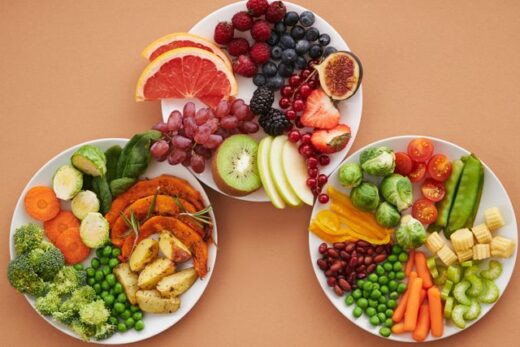
Individuals who consume diets rich in whole foods such as fruits, vegetables, whole grains, legumes, and healthy fats generally experience better heart health outcomes compared to those relying heavily on processed foods.
Impact on Digestive Health
The digestive system is heavily influenced by diet quality, and processed foods can disrupt digestive health in several ways.
Many ultra-processed foods lack sufficient dietary fiber, which supports healthy digestion and regular bowel movements. Fiber also nourishes beneficial gut bacteria that play important roles in immunity, metabolism, and overall health.
Low-fiber diets may contribute to constipation, bloating, and digestive discomfort. Additionally, artificial additives and preservatives found in some processed foods may negatively affect the balance of gut bacteria.
Emerging research suggests that poor gut health may influence not only digestion but also immune function, inflammation, and mental well-being. Diets rich in whole, fiber-containing foods generally promote healthier gut microbiomes compared to diets dominated by processed products.
Processed Foods and Mental Health
The relationship between nutrition and mental health has gained increasing attention in recent years. Studies suggest that diets high in ultra-processed food may be associated with increased risk of depression, anxiety, and mood disturbances.
Although mental health is influenced by many factors, nutrition plays an important role in brain function and emotional well-being. Processed food often lack nutrients essential for brain health, including omega-3 fatty acids, vitamins, minerals, and antioxidants.
Frequent consumption of sugary and highly processed foods may also contribute to energy fluctuations, irritability, and mood instability due to rapid changes in blood sugar levels.
Additionally, emotional eating patterns are often connected to processed comfort foods because of their highly rewarding taste profiles. This can create unhealthy cycles of stress eating and guilt.
While processed food alone do not directly cause mental illness, balanced nutrition supports overall psychological health and emotional resilience.
The Influence on Children and Adolescents
Children and teenagers are particularly vulnerable to the effects of processed food. Early eating habits often shape long-term dietary behaviors, making childhood nutrition critically important.
Many processed products marketed toward children contain excessive sugar, salt, and artificial additives. Frequent consumption of these foods may contribute to childhood obesity, poor concentration, dental problems, and unhealthy eating habits later in life.
School lunches, snack foods, sugary drinks, and fast food meals often dominate young people’s diets due to convenience and advertising influence. Poor nutrition during childhood and adolescence may also affect physical growth, cognitive development, energy levels, and academic performance.
Parents, schools, and communities all play important roles in promoting healthier food environments and encouraging balanced eating habits among young people.
Making Healthier Food Choices
Reducing processed food intake does not require complete elimination or unrealistic perfection. Instead, the goal is to create balance and prioritize nutrient-rich whole foods whenever possible.
Reading food labels can help individuals identify products high in sugar, sodium, unhealthy fats, or artificial additives. Choosing foods with simpler ingredient lists often supports healthier nutrition.
Preparing meals at home allows greater control over ingredients and portion sizes. Cooking with fresh vegetables, whole grains, lean proteins, legumes, nuts, and healthy oils can significantly improve diet quality.
Replacing sugary drinks with water, herbal teas, or natural beverages can reduce excessive sugar intake. Choosing whole fruits instead of processed snacks provides more fiber and nutrients.
Meal planning and mindful grocery shopping can also reduce dependence on convenience foods. Importantly, occasional enjoyment of processed food is not necessarily harmful within a balanced lifestyle. Long-term dietary patterns matter far more than isolated food choices.
The Role of Public Health and Food Industry
Addressing the health effects of processed food requires not only individual responsibility but also broader public health efforts.
Governments and health organizations increasingly promote nutritional education, food labeling regulations, and policies aimed at reducing unhealthy ingredients such as trans fats and excessive sugar.
Schools, workplaces, and communities can support healthier eating by improving food availability and nutrition awareness.
The food industry also holds significant influence over public dietary habits. Reformulating products to reduce harmful ingredients and promoting healthier alternatives may contribute to better public health outcomes.
However, consumers also play an important role by making informed decisions and supporting healthier food choices through purchasing habits.
Conclusion
Processed food have become a major part of modern diets due to their convenience, affordability, and widespread availability. While not all processed food are harmful, excessive consumption of ultra-processed products can negatively affect physical and mental health.
High levels of sugar, sodium, unhealthy fats, and artificial additives in processed food have been linked to obesity, heart disease, diabetes, digestive disorders, and other chronic health problems. Additionally, processed food often lack essential nutrients necessary for overall well-being.
Understanding the difference between minimally processed and heavily processed food allows individuals to make more informed dietary choices. Building healthier eating habits through balanced nutrition, home cooking, mindful eating, and increased consumption of whole foods can significantly improve long-term health outcomes.
Rather than striving for perfection, adopting a balanced and realistic approach to nutrition is the most sustainable strategy. By becoming more aware of the health effects of processed food, individuals can make choices that support better energy, improved well-being, and a healthier future.
Online Internship with Certificate
You may be interested

Portion-Size Drift: Can Computer Vision Detect
Anshika Jain - October 23, 2026The amount of food people consider a normal serving is not determined by hunger alone. It is also influenced by household habits, plate sizes, restaurant menus, food…

Ingredient Substitution Effect: Can AI Identify When a Reformulated Food Changes
Anshika Jain - October 23, 2026Food manufacturers regularly reformulate products to reduce production costs, improve shelf life, respond to consumer preferences, meet sustainability goals, or accommodate dietary requirements. A biscuit may contain…

Peptide Signal Library: How Digested Proteins Generate Molecules
Anshika Jain - October 23, 2026Proteins are commonly understood as essential building materials that help the body maintain muscles, repair tissues, produce enzymes, and support numerous cellular functions. However, their role in…
Most from this category
Mucus Barrier Economy: How Food Interact With Intestine’s Protective Interface
Anshika Jain - October 23, 2026
Beta-Cell Stress Signatures: AI Reveal Changes in the Biology of Insulin Secretion
Anshika Jain - October 23, 2026
Intestinal Transporter: Can AI Predict Which Nutrients Compete During Absorption?
Anshika Jain - October 23, 2026
Computational Gastronomy: How AI Is Decoding the Molecular Architecture of Flavour
Anshika Jain - October 22, 2026
Mucus Barrier Economy: How Food Interact With Intestine’s Protective Interface
Anshika Jain - October 23, 2026Beta-Cell Stress Signatures: AI Reveal Changes in the Biology of Insulin Secretion
Anshika Jain - October 23, 2026Intestinal Transporter: Can AI Predict Which Nutrients Compete During Absorption?
Anshika Jain - October 23, 2026
Portion-Size Drift: Can Computer Vision Detect
October 23, 2026

Peptide Signal Library: How Digested Proteins Generate Molecules
October 23, 2026

.png)
Leave a Comment
You must be logged in to post a comment.