
Why Spending Time in Nature Can Support Mental Wellness


Modern life has made it easier than ever to stay connected, informed, and entertained. Yet it has also created a lifestyle in which many people spend long hours surrounded by screens, traffic, notifications, deadlines, and crowded environments. Students study in front of laptops, professionals work at desks, and even leisure time can involve smartphones and streaming platforms.
In the middle of all this activity, nature offers something remarkably simple: a chance to slow down.
A walk through a park, sitting beneath a tree, listening to birds, watching the sunset, or spending time near a lake may seem like ordinary experiences. However, these moments can provide a valuable change from the constant stimulation of modern life.
Spending time in nature cannot replace professional mental-health care when someone needs it, but research increasingly suggests that contact with natural environments can support aspects of mental well-being, including relaxation, mood, attention, and stress management.
The most encouraging part is that connecting with nature does not necessarily require an expensive holiday or a trip into the wilderness. Sometimes, a nearby garden or quiet outdoor space can provide an opportunity to reconnect with the natural world.
What Does Mental Wellness Really Mean?
Mental wellness is more than simply feeling happy all the time.
Life naturally includes stress, disappointment, frustration, tiredness, and difficult emotions. Mental wellness is about developing the ability to manage everyday challenges, maintain meaningful relationships, experience positive emotions, and continue functioning through life’s ups and downs.
This is why small habits can matter.
Sleep, physical activity, social connection, healthy eating, hobbies, relaxation, and time away from constant digital stimulation can all contribute to a person’s overall well-being.
Nature can become another part of this broader picture.
It provides an environment in which people can pause, observe their surroundings, move their bodies, and temporarily step away from some of the demands of everyday life.
Why Nature Feels Different From Everyday Environments
Think about the difference between sitting in a busy office and sitting beneath a tree. The office may contain emails, notifications, conversations, deadlines, artificial lighting, and constant demands for attention.
The outdoor environment may contain wind moving through leaves, birdsong, sunlight, clouds, plants, and changing temperatures. Neither environment is inherently good or bad. But they require different kinds of attention.
Natural surroundings often provide softer and less demanding forms of stimulation. Instead of responding to notifications or solving problems, a person can simply observe what is happening around them. That change can feel refreshing.
Nature Can Provide a Break From Constant Stimulation
Modern technology has created an environment of continuous information. A smartphone can deliver messages, news, entertainment, advertisements, and social updates at almost any moment.
This constant availability can make genuine mental pauses difficult. Spending time outdoors provides an opportunity to put some distance between yourself and digital stimulation.
You do not necessarily have to abandon technology completely. Even choosing to leave your phone in your pocket while walking through a park can change the experience. Instead of looking down at a screen, you begin noticing trees, buildings, people, clouds, sounds, and movement. The world becomes the thing demanding your attention.
The Power of a Simple Walk
Walking is one of the easiest ways to combine nature exposure with physical activity. A short walk through a green space can provide movement while also giving the mind a change of environment.
The pace does not have to be fast. There is no requirement to treat every walk as exercise. Sometimes a slow walk is valuable precisely because it allows you to observe your surroundings.
You may notice flowers that you normally pass without seeing, hear birds you usually ignore, or become aware of the changing light during the day. These small moments of attention can make an ordinary walk feel surprisingly restorative.
Nature and Stress
Stress is a normal part of life. Students may worry about examinations and assignments. Professionals may face deadlines and responsibilities. Parents may balance work and family demands.
A certain amount of stress can motivate action, but prolonged stress can become exhausting. Nature may provide an environment that helps people relax and recover from everyday pressures.
Research on nature exposure has found associations with reduced stress and improved well-being, although responses vary from person to person. The important idea is not that a walk in a park magically removes every problem.
Instead, it can provide a temporary change in physical and mental surroundings. Sometimes that small pause is enough to return to a challenge with a clearer mind.
Green Spaces and Emotional Well-Being
Parks, gardens, forests, and other green spaces can create opportunities for positive experiences. Plants and natural landscapes provide visual variety that can feel very different from concrete buildings and screens.
Sunlight, fresh air, changing weather, natural sounds, and open space can also influence how an environment feels. For some people, spending time in a green space can lift their mood.
Even a small urban garden can provide this experience. This is important because access to nature does not always depend on living near a forest or mountain.
You Do Not Need to Live in the Countryside
One misconception about nature and mental wellness is that people need to travel to remote landscapes to experience meaningful benefits. That is not necessarily true. Nature can exist within cities.
A public park, botanical garden, riverside path, community garden, tree-lined street, lake, or even a small balcony with plants can provide opportunities to interact with natural elements.
The quality and experience of these environments will differ, but the principle remains simple: look for ways to include more contact with the natural world in everyday life.
Nature Can Encourage Mindfulness
Mindfulness involves paying attention to the present moment rather than becoming completely absorbed in thoughts about the past or future. Nature can make this easier because it provides many details to observe.
You can pay attention to the sound of wind, the texture of tree bark, the movement of water, the smell of soil after rain, or the warmth of sunlight. These experiences encourage attention toward what is happening right now.
You do not need to sit cross-legged or follow a formal meditation program. Simply observing your surroundings carefully can become a form of mindful awareness.
The Sounds of Nature Matter
Natural sounds can be particularly calming.
Birds singing, rain falling, water moving, leaves rustling, or wind passing through trees can create a different auditory environment from traffic, construction, machinery, and electronic notifications.
For someone accustomed to constant urban noise, even a short period in a quieter natural setting can feel refreshing.
This is one reason people sometimes seek beaches, forests, mountains, or rural landscapes when they need a break. The absence of constant artificial noise can itself feel like a form of rest.
Nature and Attention
Our attention is constantly being requested. Advertisements want us to look. Notifications want us to respond. Social media wants us to scroll. Work requires concentration. Messages interrupt our thoughts.
This can leave the mind feeling mentally crowded. Natural environments may offer what researchers sometimes describe as soft fascination—features that attract attention without demanding the same level of directed effort as many everyday tasks.
Watching leaves move in the wind or observing clouds does not require the same concentration as reading a difficult report. This can provide a gentle mental break.
Why Looking at Greenery Can Feel Restorative
Humans have spent much of their history living closely with natural environments.While modern life has transformed our surroundings, our attraction to natural landscapes remains widespread.
Trees, water, open spaces, flowers, and sunlight can create visual experiences that many people find pleasant. Even looking at natural scenery through a window can provide a small psychological change from staring at walls or screens.
This does not mean that nature affects everyone in exactly the same way. Personal preferences, memories, accessibility, weather, culture, and individual circumstances all influence how people experience outdoor environments.
Nature Can Encourage Physical Activity
Nature and movement often naturally go together. A person who visits a park may walk.
Someone who goes to a beach may explore the shoreline. A trip to the mountains may involve hiking. Gardening requires bending, reaching, lifting, and walking. This matters because physical activity itself is associated with mental-health benefits.
When nature encourages movement, the two experiences can complement each other. A simple outdoor walk therefore offers several possibilities at once: changing scenery, physical activity, fresh air, and a break from screens.
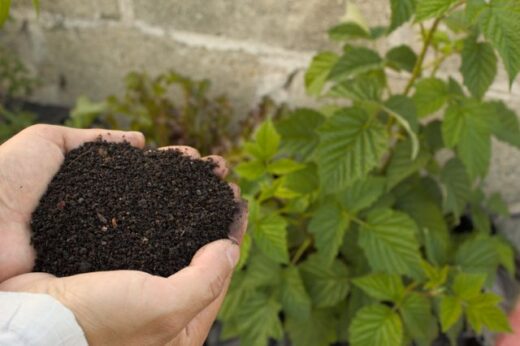
Gardening as a Connection With Nature
Not everyone enjoys hiking or long walks. Gardening offers another way to connect with nature.
Planting flowers, growing herbs, caring for vegetables, watering plants, or simply watching something grow can create a sense of involvement with the natural world.
Gardening can also encourage patience. Plants do not respond instantly. Growth happens gradually.
In a culture built around immediate digital feedback, caring for something that develops slowly can be surprisingly grounding. Even a few pots on a balcony can create a small personal connection with nature.
Nature Can Create Space for Reflection
When life becomes busy, people may have little opportunity to think without interruption. Spending time outdoors can create a natural pause.
A person might sit beside a lake and think about the week. Someone might walk through a park while considering a difficult decision. Another person may simply sit quietly without trying to solve anything.
Reflection does not always require finding an answer. Sometimes the value lies in creating enough quiet to notice how you are actually feeling.
Social Connection in Natural Spaces
Nature does not have to be experienced alone. Walking with a friend, having a picnic with family, visiting a park together, or participating in outdoor activities can combine nature with social connection.
Relationships are an important part of mental wellness. A conversation during a walk can sometimes feel different from a conversation while both people are looking at their phones.
Walking side by side can make conversation feel less formal and provide opportunities to talk without the pressure of maintaining constant eye contact.
Nature Can Help Create Healthy Routines
A habit becomes easier to maintain when it is connected to an existing routine.
Someone might take a short walk after lunch. Another person might spend ten minutes watering plants in the evening. A student might study outdoors for part of the day when appropriate.
These small routines can create predictable moments of pause. The objective is not to turn nature into another productivity task.
In fact, one of the benefits may come precisely from allowing outdoor time to exist without demanding an achievement from it.
A Break From Productivity Culture
Modern life often encourages people to measure time through productivity. If you are not studying, working, exercising, or completing a task, you may feel as though you should be doing something useful.
Nature can challenge this mindset. Watching a sunset has no measurable productivity outcome. Sitting under a tree may not produce a certificate or completed assignment. Yet these experiences can still have value.
Rest is part of a healthy life. Not every moment needs to produce something.
Nature and Students
Students face a unique combination of academic pressure, digital learning, social expectations, and screen exposure. Spending time outdoors can provide a useful change from studying.
A student can take a walk between study sessions, read a book in a garden, sit outside during a break, or simply spend some time away from the computer. The goal is not to avoid studying.
Instead, outdoor breaks can create separation between periods of intense concentration. A short change of environment may make it easier to return to academic work feeling refreshed.
Nature and Screen Balance
Screens are not inherently harmful. Students and professionals rely on technology for education, work, communication, and entertainment.
The problem arises when screens occupy almost every available moment. Nature can become one part of a healthier digital balance.
A walk without scrolling, a meal outdoors without checking messages, or an evening spent watching the sunset instead of another video can create valuable alternatives.
The aim is not to eliminate technology. It is to ensure that technology does not become the only source of stimulation and entertainment.
The Emotional Effect of Sunlight and Fresh Air
Outdoor environments expose people to natural light and fresh air. Daylight plays an important role in the body’s circadian rhythms, which help regulate sleep and wakefulness.
Spending time outside during the day can therefore be a useful part of maintaining healthy daily routines. Fresh air and natural surroundings can also make an outdoor experience feel physically different from being inside for long periods.
Of course, weather conditions, pollution, allergies, and individual health circumstances matter. Outdoor time should be adapted to the environment and personal needs.
Nature Is Not a Cure for Mental Health Conditions
It is important to maintain realistic expectations. Nature can support well-being, but it should not be presented as a cure for depression, anxiety disorders, or other mental-health conditions.
Someone experiencing persistent distress, severe symptoms, or difficulty functioning should seek appropriate professional support.
A walk in a park can be a healthy activity, but it is not a substitute for therapy, medical treatment, or other forms of professional care when those are needed. The healthiest approach is to see nature as one possible component of a broader wellness routine.
Making Nature Part of Everyday Life
The biggest obstacle is often the belief that nature requires a large amount of free time. It does not. You can start small.
A few minutes sitting outdoors can be meaningful. A short walk around the neighborhood can provide a change of scenery. Caring for plants can create a daily connection with nature.
Over time, these small moments can become normal parts of life. The goal is consistency rather than dramatic experiences.
What If You Do Not Enjoy Outdoor Activities?
Not everyone enjoys hiking, camping, or long walks. That is perfectly fine. Nature can be experienced in many ways.
You might prefer sitting in a garden, photographing plants, caring for indoor greenery, listening to rain, visiting a botanical garden, or simply opening a window and paying attention to the sounds outside.
Mental wellness is personal. The best nature-based activity is one that feels comfortable and enjoyable enough to repeat.
Create Your Own Nature Ritual
A small ritual can make outdoor time more meaningful. Perhaps every morning you spend a few minutes on a balcony with a cup of tea. Maybe you take a short evening walk after finishing work.
Perhaps weekends become an opportunity to visit a nearby park. The ritual does not need to be complicated.
What matters is creating a moment when you deliberately step away from constant demands and reconnect with your surroundings. Over time, that simple ritual can become something you look forward to.
The Beauty of Doing Nothing
One of the most underrated benefits of nature may be the permission to do nothing.Watch the clouds.Listen to birds.
Feel the breeze.Observe the changing light. In a world where attention is constantly being monetized and productivity is constantly encouraged, moments of purposeless observation can feel surprisingly valuable.
Conclusion
Spending time in nature can be one of the simplest ways to create more space for mental wellness in everyday life.
Nature does not demand expensive equipment or complicated routines. A park, garden, tree-lined street, balcony, lake, or quiet outdoor space can provide an opportunity to step away from constant digital stimulation and reconnect with the physical world.
Time outdoors can support relaxation, encourage movement, create opportunities for mindfulness, provide a change of scenery, and make room for reflection and social connection.
The most important thing is not how spectacular the landscape is. You do not need a mountain range or a tropical forest to benefit from noticing the natural world around you.
Sometimes, wellness can begin with something remarkably ordinary: walking beneath a tree, listening to the wind, feeling sunlight on your face, and giving yourself permission to slow down.
Nature cannot solve every problem, and it should never replace professional mental-health support when that support is needed. But as one part of a balanced lifestyle, it can offer something modern life often forgets to provide—quiet, space, movement, and a moment to simply be.
Online Internship with Certificate
You may be interested

First-Pass Metabolism of Nutrients: Intestine and Liver Transform What We Eat
Anshika Jain - October 15, 2026The journey of nutrients does not end when food has been digested and absorbed. Before many nutrients reach the wider circulation and become available to tissues throughout…

Endocrine Architecture of Eating: Gut Hormones Coordinate Nutrient Processing
Anshika Jain - October 15, 2026Eating is often understood as a simple response to hunger or a way to obtain energy. In reality, food intake is regulated by a sophisticated biological communication…

Metabolic Cost of Digestion: Diet-Induced Thermogenesis Beyond Calorie Intake
Anshika Jain - October 15, 2026Food provides the energy required to maintain body temperature, support physical activity, regulate organ function, and sustain cellular processes. However, the energy obtained from food is not…
Most from this category


Enterohepatic Circulation of Nutrients: Intestine Coordinate Metabolic Recycling
Anshika Jain - October 15, 2026

Food Matrix Effects: Food Can Matter as Its Nutrient Composition
Anshika Jain - October 15, 2026Biology of Nutrient Competition: Minerals Interact During Absorption
Anshika Jain - October 15, 2026Enterohepatic Circulation of Nutrients: Intestine Coordinate Metabolic Recycling
Anshika Jain - October 15, 2026



Food Matrix Effects: Food Can Matter as Its Nutrient Composition
October 15, 2026
.png)
Leave a Comment
You must be logged in to post a comment.