
Why Warm-Ups and Cool-Downs Deserve More Attention

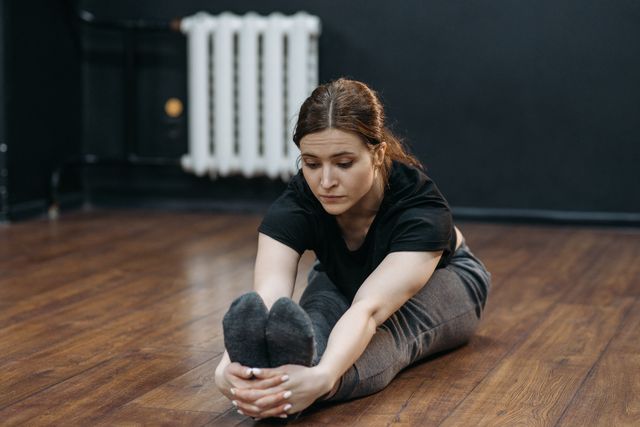
Exercise routines often receive attention for the main activity. People plan their running distance, choose their strength-training exercises, track calories, count repetitions, or measure workout duration. Yet two important parts of a workout are frequently treated as optional: the warm-up before exercise and the cool-down afterward.
Warm-ups and cool-downs may not feel as demanding or impressive as the main workout, but they play an important role in how a person transitions into and out of physical activity. A warm-up gradually prepares the body for exercise, while a cool-down allows the intensity of activity to decrease progressively. The U.S. Physical Activity Guidelines describe warm-ups and cool-downs as acceptable parts of an exercise session, noting that a warm-up can gradually increase heart rate and breathing, while a cool-down allows them to decrease gradually.
The importance of these phases becomes clearer when exercise is viewed as a complete process rather than a single block of intense activity. The body does not instantly move from rest to demanding physical effort, nor does it necessarily need to stop abruptly when a workout ends. A gradual transition can make the overall exercise experience more controlled and purposeful.
Understanding warm-ups and cool-downs does not mean every workout needs a complicated routine. Instead, it means recognising when preparation and recovery deserve attention and learning how to adapt them to the type and intensity of exercise.
What Happens During a Warm-Up?
A warm-up is a period of lower-intensity movement performed before the main exercise session. Its basic purpose is to prepare the body gradually for the activity that follows.
When a person moves from rest into moderate or vigorous exercise, breathing and heart rate need to increase. A warm-up allows this transition to happen progressively rather than immediately demanding high physical effort. The CDC’s Physical Activity Guidelines explain that warm-ups before moderate- or vigorous-intensity aerobic activity allow a gradual increase in heart rate and breathing.
A warm-up can also introduce movement patterns that will appear during the workout. For someone preparing to run, walking or easy jogging can gradually lead into running. Someone preparing for resistance training may perform lighter versions of the movements they intend to train. ACSM guidance for youth resistance training similarly recommends dynamic warm-up activities that increase blood flow to the muscles without creating fatigue and that mimic movements used in the training session.
The central principle is therefore preparation rather than exhaustion. A warm-up should help a person feel ready to exercise rather than leave them tired before the main session begins.
Why Starting Slowly Matters
Many people begin exercise with enthusiasm and move directly into their highest planned intensity. While motivation is valuable, an immediate jump from inactivity to demanding exercise can make the transition unnecessarily abrupt.
Starting at a lower intensity allows the body to adjust to the demands of movement. The muscles begin working more actively, breathing increases, and the cardiovascular system responds progressively.
This gradual approach is particularly relevant when the planned exercise is intense, unfamiliar, or performed after a long period of inactivity. The CDC recommends starting slowly and building duration or intensity gradually when people face barriers such as low energy or concerns about injury.
A warm-up therefore represents more than a collection of stretches. It establishes a bridge between rest and exercise.
Dynamic Movement Versus Static Stretching
Warm-ups are sometimes associated almost entirely with stretching. However, stretching and warming up are not exactly the same thing.
Dynamic movements involve actively moving the body through controlled ranges of motion. They can be particularly useful when preparing for an activity that requires movement, coordination, and muscular effort. A person might gradually practise the movements that will appear in the workout rather than simply holding static positions.
Static stretching involves holding a position for a period of time. It can have a place within an overall fitness programme, particularly when flexibility is one of the goals. However, the specific role of static stretching depends on the activity and timing.
For example, a person preparing for strength training may benefit from performing lighter versions of the exercises they are about to complete. Someone participating in a sport may use controlled movements that resemble the demands of that sport.
The purpose of a warm-up should therefore guide its structure. It is not necessary to perform every possible stretching exercise before every workout.
Warm-Ups Should Reflect the Main Activity
A useful warm-up is generally connected to what comes next. The body should gradually rehearse the movement patterns and intensity required by the main activity.
A brisk walk before jogging provides a simple example. The person begins with relatively easy movement and gradually increases the pace. Before resistance training, lighter sets can help prepare the muscles and reinforce the movement pattern before heavier work.
The CDC specifically notes that warm-ups for muscle-strengthening activities commonly involve performing exercises with lighter weight.
This principle can be applied across different forms of exercise. A swimmer may gradually increase swimming intensity, a cyclist may begin with easy pedalling, and an athlete may practise controlled versions of sport-specific movements.
The warm-up does not have to look identical across activities because its purpose is preparation for the particular demands that follow.
Warm-Ups and Exercise Confidence
Preparation can also influence how a workout feels psychologically. Moving gradually into an activity gives people an opportunity to assess how their body feels before they increase intensity.
A person may notice stiffness, unusual discomfort, fatigue, or reduced coordination during the warm-up. This information can help them decide whether they should modify the planned session rather than automatically proceeding with the original intensity.
This does not mean every minor sensation indicates a problem. Exercise can naturally feel challenging, especially when intensity increases. However, learning to distinguish ordinary exertion from unusual or concerning symptoms is an important part of responsible exercise.
A warm-up can therefore function as a transition not only for the body but also for attention. It gives the individual time to focus on technique, breathing and movement before the workout becomes more demanding.
What Is a Cool-Down?
If a warm-up prepares the body for exercise, a cool-down provides a gradual transition back toward lower-intensity activity.
After a demanding workout, stopping immediately can feel very different from gradually reducing intensity. A cool-down may involve continuing the same activity at a slower pace or switching to gentle movement.
The Physical Activity Guidelines describe cool-down activity as a gradual decrease in activity intensity at the end of an exercise episode.
For a runner, this might mean moving from running to jogging and then walking. For someone completing a cycling workout, it could mean gradually reducing resistance and speed. After a strength session, the transition may involve gentle movement and recovery activities rather than abruptly ending the session.
The objective is to reduce activity progressively rather than treating the final repetition or final minute as an immediate stop.
Why the Cool-Down Deserves Attention
People often spend considerable time planning the beginning and middle of a workout but finish suddenly because they are in a hurry. The cool-down can therefore become the first part of the session to disappear.
Yet the end of exercise is still part of the exercise experience. A gradual reduction in intensity gives the body time to transition from demanding movement toward resting conditions.
The CDC describes gradual cooling down as a way to allow heart rate and breathing to decrease at the end of activity.
This does not mean that every person requires an elaborate ten- or fifteen-minute recovery routine after every type of exercise. The appropriate cool-down depends on the activity, intensity, duration and individual circumstances.
The important idea is that the workout should not necessarily end with an abrupt transition from maximum effort to complete inactivity.
The Role of Stretching After Exercise
Cool-down periods are commonly associated with stretching, and stretching can be included after exercise when appropriate.
Static stretching may fit naturally into a cool-down because the body is already moving away from the higher-intensity phase of exercise. ACSM guidance for youth resistance training, for example, identifies static stretching as appropriate during the cool-down phase.
However, stretching should not be confused with the entire purpose of cooling down. A cool-down can simply involve gradually reducing exercise intensity. Stretching is an additional component that may be useful depending on the person’s goals and programme.
This distinction is important because people sometimes believe that a workout has not been properly completed unless they perform a specific collection of stretches. In reality, the structure of a cool-down can be adapted to the activity and individual needs.
Warm-Ups, Cool-Downs and Injury Prevention
Warm-ups and cool-downs are often described as tools for preventing injury. The relationship is more nuanced than suggesting that performing a warm-up guarantees protection from injury.
Exercise safety depends on many factors, including training volume, technique, equipment, recovery, fitness level, environment and how quickly activity intensity is increased. The Physical Activity Guidelines state that warm-ups and cool-downs are commonly recommended as part of approaches to reduce injury and adverse events, while also emphasising appropriate precautions and sensible progression.
A warm-up can contribute to a sensible exercise process by gradually increasing activity and preparing movement patterns. A cool-down provides a controlled transition away from intense exercise. Neither should be viewed as a substitute for appropriate training progression or professional assessment when someone has a health concern or injury.
This broader perspective prevents warm-ups and cool-downs from being treated as magical protective routines.
Why They Matter More During Intense Exercise
The harder the workout, the more important it can become to think about how the body enters and exits that intensity.
High-intensity running, demanding resistance training, competitive sports and challenging interval workouts place greater immediate demands on the cardiovascular and muscular systems than gentle movement. A gradual transition can make the session more structured.
For example, someone preparing for sprint intervals would generally have different preparation needs from someone taking a relaxed walk. Similarly, a person performing heavy resistance exercises may require movement-specific preparation and lighter sets before working with heavier loads.
The principle is simple: preparation should reflect demand. The more demanding the activity, the more carefully the transition into that activity should generally be considered.
Warm-Ups for Beginners
Warm-ups can be particularly useful for people who are new to exercise because beginners may not yet know how their bodies respond to different levels of intensity.
A gradual start allows a new exerciser to become familiar with breathing, movement patterns and exercise technique before increasing effort. It also provides an opportunity to understand how different exercises feel.
Beginners do not need complicated routines. A few minutes of easier movement that gradually resembles the planned activity may be sufficient for many sessions. CDC educational materials have similarly described warm-up and cool-down periods of several minutes of lower-intensity activity as practical components of exercise.
The emphasis should be on consistency and suitability rather than complexity.
Warm-Ups and Cool-Downs for Busy People
One reason people skip these phases is the perception that they require too much additional time. Someone with a thirty-minute workout may feel that spending ten minutes preparing and recovering leaves insufficient time for the main exercise.
However, warm-ups and cool-downs do not necessarily need to be long or complicated. Their duration can be adjusted to the type and intensity of the workout. A short session may require a relatively brief transition, while a demanding workout may justify more preparation.
The CDC notes that warm-up and cool-down activities can be part of a person’s overall physical activity plan, and activity performed at sufficient intensity may contribute toward aerobic activity totals.
Instead of thinking of these periods as time taken away from the workout, people can consider them part of the workout structure itself.
The Importance of Listening to the Body
A good warm-up and cool-down should not encourage people to ignore pain or push through symptoms that require attention.
Normal exercise sensations can include increased breathing, muscle effort and temporary fatigue. However, unusual symptoms should not automatically be dismissed as a normal part of warming up or cooling down.
People who experience sharp or persistent pain, significant swelling, dizziness, faintness, unusual shortness of breath, or other concerning symptoms should stop and seek appropriate medical guidance. CDC guidance on exercise-related pain also recommends modifying activity when necessary and seeking medical advice for certain persistent or severe symptoms.
This is particularly important for people with existing health conditions, previous injuries, or concerns about starting a new exercise programme.
Warm-Ups and Cool-Downs as Part of a Sustainable Fitness Habit
A sustainable fitness routine is not simply about completing difficult workouts. It is about developing a process that allows a person to exercise consistently and appropriately over time.
Warm-ups can make the transition into exercise more deliberate, while cool-downs can provide a clear ending to the session. Together, they create structure around the main workout.
This structure can also encourage people to think beyond short-term performance. Instead of asking only how many calories were burned or how much weight was lifted, individuals can consider whether they prepared adequately, used appropriate technique, managed intensity and allowed their bodies to transition back toward rest.
Such habits can support a more thoughtful relationship with exercise.
The Bigger Picture of Exercise Preparation and Recovery
Warm-ups and cool-downs should also be considered alongside other aspects of exercise safety and recovery. Regular physical activity remains important for overall health, and current CDC guidance recommends that adults accumulate at least 150 minutes of moderate-intensity aerobic activity or 75 minutes of vigorous-intensity activity each week, together with muscle-strengthening activity on at least two days each week.
Warm-ups and cool-downs do not replace these broader recommendations. Instead, they support the way exercise sessions are organised.
The same principle applies to sleep, hydration, nutrition, rest days, gradual progression and appropriate exercise technique. Fitness is not created by one isolated habit. It develops through a combination of behaviours that make regular physical activity manageable and sustainable.
Conclusion
Warm-ups and cool-downs may be the least dramatic parts of an exercise session, but they deserve more attention because they help create a gradual transition into and out of physical activity. A warm-up prepares the body by progressively increasing movement and intensity, while a cool-down reduces activity gradually after the main workout.
Neither needs to be complicated. A warm-up can involve easier versions of the movements that will follow, while a cool-down can involve progressively slower movement and, when appropriate, gentle stretching. The exact approach should depend on the activity, intensity, fitness level and individual circumstances.
The most important lesson is that exercise does not begin with the hardest repetition and does not necessarily end with the final one. Preparation and transition are part of the process. Giving them appropriate attention can make workouts more structured, controlled and sustainable.
As more people incorporate exercise into their daily lives, the focus should extend beyond completing workouts as quickly as possible. Moving well also means preparing the body, managing intensity and allowing a sensible transition back toward rest. Warm-ups and cool-downs deserve attention not because they make exercise more complicated, but because they make the entire exercise experience more complete.
Online Internship with Certificate
You may be interested

First-Pass Metabolism of Nutrients: Intestine and Liver Transform What We Eat
Anshika Jain - October 15, 2026The journey of nutrients does not end when food has been digested and absorbed. Before many nutrients reach the wider circulation and become available to tissues throughout…

Endocrine Architecture of Eating: Gut Hormones Coordinate Nutrient Processing
Anshika Jain - October 15, 2026Eating is often understood as a simple response to hunger or a way to obtain energy. In reality, food intake is regulated by a sophisticated biological communication…

Metabolic Cost of Digestion: Diet-Induced Thermogenesis Beyond Calorie Intake
Anshika Jain - October 15, 2026Food provides the energy required to maintain body temperature, support physical activity, regulate organ function, and sustain cellular processes. However, the energy obtained from food is not…
Most from this category



Enterohepatic Circulation of Nutrients: Intestine Coordinate Metabolic Recycling
Anshika Jain - October 15, 2026

Food Matrix Effects: Food Can Matter as Its Nutrient Composition
Anshika Jain - October 15, 2026Biology of Nutrient Competition: Minerals Interact During Absorption
Anshika Jain - October 15, 2026Enterohepatic Circulation of Nutrients: Intestine Coordinate Metabolic Recycling
Anshika Jain - October 15, 2026



Food Matrix Effects: Food Can Matter as Its Nutrient Composition
October 15, 2026
.png)
Leave a Comment
You must be logged in to post a comment.