
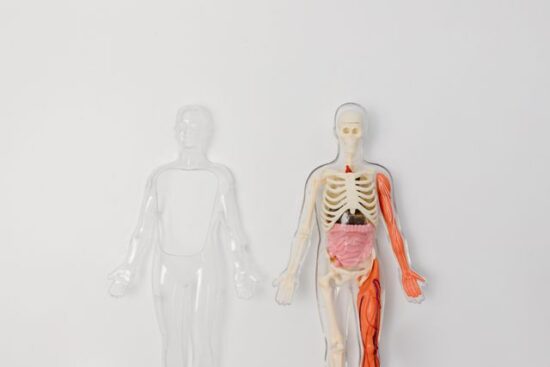
Biological Redundancy Analysis: Which Body Systems Compensate When Another System Begins to Fail
Anshika Jain - November 12, 2026The human body is not a collection of independent organs performing isolated tasks. It is an interconnected biological system in which different organs, tissues and regulatory pathways…
Cellular Stress Communication Networks: Stressed Cells Influence Neighbouring Healthy Cells
Anshika Jain - November 12, 2026Cells do not respond to stress in isolation. When a cell experiences DNA damage, oxidative stress, inflammation, nutrient deprivation or exposure to harmful substances, it can release…
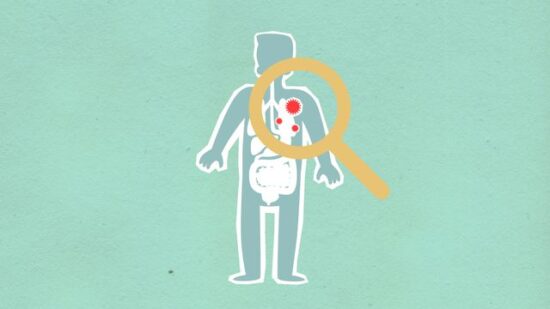
Gut Virome Intelligence: Infect Bacteria Influence the Human Gut Ecosystem
Anshika Jain - November 6, 2026The human gut is home to a complex ecosystem containing bacteria, fungi, archaea and viruses. While gut bacteria have received considerable attention in research on digestion, immunity…
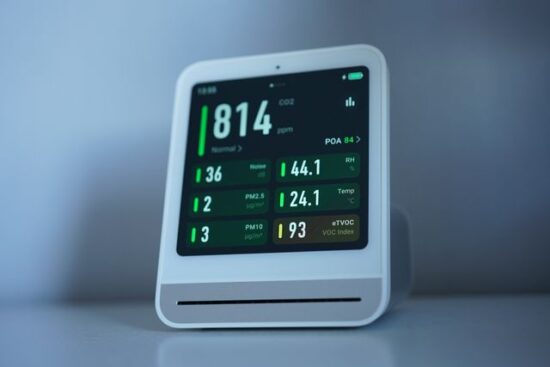
Human–Environment Health Interaction Maps: AI Connect Indoor Lighting
Anshika Jain - November 6, 2026Human health is influenced not only by genetics, nutrition, physical activity and medical care but also by the environments in which people spend their everyday lives. Homes,…
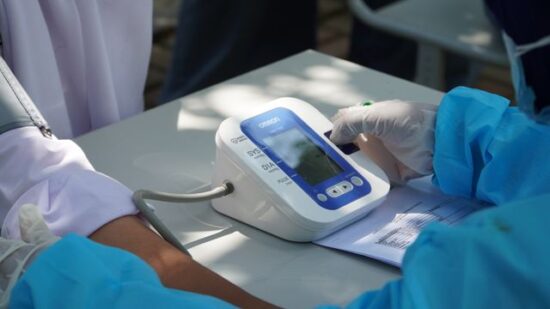
AI Predict Which Preventive Health Interventions Will Remain Effective
Anshika Jain - November 6, 2026Preventive healthcare traditionally focuses on identifying risk factors and recommending interventions that can reduce the likelihood of disease. However, a life-course approach recognises that health is shaped…
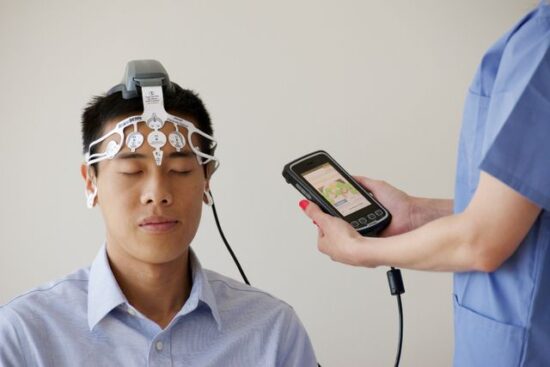
Science of Medical Device Fatigue: People Stop Using Health Technologies
Anshika Jain - November 6, 2026Medical device fatigue describes the gradual physical, cognitive or emotional exhaustion that can develop when people repeatedly interact with health technologies as part of their care. It…
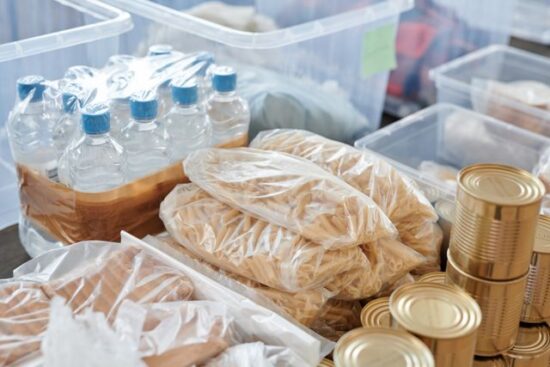
AI Model How Food Packaging Chemicals Migrate Into Different Types of Food
Anshika Jain - November 6, 2026Food packaging is designed to protect products from contamination, moisture, oxygen, physical damage and changes in quality during storage and transportation. Plastic bottles, multilayer wrappers, paper cartons,…
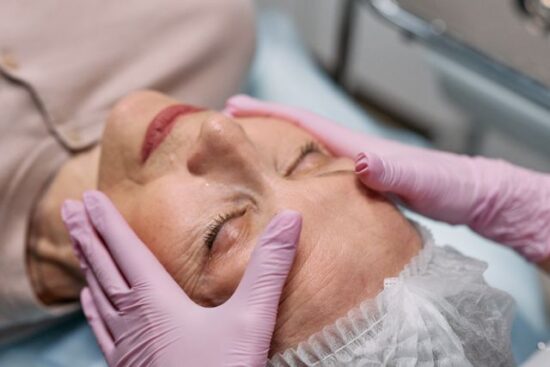
Biological Tissue Aging Maps: AI Distinguish Functional Aging From Changes in Appearance
Anshika Jain - November 6, 2026Aging is often recognised through visible changes. Wrinkles become more pronounced, skin loses elasticity, hair changes colour, facial contours shift and posture may gradually become different. These…
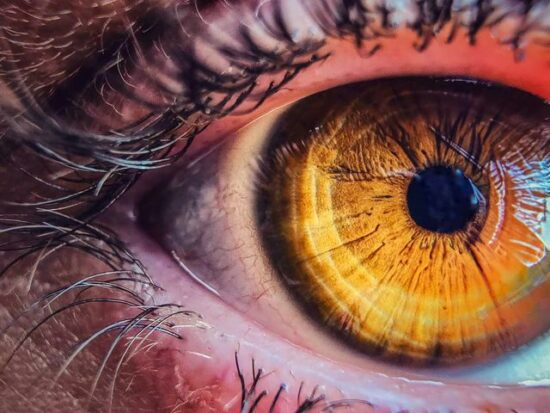
Retinal Microvascular Intelligence: Early Signs of Changes Beyond Eye Health
Anshika Jain - November 5, 2026The human eye provides more than the ability to see. It also offers a unique opportunity to observe biological structures that reflect the condition of the body's…
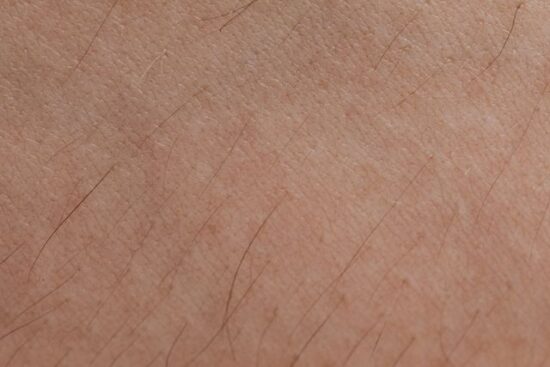
Hair Follicle Biology AI: Machine Learning Distinguish Nutritional Factors
Anshika Jain - November 5, 2026Hair changes are often treated as cosmetic concerns, but the biology behind hair growth is considerably more complex. Hair thinning, excessive shedding, changes in texture and reduced…
.png)