

Cartilage Health Modelling: Structural Changes Associated With Joint Deterioration
Anshika Jain - November 5, 2026Joint health depends on the coordinated functioning of several structures, including cartilage, bones, ligaments, tendons, muscles and the surrounding synovial tissue. Among these components, articular cartilage plays…

Muscle Regeneration Intelligence: Nutritional Patterns Support Muscle Repair
Anshika Jain - November 5, 2026Muscle recovery is a complex biological process that involves more than simply resting after exercise or consuming enough protein. Whenever muscles experience physical stress, whether through resistance…

Smart Wound Healing Intelligence: Wound Visible Recovery Becomes Obvious
Anshika Jain - November 5, 2026Wound healing is a complex biological process that involves several coordinated activities, including blood clotting, inflammation, tissue repair and the formation of new skin. Although many minor…
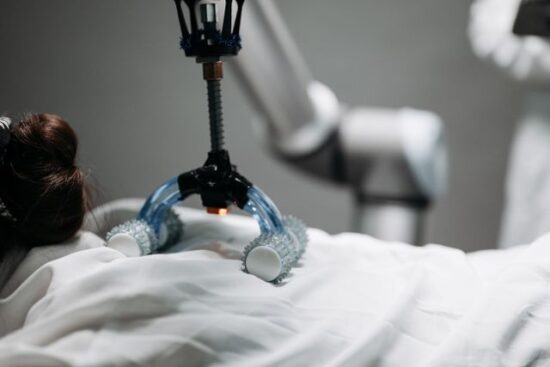
Bioprinting Quality Intelligence: Lab-Printed Human Tissue Will Function Properly
Anshika Jain - November 5, 2026Advances in biotechnology are changing how scientists approach the development of human tissues for medical research, drug testing and regenerative medicine. One of the most promising developments…
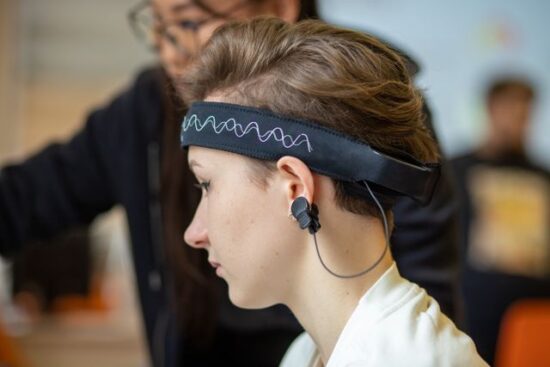
Proprioceptive Health Intelligence: Brain Understands Body Position and Movement?
Anshika Jain - November 4, 2026Every movement performed by the human body depends on an intricate communication system that operates largely without conscious attention. Walking across a room, climbing stairs, maintaining balance,…
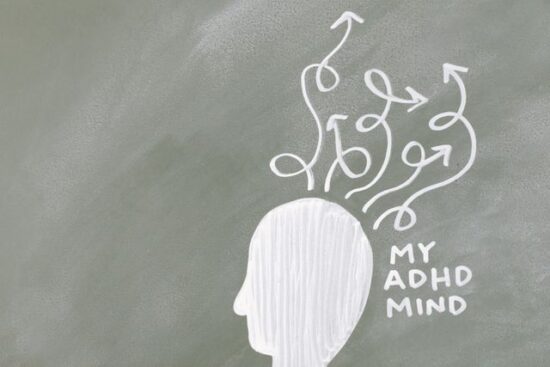
Neuroplasticity Mapping: Daily Experiences Reshape Learning and Cognitive Adaptation
Anshika Jain - November 4, 2026The human brain is continuously changing in response to everyday experiences. Learning a new language, practising a musical instrument, navigating an unfamiliar environment, solving complex problems, developing…
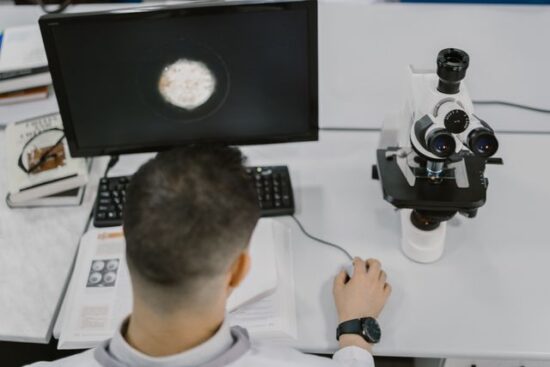
Digital Organoid Research: Miniature Lab-Grown Organs
Anshika Jain - November 4, 2026Understanding how the human body responds to food is more complicated than identifying the nutrients present in a meal. Two people consuming the same food may experience…
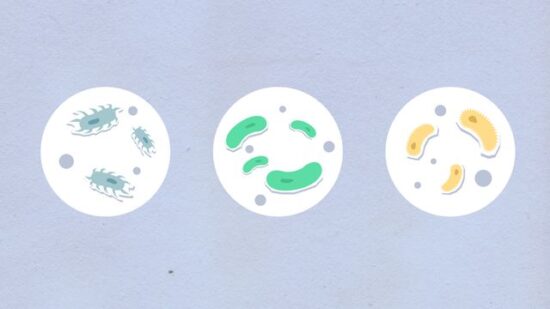
Microbial Metabolite Signatures: Bacterial Byproducts Have Biological Effects
Anshika Jain - November 4, 2026The human gut contains a diverse community of microorganisms that actively participate in digestion, nutrient transformation and communication with the rest of the body. Although bacteria are…
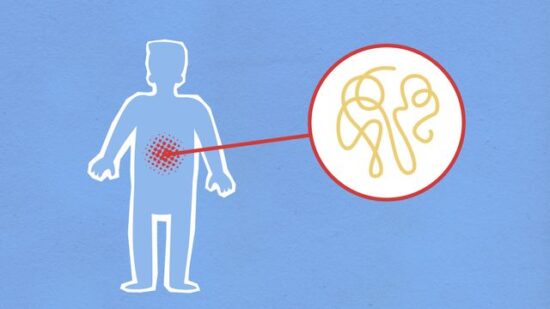
Epithelial Immunity Mapping: Intestinal Cells Coordinate With Immune System
Anshika Jain - November 4, 2026The human intestine performs two essential functions that must remain carefully balanced. It absorbs nutrients from food while protecting the body against harmful microorganisms, toxins and other…
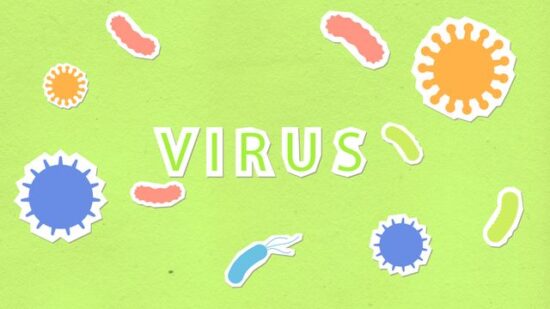
Gut Virome Intelligence: Viruses Influence the Human Gut Ecosystem
Anshika Jain - November 4, 2026The human gut is home to an extraordinarily complex microbial ecosystem containing bacteria, fungi, archaea and viruses. While bacteria have received considerable attention in microbiome research, the…
.png)